

This post may contain affiliate links. If you buy through them, we may earn a small commission at no extra cost to you. Read our disclosure.
Stories about end-of-life regrets can prompt reflection, but they do not establish a universal ranking of what everyone will regret. This guide offers 15 questions for later life and modest actions you can consider now. They are invitations, not predictions, and none requires you to repair your entire past. Use the images as illustrations and check retailer details for the actual items linked.
In this post5 sections
15 practical questions and starting points
1. Did I choose what mattered to me?

Optional supplies on Amazon
These are optional everyday supplies, not treatments or guarantees about feelings. Choose only what helps with the task in this section; no purchase is required to use the advice.
Ask whether your current week contains anything that reflects your own priorities. You do not need to judge every earlier decision using knowledge you gained later.
Choose one preference you can act on now, such as time to learn, a conversation or a quieter schedule. This question is an invitation to reflect, not a universal account of what people regret. A small realistic action is more useful than demanding that your whole past suddenly feel resolved.
2. Which relationship deserves attention now?

Optional supplies on Amazon
Use an ordinary notebook or existing stationery before buying a special format. Choose only what helps with the task in this section; no purchase is required to use the advice.
Think of one relationship you would like to give attention to, then choose a manageable invitation. A brief note or a specific suggestion for a call can be enough. Leave room for the other person's preferences and response.
You cannot guarantee reconciliation or closeness by saying the right words. Keep your expectations realistic and protect boundaries where contact would be harmful. The aim is to act thoughtfully on what matters to you, not to complete a compulsory list of relationships.
3. Is there something I want to say clearly?

Optional supplies on Amazon
Keep personal and sensitive information secure; an organizer does not replace qualified advice. Choose only what helps with the task in this section; no purchase is required to use the advice.
If there is something important you want to communicate, begin with the main point in plain language. 'I appreciate what you did' or 'I would like to explain how I felt' can be clearer than waiting for a perfect speech. Choose a time the other person agrees is suitable.
You can write a draft privately first. Not every message needs to be sent, especially if it would compromise safety or ignore another person's boundary. Thoughtful communication includes listening.
Practical checks before you choose
What the research can and cannot tell us
A qualitative study of older adults in Turkey explored written accounts of life satisfaction, regrets and death reflection. Such work can describe the experiences of its participants; it does not establish a worldwide ranking for people who are dying. A separate interview study of Indian older adults also examined regret and coping within its own sample. The questions here are editorial prompts, not a validated test or a list of proven universal last wishes.
Separate an action from an impossible demand
Some situations allow an apology, a conversation or a practical change. Others involve loss or circumstances you cannot reverse. Write down what remains within your control without assigning yourself responsibility for everything that happened. A small action can matter even when regret remains. If reflection becomes repetitive, overwhelming or disruptive to daily life, seek appropriate professional support rather than adding more journal tasks.
Use care-planning resources for care decisions
NIA's advance-care-planning worksheets invite reflection on values and treatment preferences. Use appropriate clinical and local legal guidance for formal planning and documents. An ordinary notebook can help you prepare questions, but it does not create a valid directive or replace advice about your circumstances. Begin with an understandable conversation and keep plans reviewable as preferences or health circumstances change.
Keep the next step small and chosen
Pick one question that feels useful and an action you genuinely want to consider. You might ask about a class, label a photograph or make a specific invitation. Avoid turning reflection into a duty to contact unsafe people, spend beyond your means or find a positive lesson in every loss. The aim is a thoughtful choice now, not a guarantee that you will never feel regret again.
Reference: Qualitative research on regret and life satisfaction in older adults.
| What you notice or need | A useful next step |
|---|---|
| A relationship comes to mind | Consider a respectful invitation without promising a particular response. |
| An interest feels unfinished | Try a small version with existing or borrowed supplies. |
| A care preference is unclear | Use official resources and suitable clinical or local legal guidance. |
| Reflection becomes overwhelming | Ask for appropriate support and reduce the pressure to solve everything. |
4. Have I confused making peace with unsafe contact?

Optional supplies on Amazon
These are optional everyday supplies, not treatments or guarantees about feelings. Choose only what helps with the task in this section; no purchase is required to use the advice.
Making peace with an experience does not require renewed contact with someone who harmed you. Consider what would support you now: private reflection, a trusted conversation or qualified professional help. You can acknowledge grief or regret without assigning yourself responsibility for another person's actions.
Avoid turning forgiveness into a deadline or a purchase. If you choose to write, a private draft may be enough. The useful next step is the one that respects your circumstances and safety.
5. What learning would I still enjoy?

Optional supplies on Amazon
Use an ordinary notebook or existing stationery before buying a special format. Choose only what helps with the task in this section; no purchase is required to use the advice.
Choose something you still want to learn and find a small first version. A library book, local talk or introductory session may be more useful than enrolling in an expensive program immediately. Ask about practical access and time before committing.
You do not need to recover every missed opportunity. Learning now can have value even if it leads to no certificate or public achievement. Treat the experience as something to explore rather than proof that you have repaired the past.
6. What interest have I kept postponing?

Optional supplies on Amazon
Keep personal and sensitive information secure; an organizer does not replace qualified advice. Choose only what helps with the task in this section; no purchase is required to use the advice.
Name one interest you keep postponing and reduce it to a manageable session. A few sketches, a short piece of music or time with a borrowed book can be enough to begin. Use supplies you own or borrow before ordering a complete kit.
You are allowed to discover that an old interest no longer suits you. That information can guide another experiment. The goal is to make room for something you might enjoy now, not to force a dramatic reinvention.
7. Have I left all enjoyment for a perfect future?

Optional supplies on Amazon
These are optional everyday supplies, not treatments or guarantees about feelings. Choose only what helps with the task in this section; no purchase is required to use the advice.
Consider whether an ordinary enjoyable plan is being postponed until every condition is perfect. You might arrange a simple meal, a nearby visit or a short outing that fits your energy and finances. This does not mean ignoring real health, access or money constraints.
It means comparing a modest version with no action at all. Check the practical details and choose company you enjoy. An expensive trip is not the only way to make room for a worthwhile experience.
8. What friendship could use a small invitation?

Optional supplies on Amazon
Use an ordinary notebook or existing stationery before buying a special format. Choose only what helps with the task in this section; no purchase is required to use the advice.
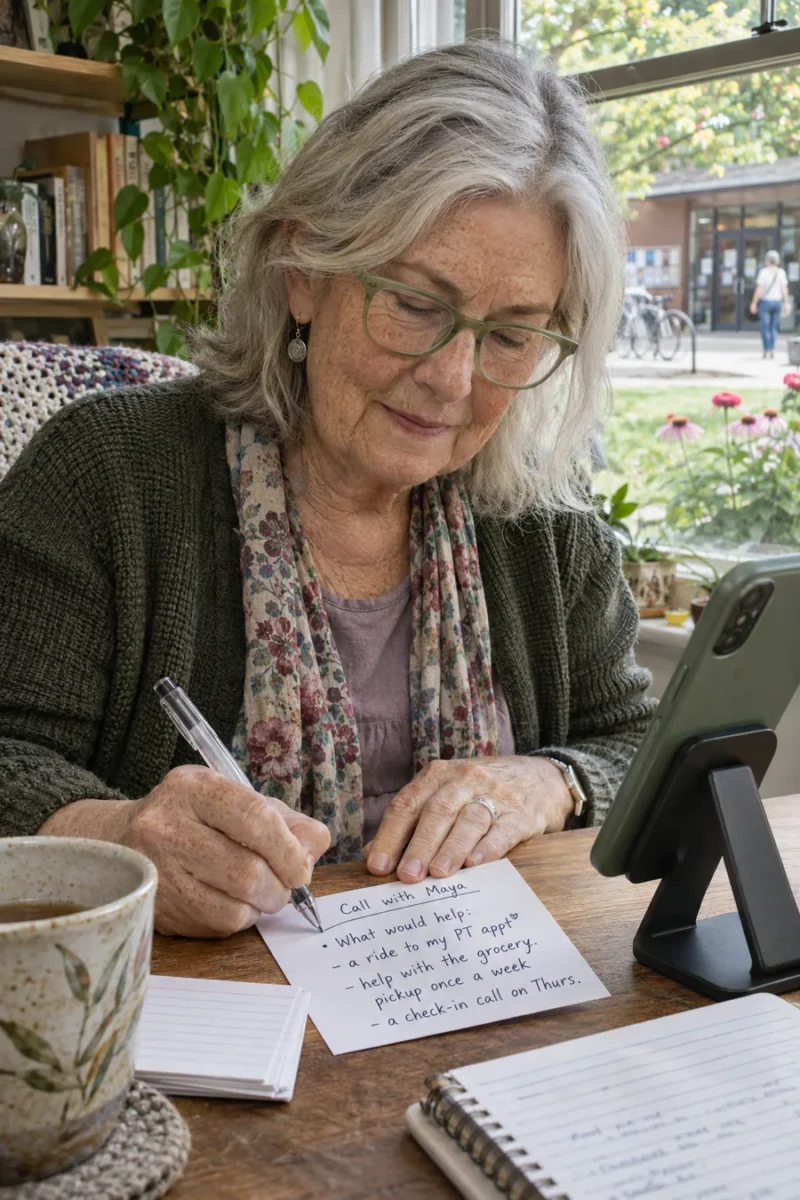
Choose one friend you would like to hear from and make a specific, low-pressure invitation. 'Would you like a short call next week?' gives the other person a clear option.
A delayed response does not establish what they feel about you. People have their own circumstances, and one invitation cannot carry the weight of a whole friendship. Keep a few different sources of contact in your life. You can value an old connection while making room for new ones.
9. What family story do I want to preserve?

Optional supplies on Amazon
Keep personal and sensitive information secure; an organizer does not replace qualified advice. Choose only what helps with the task in this section; no purchase is required to use the advice.
Start with one photograph or one ordinary family memory. Write names, approximate dates and what you remember, distinguishing uncertain details from facts. Ask permission before recording or sharing someone else's story.
You do not need to produce a complete memoir or buy a special journal. A short, clearly labeled account may be more useful than a box of unidentified images. Keep copies in a place the intended people can access under arrangements you choose.
10. Have I made rest feel like a reward I must earn?

Optional supplies on Amazon
These are optional everyday supplies, not treatments or guarantees about feelings. Choose only what helps with the task in this section; no purchase is required to use the advice.
Notice whether you keep postponing rest until every task is complete. Choose a short period that fits your day and see what practical support would make it possible.
Rest does not have to be earned through exhaustion, but persistent fatigue or difficulty functioning deserves appropriate health advice rather than a motivational rule. A familiar book or comfortable chair may already be enough. Avoid treating a new blanket or lamp as the solution to a problem that needs a different kind of help.
11. Which health question have I not asked?

Optional supplies on Amazon
Use an ordinary notebook or existing stationery before buying a special format. Choose only what helps with the task in this section; no purchase is required to use the advice.
Write down one health question you have been avoiding or have not known how to ask. Bring it to an appropriate clinician and ask for an explanation you understand. A notebook can help organize questions, but it cannot determine what tests or treatment you need.
Keep advice specific to your circumstances. You are not required to interpret every symptom as evidence of missed time. The practical step is to seek suitable information and support for the concern you actually have.
12. Do the people I trust know what matters to me?

Optional supplies on Amazon
Keep personal and sensitive information secure; an organizer does not replace qualified advice. Choose only what helps with the task in this section; no purchase is required to use the advice.
Consider discussing what matters to you if you ever become too unwell to communicate your wishes. NIA's advance-care-planning worksheets provide questions about values and care preferences. Use appropriate clinical and local legal guidance for any decisions or formal documents.
A personal journal is not a substitute for a valid plan. You can begin with one conversation and revisit it as circumstances change. The purpose is to make your preferences better understood, not to predict every future situation.
13. What practical information would be hard to find?

Optional supplies on Amazon
These are optional everyday supplies, not treatments or guarantees about feelings. Choose only what helps with the task in this section; no purchase is required to use the advice.
Think about the everyday information someone you choose might need: relevant contacts, where documents are kept or who to ask about an arrangement. Keep sensitive information secure and share access deliberately.
Do not put passwords, financial details and legal papers into an ordinary shared notebook without considering privacy and security. Ask suitable professionals about formal arrangements when needed. Organization can reduce a practical difficulty, but buying a folder does not make documents legally complete or safely managed.
14. Can I turn one regret into a small action?

Optional supplies on Amazon
Use an ordinary notebook or existing stationery before buying a special format. Choose only what helps with the task in this section; no purchase is required to use the advice.
Choose one question from this article and write an action small enough to try soon. 'Ask about a class' is more manageable than 'make up for every missed opportunity.' Identify what might get in the way and whether you need help.
You can change the action after trying it. Regret does not have to disappear for a useful next step to be possible. If reflection becomes overwhelming or repetitive in a way that affects daily life, seek appropriate support.
15. What already deserves gratitude without erasing loss?

Optional supplies on Amazon
Keep personal and sensitive information secure; an organizer does not replace qualified advice. Choose only what helps with the task in this section; no purchase is required to use the advice.
Name something you value without using it to dismiss what was difficult. Gratitude and grief can both be present in an honest account of a life. You might keep a short note, share a memory or simply notice an ordinary moment.
There is no requirement to find a positive lesson in every loss. If you want company, choose someone who can listen without pressuring you to feel differently. A meaningful reflection can remain unfinished and still be worth having.
Before you shop or make plans
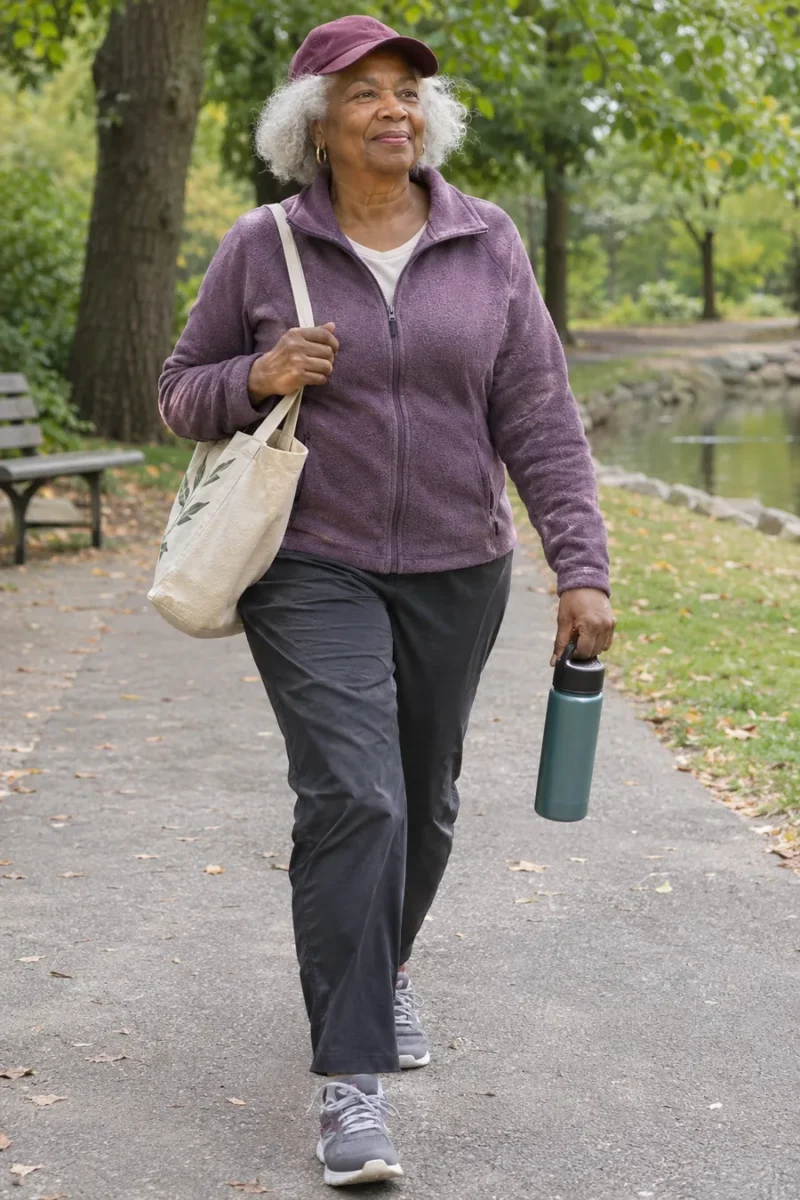
The images are AI-generated lifestyle illustrations. They are not exact retailer product photographs or photographs of a real family or care setting. Named product buttons lead to specific models to compare, while Explore buttons open searches for similar items. Check the selected listing for current size, materials, package contents, availability, care and returns.
The supplies are optional tools for everyday organization or activities. A notebook, card or folder does not replace suitable health, legal or financial support, and no purchase is needed to try a conversation or reflection prompt. Use existing or borrowed items first and keep the next step proportional to your actual circumstances.
Further reading: qualitative research on regret and coping in Indian older adults and NIA advance-care-planning worksheets. The studies describe particular samples; the practical questions here should not be treated as a worldwide ranking.
Questions and answers
Are there five or ten regrets everyone has?
Personal stories and qualitative studies cannot establish a universal list for every person or culture. People have different circumstances and priorities. Use this article's questions as prompts you may accept, adapt or skip rather than predictions about your future.
Can I reflect without keeping a journal?
Yes. You can think quietly, talk with someone you trust or choose one small action without writing anything down. Use the method that suits you. A special journal or other purchase is not a requirement for considering what matters now.
Does making peace require reconnecting with everyone?
No. Consider safety, boundaries and the other person's preferences. A private draft, trusted conversation or appropriate professional support may be more suitable than renewed contact. You do not have to expose yourself to harm to satisfy a reflection exercise.
Can journaling remove regret?
This guide does not promise that. Writing may help organize a thought or prepare a conversation, but it is not a guaranteed treatment. If distress persists or affects daily functioning, seek qualified support rather than relying on a product or exercise.
Is a notebook enough for advance care planning?
A notebook can help you prepare questions and record values. Formal plans and documents need appropriate guidance for your circumstances and location. Use NIA's resources as a starting point and discuss decisions with relevant clinicians and qualified local advisers.
What is a practical first step?
Choose one small action connected to something you value. Ask about a lesson, label one photograph or make one low-pressure invitation. Keep the action within your real constraints and allow the reflection to remain unfinished.
Related reading
Continue with Things to consider before 70, Small ways to rediscover your preferences.






Leave a Reply