

This post may contain affiliate links. If you buy through them, we may earn a small commission at no extra cost to you. Read our disclosure.
A daily ritual can be as simple as opening the curtains before looking at your phone, setting out a plate for lunch, or calling a friend while the kettle boils. Start with something you already enjoy and give it a place in a day you already have.
These 12 rituals give you ideas for mornings, afternoons, and evenings. The last three sections show how to keep them flexible. If your days include work, caregiving, or appointments, choose an action that takes a few minutes and keep a shorter version in mind.
Affiliate disclosure. As an Amazon Associate I earn from qualifying purchases. The AI-generated images illustrate ideas. Paid links open individual Amazon listings or searches for similar items.
In this post9 sections
Find a ritual that fits your day
| If your day could use… | Try this | A shorter version |
|---|---|---|
| A calmer start | Sit by the window with tea | Open the curtains |
| Something to anticipate | Set out a hobby project | Choose the next step |
| More contact | Invite a friend for tea | Send a voice note |
| Less to remember tomorrow | Leave your bag and keys ready | Put the keys in a tray |
Start the day with a moment of your own
1. Open the curtains before the day gets busy

Choose one thing that marks the start of the day: opening the curtains, putting on your slippers, or sitting with a mug at the kitchen table. Give yourself the length of a few sips to notice the weather and decide how you want to begin. On a busy morning, opening the curtains can be the whole ritual.
Attach it to something you already do, such as turning on the kettle. If mornings belong to work or caregiving, put the same pause after lunch. A ritual is easier to keep when its timing fits the actual household.
2. Pour a drink before checking messages

Put a clean glass by the breakfast bowl or fill a small pitcher when you make coffee. Make the first action simple enough that you can do it on a distracted morning. The ritual is a short pause before you start responding to other people’s requests.
Use whatever drink and container work for your routine. If a heavy pitcher is awkward to lift, leave a lighter bottle nearby. Follow any fluid guidance you’ve been given by your clinician.
3. Write a one-line plan

In a notebook, finish the sentence, “Today will feel a little easier if I…” Choose an action you could do even if the rest of the day changes. “Put the library book in my bag” works better than “get organized.” Add one enjoyable thing if you have room for it.
Keep the notebook next to the thing that cues the habit: the kettle, a desk lamp, or your glasses. Look at yesterday’s line only if you need it. An unfinished action can move to another day without turning the notebook into a backlog.
4. Take a brief change of scene

Pick a destination close enough that you can leave without much preparation. It could be the porch chair, the end of the block, or a bench beside your building. Pay attention to one thing that looks different today. The first goal is a pleasant change of scene you would choose again.
Have an indoor version for weather, fatigue, or difficult footing. Sit by another window, walk through a familiar indoor space if comfortable, or listen to the rain with the door open. Choose the version that works on that day.
Make space for people and things you enjoy
5. Set a place for one meal

Lay out a plate, a napkin, and a glass before lunch. If you eat alone, use the bowl you like instead of waiting for guests to bring it out. Take the first few bites seated if that works for you. The ritual can be as small as carrying your sandwich to a place with good light.
If you share a busy kitchen, keep a placemat and napkin in one drawer so setup takes seconds. A meal prepared by someone else, leftovers, or a simple snack can have the same pause built in.
6. Make a small invitation

Try a concrete message: “I’m making tea on Thursday at three. Would you like to join me for half an hour?” A specific plan is easier to picture than an open-ended promise to catch up. A short call or a voice note counts when getting together is difficult.
Offer a time that suits you and leave room for a no. If someone can’t make it, you can still enjoy your tea. Over a week, consider both the person you usually contact and someone you’ve been meaning to hear from.
7. Leave a hobby ready to pick up
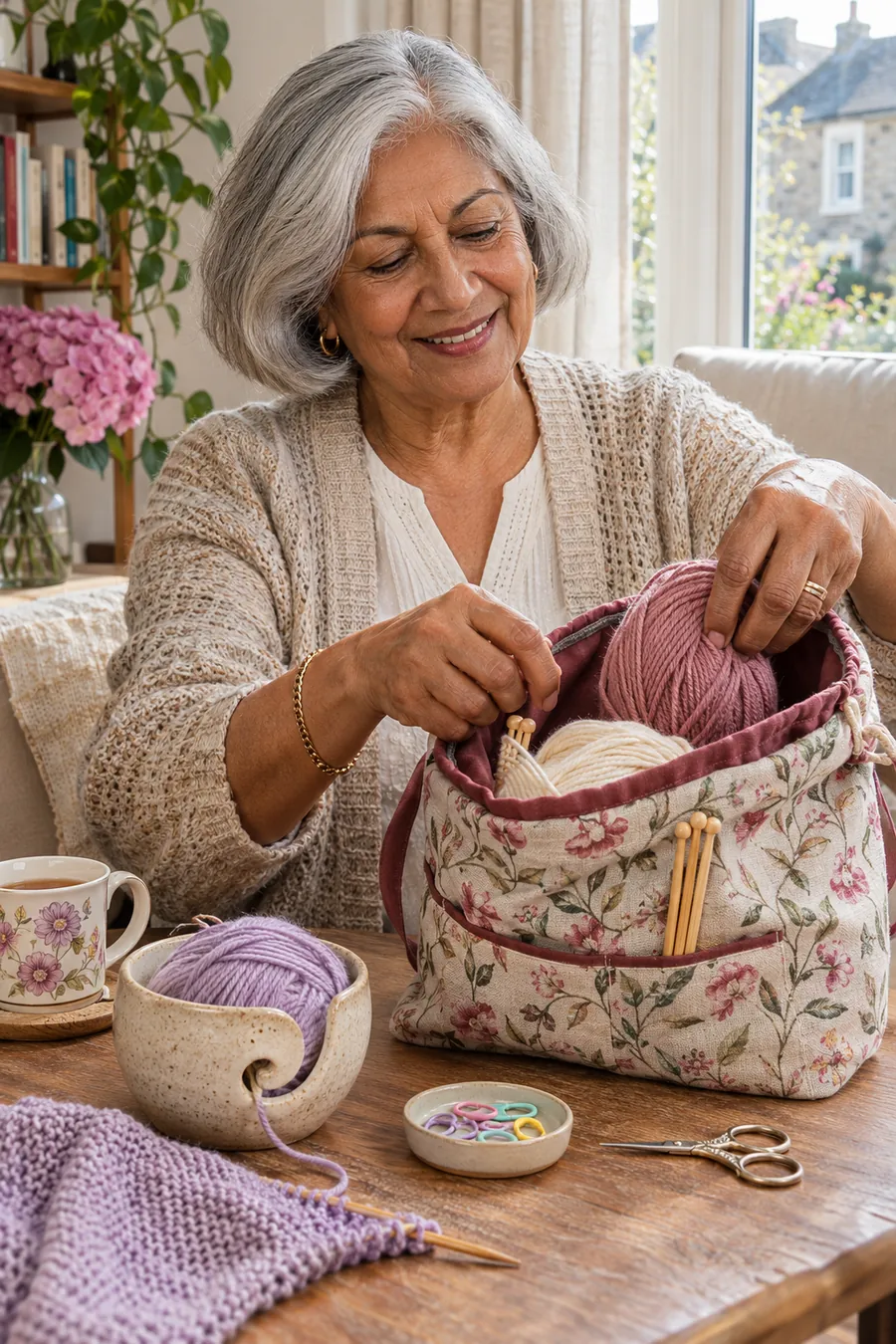
Make the first step obvious. Leave yarn and needles together in a project bag, keep your current book on top of the stack, or set an unfinished sketch next to a pencil. A project you can start in a minute is more likely to fit between appointments.
At the end, leave yourself a cue for the next session: mark the row, clip the recipe, or write the next line. If a hobby starts feeling like another deadline, choose a smaller project you can put down without losing your place.
8. Finish one small repair
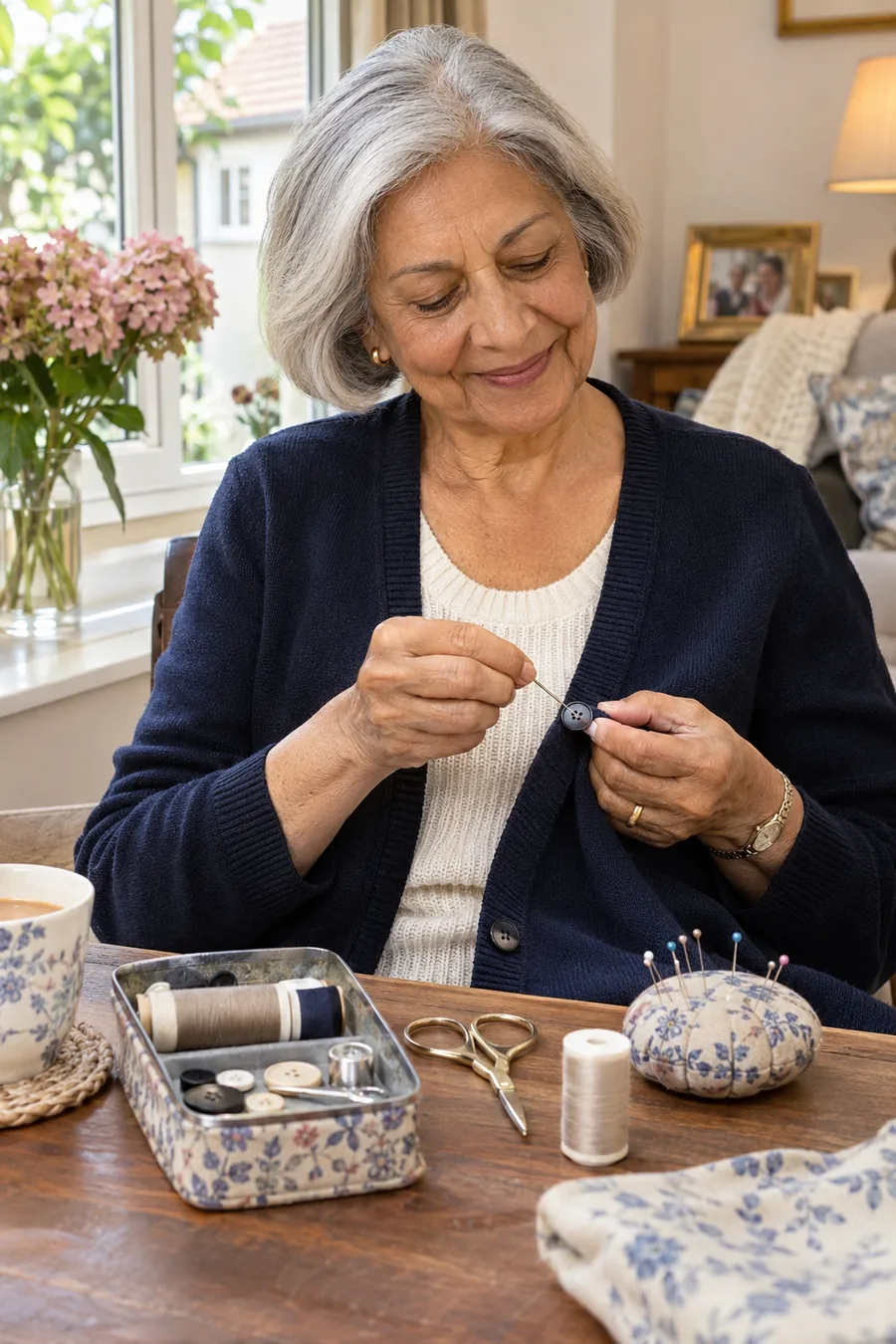
Sew on the loose button, sharpen the pencil, or move the picture frame back where it belongs. Pick a job with an obvious end that takes a few minutes. The satisfaction may come from using the thing again tomorrow, especially if it is something you already like.
Put the items that need more time into one basket and stop after the first repair. If threading a needle is fiddly, a needle threader or a well-lit table may help. You can also pick a different job for that day.
9. Notice one detail in a familiar place

Look for a change on a route you already take: a new pot by a neighbor’s door, the shape of a tree, or which bench catches the afternoon sun. If you like writing, add a few words to a pocket notebook. A quick photo or a mental note works too.
Choose a place you can visit without planning a new outing. If you spend most days indoors, look from the same window at different times. The familiarity makes small changes easier to see.
Give the day a clear ending
10. Put on something you look forward to hearing
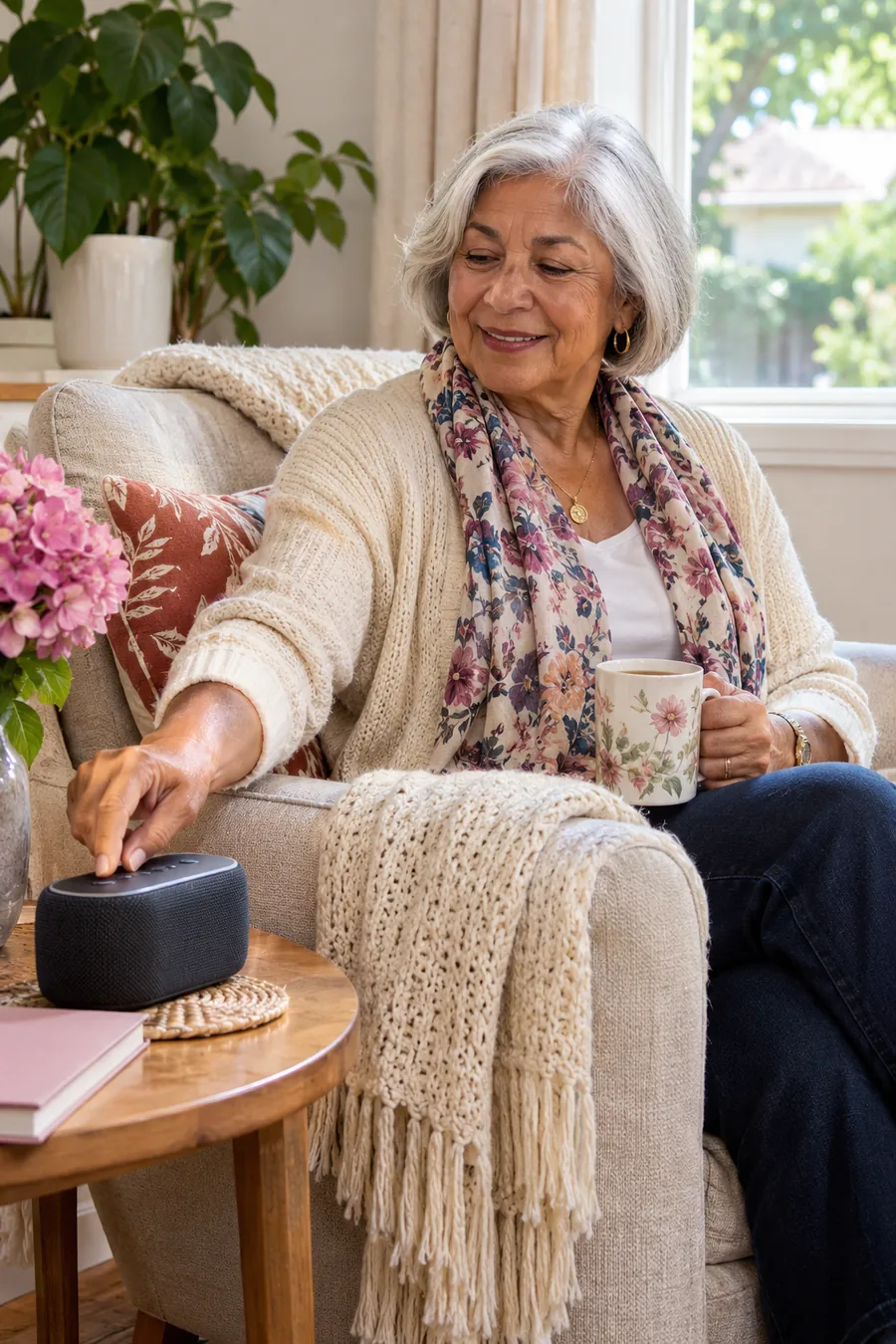
Choose one song, a short chapter of an audiobook, or a familiar radio program. Give it your attention while you fold a towel or sit down with tea. Keep the starting point easy to find, especially if scrolling through a long list puts you off.
If listening with others, take turns picking. If you prefer quiet, use this slot for a few pages of reading. The point is to reserve a small part of the day for something you already enjoy.
11. Make tomorrow’s first step easier
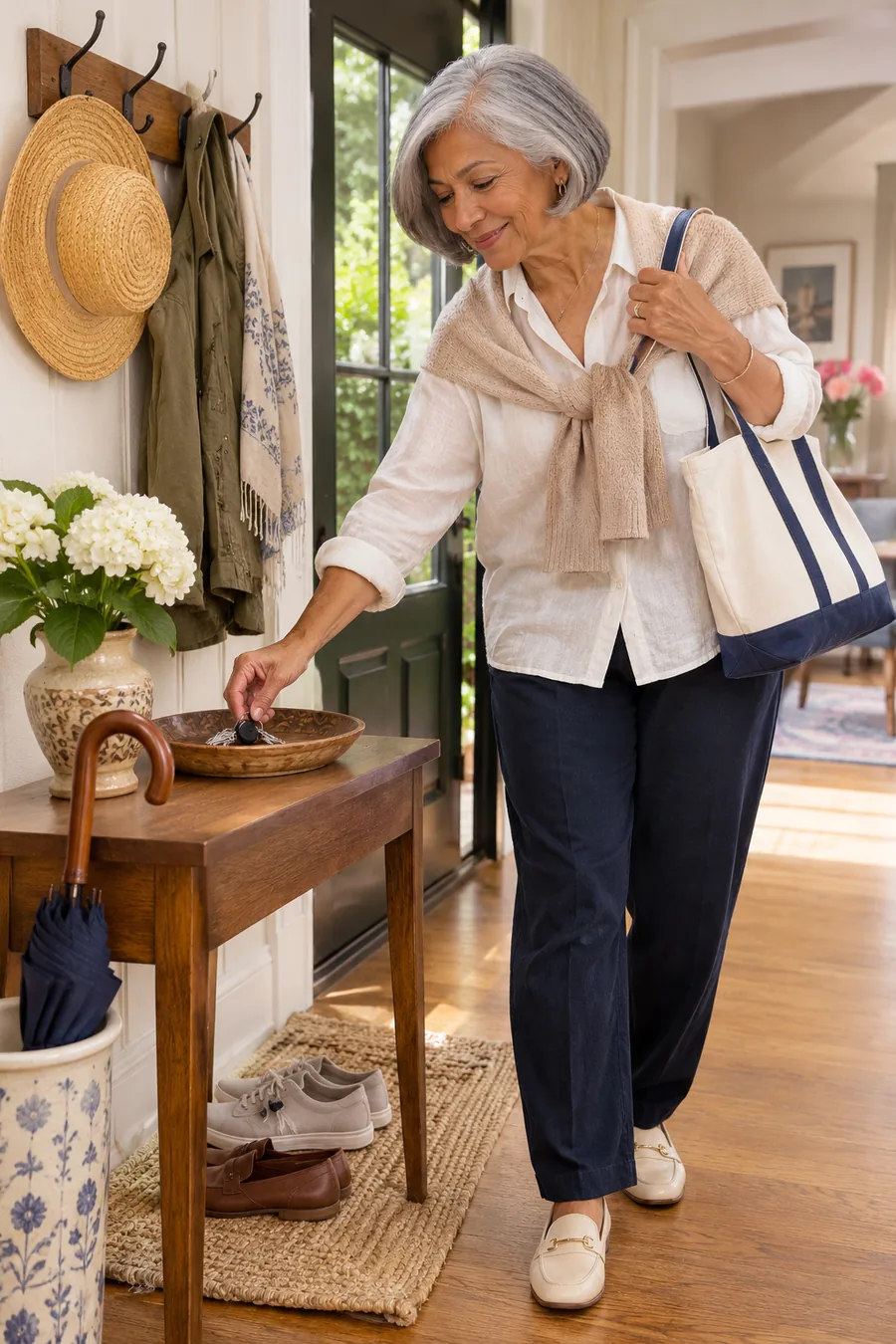
Leave keys in a shallow tray and put your bag or umbrella by the door before bed. For a morning appointment, place any paperwork beside the bag. Tomorrow’s setup can take one minute when it follows an existing cue, such as clearing the dinner table.
Choose a single landing spot that makes sense with the way you enter the house. If you use two doors, keep the tray near the one you usually leave from. The best setup is the one you remember when you are in a hurry.
12. Give the evening a stopping point

Choose a short signal that lets you put down the day’s tasks: close your book after a few pages, switch on the reading lamp, or put tomorrow’s note on the counter. There can still be things left to do. A clear stopping point gives you somewhere to resume.
Keep it gentle on nights when you get home late. Put your glasses in their case and leave it there. If you share the space, choose a signal that belongs to you, such as closing your notebook.
Three ways to keep a ritual going
1. Keep a smaller version for hard days

If the ordinary ritual takes ten minutes, decide what the one-minute version looks like. Open a book to the next page, send a single line to a friend, or take a few sips while seated. Use the smallest version that fits your energy that day.
Write one of these alternatives in an easy-to-see place if you tend to forget it. It is also fine to skip the ritual and return when it fits. The habit serves the day you are having.
2. Review the week in two lines

At the end of the week, write down what you looked forward to and what was easy to start. Those can be different things. If a walk was lovely but the timing was awkward, try a different time. If writing felt like homework, keep the pause and drop the notebook.
Try the revised version for another week. A calendar or planner can hold the cue if you already use one. If you prefer to remember it by an existing activity, pair it with putting the kettle on or setting out dinner.
3. Choose one thing to carry forward

Pick one ritual you can picture doing tomorrow. Put its supplies where they belong and decide when it fits. For example, you might sit on the porch with your mug after breakfast or call a friend while the afternoon light reaches your favorite chair.
Give yourself a week before adding another. You may keep the same ritual for months or change it as the weather, company, or your schedule changes. A good fit is something you look forward to often enough to make room for it.
Pick a rhythm that suits your week
On the first day, choose a ritual and where it fits. By midweek, notice if it works at the time you chose. At the end of the week, keep it, move it, or try another. For example, a morning walk that clashes with an appointment might fit better after lunch, or a long phone call might become a few minutes on the porch with a neighbor.
The National Institute on Aging discusses staying engaged through activities you enjoy. That guidance can help you think about which kinds of activities you want more of, such as a hobby you can do at home or a regular way to see people. This list gives you simple starting points you can adapt.
Frequently asked questions
How many rituals should I start with?
Pick one. Start with a moment that already repeats, such as finishing breakfast or putting your keys down, and try adding the ritual there for a week.
Can I keep a ritual if my schedule changes every day?
Tie it to an event rather than a clock time. A pause after your first cup of tea or a short call after dinner can move around with the rest of the day.
What if I miss several days?
Resume when it fits. If you keep missing it because the setup is too much, use the smallest version or place the supplies closer to where you will use them.
Keep reading
Read about daily habits for brain health after 60
Find practical ways to stay connected
Further reading
National Institute on Aging: Participating in Activities You Enjoy As You Age








Leave a Reply