

People who cope well with loneliness in later life aren’t people who never feel lonely. They’ve built quiet strengths: they can enjoy their own company, keep a gentle daily routine, find purpose in helping others, reach out first, nurture a few close friendships, stay curious, get outdoors, practice gratitude, ask for help without shame and find small places where they’re known.
Loneliness is common. In the University of Michigan National Poll on Healthy Aging, 33% of adults aged 50 to 80 said they felt lonely at least some of the time in 2024. And it matters for health: the U.S. Surgeon General’s 2023 advisory linked a lack of social connection to higher risks of heart disease, stroke and dementia. The good news is that the strengths below can be learned at any age. If you’re worried about someone else, see the signs someone is truly lonely.
In this post14 sections
- 1. They Know the Difference Between Solitude and Loneliness
- 2. They Keep a Gentle Routine
- 3. They Find Purpose in Helping Others
- 4. They Reach Out First
- 5. They Invest in a Few Close Relationships
- 6. They Stay Curious
- 7. They Get Outside and Move
- 8. They Practice Gratitude and Perspective
- 9. They Ask for Help Without Shame
- 10. They Find Community in Small, Regular Places
- A Simple Weekly Connection Plan
- When Loneliness Needs More Help
- Frequently Asked Questions
- Final Thoughts
1. They Know the Difference Between Solitude and Loneliness

Spending time alone can feel peaceful when it is your choice. Loneliness is different: it is the feeling that you are missing connection. Notice which one you are experiencing today. Enjoy a quiet hobby when it feels nourishing, and arrange a call or visit when you want company.
2. They Keep a Gentle Routine
Waking at the same time, a morning walk, lunch at noon, a call every evening. Routine gives days a shape and reasons to leave the house. The National Institute on Aging suggests scheduling regular contact with family, friends and neighbors, and a routine makes that easy.
3. They Find Purpose in Helping Others
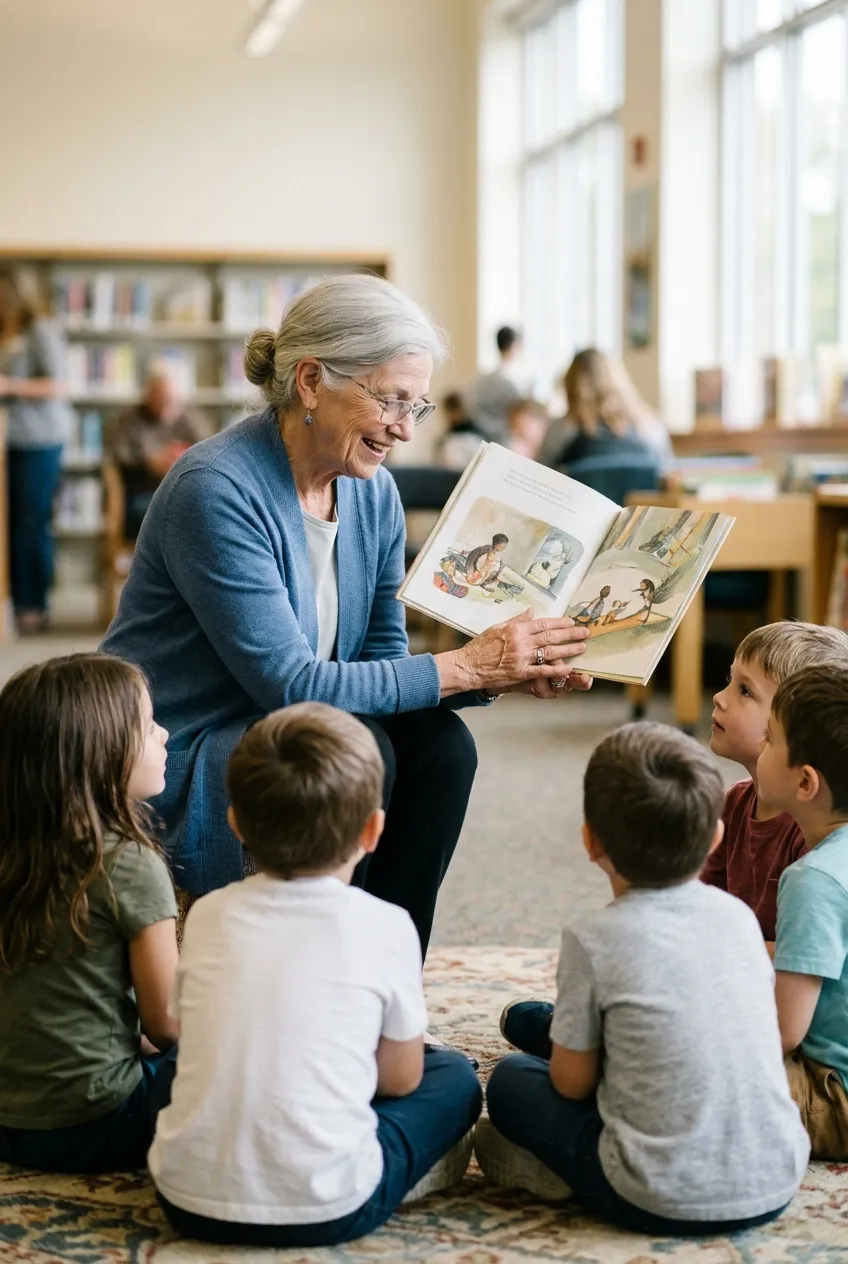
Helping with a small, regular task can create opportunities to meet people and feel useful. Try a library shift, a community garden or checking in on a neighbor. Choose something that fits your energy and interests, and start with a manageable commitment.
4. They Reach Out First

Waiting for someone else to call can turn a quiet week into a lonely one. Send a simple message: “Would you like a coffee or a short chat this week?” One unanswered invitation does not tell you how much you matter. Try another time or another person.
5. They Invest in a Few Close Relationships
Stanford psychologist Laura Carstensen’s research suggests that as people age, they tend to focus on fewer but more emotionally meaningful relationships. People who handle loneliness well lean into this. They put their energy into the friends and family who truly feed them, rather than trying to keep up with everyone.
6. They Stay Curious

A class or hobby gives you something to look forward to and a natural way to begin conversations. Try a book group, a craft session or a beginner class. You do not have to be good at it; returning regularly gives familiar faces time to become friends.
7. They Get Outside and Move
A daily walk, a water aerobics class, tending the garden. Moving outdoors lifts mood, and exercising with others, like a walking group, adds connection to the benefits.
8. They Practice Gratitude and Perspective

A gratitude journal can help you notice a pleasant moment without pretending the difficult ones do not exist. Write down one thing you appreciated today, then consider one small step toward connection tomorrow. Gratitude can sit alongside sadness; it does not replace support.
9. They Ask for Help Without Shame
They tell a friend, “I’ve been feeling lonely lately.” They mention it to their doctor. They call a support line when they need to. Asking for help is a strength, not a weakness. In the United States, the Eldercare Locator (1-800-677-1116) can help you find local programs and services. You can also ask your community center or healthcare team about regular social groups.
10. They Find Community in Small, Regular Places

Regular visits to a library, cafe, faith group or community center give everyday connection a place to grow. Say hello, learn a name and return when you can. Brief conversations may not replace close friendships, but they can make a day feel more connected.
A Simple Weekly Connection Plan
| Day | Try this |
|---|---|
| Monday | Call one friend or family member |
| Tuesday | Visit your “regular place,” such as the library or a café |
| Wednesday | Volunteer or help a neighbor |
| Thursday | Take a class or join a group |
| Friday | Invite someone for coffee or a walk |
| Weekend | Attend church, a market or a family event |
When Loneliness Needs More Help
If loneliness comes with sadness, hopelessness or loss of interest that lasts more than two weeks, please talk to your doctor. If you ever have thoughts of not wanting to be here, in the United States, call or text 988 to reach the Suicide & Crisis Lifeline at any time.
Frequently Asked Questions
How can older adults cope with loneliness?
Keep a daily routine, schedule regular contact, volunteer, join a class or group, become a regular somewhere, and talk to a doctor or call a support line if loneliness feels heavy.
Is it normal to feel lonely in later life?
Yes. About one in three adults aged 50 to 80 feels lonely at least some of the time, so you’re far from alone.
What’s the difference between loneliness and solitude?
Solitude is chosen, restful time alone. Loneliness is the painful feeling of missing connection, even when you’re around people.
Does volunteering help with loneliness?
Research suggests it can. Volunteering gives you purpose, a routine and regular contact with people.
Final Thoughts
Coping with loneliness in later life isn’t about never feeling alone. It’s about building quiet strengths: routine, purpose, curiosity, a few deep friendships and the courage to reach out. Start with one this week. Small steps add up.
Read more about outliving your friends and the social habits of people who still get invited everywhere. Save this list for yourself or someone you love.
Sources
- University of Michigan, National Poll on Healthy Aging (2024)
- U.S. Surgeon General: Our Epidemic of Loneliness and Isolation (2023)
- National Institute on Aging: Tips for Staying Connected
- Carr, D.C., et al. (2018). Does Becoming a Volunteer Attenuate Loneliness Among Recently Widowed Older Adults? Journals of Gerontology: Series B.
- Sandstrom, G.M., and Dunn, E.W. (2014). Social Interactions and Well-Being: The Surprising Power of Weak Ties. Personality and Social Psychology Bulletin.
- Carstensen, L.L. Socioemotional selectivity theory, Stanford Center on Longevity.








Leave a Reply