
Outliving your friends is one of the quiet heartaches of a long life. You lose the people who remember who you were at 20, the losses start to come one after another, and the everyday safety net of rides, calls and check-ins grows thin. It can feel lonely in a way that’s hard to explain to anyone who hasn’t lived it.
If that’s where you are, or where someone you love is, this guide is for you. It names 12 painful realities honestly, because naming them helps. Each one comes with gentle, practical ways to cope and a thought to keep. After that you’ll find ways to honor the friends you’ve lost, signs that grief needs more support, and where to find comfort and new connection, even in your 70s, 80s and beyond.
In this post19 sections
- 1. You Lose the People Who Remember Who You Were
- 2. The Losses Start Coming One After Another
- 3. Your Grief May Not Be Taken Seriously
- 4. You May Feel Guilty for Still Being Here
- 5. You Start Bracing for the Next Phone Call
- 6. You Might Become the Last One of Your Group
- 7. Your Everyday Safety Net Gets Thinner
- 8. Making New Friends Feels Exhausting
- 9. People Think a Long Life Is All Good News
- 10. Losing a Spouse Can Mean Losing a Whole Social World
- 11. Loneliness Can Quietly Affect Your Health
- 12. You Become the Keeper of Their Stories
- 12 Gentle Ways to Honor the Friends You've Lost
- When Grief Needs More Support
- Where to Find Support and New Friends
- How to Make New Friends in Your 70s and 80s
- For Families: How to Help a Parent Who Has Outlived Her Friends
- Frequently Asked Questions
- Final Thoughts
1. You Lose the People Who Remember Who You Were

The friend who was there when you met your husband, who remembers your first apartment and laughed with you through the hard years. When she’s gone, there’s no one left to say, “Remember when?”
Why it hurts so much: old friends are living witnesses to your story. Losing them can feel like losing part of your own history, along with the person.
What helps: start recording your memories now, by speaking into your phone, writing them down or making a simple memory book. Reach out to your friend’s children, siblings or other people who knew her. They often treasure your stories as much as you treasure theirs.
A thought to keep: “Our story still lives in me, and I can share it.”
2. The Losses Start Coming One After Another

In your 70s and 80s, the funerals can start to stack up. Sometimes there’s barely time to grieve one friend before the next phone call comes.
Why it hurts so much: the psychologist Robert Kastenbaum called this “bereavement overload,” when losses come so close together that there’s no time to recover between them. Some people feel numb, and that numbness can be the mind’s way of coping. It doesn’t mean you didn’t love them.
What helps: give each person their own moment, even a small one: light a candle, write them a letter or visit a place you shared. A grief support group gives you a regular place to set the weight down. Be gentle with your body too: grief is exhausting, so rest, eat simple meals and keep walking.
A thought to keep: “Each of them deserves to be grieved, and so do I.”
3. Your Grief May Not Be Taken Seriously

When a spouse dies, people bring casseroles. When your closest friend of 50 years dies, many people barely notice. You may not even feel you have the “right” to grieve this hard.
Why it hurts so much: grief researcher Kenneth Doka called this “disenfranchised grief,” a loss that others don’t fully recognize or support. Friendship loss is one of the most common examples.
What helps: say it out loud to someone you trust: “She was like a sister to me, and I’m really struggling.” Tell your family exactly what would help, such as a phone call on her birthday or a lunch to talk about her. Grief groups welcome people mourning friends, not only spouses.
A thought to keep: “Love doesn’t need a label to be worth grieving.”
4. You May Feel Guilty for Still Being Here

Why her and not me? Many people feel a quiet guilt when they stay healthy while friends become ill, especially if they made the same choices or were the “sicker” one for years.
Why it hurts so much: survivor guilt grows from love and from our need for life to feel fair. But there’s no fair way to hand out time, and your good health isn’t a debt you owe.
What helps: ask yourself what your friend would want for you. Almost always, the answer is: live fully. Honor them through how you live, by taking the trip you planned together, keeping their tradition going or helping someone the way they would have.
A thought to keep: “My life is not a debt. It’s a gift I can use well.”
5. You Start Bracing for the Next Phone Call

When the phone rings late, your heart jumps. Some people even start keeping friends at a little distance, as if that could make the next loss hurt less.
Why it hurts so much: this is anticipatory grief, grieving a loss before it happens. It’s natural, but pulling away robs you of the time you still have together.
What helps: do the opposite of bracing. Call the friends you still have, and say the warm things now: “I’m so glad you’re in my life.” Keep a short “say it now” list of the people you want to thank or tell you love. When worry rises, bring yourself back to today’s conversation.
A thought to keep: “Today, she’s here, and I’m going to enjoy her.”
6. You Might Become the Last One of Your Group
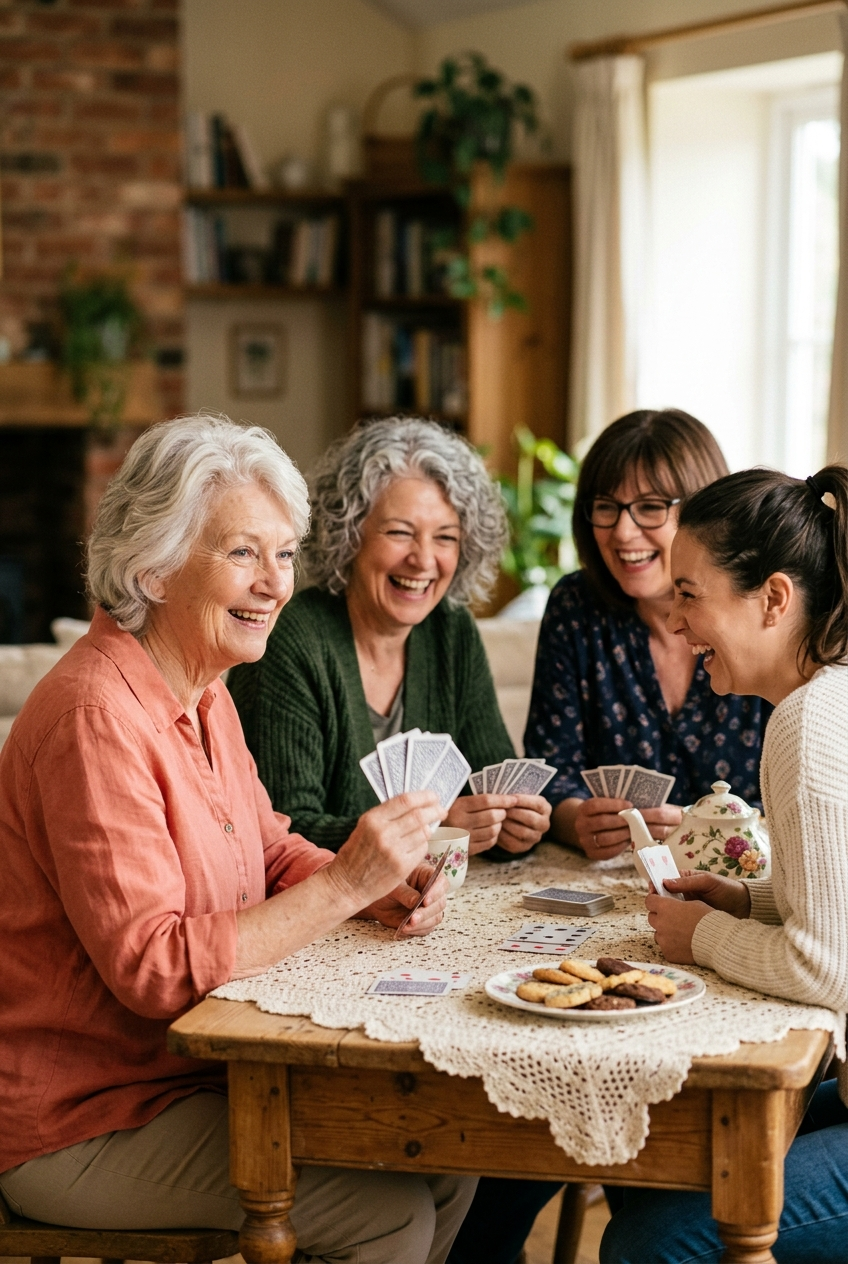
The bridge club, the church circle, the girls from the old office: one day you realize you’re the only one left. The group chat is quiet, and the traditions have no one to keep them going.
Why it hurts so much: a group is more than its people. It’s a ritual, a rhythm and a sense of belonging, and losing it can feel like losing a home.
What helps: keep the tradition and invite new people into it. Host the card night with neighbors, bring the old potluck recipe to church or start a monthly lunch with women from your building. Mixed-age groups are a gift: they bring energy, and you bring the history.
A thought to keep: “I’m not the last of us. I’m the one who carries us forward.”
7. Your Everyday Safety Net Gets Thinner

Your friends were your quiet support system: the one with a spare key, the one who drove you to appointments, the one who’d notice if you didn’t call. When they’re gone, those everyday safeguards go too.
Why it hurts so much: it’s not only lonely, it’s practical. Who would notice if you fell? Who’s your emergency contact now?
What helps: rebuild the net on purpose, one strand at a time:
- List what your friends used to do for you, such as rides, a spare key, check-ins and an emergency contact.
- Choose two people to hold a key, such as a trusted neighbor and a family member.
- Set up a daily check-in, a simple “good morning” text with a relative or neighbor, or a phone reassurance program through your local Area Agency on Aging. Find yours through the free Eldercare Locator at 1-800-677-1116.
- Consider a medical alert device if you live alone, and update your emergency contacts and legal documents, such as a health care directive, with people who are available today.
A thought to keep: “Asking for help is how I stay independent.”
8. Making New Friends Feels Exhausting

Starting over with new people can feel like too much: explaining your whole life, your marriage, your children and your losses to someone who wasn’t there. It’s easier to just stay home.
Why it hurts so much: old friendships came with decades of shared context. New ones start from zero, and that takes energy you may not feel you have.
What helps: let friendships start with what you’re doing, not with your whole life story. A weekly class, a walking group, a choir, a church group or a volunteer shift means you see the same faces again and again without having to “perform.” The history can come later, a little at a time.
A thought to keep: “A new friend doesn’t replace an old one. She just adds a new chapter.”
9. People Think a Long Life Is All Good News

“Look at you, still going strong!” People mean it kindly. But they don’t always see that a long life also means a long list of goodbyes.
Why it hurts so much: when everyone celebrates your longevity, it can feel like there’s no room for the sadness that comes with it.
What helps: it’s okay to gently tell the truth: “I’m grateful for every year. It’s also hard to be the one who’s still here when so many friends are gone.” Then let people love you through it. Find a few people your own age who understand without explanation, whether in a grief group, at church or at the senior center.
A thought to keep: “I can be grateful and sad at the same time.”
10. Losing a Spouse Can Mean Losing a Whole Social World

When your husband or partner dies, you often lose more than him. The couple friends drift, the dinner invitations stop and you’re left without your closest companion and your social calendar at the same time.
Why it hurts so much: many friendships were built around being a pair, and some friends simply don’t know how to include a single friend, or how to be around grief.
What helps: reach out to one couple you were close to and suggest a plan yourself. Many people are waiting for a sign that you’re ready. Look for a widow or widower support group through your church, a local hospice or a senior center. Make a few plans you can do alone, such as a class, a regular coffee spot or a volunteer shift, so your week has an anchor.
A thought to keep: “I am still part of the world, and I’m allowed to build a new life in it.”
11. Loneliness Can Quietly Affect Your Health

Loneliness isn’t only an emotion. Over time, it can affect your sleep, your mood, your appetite and even your physical health.
Why it matters: in 2024, 33% of adults aged 50 to 80 said they felt lonely at least some of the time, and 29% felt isolated, according to the University of Michigan National Poll on Healthy Aging. The US Surgeon General’s 2023 advisory on loneliness compared the health risk of social disconnection to smoking up to 15 cigarettes a day.
What helps: aim for some connection every day, even small: a call, a chat with a neighbor, a video call with a grandchild or a visit to the library. Tell your doctor if you’re feeling lonely, because it’s a real health concern and they can point you to local programs. If technology feels hard, ask a family member or your library for help setting up video calls.
A thought to keep: “Reaching out is good medicine.”
12. You Become the Keeper of Their Stories
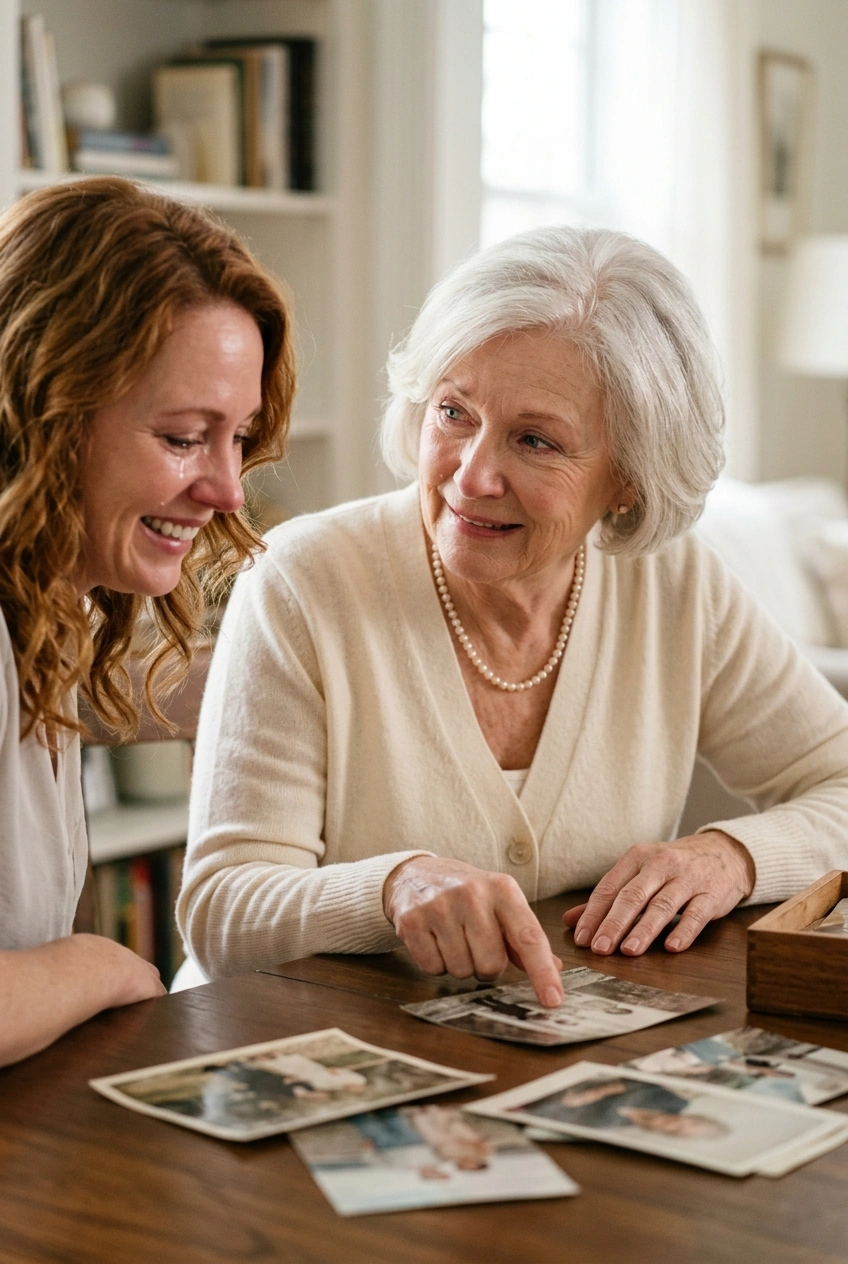
Sometimes you’re asked to help sort a friend’s belongings, or you realize you’re the only one who knows the stories behind her recipes, her jokes and her photos.
Why it hurts so much: it’s an honor and a weight at the same time. Every object can open the grief again.
What helps: share the stories with her children and grandchildren, who often know far less about her younger years than you do. Write down her signature recipe with a note about the first time she made it for you. Keep one small thing of hers that makes you smile. Grief researchers call this keeping “continuing bonds,” and it’s a healthy way to carry someone with you.
A thought to keep: “As long as I tell her stories, she’s still part of this world.”
12 Gentle Ways to Honor the Friends You’ve Lost

- Plant a tree, rose bush or bulbs that bloom near her birthday.
- Cook her signature dish on her birthday and share it with someone.
- Write her a letter about what’s happened since she’s been gone.
- Make a small memory book of photos, cards and notes she wrote.
- Keep one tradition you shared, such as the Christmas cookie swap or the anniversary lunch.
- Donate to a cause she loved, or volunteer there in her name.
- Wear a piece of her jewelry or a scarf on special days.
- Send her family a note with a story they may never have heard.
- Visit a place you loved together and tell her about it.
- Light a candle on the anniversary of her passing.
- Teach a grandchild something she taught you, such as a card game, a recipe or a stitch.
- Say her name out loud and tell her stories, often.
When Grief Needs More Support
Grief has no timeline, and sadness after loss is normal. But sometimes grief becomes so heavy that it’s hard to live your life. It’s time to talk to your doctor or a counselor if:
- Many months after a loss, the longing is still so intense that it gets in the way of daily life. Long-lasting, disabling grief, called prolonged grief disorder, is now a recognized and treatable condition.
- You’ve lost interest in almost everything, including things you used to enjoy.
- You’re sleeping far more or far less, or have stopped eating properly.
- You feel hopeless, worthless or numb most of the time.
- You’ve stopped seeing people or leaving the house.
Depression is not a normal part of aging, and it is very treatable at any age. If you ever feel hopeless or have thoughts of harming yourself, please call or text 988 in the US at any time to reach the Suicide and Crisis Lifeline.
Where to Find Support and New Friends
| What you need | Where to look |
|---|---|
| Grief support | Local hospices, which often run free community grief groups (hospices that care for Medicare patients must offer bereavement support to families for up to a year after a death), church-based groups such as GriefShare, and grief counselors |
| Widow and widower support | Groups through churches, hospices and senior centers |
| Help finding local services | The free Eldercare Locator at 1-800-677-1116 connects you with your Area Agency on Aging |
| Daily check-ins | Phone reassurance programs, a “good morning” text with family or a neighbor, or a medical alert device |
| New friends | Senior centers, library programs, community college classes, walking groups, choirs, faith communities and volunteering |
| Staying in touch from home | Video calls with family and old friends, and online classes, with a family member’s help to set up |
How to Make New Friends in Your 70s and 80s
- Pick one weekly activity and commit to it for two months. Friendship grows from seeing the same people again and again.
- Arrive early or stay a few minutes after. That’s when the real conversations happen.
- Be the one who invites: “Would you like to get coffee after class next week?”
- Welcome friends of every age. Younger neighbors, church members and classmates can become dear friends.
- Offer what you know. Teaching a skill, mentoring or volunteering builds connection naturally.
- Be patient with yourself. New friendships take time, and that’s okay.
For Families: How to Help a Parent Who Has Outlived Her Friends
- Ask about her friends by name, and let her tell their stories, even ones you’ve heard before.
- Remember the hard dates, such as a friend’s birthday or the anniversary of a death, and call that day.
- Offer rides to funerals, memorials and grief groups.
- Set up an easy daily check-in, and help with video calls.
- Don’t rush her grief or brush it off with “at least she had a long life.”
- Watch for signs of depression, and gently encourage her to talk to her doctor if you see them.
Frequently Asked Questions
Is it normal to lose friends as you get older?
Yes. Friendships change with retirement, moves, illness and loss, and in your 70s and 80s many people lose friends to death. It’s a normal part of a long life, but that doesn’t make it hurt any less, and it’s worth building new connections on purpose.
How do you cope with outliving your friends?
Give each loss its own moment, keep your friends’ stories alive, rebuild your everyday support network, join a grief group if you need one and make room for new friendships through weekly activities. Talk to a doctor or counselor if grief becomes overwhelming.
What is bereavement overload?
It’s a term for what happens when losses come so close together that there’s no time to grieve one before the next. It’s common in later life and can cause numbness or exhaustion. Pacing your grief and getting support helps.
How can I make friends at 75 or 80?
Choose one weekly activity, such as a class, a church group, a walking group or a volunteer shift, and keep going for at least two months. Be the one who invites someone for coffee, and welcome friends of every age.
Is it normal to feel numb after losing so many friends?
Yes. Numbness can be a way of coping when losses pile up. It doesn’t mean you didn’t love them. If the numbness lasts for months or stops you from enjoying anything, talk to your doctor or a counselor.
How do I deal with survivor guilt?
Remind yourself that time isn’t handed out fairly and that your health isn’t a debt. Ask what your friend would want for you, then honor them by living fully, keeping their traditions or helping others in their name.
What do you say to someone who has outlived their friends?
Try “Tell me about her,” “I’d love to hear your stories” or “This must be so hard.” Avoid brushing it off with “at least she had a long life,” and keep checking in after the funeral is over.
When should I get help for grief?
If intense grief still gets in the way of daily life many months after a loss, or if you feel hopeless, stop eating or sleeping well, or withdraw from everyone, talk to your doctor or a grief counselor. In a crisis, call or text 988 in the US.
Final Thoughts
Outliving your friends is one of the hardest parts of a long life, and you’re allowed to grieve it fully. You’re also allowed to keep living, laughing and making new friends. The people you’ve lost shaped who you are, and every time you tell their stories, keep their traditions or open your door to someone new, you carry them with you.
For more on finding calm in this season of life, read 15 things to stop doing after 60 if you want to keep your peace of mind. And if this article touched you, share it with a friend or family member who might need it today.








Leave a Reply