

The harsh truths about getting older aren’t the ones on birthday cards. They’re quieter: your body takes longer to bounce back, friendships fade unless you schedule them, you may become a caregiver before you’re ready, money has to last longer than you planned, scammers target your age group and no one is coming to give you permission to live the life you want.
Here’s the part most lists leave out: almost every one of these truths comes with something you can do about it, and research on aging holds a lot of good news. So this isn’t a list meant to scare you. Each truth comes with why it happens, what to do about it, starting this month, and the hopeful part.
A quick note: I’m not a doctor, therapist or financial advisor. Use the health, emotional and money tips here as a starting point for a conversation with yours.
In this post20 sections
- The 15 Truths at a Glance
- 1. Your Body Won't Bounce Back the Way It Used To
- 2. Small Health Problems Don't Stay Small
- 3. Menopause Changes More Than Anyone Warned You
- 4. Friendships Fade Unless You Put Them on the Calendar
- 5. Your Circle Will Shrink, and That Can Be a Gift
- 6. You May Become a Caregiver Before You're Ready
- 7. Grief Starts Showing Up More Often
- 8. Old Family Wounds Rarely Heal on Their Own
- 9. Your Job Title Stops Defining You Sooner Than You Think
- 10. The World May Start to Overlook You
- 11. Learning New Things Takes More Effort, but Your Brain Still Grows
- 12. You Might Live Longer Than Your Money Plan Expects
- 13. Scammers Specifically Target People Your Age
- 14. Time Really Does Seem to Speed Up
- 15. No One Is Coming to Give You Permission
- The Good News About Getting Older (Backed by Research)
- A Simple 4-Week Plan to Get Ahead of These Truths
- Frequently Asked Questions
- Final Thoughts
The 15 Truths at a Glance
| # | The harsh truth | Do this month |
|---|---|---|
| 1 | Your body won’t bounce back the way it used to | Start strength training twice a week |
| 2 | Small health problems don’t stay small | Book your hearing, eye and blood pressure checks |
| 3 | Menopause changes more than anyone warned you | Track your symptoms and take them to your doctor |
| 4 | Friendships fade unless you schedule them | Set one standing date with a friend |
| 5 | Your circle will shrink | Invest in your closest five to ten people |
| 6 | You may become a caregiver before you’re ready | Hold a family meeting about the plan |
| 7 | Grief shows up more often | Find a support group before you need one |
| 8 | Old family wounds rarely heal on their own | Decide: repair, set a boundary or accept |
| 9 | Your job title stops defining you | Write down what you’d miss about work |
| 10 | The world may start to overlook you | Catch yourself saying “I’m too old for that” |
| 11 | Learning new things takes more effort | Sign up for one beginner class |
| 12 | You might outlive your money plan | Plan your finances to age 90 or beyond |
| 13 | Scammers target people your age | Set up a family code word |
| 14 | Time seems to speed up | Do one new thing every week |
| 15 | No one is coming to give you permission | Take one step toward a postponed dream |
1. Your Body Won’t Bounce Back the Way It Used To

A late night, a long drive or a weekend of gardening used to cost you nothing. Now it can take days to recover. Nobody really warns you how much your energy starts to depend on sleep, strength and pacing.
Why it happens: muscle mass, strength and sleep quality all decline with age, and recovery slows. Without regular strength work, muscle loss speeds up in your 60s and beyond, which affects balance, energy and independence.
What to do about it: the CDC recommends that older adults do muscle-strengthening activities at least two days a week, plus about 150 minutes of moderate activity such as brisk walking. Keep a regular sleep schedule. Treat your energy like a budget: do the hardest task of the day during your best hours and stop apologizing for rest.
The hopeful part: strength responds to training at any age. Studies have shown people in their 80s and even 90s getting measurably stronger with resistance exercise.
2. Small Health Problems Don’t Stay Small

The hearing you’ve been “managing,” the knee that just aches, the screening you keep pushing back. In your 50s and 60s, small problems tend to grow, and they quietly shrink your life as you avoid noisy restaurants, stairs or long walks.
Why it happens: issues that go untreated pile up. The 2024 Lancet Commission on dementia found that nearly half of dementia cases could be prevented or delayed by tackling 14 risk factors, including untreated hearing loss, untreated vision loss, high blood pressure, high LDL cholesterol, physical inactivity and social isolation.
What to do about it: book a hearing test, a dilated eye exam and a blood pressure and cholesterol check. If hearing aids are recommended, wear them. Take joint pain to a physical therapist early, before you change the way you walk to avoid it.
The hopeful part: many of the biggest risks to your health in later life are things you can actually do something about.
3. Menopause Changes More Than Anyone Warned You

Most of us were told about hot flashes. Far fewer were told about the sleepless nights, joint aches, brain fog, mood swings, thinning hair and changes in where the body stores weight.
Why it happens: the average age of menopause in the US is 51, and the years of perimenopause before it can bring symptoms for a long time. Falling estrogen affects sleep, mood, skin, joints, heart health and bone density.
What to do about it: track your symptoms for a month and bring the list to your doctor. If you don’t feel heard, look for a clinician with menopause training, such as one listed by The Menopause Society. Add weight-bearing and strength exercise to protect your bones, and ask when you should have a bone density scan.
The hopeful part: symptoms are treatable, and many women say life after menopause feels steadier and freer than the years before it.
4. Friendships Fade Unless You Put Them on the Calendar

You didn’t stop caring about your friends. You just stopped running into them. And somewhere along the way, a year went by.
Why it happens: for decades, school, work, church and the kids’ activities did the scheduling for you. Retirement, moves and empty nests take that structure away. Loneliness matters for health too: the US Surgeon General’s 2023 advisory compared the health risk of social disconnection to smoking up to 15 cigarettes a day.
What to do about it: make friendship a standing appointment, such as coffee every second Tuesday or a monthly walk. Be the one who invites, without keeping score. Join one thing that meets every week, because friendships grow from seeing the same faces again and again.
The hopeful part: plenty of people your age want the same thing. Friendships made in your 60s can be some of the deepest of your life.
5. Your Circle Will Shrink, and That Can Be a Gift

The big circle of friends, coworkers and acquaintances gets smaller. At first it can feel like loss. Over time, many women find it’s a relief.
Why it happens: Stanford psychologist Laura Carstensen’s research on “socioemotional selectivity” shows that as we sense our time is more limited, we naturally put more energy into the relationships that matter most and less into the rest.
What to do about it: invest in your closest five to ten people on purpose. Let draining relationships become smaller, kindly and without drama. Keep a few friendly “light” connections too, such as neighbors, the barista or people at church, because small, everyday interactions lift your mood as well.
The hopeful part: a smaller circle usually means closer, more honest friendships. Just make sure “selective” doesn’t slide into “isolated.”
6. You May Become a Caregiver Before You’re Ready

One phone call can turn you into the person managing a parent’s medications, appointments, bills and moods, often while you’re still working or helping your own kids.
Why it happens: people are living longer, and families are smaller and more spread out. According to AARP and the National Alliance for Caregiving, about 63 million Americans are now family caregivers.
What to do about it: hold a family meeting before there’s a crisis and agree on who does what. Make sure your parents have a will, a durable power of attorney and a health care directive. Use the free Eldercare Locator (1-800-677-1116) to find local help, and ask about respite care so you can rest. Keep your own appointments on the calendar too.
The hopeful part: caregiving is hard, but many women say it brought them closer to a parent in ways they’ll always treasure. Asking for help is a skill, not a failure.
7. Grief Starts Showing Up More Often

Parents, friends, siblings, sometimes a spouse. In your 50s and 60s, loss stops being rare. There are smaller griefs too: the family home, a career, the body you used to have.
Why it happens: it’s simply the season of life when the people we love most are aging too. What makes it harder is that our culture rarely talks about grief, so many of us feel unprepared.
What to do about it: let grief be grief, without a timeline. Many hospices run free grief support groups that are open to the whole community, not just their patients’ families. Keep simple routines, such as a daily walk and regular meals. After losing a spouse, try to avoid big decisions like selling the house in the first year, if you can.
The hopeful part: grief and joy can live side by side. The love doesn’t end, it changes shape.
8. Old Family Wounds Rarely Heal on Their Own

We tell ourselves time will soften the rift with a sister, a son or a parent. More often, time just hardens it.
Why it happens: silence lets each side settle into its own version of the story. The longer it goes, the harder the first step feels.
What to do about it: choose one of three paths on purpose instead of drifting. Repair: send a short note that takes responsibility for your part, without rehashing the past. Boundary: stay in touch, but on terms that protect your peace. Accept: make peace privately, inside yourself. If the relationship involved abuse or ongoing harm, acceptance and distance are the right choice, and a counselor can help you decide.
The hopeful part: you can find peace even when the other person doesn’t change. For more, read 15 things to stop doing after 60 if you want to keep your peace of mind.
9. Your Job Title Stops Defining You Sooner Than You Think

For years, “What do you do?” had an easy answer. Then you retire, change roles or the kids leave home, and suddenly you’re not sure who you are on a Tuesday morning.
Why it happens: work and parenting give us structure, purpose and people. When they fade, all three can disappear at once, even if you were looking forward to the change.
What to do about it: write down what you’d actually miss: the skills, the people, the feeling of being needed. Then find each one somewhere new, through volunteering, mentoring, part-time work, a faith community or a creative project. Give your week a light structure, with something to get up for most mornings.
The hopeful part: this is the first time in decades that you get to choose your purpose instead of having it assigned. Research has linked volunteering in later life with better well-being.
10. The World May Start to Overlook You

Many women describe a moment when they realized the salesperson looked past them, or the meeting moved on without their idea. It’s called the “invisible woman” feeling, and it’s real.
Why it happens: ageism is common. The World Health Organization has estimated that one in every two people worldwide holds ageist attitudes. The sneakiest kind is the one we absorb ourselves: “I’m too old for that.”
What to do about it: catch yourself every time you say “at my age” or “I’m too old for that,” and ask whether it’s true. Speak up in the meeting, try the bold lipstick and wear the outfit that makes you feel like yourself.
The hopeful part: how you think about aging matters. A well-known study by Yale researcher Becca Levy found that people with more positive views of their own aging lived about 7.5 years longer than those with negative views.
11. Learning New Things Takes More Effort, but Your Brain Still Grows
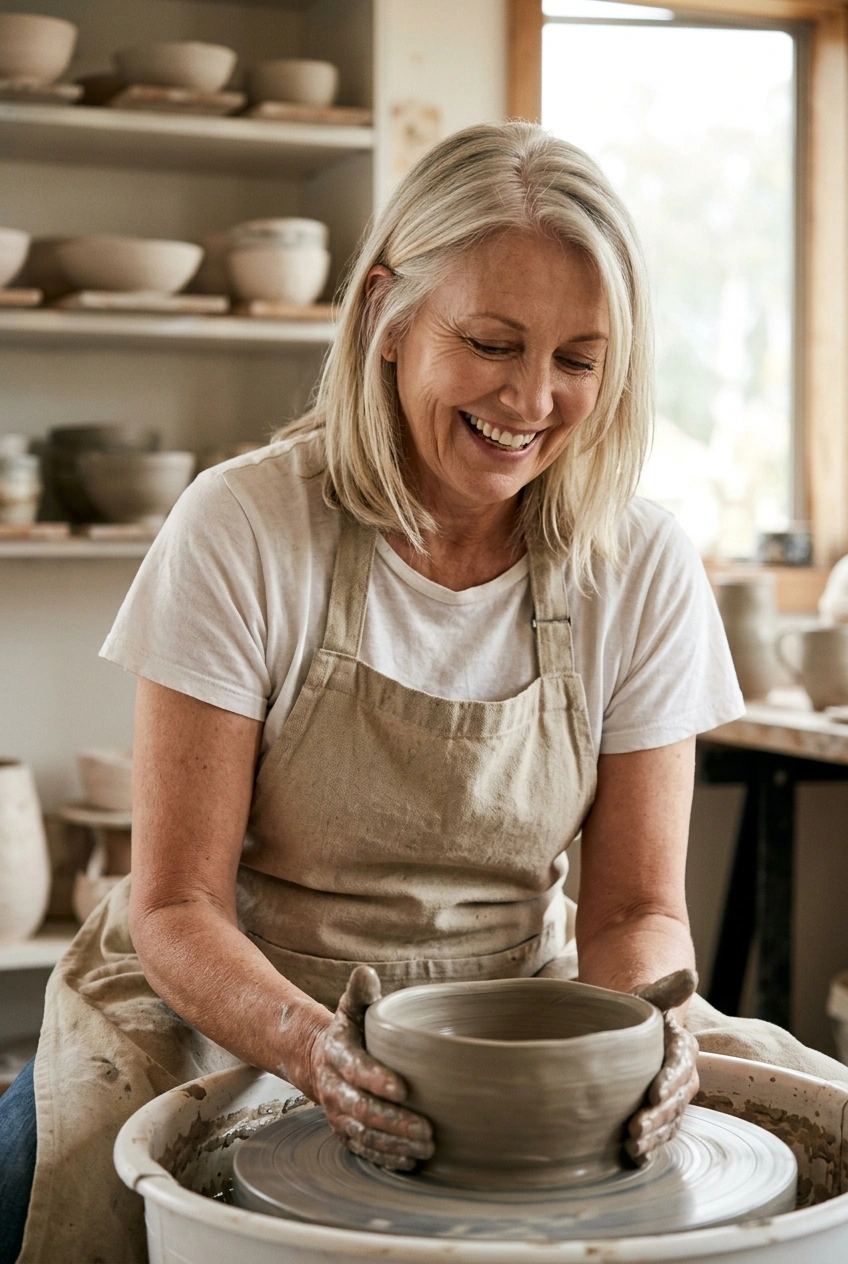
A new phone, a new app or a new hobby can make you feel clumsy and slow, and that beginner feeling stings more than it used to. It’s tempting to say, “I’ll just stick with what I know.”
Why it happens: processing speed slows with age, so new skills take more repetition. But knowledge and vocabulary, which psychologists call crystallized intelligence, tend to hold steady or keep growing well into later life.
What to do about it: learn in a class with other beginners, so you’re not doing it alone. Take notes, repeat things more than once and expect the awkward phase. For technology, ask a grandchild or check whether your library offers free tech help.
The hopeful part: staying mentally active and socially engaged is linked to a healthier brain in later life. Every awkward beginner hour counts.
12. You Might Live Longer Than Your Money Plan Expects

Living longer is wonderful, but it means your money has to last longer too. Many of us planned for retirement as if it would last 15 years. It may last 30.
Why it happens: a woman who reaches 65 can expect, on average, to live into her mid-80s, and many live well into their 90s. Women tend to live longer than men and often retire with smaller savings, so the gap matters even more.
What to do about it: plan your money to age 90 or beyond, not to the average. Look at your Social Security estimate at different claiming ages on ssa.gov. Talk about long-term care costs before you need care. Meet once with a fee-only fiduciary financial planner, who is paid by you rather than by commissions.
The hopeful part: small moves now add up: working part-time a little longer, delaying Social Security, downsizing or simply spending with a plan.
13. Scammers Specifically Target People Your Age

It’s not about being gullible. Scammers deliberately target older adults because they often have savings, a home and good manners, and because they’re more likely to answer the phone.
Why it happens: in the FBI’s 2024 Internet Crime Report, people over 60 reported losing about $4.8 billion, more than any other age group. Common scams include fake grandchildren in trouble, romance scams, fake tech support and “government” calls.
What to do about it:
- Never pay anyone with gift cards, cryptocurrency or a wire transfer because they say it’s urgent.
- Hang up and call back on a number you look up yourself, such as the one on your bank card.
- Agree on a family code word, so a “grandchild in trouble” can prove who they are.
- Don’t click links in unexpected texts or emails.
- Freeze your credit with the three credit bureaus. It’s free and stops anyone from opening accounts in your name.
- Report scams at ic3.gov. For advice, call the AARP Fraud Watch Network Helpline at 877-908-3360.
The hopeful part: a few simple rules stop most scams. Share them with every friend you love.
14. Time Really Does Seem to Speed Up

Wasn’t it just Christmas? The years seem to fly faster every decade, and it can feel like life is slipping away while you’re busy with errands.
Why it happens: our brains record new experiences in rich detail, but routine weeks blur together. When most days look alike, we remember fewer of them, so the year feels shorter looking back.
What to do about it: add something new every week: a different route, a new recipe, a museum, a day trip or a class. Mark the seasons with small rituals. Write one line in a journal each night, so you can look back and see how full the year actually was.
The hopeful part: you can’t add more days to the calendar, but you can make the days you have more memorable, and that makes time feel longer.
15. No One Is Coming to Give You Permission

Many of us spent decades waiting for the right time, for the kids to be settled, for a spouse to agree or for someone to say it’s okay to want something for ourselves. That permission slip never arrives.
Why it happens: years of putting others first become a habit. And some doors really have closed, a career path or a dream that belonged to another season, and unspoken grief over those can keep us stuck.
What to do about it: write down the doors that have closed and let yourself grieve them honestly. Then write down the doors that are still open, and there are more than you think. Pick one and take a single step toward it this week.
The hopeful part: for many women, the 60s and 70s turn out to be the freest decades of their lives. You’re allowed to start now.
The Good News About Getting Older (Backed by Research)
Harsh truths are only half the story. Here’s what research keeps finding about the other half:
- Happiness often rises after midlife. Many studies find that life satisfaction dips in the late 40s and early 50s, then climbs again through the 60s and 70s.
- Emotions get steadier. Research from Laura Carstensen’s lab at Stanford suggests older adults tend to focus more on positive experiences and recover from upsets more easily.
- Knowledge keeps growing. Vocabulary, judgment and life experience tend to hold steady or increase with age.
- Your attitude is a health factor. Positive views of aging have been linked to living years longer.
- Much of healthy aging is in your hands. Movement, connection, hearing and vision care, and blood pressure control all make a real difference.
A Simple 4-Week Plan to Get Ahead of These Truths
| Week | Body | People | Money and safety | Joy |
|---|---|---|---|---|
| Week 1 | Two short strength sessions | Set a standing date with a friend | Set up a family code word | Try one new place |
| Week 2 | Book hearing and eye exams | Join one group that meets weekly | Freeze your credit | Start a one-line journal |
| Week 3 | Take your symptom list to your doctor | Hold a family meeting about caregiving | Check your Social Security estimate | Sign up for a beginner class |
| Week 4 | Keep strength training going | Make one phone call you’ve been putting off | Book a session with a fee-only planner | Take one step toward a postponed dream |
Frequently Asked Questions
What are the hardest parts of getting older?
Many people say the hardest parts are slower physical recovery, losing friends and loved ones, caring for aging parents, worrying about money and feeling overlooked. Most of these become easier when you plan ahead and stay connected.
What do people wish they knew about getting older?
Common answers are to build strength early, protect friendships, save more and plan for a longer life, deal with health issues sooner and stop waiting for permission to do what you love.
How do I accept getting older?
Name what you’ve lost and let yourself grieve it, then focus on what you can still shape: your strength, your relationships, your purpose and your attitude. Noticing and challenging “I’m too old for that” thoughts helps too.
Why does time go faster as you get older?
When most days follow the same routine, the brain stores fewer distinct memories, so time feels shorter looking back. Adding new experiences, places and skills makes time feel fuller and slower.
Why is it so hard to make friends after 50?
Work, school and children’s activities used to create friendships automatically. Without them, you need to create repeated contact on purpose, through weekly groups, classes, volunteering or standing dates.
Is it normal to feel invisible after 50?
Yes, many women describe it. Ageism is common, but you can push back by speaking up, dressing in a way that feels like you and catching your own “too old” thoughts. Positive views of aging are even linked to a longer life.
How can I age well?
Move every day and strength train twice a week, stay socially connected, treat hearing and vision problems, keep blood pressure in check, keep learning, protect your sleep and plan your finances for a long life.
Does life get better after 60?
For many people, yes. Research often finds that life satisfaction rises after midlife, and many women describe their 60s as a time of more freedom, confidence and clarity about what matters.
If grief or low mood has lasted more than a couple of weeks, please talk to your doctor or a counselor. Depression is not a normal part of aging, and it is treatable. If you ever feel hopeless or have thoughts of harming yourself, you can call or text 988 in the US at any time to reach the Suicide and Crisis Lifeline.
Final Thoughts
The harsh truths about getting older are real, but none of them is a verdict. Your body changes, your circle shifts and the world doesn’t always notice you. You also get more freedom, more clarity and more say over how you spend your days than ever before. Pick one truth from this list, take the small step that goes with it this month, then come back for the next one.
For more on living your later years with peace and purpose, read 15 things to stop doing after 60 if you want to keep your peace of mind, and save this list to your Pinterest board for the days you need a reminder.








Leave a Reply