

The signs someone is truly lonely are often quiet: they joke that “nobody calls anymore,” keep you on the phone long after the conversation is over, drop hobbies they used to love, skip meals, sleep poorly, visit the doctor more often, or seem more irritable than usual. Loneliness is a feeling, not a headcount, so a person can be married, busy and surrounded by family and still feel deeply alone.
Loneliness is far more common than most of us think. In the University of Michigan National Poll on Healthy Aging, 33% of adults aged 50 to 80 said they felt lonely some of the time or often in 2024, and 29% said they felt isolated. Adults aged 50 to 64 were more likely to feel this way than those 65 to 80. So if you’re worried about your mother, your neighbor, an old friend or even yourself, you are not imagining things, and you are not alone in noticing.
Below are 10 signs to watch for, what the research says about each one, a simple three-question check researchers use, and gentle, practical ways to help.
In this post10 sections
- Loneliness vs. Isolation: What's the Difference?
- Why Loneliness Matters for Health
- 10 Signs Someone Is Truly Lonely
- A Simple 3-Question Loneliness Check
- How to Help Someone Who Is Lonely
- What Not to Say to Someone Who Is Lonely
- If You're the One Feeling Lonely
- When Loneliness Becomes Something More
- Frequently Asked Questions
- Final Thoughts
Loneliness vs. Isolation: What’s the Difference?
| Social isolation | Loneliness | |
|---|---|---|
| What it is | Having few relationships or little contact with people | The painful feeling of being alone or disconnected |
| Can you see it? | Usually, yes | Often not |
| Example | A widow who lives alone, doesn’t drive and rarely has visitors | A married woman with a full calendar who feels nobody really knows her |
| Can they happen together? | Yes, and they often do, but a person can be isolated and content, or surrounded by people and lonely. | |
Why Loneliness Matters for Health
In 2023, the U.S. Surgeon General issued an advisory called Our Epidemic of Loneliness and Isolation. It reported that lacking social connection can raise the risk of early death about as much as smoking up to 15 cigarettes a day. Poor social relationships were linked to a 29% higher risk of heart disease and a 32% higher risk of stroke, and chronic loneliness and isolation can raise the risk of dementia in older adults by about 50%. The National Institute on Aging also links loneliness to high blood pressure, depression, anxiety, a weaker immune system and poor sleep.
The good news is that connection works in the other direction too. Small, steady contact can make a real difference, which is why noticing the signs matters so much.
10 Signs Someone Is Truly Lonely
1. They Say It, Usually as a Joke

What you might notice: “Oh, nobody calls me anymore.” “I talk to the TV these days.” “I could disappear and no one would notice,” followed by a laugh.
Why it happens: many people, especially those who were raised not to complain, feel embarrassed to admit loneliness. A joke lets them say it without having to ask for anything.
What helps: don’t laugh it off. Gently say, “You’ve said that a few times. Do you feel like that a lot?” and then listen.
2. They Keep You on the Phone (or at the Door)

What you might notice: calls that run long, a new story every time you try to say goodbye, long chats with the cashier, the mail carrier or the pharmacist.
Why it happens: when conversation is rare, every one feels precious. Ending it means going back to the quiet.
What helps: instead of a long call now and then, try a shorter call on a set day. Ending with “Talk to you Thursday” gives them something to look forward to.
3. They’ve Quietly Dropped What They Used to Love

What you might notice: she stopped going to book club, choir, church, the gym or bridge night, often with a vague reason like “it’s not the same anymore.”
Why it happens: activities often fade after a big change. The friend who drove her is gone, she can’t hear well in a noisy room, or going alone feels too hard.
What helps: ask what changed, then solve the practical problem. Offer to go with her the first time, or arrange a ride.
4. More Aches, Pains and Doctor Visits

What you might notice: frequent appointments for small complaints, a doctor or nurse she talks about warmly, or calls about health worries that turn into long chats.
Why it happens: a 2015 study in the American Journal of Public Health by Kerstin Gerst-Emerson and Jayani Jayawardhana found that chronically lonely adults aged 60 and over made more visits to the doctor. Loneliness can affect health, and a doctor’s office can also be one of the few places where someone listens.
What helps: take health concerns seriously, and also ask about her week, not only her symptoms. Mention loneliness to her doctor, who can point to local programs.
5. Their Sleep Has Changed
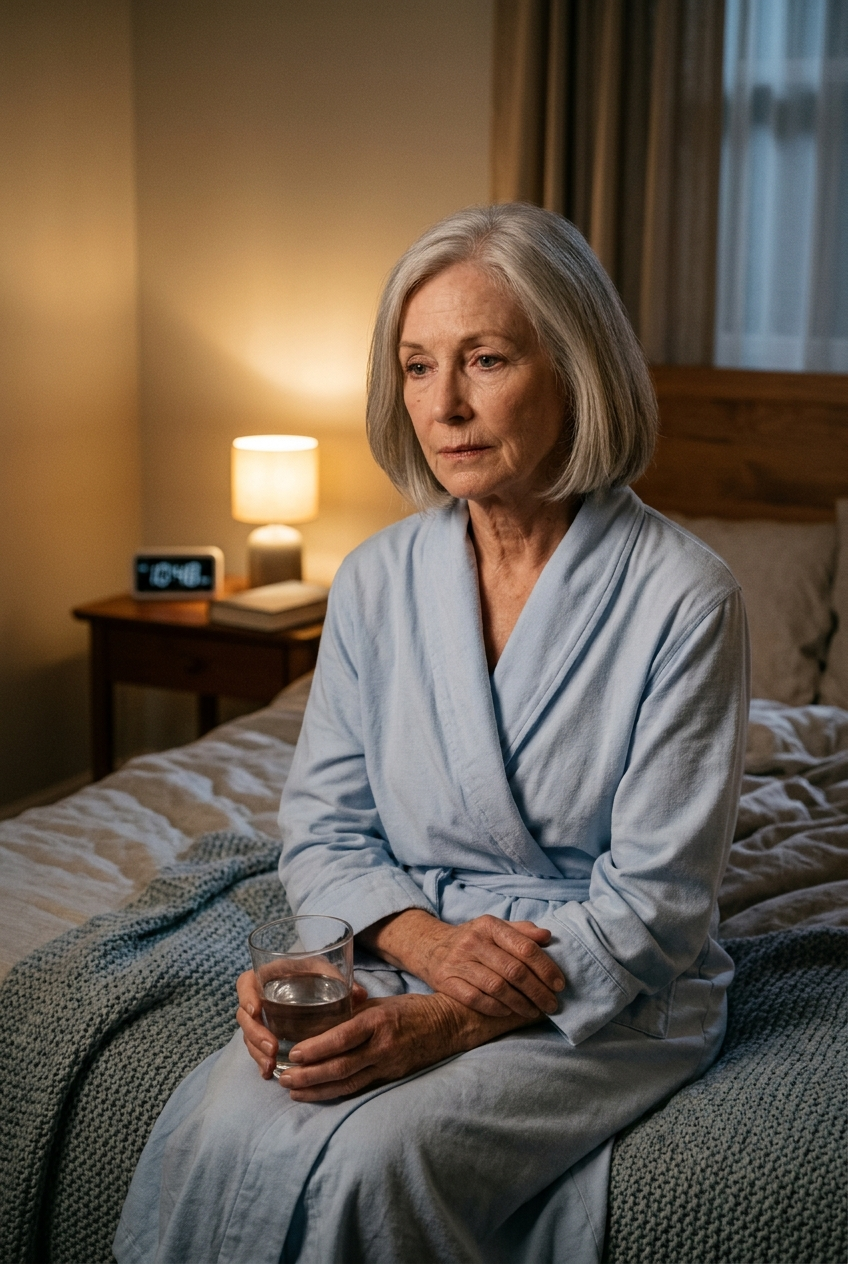
What you might notice: she mentions being up at 3 a.m., napping a lot in the day or feeling tired all the time.
Why it happens: the National Institute on Aging lists poor sleep among the effects of loneliness and isolation. Long, unstructured days with nothing to get up for can also throw off sleep.
What helps: a regular morning plan, like a walk with a neighbor or a standing coffee date, gives the day a shape, which supports better sleep.
6. They Seem More Irritable, Critical or Suspicious

What you might notice: snappish comments, reading slights into small things (“You obviously didn’t want me there”), complaining about neighbors, or suspicion of people’s motives.
Why it happens: research by psychologists John Cacioppo and Louise Hawkley found that loneliness makes people more alert to social threats, so they expect rejection and read more of it into everyday moments. Sadly, that can push people away and deepen the loneliness.
What helps: try not to take it personally. Keep showing up kindly and consistently, because steady warmth is what breaks the cycle.
7. Meals, Housework and Self-Care Are Slipping

What you might notice: “Why cook for one?”, toast or cereal for dinner, weight loss, unopened mail, a house that’s less tidy than it used to be, more drinking, or less care with hair and clothes.
Why it happens: the National Institute on Aging notes that people who are lonely or isolated tend to exercise less and drink and smoke more. When nobody shares your table, meals stop feeling worth the effort.
What helps: share meals. Invite her for Sunday supper, drop off a double batch of soup, or set up a weekly video dinner if you live far away.
8. The TV, Radio or Pet Has Become Their Main Company
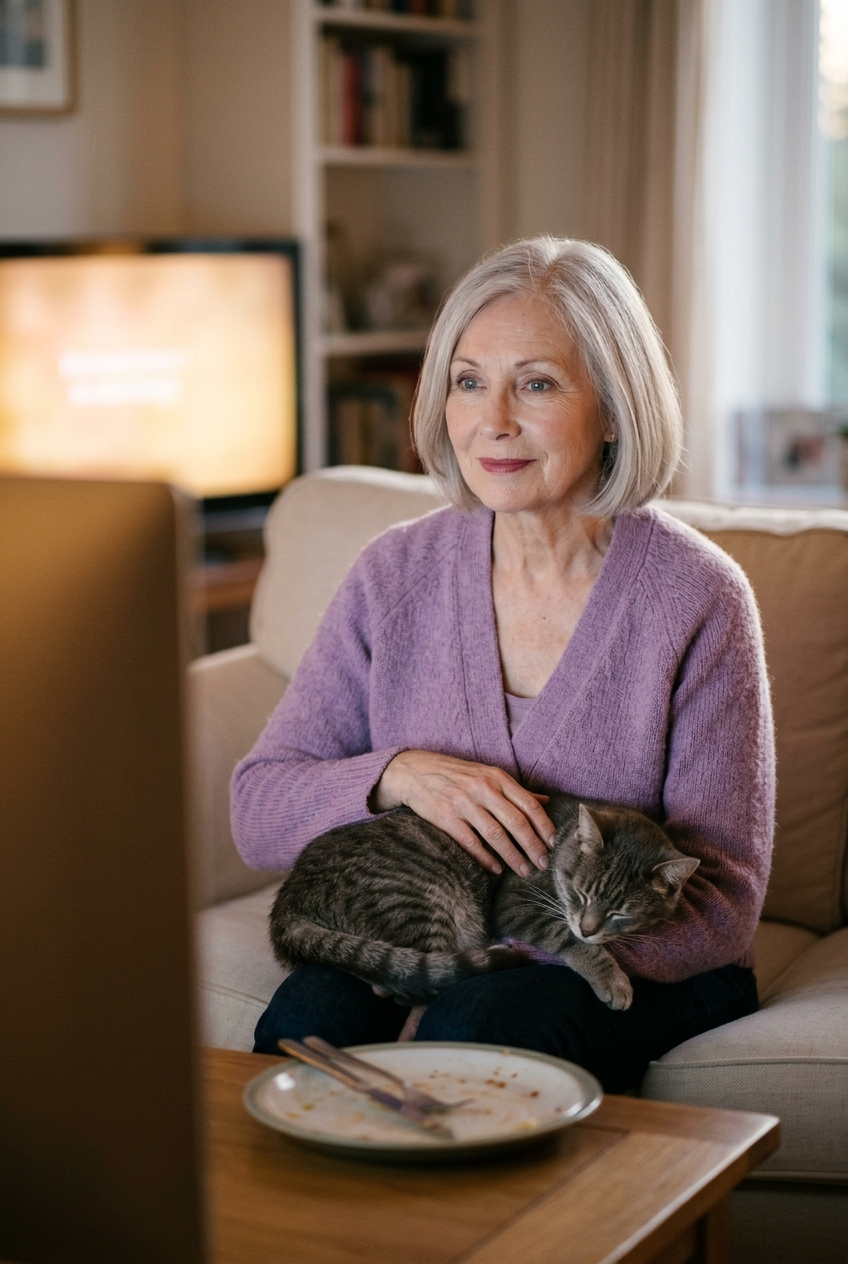
What you might notice: the TV or radio is on from morning to night “for the noise,” she talks a lot to or about her pet, or she chats eagerly with telemarketers and strangers online.
Why it happens: background voices fill the silence of an empty house. Pets are wonderful company, but they can’t replace human connection.
What helps: gently watch for scams. Lonely people are prime targets for romance and phone scams, so check in on new “friends” she’s met online. My harsh truths about getting older covers this too.
9. They Turn Down Invitations, Then Feel Left Out

What you might notice: “I’m too tired,” “You young people go ahead,” and then hurt feelings when she sees photos of the event.
Why it happens: after a long stretch alone, social situations can feel tiring or nerve-racking. She may worry she won’t know anyone, won’t hear well, can’t get there or will be a burden.
What helps: keep inviting, even after a “no.” Make it easy: offer a ride, tell her who will be there and give her a small job, like bringing her famous pie.
10. A Big Life Change Happened Recently

What you might notice: the loss of a spouse or close friend, retirement, a move, giving up driving, new hearing or vision loss, or becoming a caregiver.
Why it happens: the National Institute on Aging lists major life changes, hearing and vision problems, living alone, lack of transportation and caregiving among the main risk factors for loneliness and isolation.
What helps: check in more often in the first year after a big change, not only in the first few weeks. If she has lost friends, my article on the painful realities of outliving your friends may help you understand what she’s feeling.
A Simple 3-Question Loneliness Check
Researchers often use a short version of the UCLA Loneliness Scale, developed by Mary Elizabeth Hughes and colleagues in 2004. You can ask yourself or a loved one these three questions. Score each answer: hardly ever = 1, some of the time = 2, often = 3.
- How often do you feel that you lack companionship?
- How often do you feel left out?
- How often do you feel isolated from others?
Add the scores. A total of 3 to 5 generally means not lonely, while 6 to 9 suggests significant loneliness. It isn’t a diagnosis, but it’s a gentle way to start the conversation, and a useful thing to mention to a doctor.
How to Help Someone Who Is Lonely
- Make contact regular, not occasional. A 10-minute call every Tuesday beats an hour-long call once a month, because it gives her something to count on.
- Make specific invitations. “Can I pick you up Saturday at 10 for coffee?” is far easier to accept than “Let me know if you ever want to get together.”
- Ask for her help. Ask for her recipe, her advice or help with a project. Feeling needed is one of the best cures for loneliness.
- Remove practical barriers. Offer rides, help book a hearing test, set up video calling on her phone or tablet and show her how to use it.
- Listen more than you fix. “That sounds really hard” often helps more than a list of activities.
- Connect her to community. Senior centers, libraries, faith groups, walking clubs, classes and volunteering all create regular contact. The Eldercare Locator (1-800-677-1116) can point you to local programs and transportation.
- Help her build more than one connection. You can’t be someone’s only lifeline. Introduce her to a neighbor, a church friend or a group so her circle grows.
- Be patient. Loneliness can make people prickly or hesitant. Keep showing up, even when she says no.
What Not to Say to Someone Who Is Lonely
| Instead of | Try |
|---|---|
| “You just need to get out more.” | “Would you like to come with me to the library talk on Thursday?” |
| “How can you be lonely? You have us.” | “I’m glad you told me. What feels hardest right now?” |
| “At least you have your health.” | “That sounds really hard. I’m here.” |
| “Everyone feels like that sometimes.” | “How long have you been feeling this way?” |
| “Call me if you need anything.” | “I’ll call you Sunday after church.” |
If You’re the One Feeling Lonely
If you recognized yourself in this list, please know that loneliness is a signal, not a personal failure, much like hunger tells you to eat. A few small steps can help: put one standing date on your calendar each week, say yes to one invitation you’d normally decline, introduce yourself to a neighbor, join one class or group, and tell someone you trust how you’ve been feeling. You might also find comfort in these things to stop doing after 60 for more peace of mind.
When Loneliness Becomes Something More
Loneliness and depression often go together. If sadness, hopelessness or loss of interest lasts more than two weeks, encourage a visit to a doctor. If someone talks about being a burden, not wanting to be here or ending their life, take it seriously and get help right away.
| Resource | Who it’s for | How to reach it |
|---|---|---|
| 988 Suicide & Crisis Lifeline | Anyone in emotional distress or crisis | Call or text 988 |
| Institute on Aging Friendship Line | Adults 60 and over and adults with disabilities who feel lonely, depressed or anxious | 1-800-971-0016, 24 hours a day |
| Eldercare Locator | Finding local senior services, meals, rides and programs | 1-800-677-1116 |
| Local senior center or Area Agency on Aging | Classes, lunches, outings and volunteering | Through the Eldercare Locator |
Frequently Asked Questions
What are the signs someone is lonely?
Common signs include joking about having no one, long phone calls or lingering goodbyes, dropping old hobbies, more doctor visits, poor sleep, irritability, skipped meals and slipping self-care, relying on the TV for company, declining invitations and a recent major loss or life change.
Can you be lonely even if you’re married or have family?
Yes. Loneliness is about how connected you feel, not how many people are around you. Many people feel lonely within a marriage or a busy family.
What’s the difference between loneliness and social isolation?
Social isolation means having little contact with others, which you can often see. Loneliness is the painful feeling of being disconnected, which can happen even when someone has plenty of contact.
How common is loneliness in older adults?
Very common. The University of Michigan National Poll on Healthy Aging found that 33% of adults aged 50 to 80 felt lonely some of the time or often in 2024.
How can I help a lonely parent who lives far away?
Schedule regular video or phone calls, send letters and photos, share a weekly meal over video, ask a neighbor or friend nearby to visit, and use the Eldercare Locator to find local programs and transportation.
Is loneliness bad for your health?
Yes. The U.S. Surgeon General’s 2023 advisory linked a lack of social connection to higher risks of heart disease, stroke, dementia and early death.
What do you say to someone who is lonely?
Keep it simple and warm: “I’ve been thinking about you,” “I’m glad you told me,” or “Can I come by on Saturday?” Specific plans mean more than general offers.
Final Thoughts
The signs someone is truly lonely are easy to miss because lonely people rarely ask for help. A joke, a long goodbye or a skipped dinner can be a quiet way of saying “I miss being part of things.” You don’t need to fix everything. A regular call, a specific invitation and a willingness to keep showing up can change someone’s whole week, and maybe much more.
If someone came to mind as you read this, call them today. For more on the emotional side of getting older, read outliving your friends and harsh truths about getting older.
Sources
- University of Michigan, National Poll on Healthy Aging: 1 in 3 older adults still experience loneliness and isolation (2024)
- U.S. Surgeon General: Our Epidemic of Loneliness and Isolation (2023)
- National Institute on Aging: Loneliness and Social Isolation, Tips for Staying Connected
- University of Georgia: Chronic loneliness in older adults leads to more office visits to physician (2015)
- Cacioppo and Hawkley: Perceived Social Isolation and Cognition, Trends in Cognitive Sciences (2009)
- Three-Item UCLA Loneliness Scale (Hughes et al., 2004), PhenX Toolkit







Leave a Reply