
This post may contain affiliate links. If you buy through them, we may earn a small commission at no extra cost to you. Read our disclosure.
The wardrobe essentials worth buying after 50 are the pieces that help you get dressed for the week you actually have. A reliable tee, a pair of dark jeans, two shoes you can walk in and a layer that works over your favorite tops can do more than a closet full of occasion pieces. Use the 30 ideas below to fill the gaps you notice most often.
Each of the 15 looks pairs two essentials and shows how to wear them together. Before you shop, pick the two looks closest to your everyday routine. Try them with the pieces you already own and write down which item would make the biggest difference.
Affiliate disclosure. As an Amazon Associate I earn from qualifying purchases. These AI-generated styling illustrations use product details for inspiration. They show outfit ideas, and the paid links lead to named Amazon listings or searches for similar pieces. Check the selected size, shade and return terms before ordering.
In this post8 sections
What should you buy first?
| Your usual week | Start with | Check first |
|---|---|---|
| Errands, appointments and casual lunches | White tee and dark jeans | Shoulder seam and seated waistband |
| Office days and dinners out | White button-down and black trousers | Button gaps and trouser hem with work shoes |
| Travel or long days on your feet | A dependable flat or sneaker | Heel hold, toe room and your usual socks |
| Warm weekends | Linen-blend pants and an olive tank | Daylight opacity and inseam with sandals |
| Cool mornings and mild rain | Trench or denim jacket | Reach across your body with a layer underneath |
Do a ten-minute closet check before ordering
Look at the outfits you actually wore in the past seven days. Pick three and finish this sentence for each: “I would wear this more often if I had…” You might notice that your jeans are fine and you mostly need shoes that work with the hem. Or your tops are fine and you need trousers that sit comfortably at lunch.
Measure a garment you already wear. For bottoms, note the rise and inseam. For a shirt, check the flat chest width and sleeve length. Compare those numbers with the listing and check whether its chart gives body measurements or finished garment measurements. They answer different questions.
Core clothes you can wear on repeat
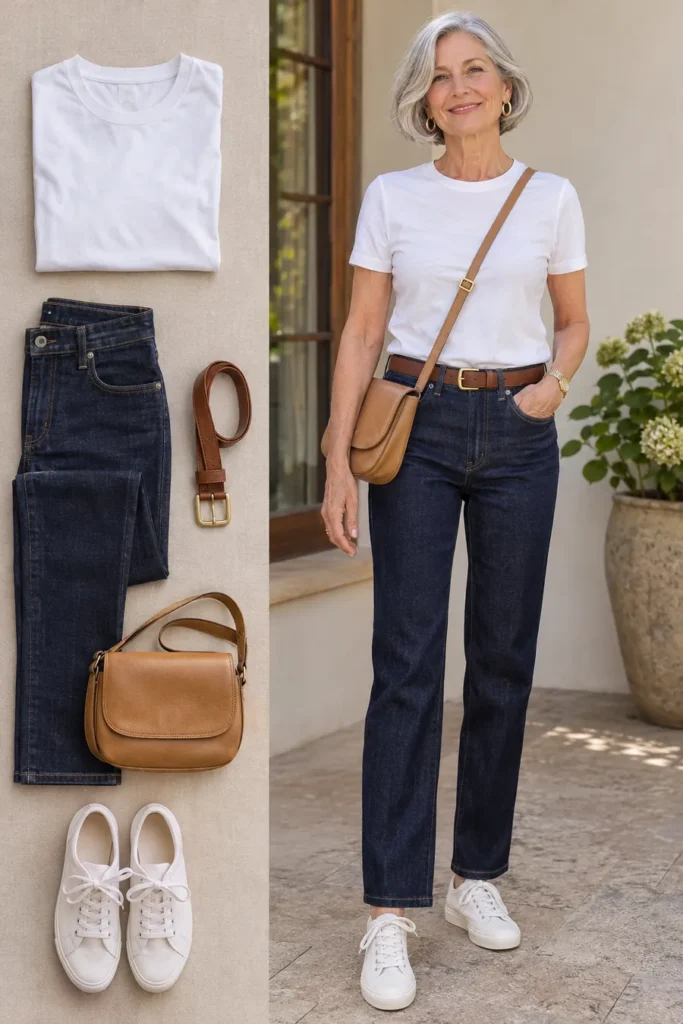
1. White crewneck tee and 2. Dark straight-leg jeans
The tee should sit cleanly at the shoulder and cover the waistband when you reach. Try the jeans seated for two minutes and check the hem with flats. A dark, even wash moves easily between errands and a casual dinner. If you prefer a mid-rise, use the same dark wash and straight opening in that cut.
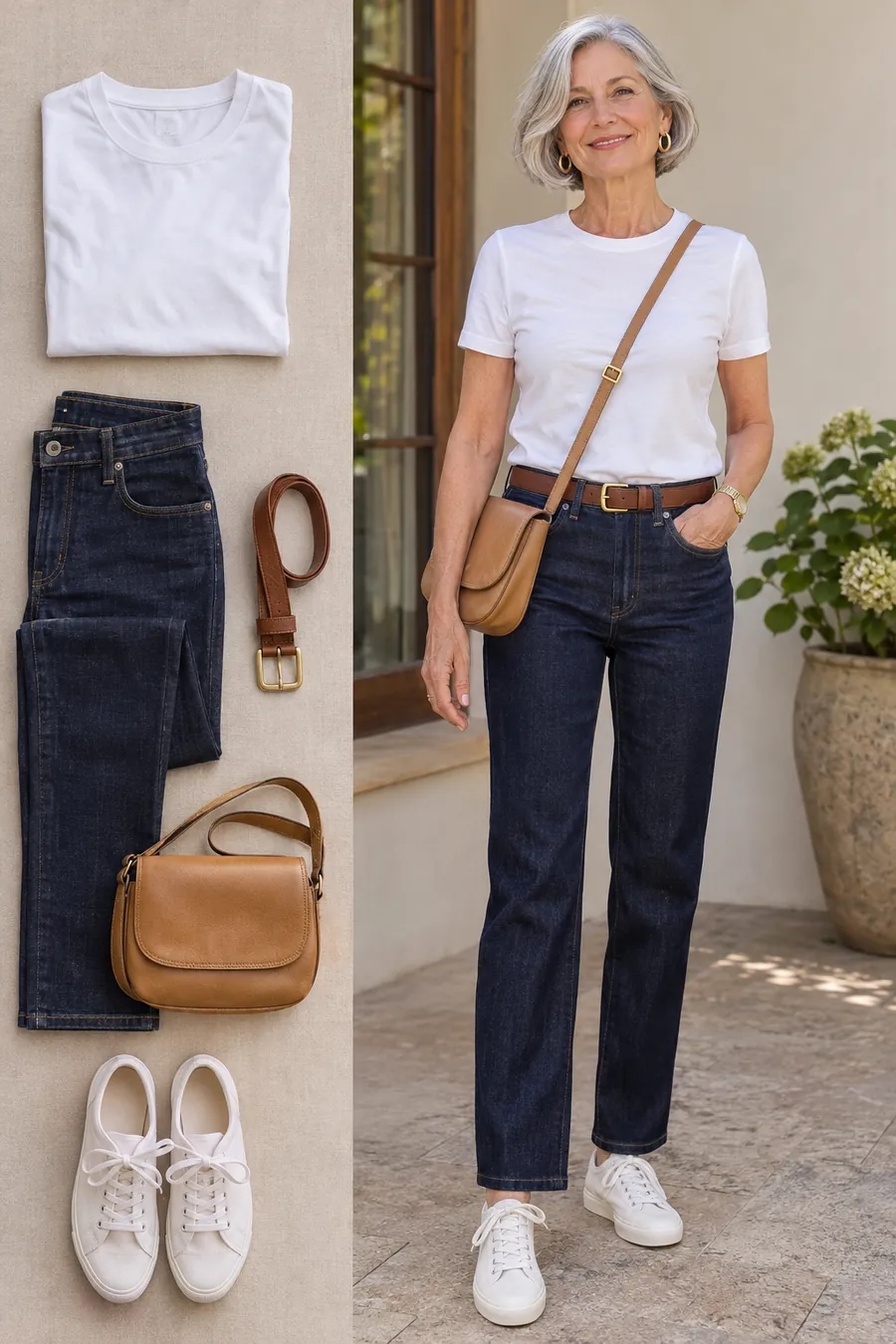
Before you buy: Use this as your baseline outfit. Take a photo in daylight before adding a jacket. If the tee shows every seam, compare a heavier cotton jersey before buying a duplicate.
3. White cotton button-down and 4. Black trousers
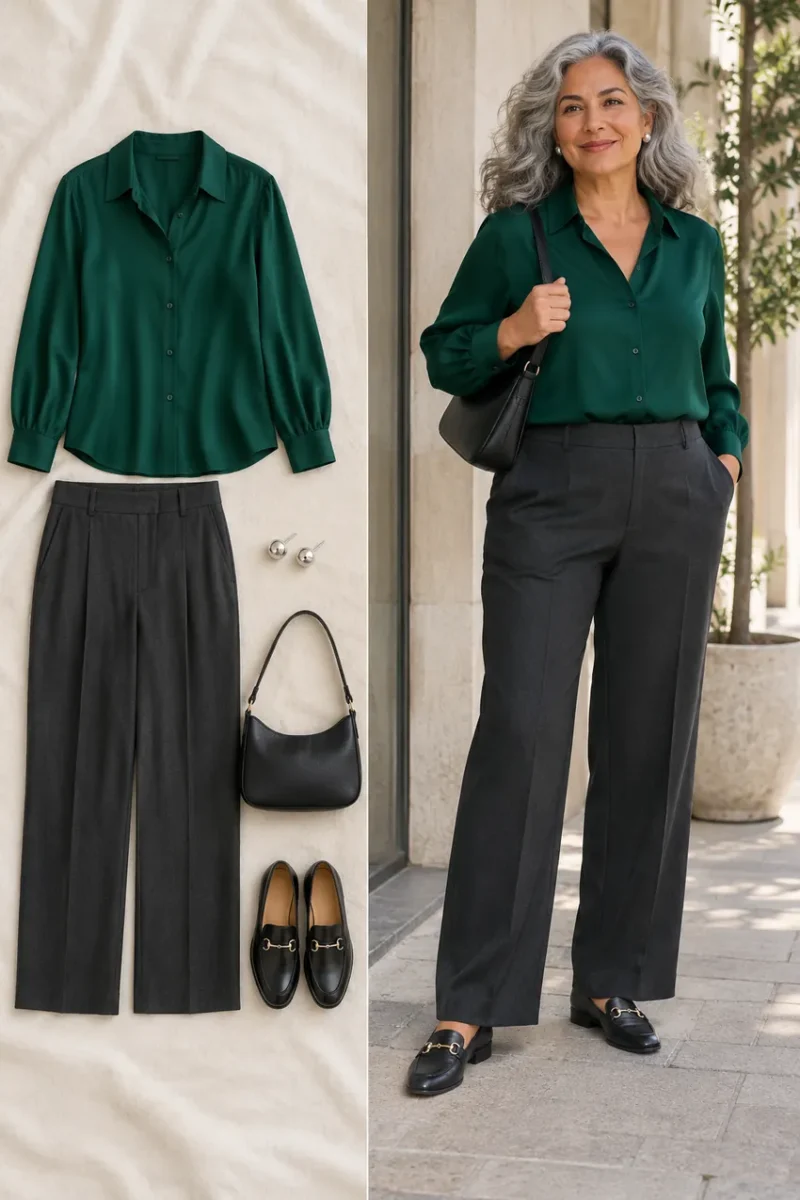
The shirt and trousers can go from a weekday meeting to dinner. Sit and reach forward to test the buttons, then check the trouser waistband and pocket openings. Poplin has little give, so choose a cut that lets you move without pulling across the chest.
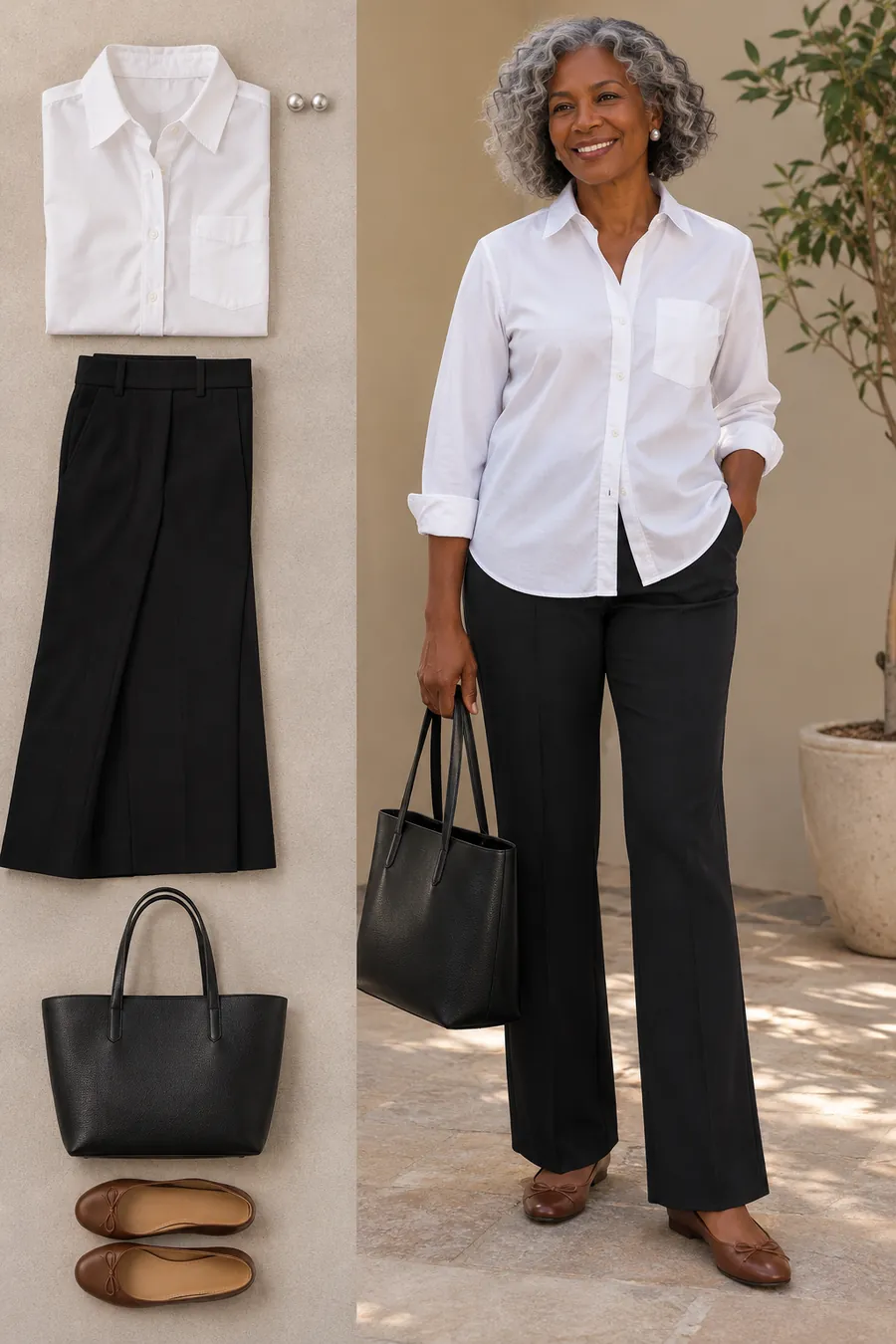
Before you buy: If you only need one of these pieces, buy the trousers when your wardrobe already has several tops. Buy the shirt if you have good pants but routinely struggle to dress them up.
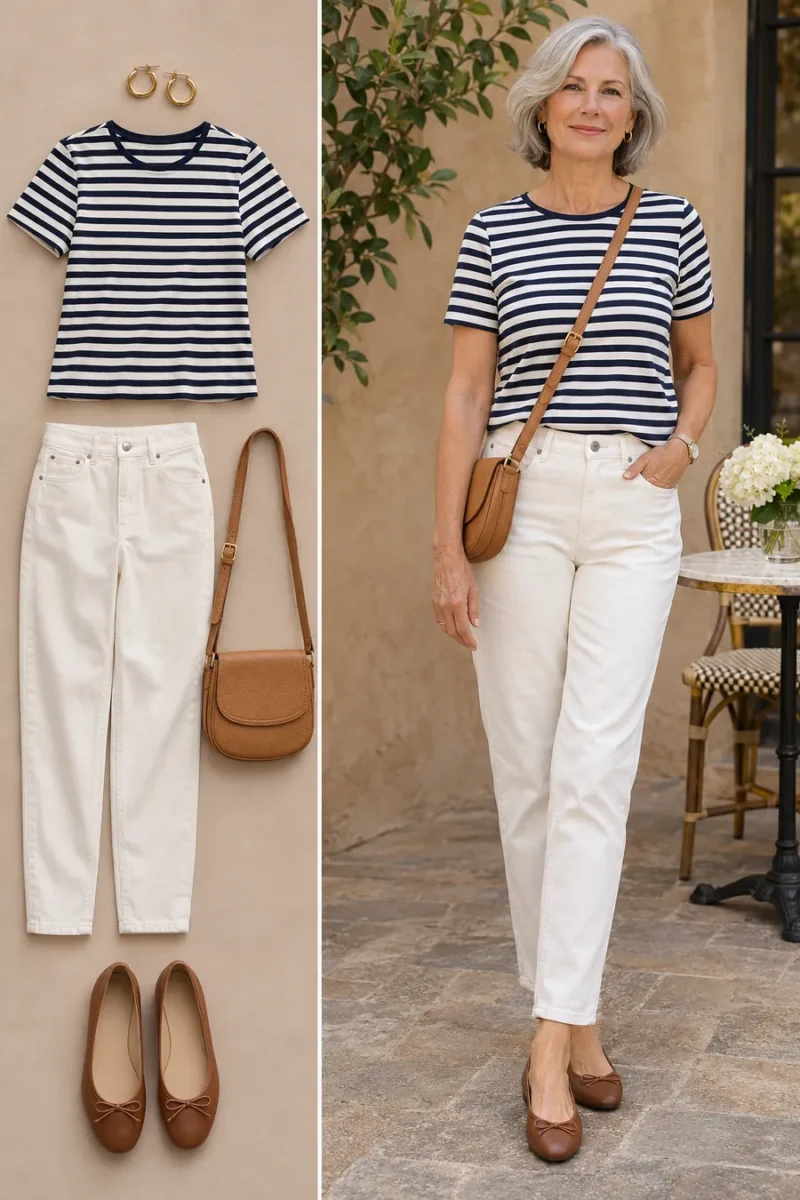
5. Ivory crewneck sweater and 6. White jeans
Pair a warm ivory knit with slightly warmer white denim. It works best when the change in texture is obvious. Check sleeve bulk under your usual coat and compare the white jeans with your favorite pair for rise and inseam.
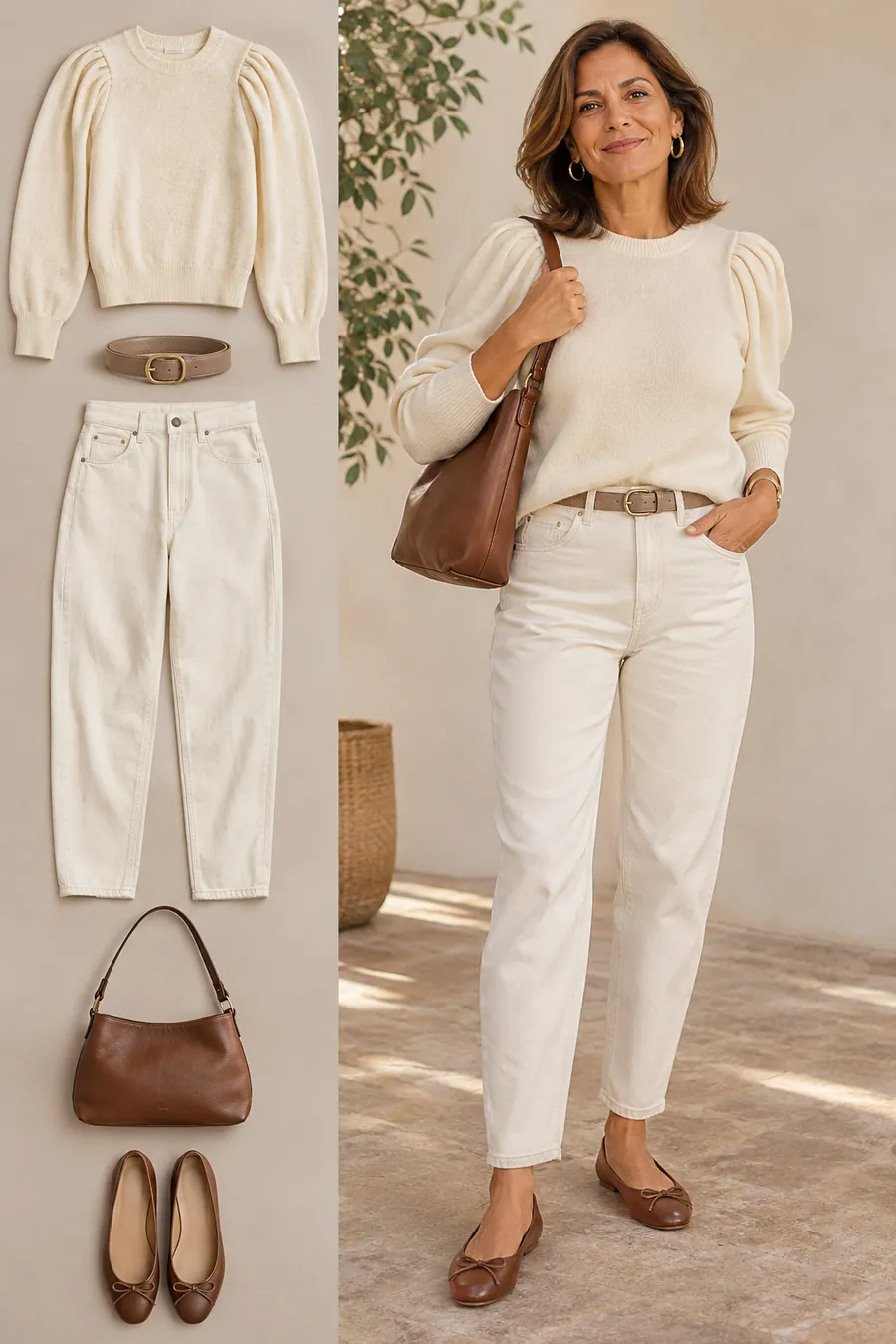
Before you buy: Try the jeans with a navy stripe and then with the sweater. If both feel useful, the denim has earned more than one spot in your wardrobe.
7. Black button-front cardigan and 8. Black midi dress
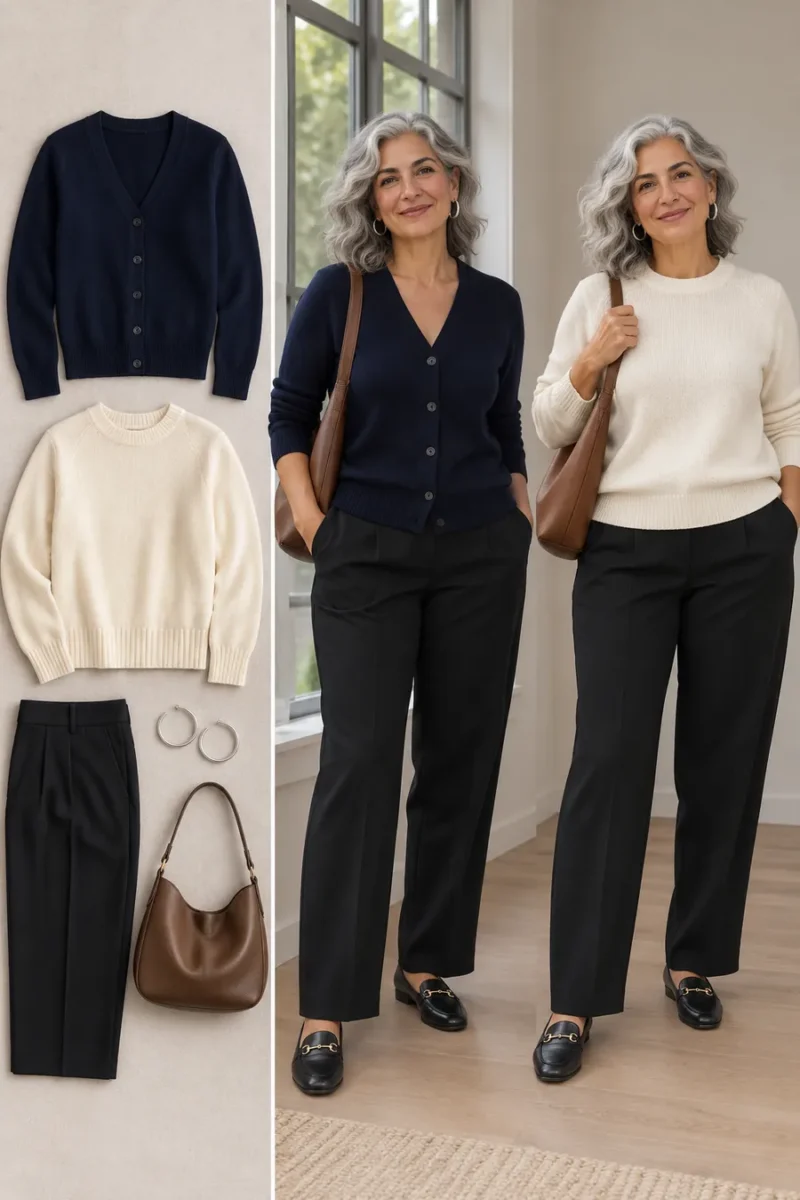
A short crewneck cardigan can add a layer over a dress without hiding its waist seam. Leave it open or fasten the center button so you can move your arms. Sit in the dress and check where the hem lands.
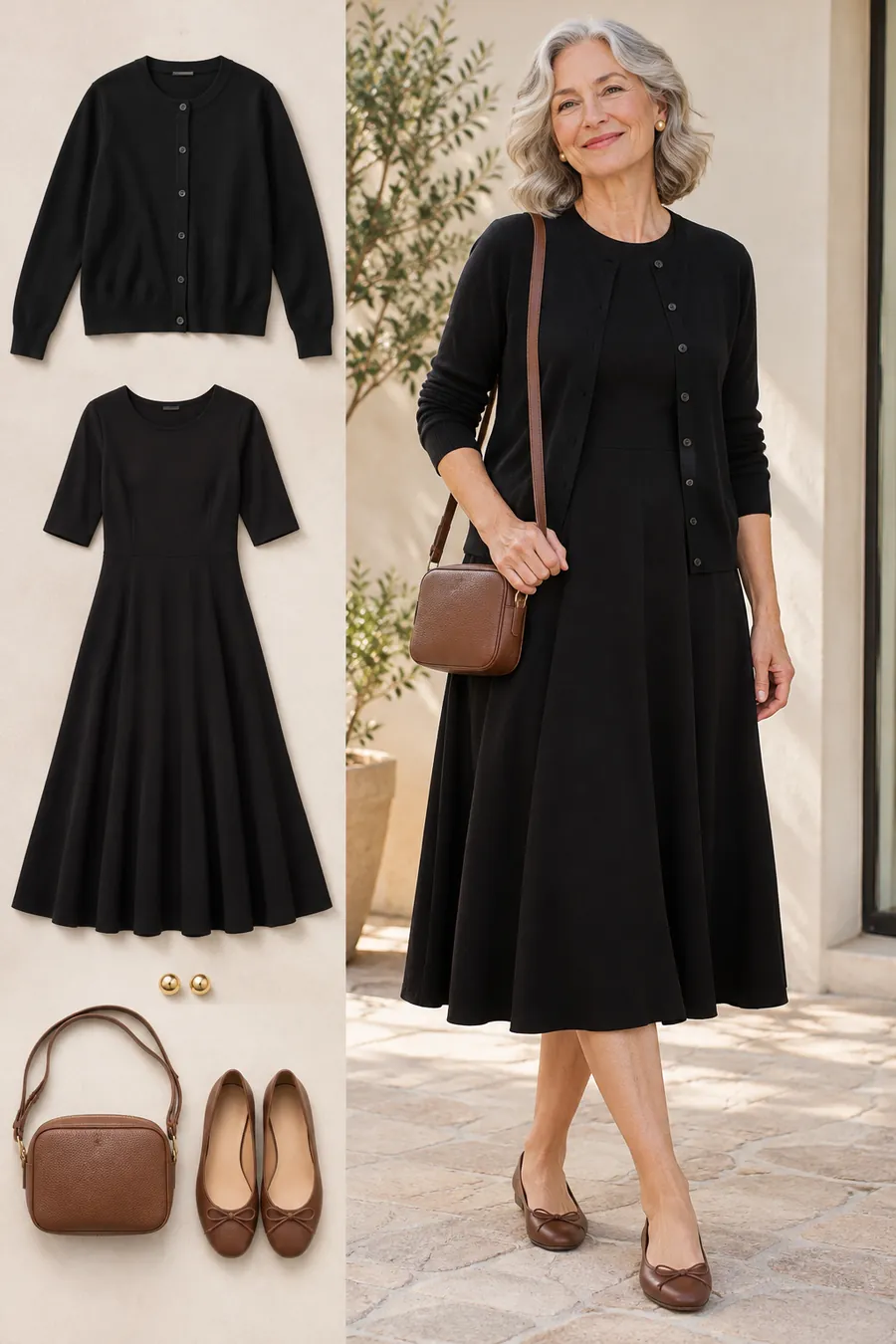
Before you buy: Choose this dress shape if you like room through the skirt. If you never wear dresses, put that budget into a second pair of trousers you can wear to the same occasions.
9. Black single-breasted blazer and 10. Striped knit top
A simple black blazer can dress up jeans, but only if you can wear it over your normal tops. Try it buttoned and open, with your elbows bent. If the sleeves bunch over thicker knits, decide whether you need room for layers before sizing up.
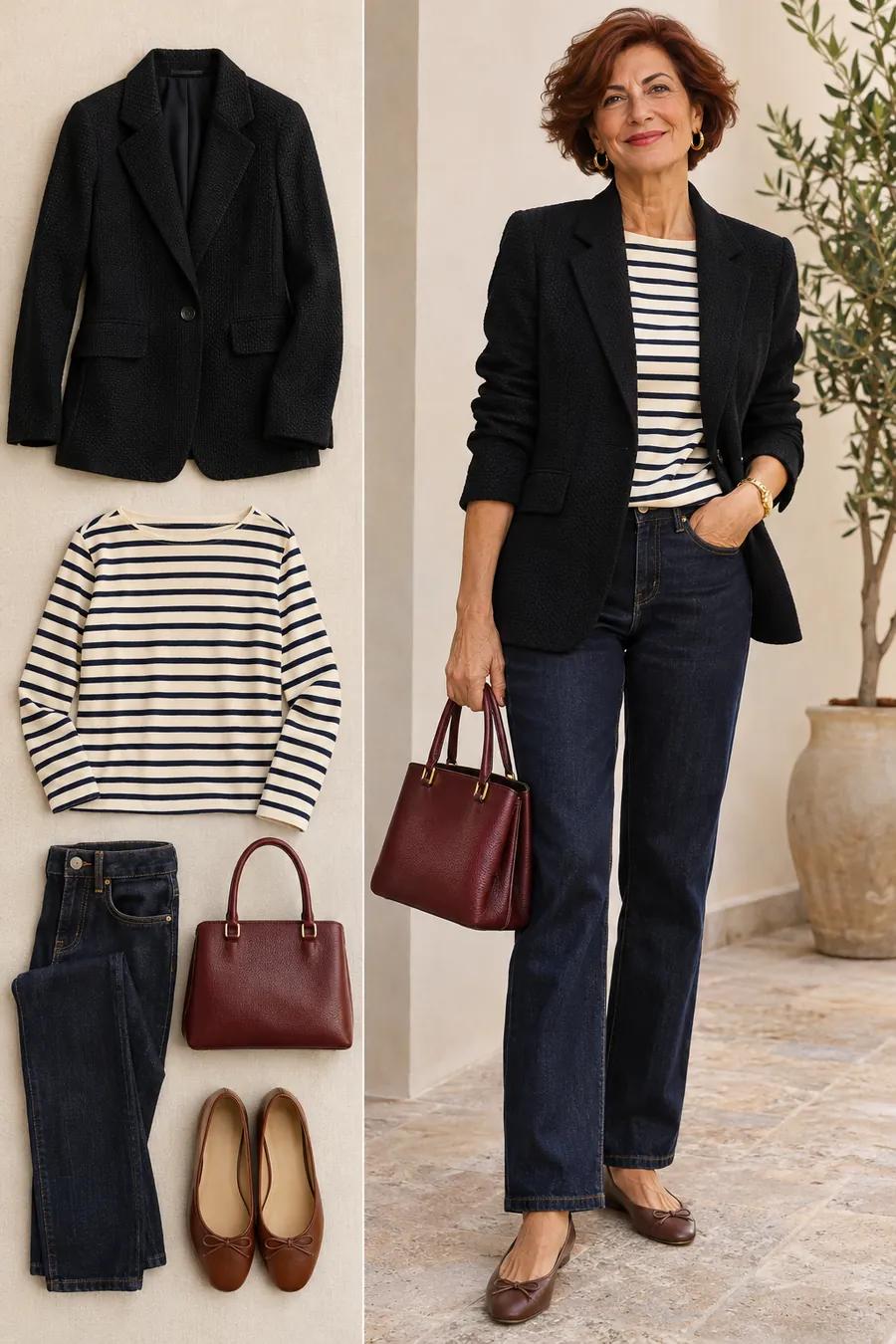
Before you buy: Look for a stripe with enough space between lines to read clearly under the lapels. If a boat neck slips off your shoulder, a crewneck gives the same color combination with a steadier fit.
Warm-weather pieces, shoes and lighter layers
11. Linen-blend drawstring pants and 12. Olive tank
Try the trousers with the flat sandals you own before deciding on the length. Check the pocket bags and seat in daylight. A loose leg can feel comfortable in warm weather, but a drawstring is more casual than a tailored waistband.
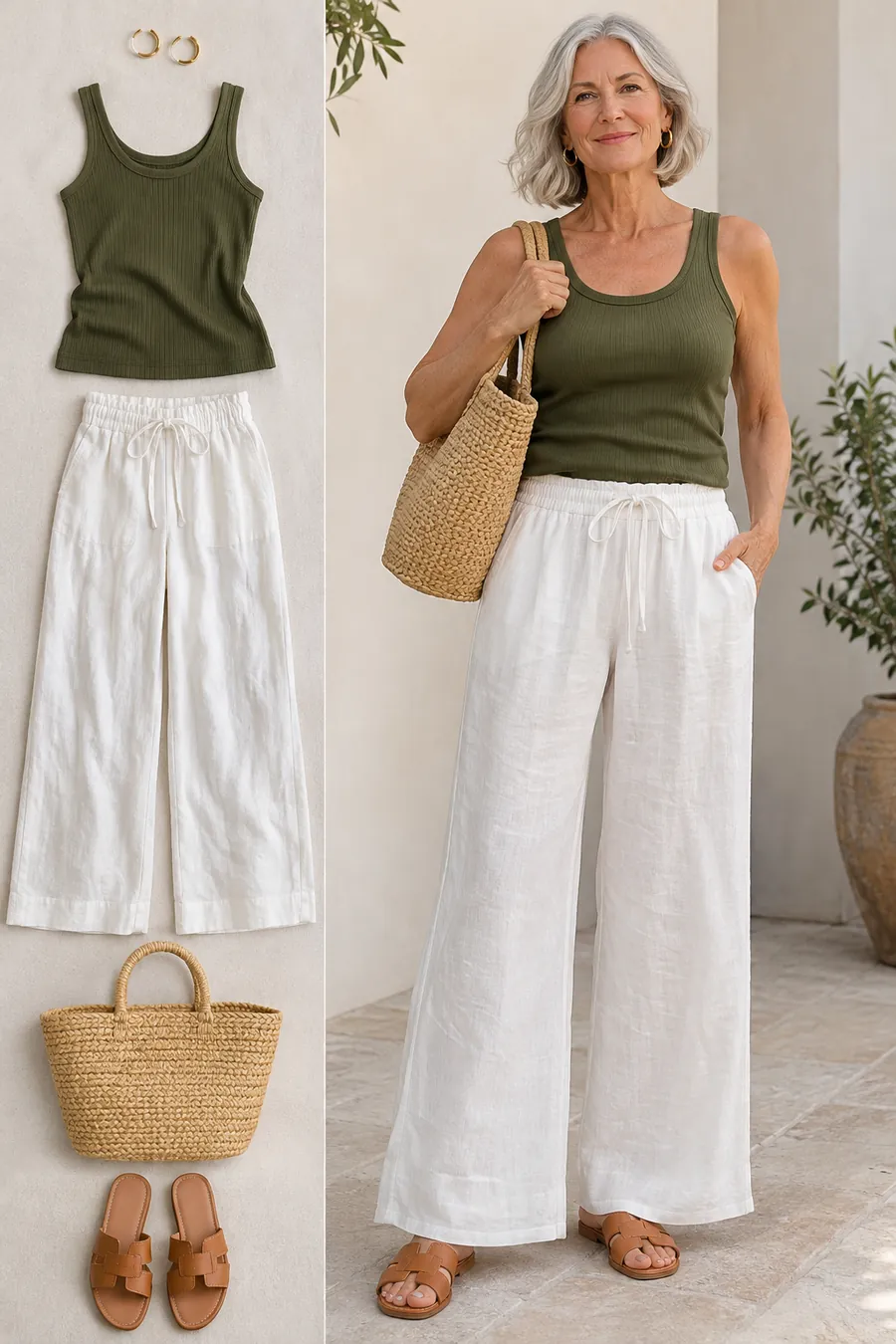
Before you buy: Try the olive tank under a white shirt as well as on its own. Check that the straps cover your usual bra and the armholes stay put when you reach.
13. White canvas sneakers and 14. Blue belted shirt dress
Low-profile white lace-ups work with a shirt dress because the sole leaves the hem as the focus. Try the shoes with your usual socks. Check toe room, heel hold and whether the insole works for your feet before relying on them for a long walk.
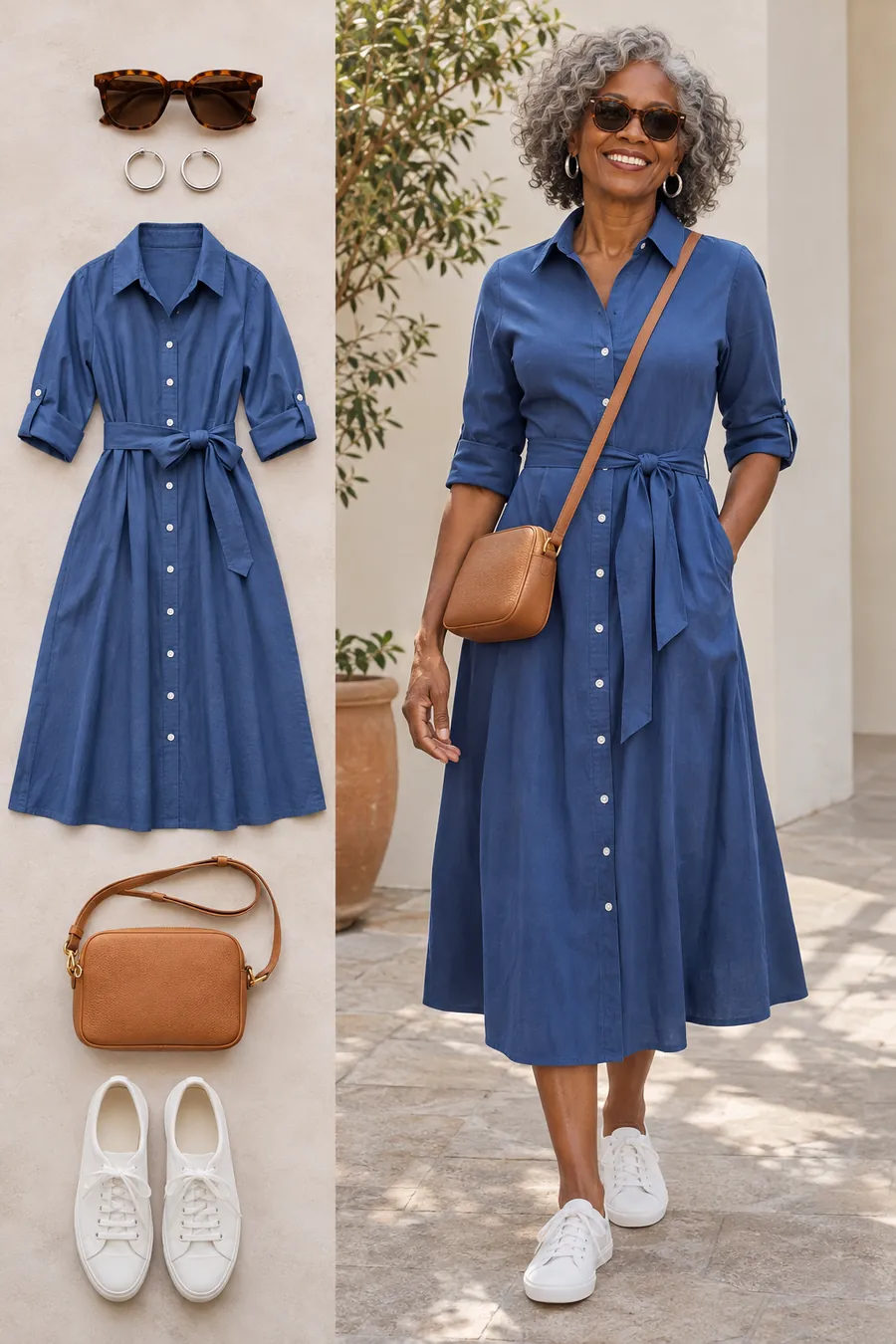
Before you buy: For the dress, test the buttons at the bust and hip while sitting. If the belt keeps slipping, pull it through the loops and tie a simple side knot or wear the dress without it.
15. Chestnut ballet flats and 16. Chocolate midi skirt
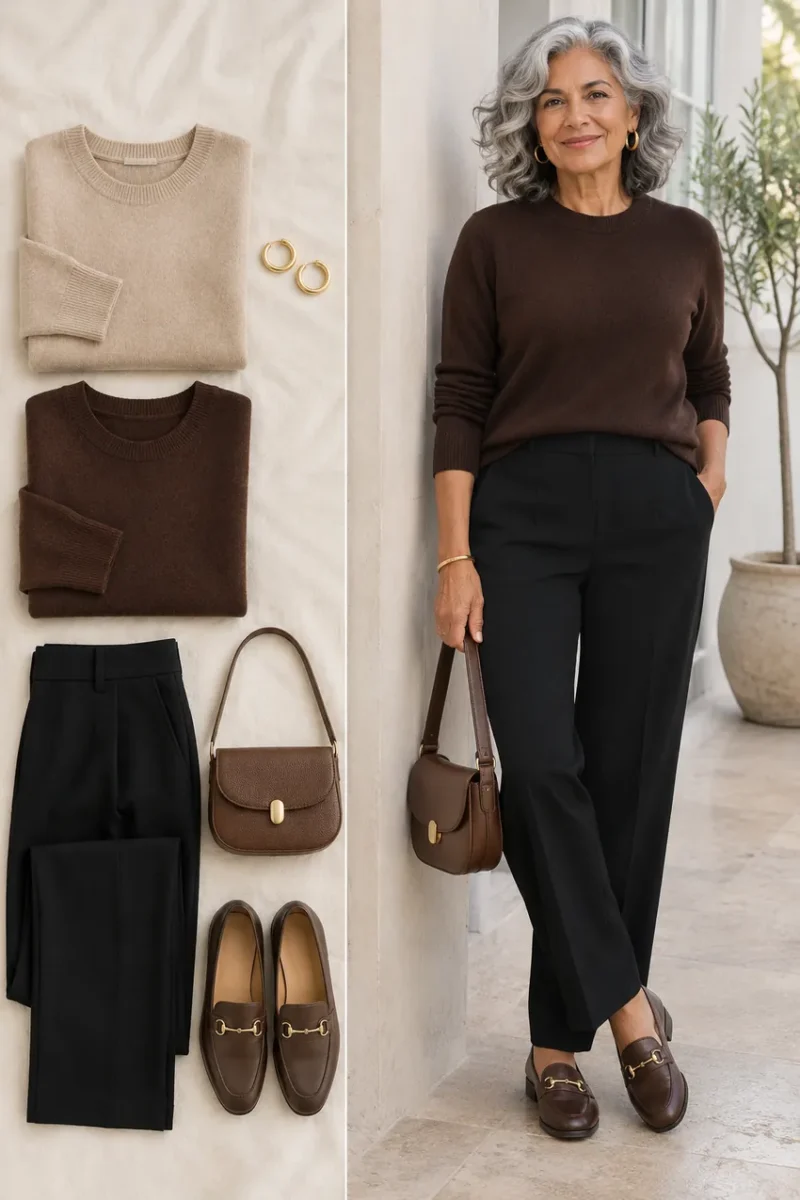
Brown flats soften the transition between a chocolate skirt and a pale shirt. For a shoe meant to do a lot of work, check heel slip on stairs and whether the top edge presses across your foot. If you need more hold, try a strap or a loafer.
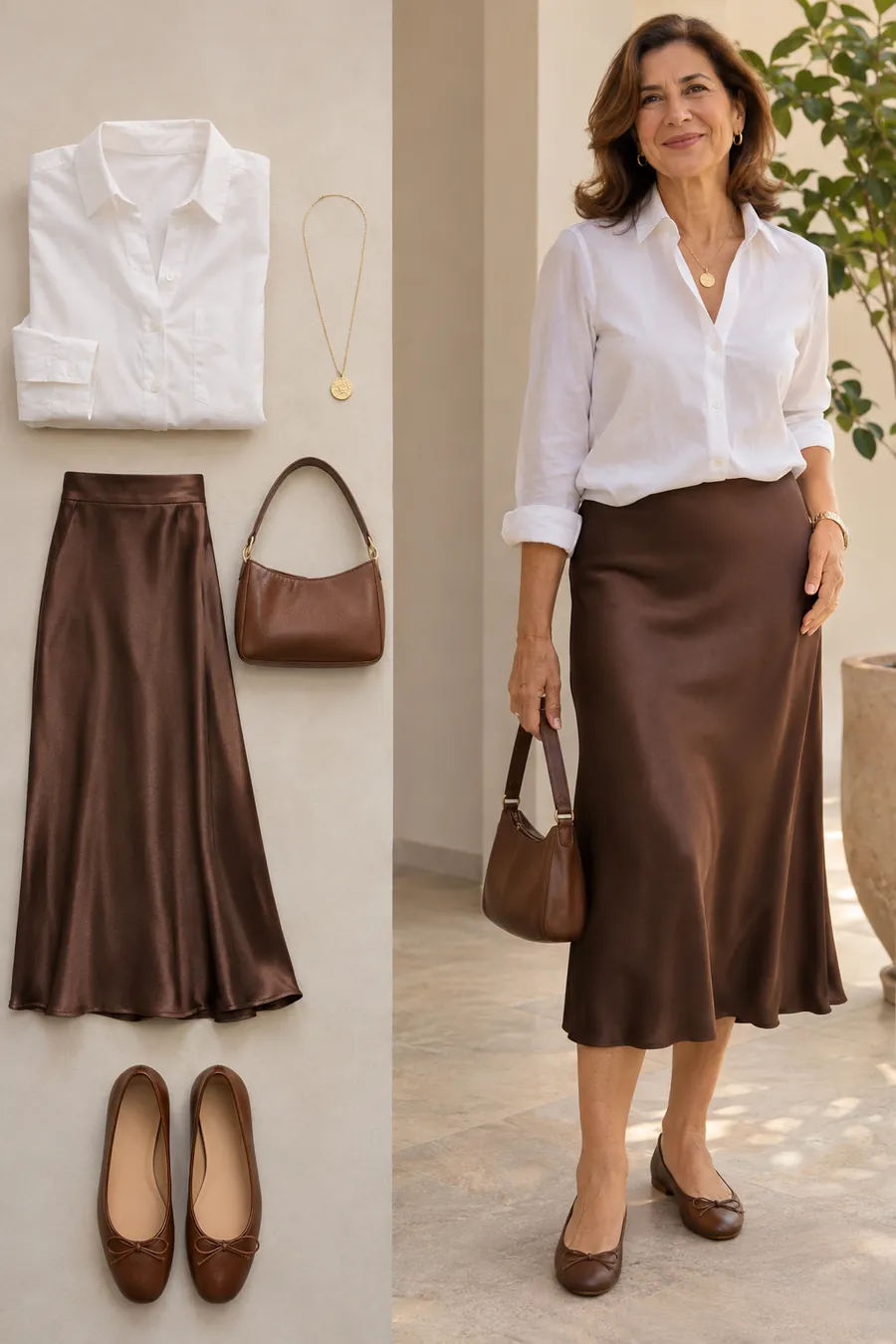
Before you buy: Look at the skirt from the side after sitting down. You want enough room that the fabric hangs smoothly when you stand. A matte skirt gives a similar outline if you prefer a quieter finish.
17. Medium-wash denim jacket and 18. Olive chinos
A denim jacket is useful over a tee and with chinos because the different fabrics keep the outfit from reading as a matching set. Check you can reach forward and that the cuffs clear your wrists. Wear the jacket over the actual layers you use.
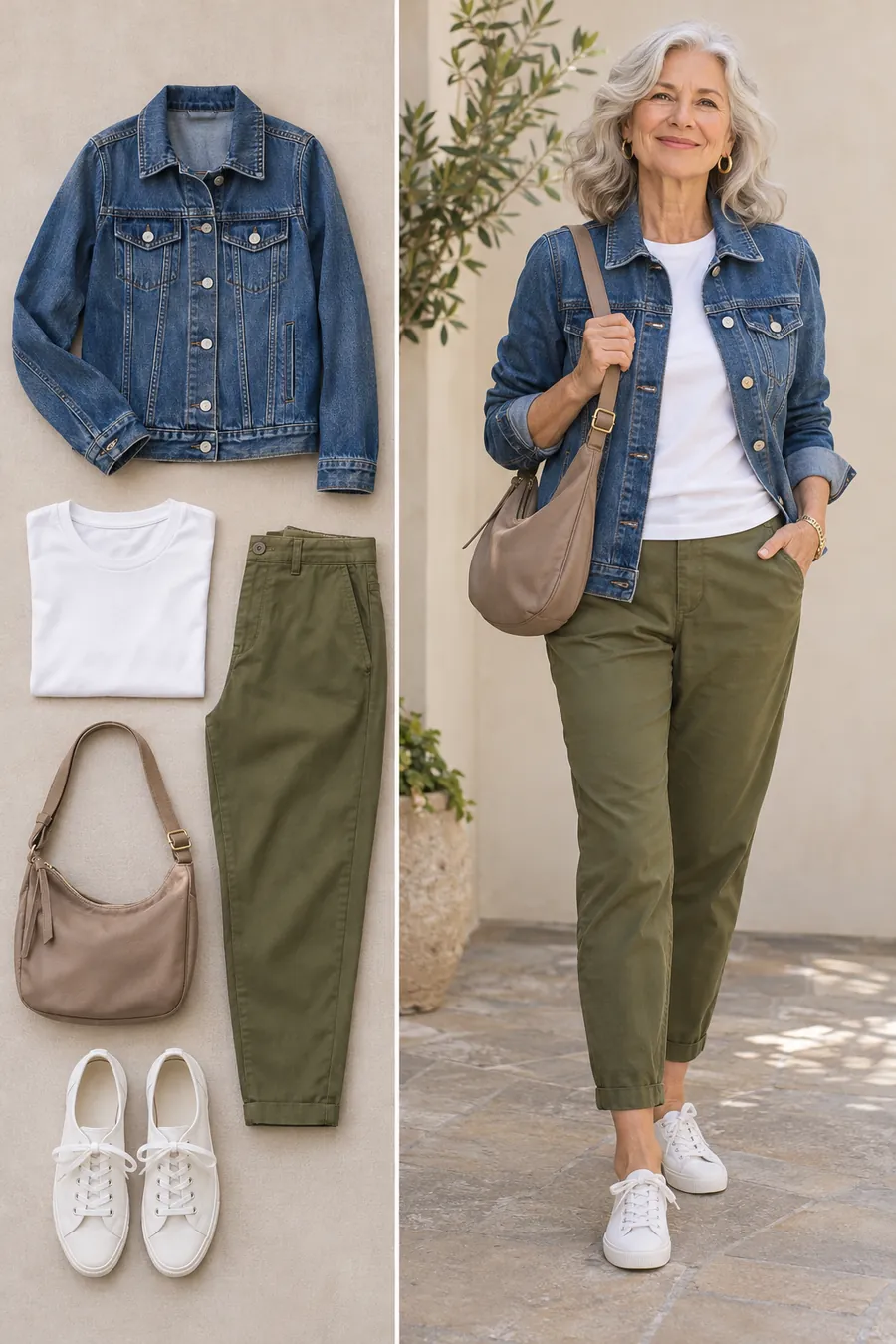
Before you buy: Look for chinos with a little clearance in the thigh and an inseam that sits neatly above your sneaker. If the hem piles up over the shoe, try a shorter length instead of turning up a bulky cuff.
19. Belted trench coat and 20. Striped scarf
For transitional weather, a trench is most useful when it fits over your usual sweater or jacket. Close it, cross your arms and check mobility. If you want rain protection, look for a stated water-resistant finish and a hood or room for an umbrella.
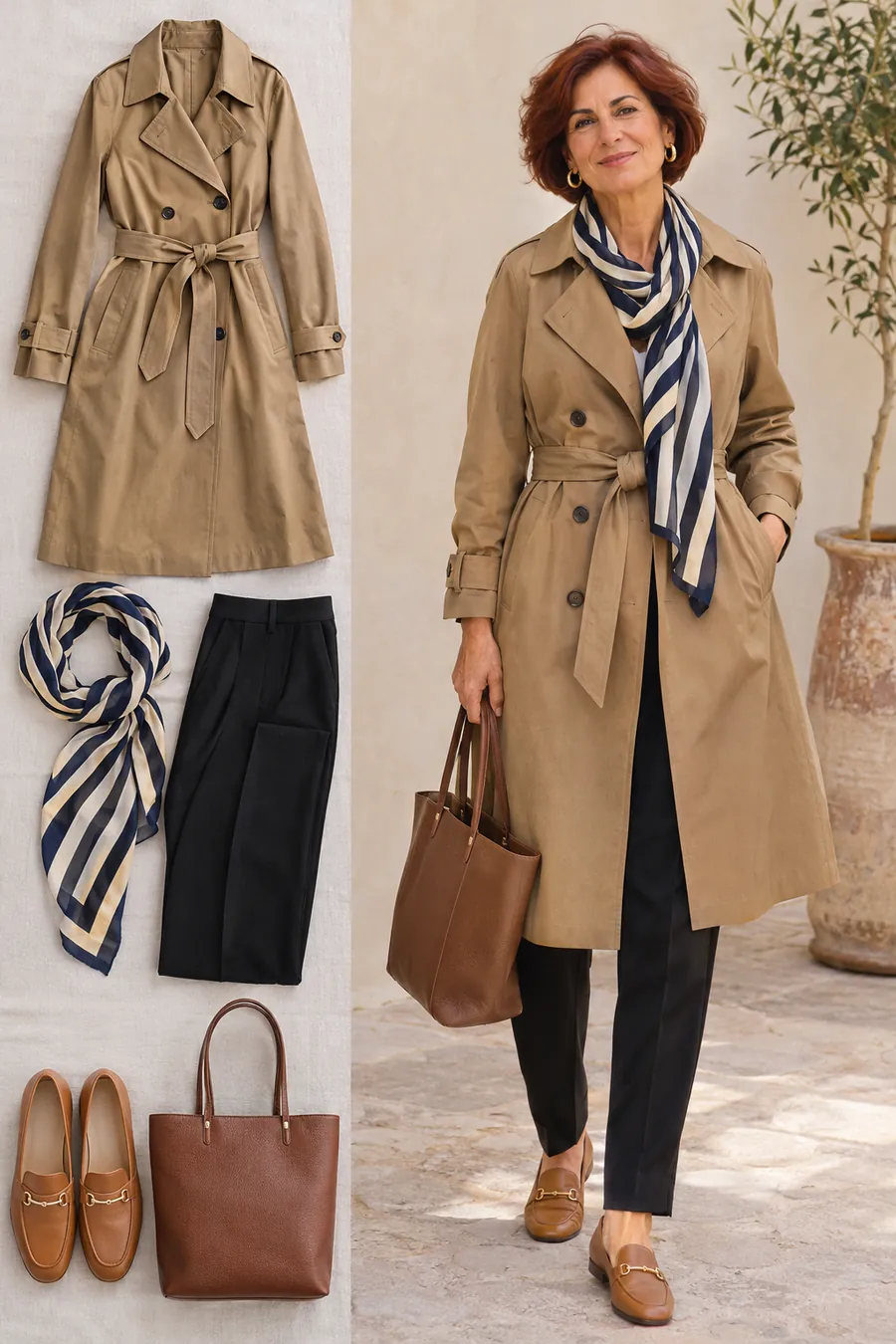
Before you buy: A light scarf earns its place if it works with the trench and with at least one sweater. Check that it stays outside the collar without making the neckline feel cramped.
Finishing pieces that make outfits work
21. Cognac ankle boots and 22. Brown belt
An ankle boot should work with the hem of your most-worn jeans. Try both together, walking and sitting. Check where the shaft meets the hem. If the jean catches on the boot, try a lower shaft or a slightly wider opening.
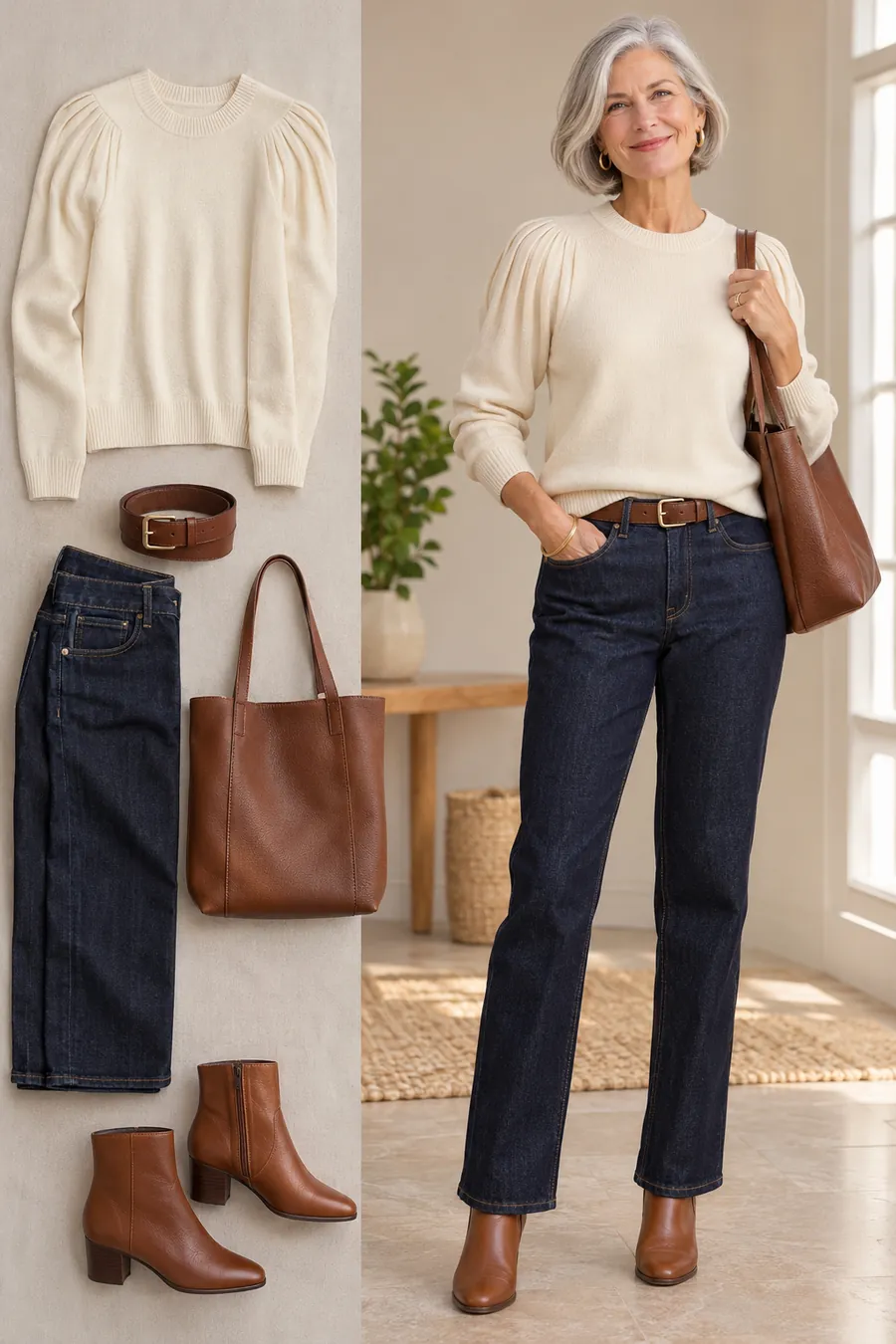
Before you buy: When you buy a belt, measure where you intend to wear it. High-rise jeans and lower trousers can need different lengths. A buckle you can fasten easily is more useful than one that just looks good in a product photo.
23. Tan loafers and 24. Structured work tote
Loafers are a practical option when you like a flat shoe with more coverage than a ballet flat. Check the shape over the instep and the bend across the toes. Try them on with the socks or liners you expect to use.
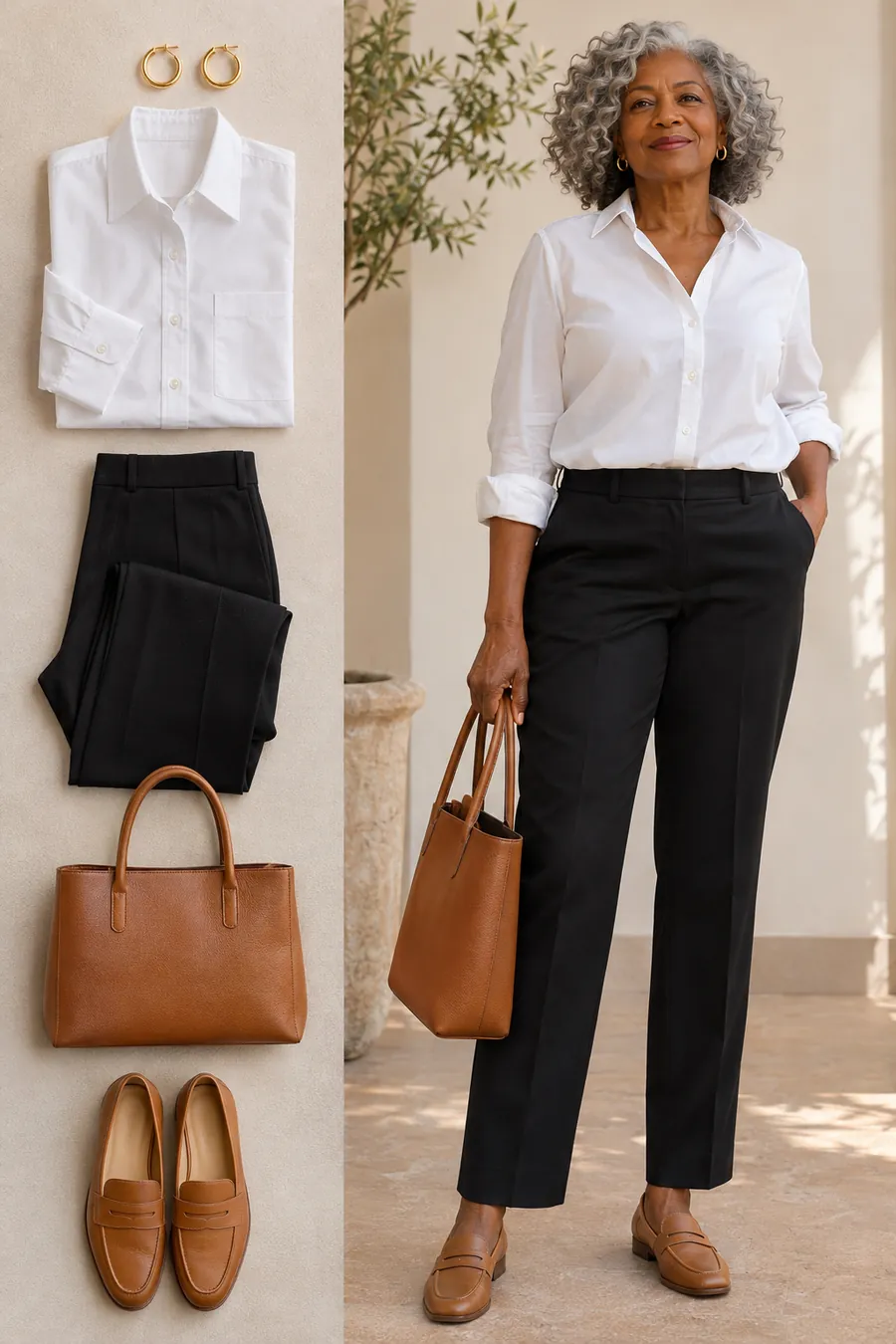
Before you buy: Measure the things you carry before buying a tote. A bag that fits your tablet but has awkward straps or no closure may spend more time at home than a smaller bag you can comfortably carry.
25. Zip crossbody bag and 26. Small gold hoops
Look for a crossbody that can hold your phone, keys and wallet without pushing the zipper open. Test strap length over a coat as well as a tee. A shorter strap can keep the bag from bouncing at your hip.
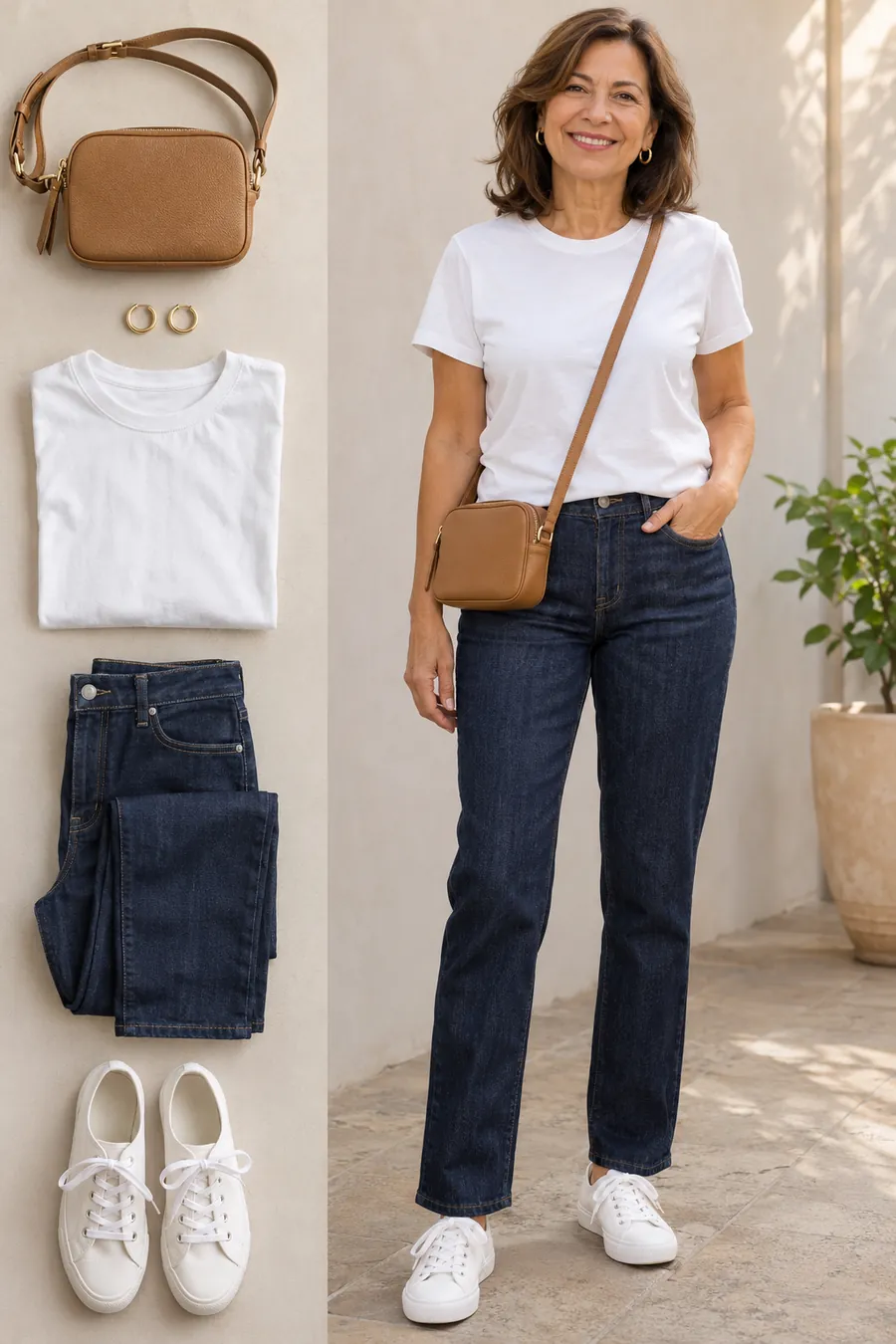
Before you buy: If you prefer light jewelry, look for small hoops with a closure you can operate yourself. Try the size with your glasses or scarf to see whether they catch.
27. Camel wool-blend coat and 28. Burgundy handbag
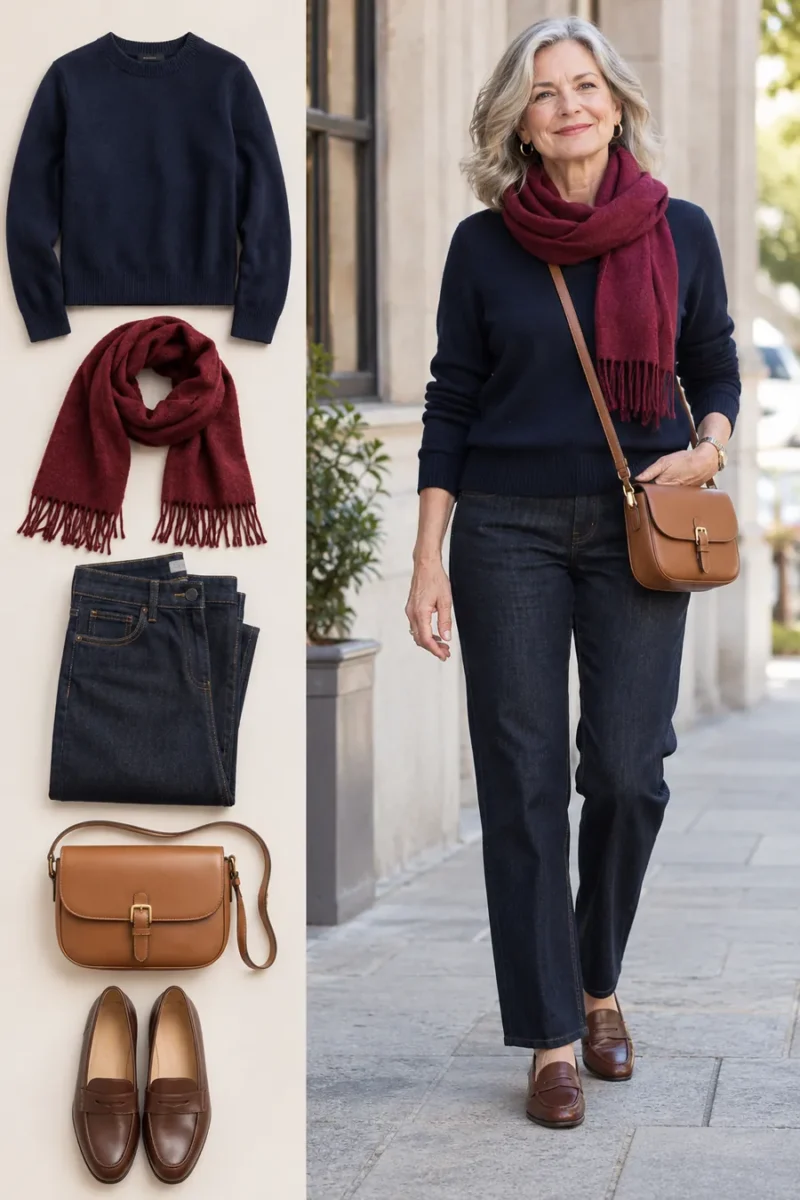
A camel coat brings warmth to a black dress and gives a burgundy bag a clear role. Check the label for the blend and care requirements. Wear the coat over the dress or sweater you will actually take out in winter.
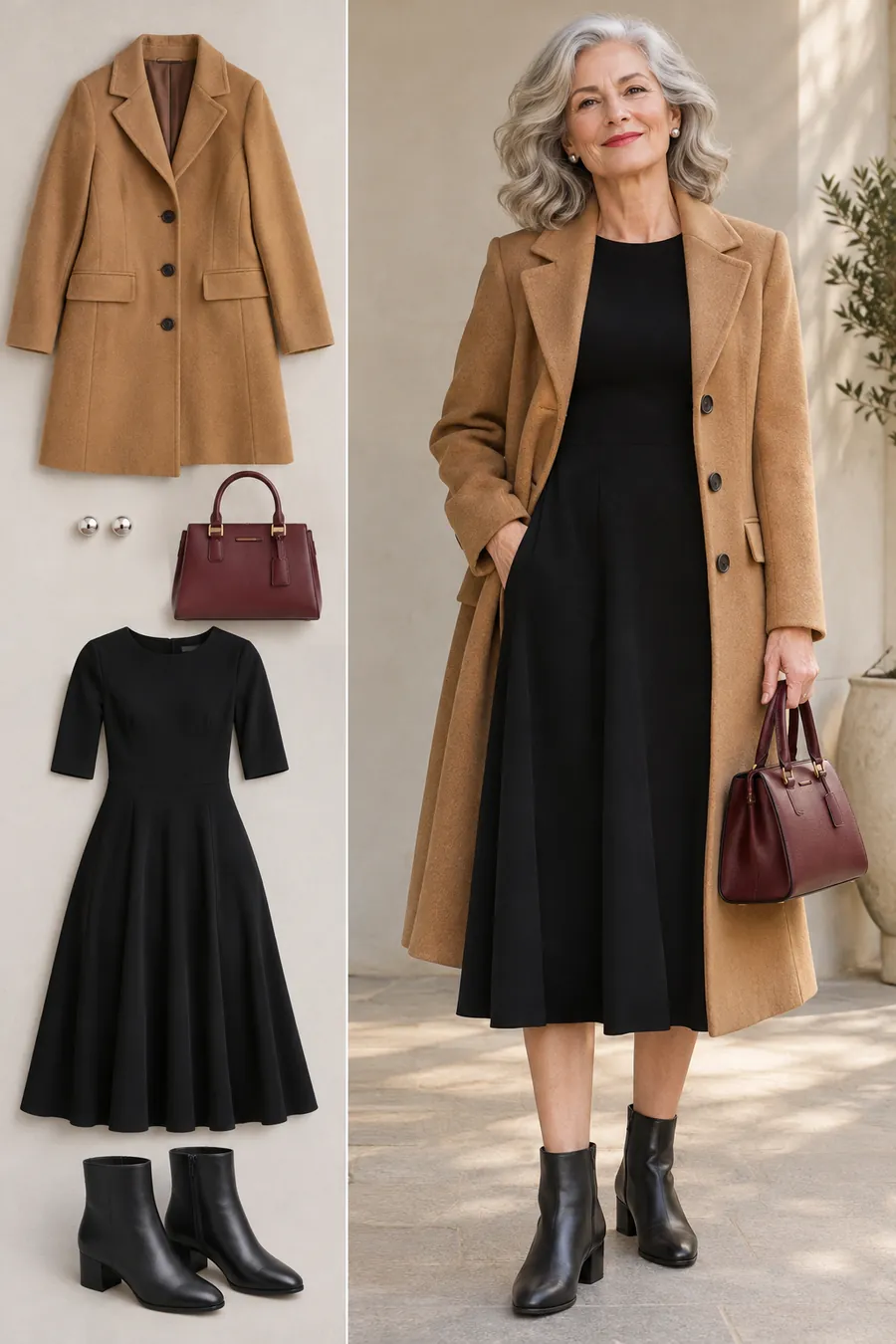
Before you buy: Consider a burgundy bag only if you can name two things it already works with. Navy, gray and cream are reliable starting points. If your existing brown bag does the same job, start with that.
29. Smooth camisole and 30. Seamless skin-tone underwear
A smooth camisole and low-seam underwear can make lightweight shirts and trousers easier to wear. For pale fabric, compare the underlayer with your own skin tone in daylight. Be sure the camisole neckline stays hidden when the shirt opens at the collar.
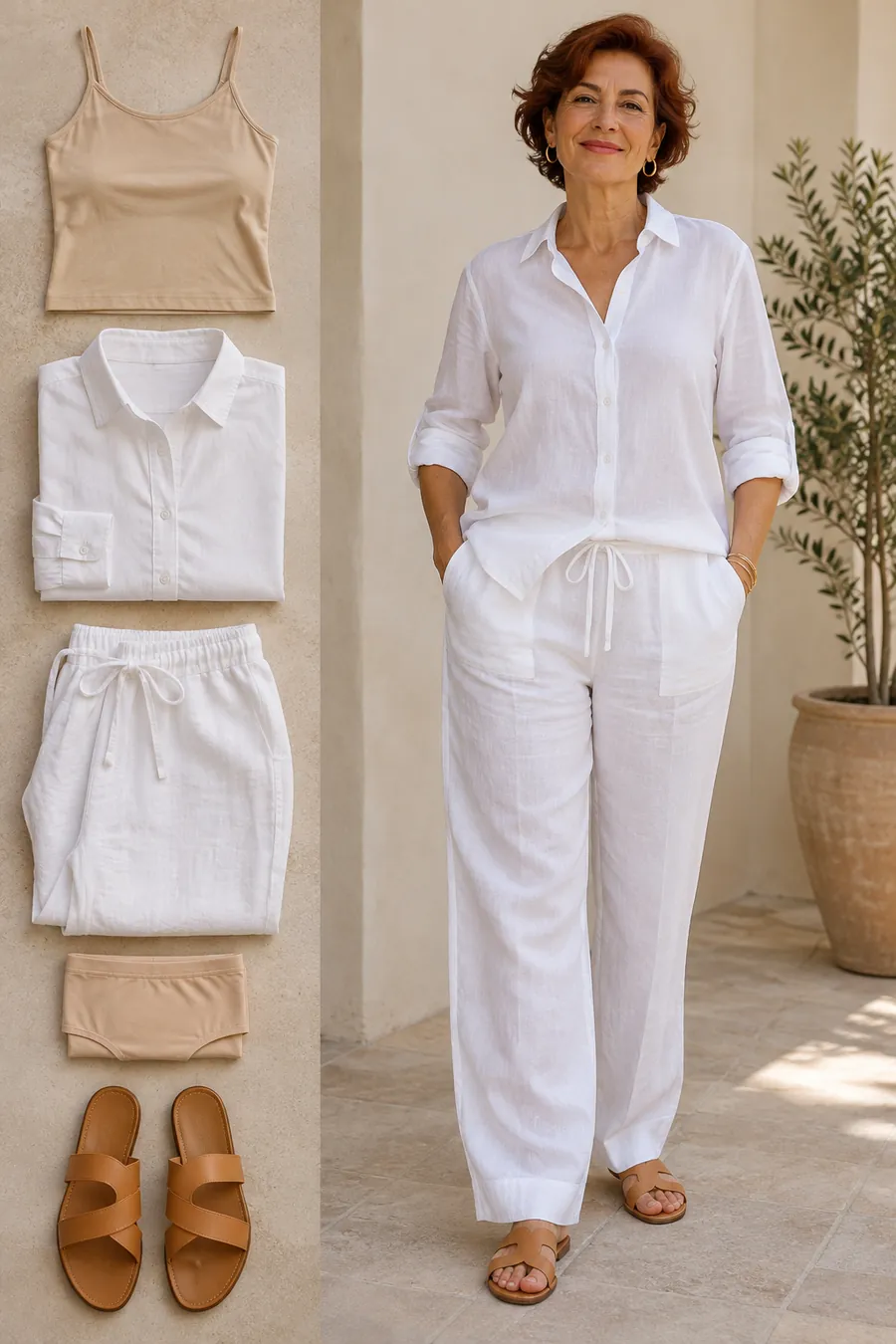
Before you buy: Check the waist and leg openings seated. If the outline is still visible and that bothers you, a denser or lined outer garment may solve the problem better than buying more underlayers.
Turn five essentials into three outfits
Use a white tee, dark jeans, black trousers, a black cardigan and chestnut flats. On a casual day, wear the tee with dark jeans and flats. For an appointment, keep the tee and flats, change to the black trousers and add the cardigan. For a dinner out, button the cardigan as a top, wear the dark jeans and add earrings you already own. Try a camisole underneath if the buttons pull or the knit feels sheer.
When a new piece arrives, try it with the shoes and layers you usually wear. Keep the tags on while you sit, walk and reach. If you have to buy two more items before it works, leave it on your wish list and solve the bigger wardrobe gap first.
Frequently asked questions
Do I need all 30 pieces?
Start with one gap. For someone who works from home, dark jeans and a comfortable shirt might get more wear than a blazer. Keep the pieces that serve your routine and substitute an item you already wear for the rest.
How many colors should my essentials have?
Start with two neutrals that already appear in your wardrobe. Navy and cream, black and white, or olive and tan are easy examples. Add a color you already like wearing so the outfits feel familiar.
What should I buy online first?
Start with the type of item you can measure against a piece you own. A tee or a cardigan may be easier to assess than fitted trousers or unfamiliar shoes. Check the specific seller’s return terms before ordering.
Keep reading
See our 15 white outfit ideas, guide to adding color to a neutral wardrobe and fall capsule wardrobe guide.
Leave a Reply