

This post may contain affiliate links. If you buy through them, we may earn a small commission at no extra cost to you. Read our disclosure.
Aging well can show up in a familiar activity you’ve adapted, a meaningful relationship you make time for or a practical change that lets you handle more of the day on your own terms. Two people can have very different needs and still be doing well.
Use these 12 signs as reflection prompts and the last three examples to pick a small next step. Think about what matters in your own life and what resources, support or adjustments make it easier to do.
Affiliate disclosure. As an Amazon Associate I earn from qualifying purchases. AI-generated photos illustrate the ideas. The paid links lead to relevant Amazon product listings or searches for similar items. Check the color, fit and size on the listing.
In this post7 sections
What healthy aging means in practice
The World Health Organization’s healthy ageing framework focuses on being able to do what you value in older age. It considers both individual capacity and the environment. The CDC’s Healthy Aging at Any Age guide describes supportive habits including activity, regular care and routines for sleep. These prompts apply that guidance to ordinary situations and leave room for different abilities and needs.
Find a place to start
| Situation | What to try | What to check |
|---|---|---|
| A favorite activity has become harder | Change the route, timing or setting | Keep the part of it you look forward to |
| Your week feels isolated | Arrange a short regular check-in | Choose a time both people can repeat |
| Appointments feel hard to track | Put notes and follow-up details in one spot | Make it easy to bring the right paperwork |
12 ways aging well can show up
1. You adjust a familiar activity
You swap a route, shift the time or choose a shorter visit when an activity becomes harder. A walker who liked a hilly park might switch to the flatter path and keep the same meeting place with a friend. The useful signal is being able to preserve a meaningful part of the routine while responding to changed conditions. Think of an activity you miss and identify the factor that got in the way, such as stairs, distance or timing.

2. You make a change to stay independent
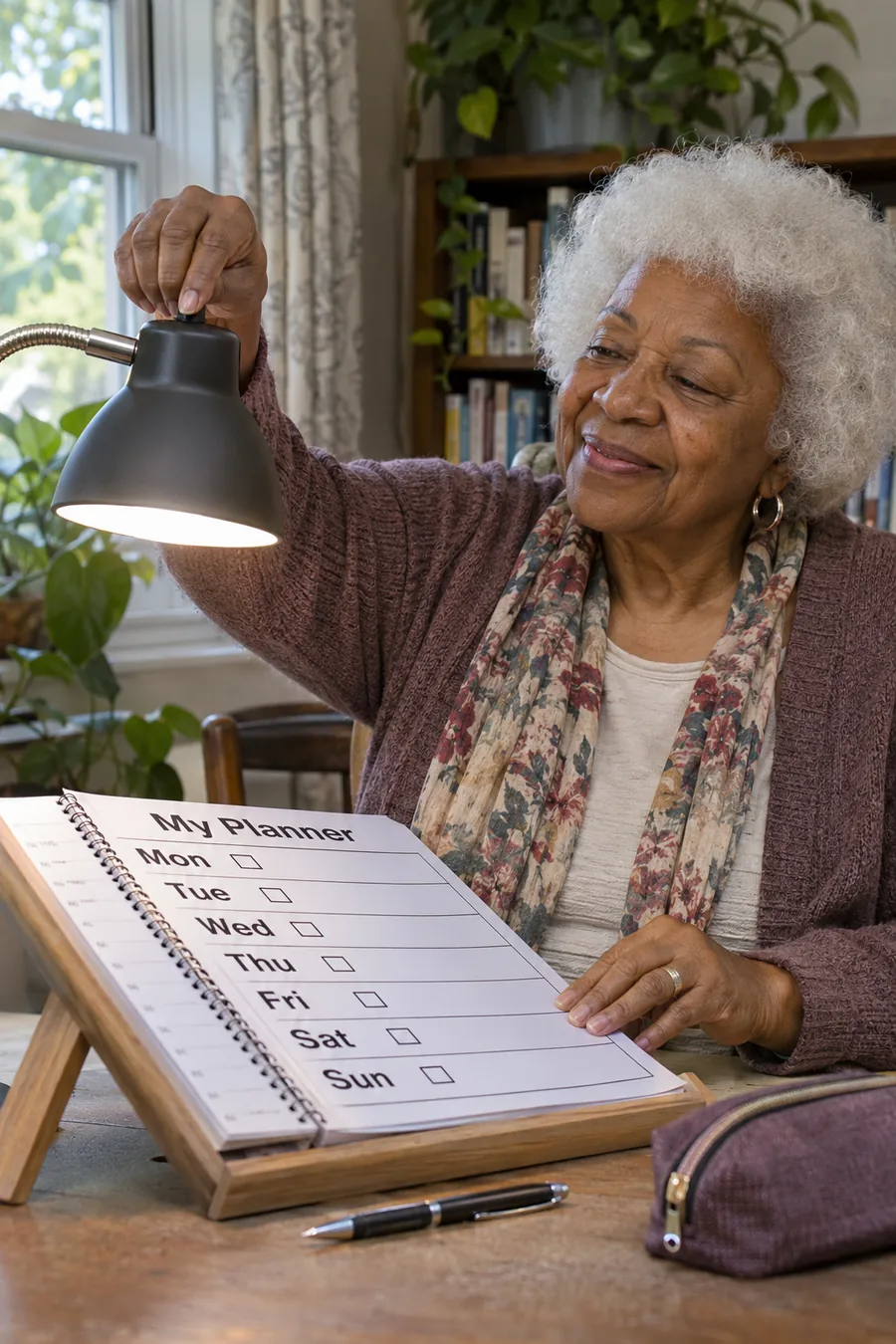
Better lighting, easier-to-read printing or a comfortable place to sort mail can make one daily task more workable. Try moving a lamp before replacing the whole desk setup. Put a large-print planner where you’ll use it rather than storing it with other supplies. If you need help with a task, being able to arrange that help is another form of practical independence. Start with the task that matters to you and design the surroundings around it.
3. You keep a connection on the calendar
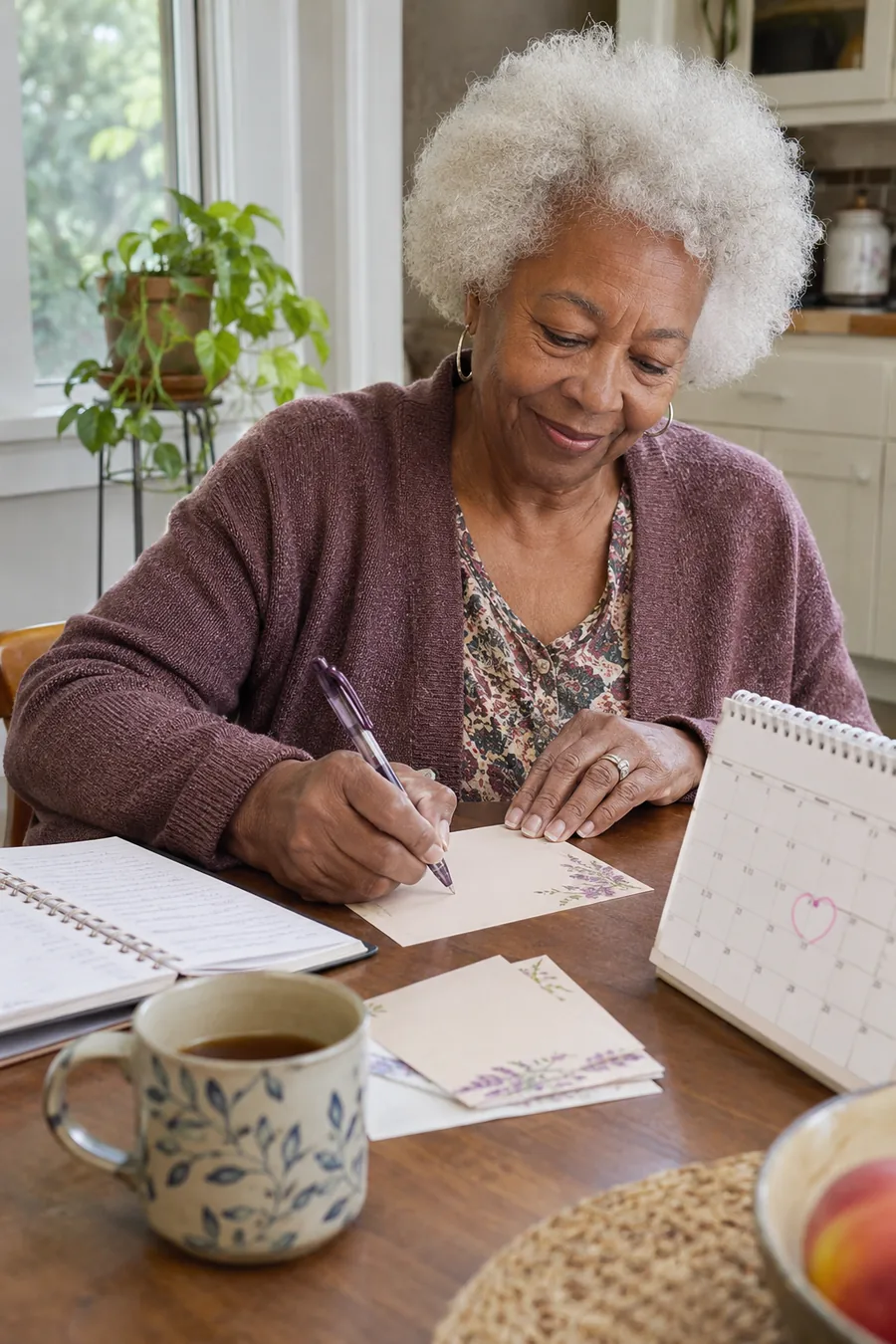
A scheduled call, a letter or a short regular visit can be easier to sustain than trying to organize a big gathering. Pick a time when both people tend to be free and ask about their preference. If the two of you manage one enjoyable conversation, put in the next date while you’re still talking. The goal is a connection you welcome, whether that’s a neighbor, a relative, a friend or a shared-interest group.
4. You use practical support
Being willing to share an errand or arrange a ride can help you keep doing something you value. Choose one request that a willing person can answer clearly, such as a lift to the library on Tuesday before noon. Write the time and address on one card. If the request is part of a longer pattern, work out how you’d both prefer to arrange it. Asking about their schedule and options helps make the agreement workable.

5. You recover from a change in plans
A canceled appointment or a rainy afternoon can throw off plans, especially when you’ve already put effort into getting ready. You might give yourself a few minutes to be disappointed, then decide whether to reschedule, shorten the outing or do one part at home. A planner helps if you like seeing the next date written down. The ability to change the plan without dropping every part of it can make the week easier.

6. You protect a bedtime routine
You notice which evening cues make it easier to get to bed at a time that works for you. A brief reading routine or setting out tomorrow’s clothes can give you a recognizable ending to the day. Try changing one cue for a week so it’s easier to see what fits. If poor sleep keeps interfering with your day, discuss it with a clinician, especially when a change in your schedule hasn’t helped.

7. You choose movement that fits today
Today might suit a short walk with a friend, a lighter session or another movement option you already know is safe for you. The CDC guidance for adults 65 and older includes aerobic, muscle-strengthening and balance activities and encourages movement that matches personal abilities and conditions. Pick a familiar option and a route where you can stop when you need to. Ask a health professional for guidance if a symptom or new condition makes you unsure what is safe.

8. You keep learning for pleasure
Choose a small project with an obvious stopping point. Paint one watercolor card, learn two words in a language you like or spend one library visit exploring a new subject. Think about whether you enjoyed the experience and would like to return to it. Learning for the pleasure of it gives you permission to choose a shorter class, one that meets during daylight or a project you can do at your own pace.

9. You make routine care doable
A single folder for appointment details and a short list of questions can help you remember what you want to ask. Bring the list in a bag you can open easily or ask a trusted person to come along if that helps you. The specific care you need depends on your circumstances and clinician’s guidance. One practical habit is writing down where you can find follow-up instructions and the best way to contact the office.

10. You eat with a plan you can repeat
A repeatable plan might look like using a few familiar ingredients on Monday and saving a portion for Tuesday. Put the containers somewhere easy to reach and write down the meals you actually enjoy making. Keep choices flexible around appetite, budget, access and any advice you’ve received about your diet. For some people it helps to share a meal or ask a neighbor to include an item in a grocery run.

11. You choose what matters this week
You can decide what deserves the energy you have this week. Put one important plan in your notebook, then look for anything you can shorten, move or share with someone else. You might keep a family visit and ask to skip an extra stop. The small decisions give you a way to stay involved with the things that matter most, including on weeks when tasks take longer than you’d hoped.

12. You stay involved on accessible terms
Try a volunteer activity or club at a time and place you can reach. If a two-hour meeting is difficult, ask if you can join for the first hour or help with a task at home. When you can offer a defined piece of work, it can be easier for everyone to make a plan. A good fit might be a role that uses skills you already enjoy or lets you learn from someone else.

Three examples you can put into practice
An example for a difficult day
After a disappointing day, write down one thing that would make tomorrow simpler. That might be setting tomorrow’s book beside the lamp, checking the number for a ride service or leaving a short voice message for a friend. You can do it now if it takes very little energy, or set a time. A difficult day can include a useful next step even while you feel disappointed.

An example for rebuilding a routine
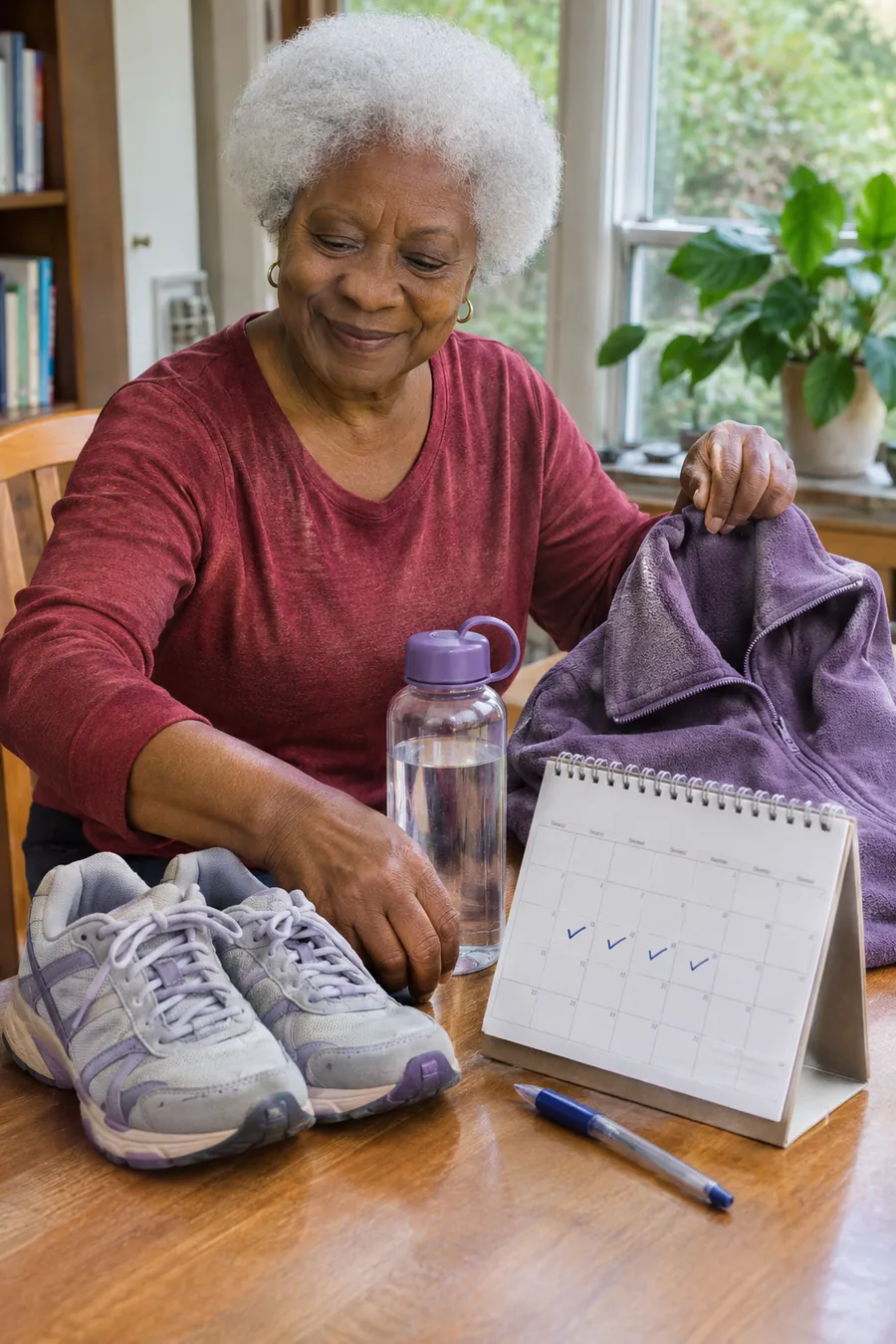
If a routine stopped during a tiring month, set a modest date to try a small piece of it again. For someone who misses a morning walk, that might be putting shoes by the door and choosing a familiar short route. If cold or rain makes that plan impractical, keep the time and use a safe familiar indoor option. Notice whether the hour or place is what makes the routine easier to repeat.
A weekly check-in example
Once a week, ask yourself what you could still do, where you needed help and what you’d change about the next attempt. Record one example for each answer. It could be attending a book club, arranging a ride or arriving before the room became noisy. Over time, these notes can show which changes make ordinary things doable. You can keep them for yourself or use them to sort out a practical request with a friend or clinician.

Choose one thing to make easier this week
Write down one activity you value, the obstacle you keep meeting and an adjustment you might try. Put down a day when you can attempt it and someone you could involve if help would make it doable.
Next week, think about what changed. You might have kept the routine, found a different way to do it or discovered that you need more support. Any of those observations can help you decide where to start next.
Frequently asked questions
Is this a test for healthy aging?
These are reflection prompts. Your health, mobility, relationships and circumstances all play a role. Use a clinician’s guidance for questions about symptoms, health care or physical activity.
Can you be aging well while you need help?
Yes. Many meaningful activities are easier with practical support. Being able to find, arrange or share that support can help you keep doing what you value.
What can I try if I only have energy for one step?
Choose a small action that leaves a useful result, such as arranging one call, laying out papers or putting an activity in your calendar.
Keep reading
Nine habits that make getting older easier · Small daily rituals after 60 · Staying connected in later life








Leave a Reply