

This post may contain affiliate links. If you buy through them, we may earn a small commission at no extra cost to you. Read our disclosure.
Statement jewelry works best when you can see the piece clearly and wear it comfortably. One pendant, cuff, brooch or pair of earrings can change familiar clothes. These 15 outfits show ways to choose a focal point, with practical checks for scale, fastening, fabric and honest material descriptions. Use the images as illustrations and check retailer details for the actual items linked.
In this post5 sections
15 outfit ideas to adapt
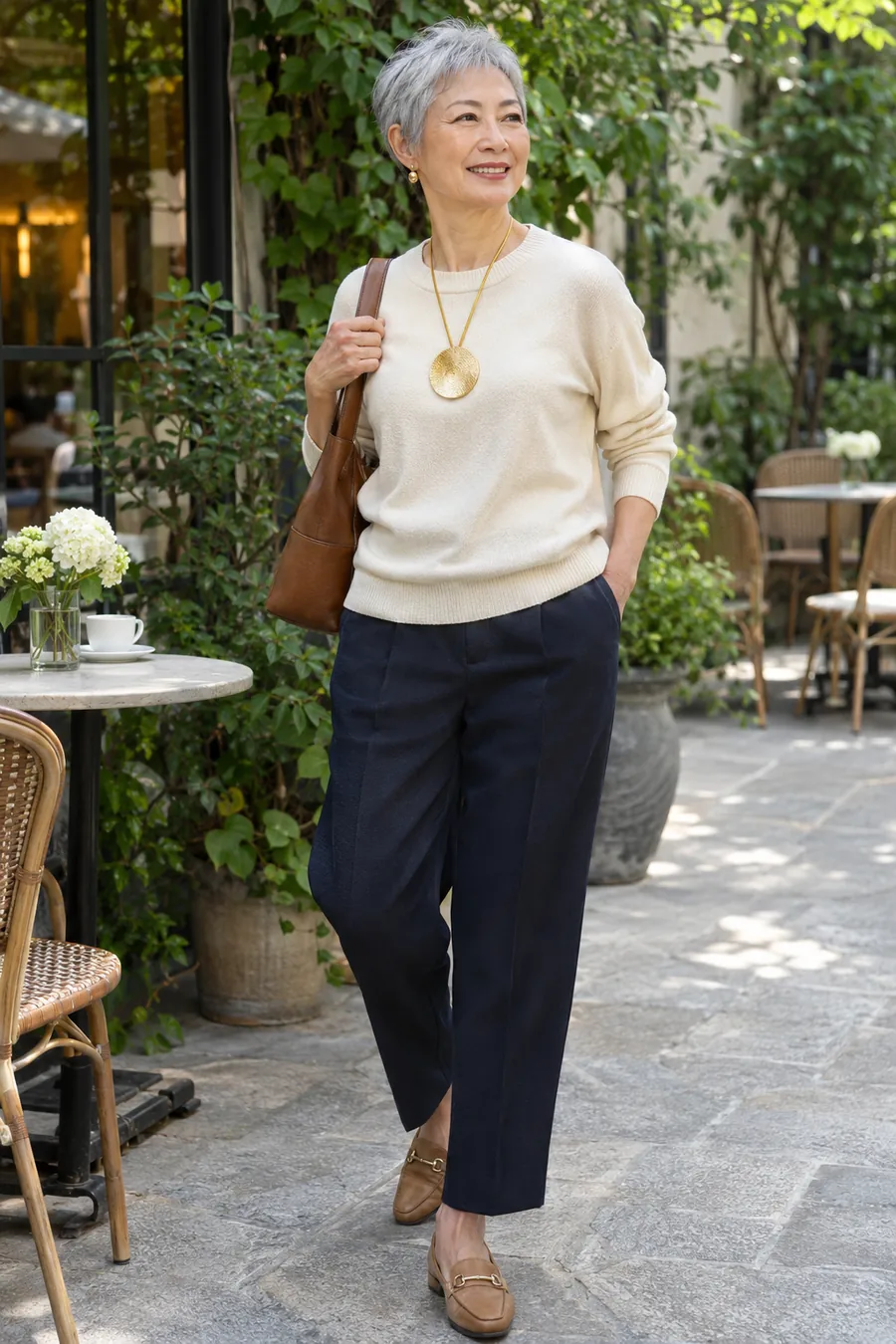
1. A sculptural pendant on a plain knit
Shop this look
Check dimensions, weight and fastening before choosing from a close-up photo. Start with the main piece if it fills a wardrobe gap; use your existing supporting pieces where they work.
A sculptural pendant is easier to appreciate against a plain cream knit. Check the chain length seated and standing, then make sure the pendant does not catch the fabric. Navy trousers and tan loafers let the necklace supply the main detail.
The bag can be one you already own. Compare the pendant's dimensions and weight before ordering; an enlarged photo does not tell you how it will feel after an hour. Begin with one visible focal piece and add only what you enjoy.
2. Bold earrings with a white shirt

Shop this look
Read the actual metal, finish and decorative-stone description. Start with the main piece if it fills a wardrobe gap; use your existing supporting pieces where they work.
Bold earrings can give a white shirt and jeans a clear finishing detail. Try them with your usual hair arrangement and turn your head to check for catching. Read the size and weight, and check the post and backing materials if particular metals bother your skin.
Brown loafers and a tan tote keep the outfit practical. You can leave the neckline plain. A larger earring is an option at any age; comfort and your own preference decide the useful scale.
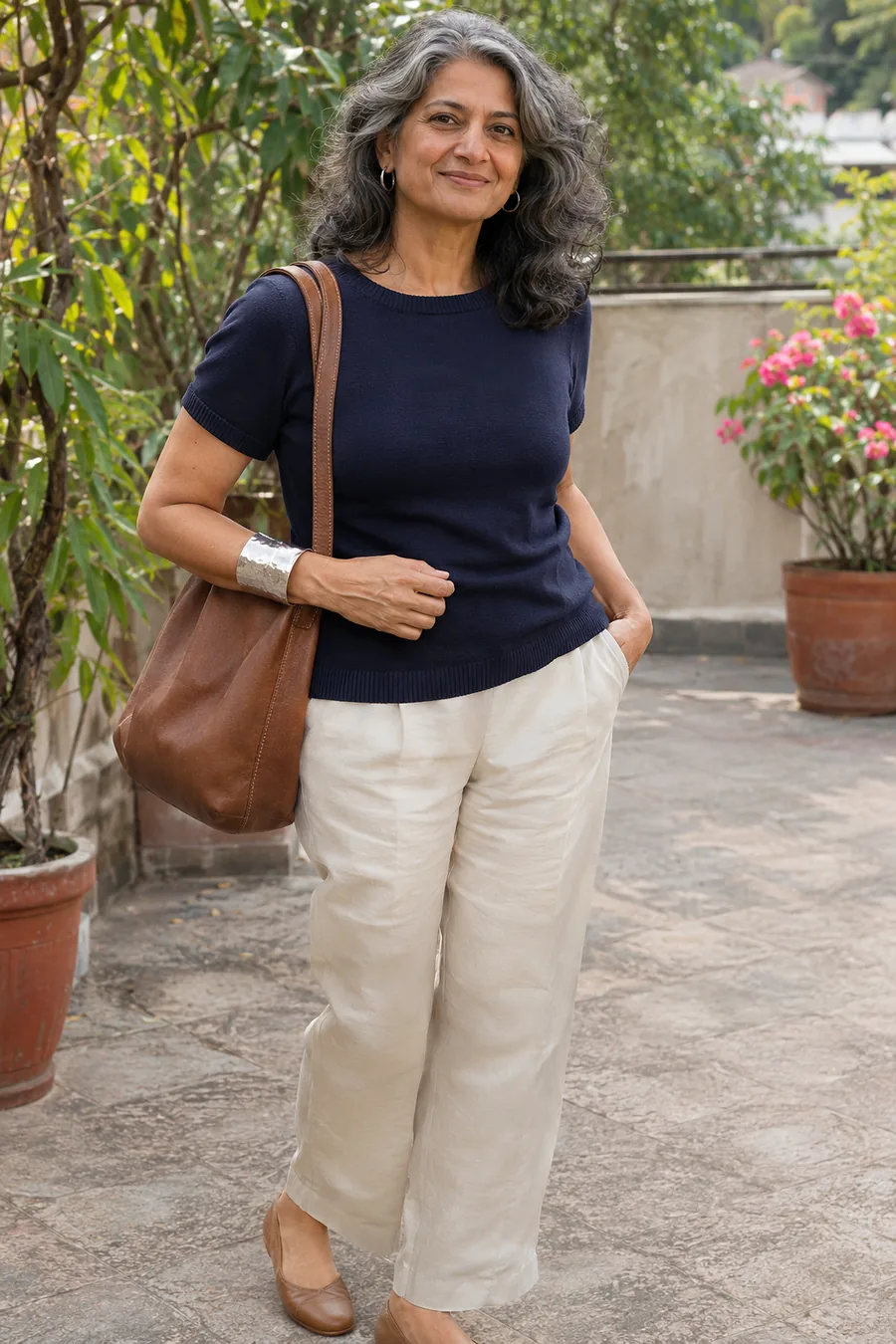
3. A silver cuff with navy
Shop this look
Try one focal piece with clothes you own before adding a matching set. Start with the main piece if it fills a wardrobe gap; use your existing supporting pieces where they work.
A wide silver-tone cuff shows clearly against a navy short sleeve. Put it on and move your wrist, including the motion you use to hold a bag or cup. It should not dig into your skin or keep sliding into the palm.
Cream trousers keep the outfit light. Check the actual metal and finish description rather than inferring silver content from color. A cuff you own may work well; the outfit does not require a new matching necklace.
Practical checks before you choose
Choose one focal point first
Start with the piece you want to wear, then try it against a plain top or dress. A necklace, earrings, a cuff or a brooch can each provide the main detail. You can add other jewelry if you like, but there is no requirement to fill every area. Take a complete outfit view rather than judging only a close-up. What looks balanced to you matters more than an arbitrary rule about age or face shape.
Use measurements and weight, not enlarged photos
Compare the listing's dimensions with a piece you already find comfortable. For necklaces, check chain and pendant length separately. For earrings, consider drop length, fastening and weight. For a bangle, check whether it can pass over your hand as well as fit your wrist. Wear the piece briefly at home and move normally before removing tags when return terms allow. A striking image is not evidence of comfortable long wear.
Read the actual material and finish
Gold-colored, gold-plated and solid gold are different descriptions. A colored fashion stone is not automatically a named gemstone. Read the post, backing, chain and other component materials when they matter to you. Avoid assuming that a broad hypoallergenic claim guarantees comfort for everyone. If a piece irritates your skin, remove it and seek appropriate advice for an ongoing problem. Styling is not a reason to keep wearing something uncomfortable.
Protect the garment as well as the jewelry
Check pendants, clasps and brooch pins for rough areas before letting them touch a delicate knit or silk. Make sure a lapel can support a brooch without sagging. GIA notes that jewelry cleaning needs depend on the materials, and some delicate pieces are unsuitable for ultrasonic cleaning. Use the maker's instructions or a qualified jeweler for the actual item. A generic cleaning gadget should not be the default purchase for mixed-material jewelry.
Reference: GIA guidance on caring for jewelry.
| What you notice or need | A useful next step |
|---|---|
| Earring feels heavy | Compare the actual weight and a smaller or lighter piece. |
| Pendant catches a knit | Check edges, chain construction and another neckline. |
| Brooch pulls a lapel down | Try a lighter piece or more supportive fabric. |
| Material is described only by color | Read the composition and finish before assigning a material or value. |
4. A colorful necklace and black cotton

Shop this look
Check dimensions, weight and fastening before choosing from a close-up photo. Start with the main piece if it fills a wardrobe gap; use your existing supporting pieces where they work.
A blue beaded necklace can give a black cotton tee a different mood. Check the necklace against the crewneck edge and make sure it does not keep slipping underneath. Gray trousers and black loafers keep the other pieces plain.
Look at bead size and necklace length in the listing before buying. Colorful fashion jewelry can be useful without being fine jewelry, but the material description should be clear. Try one necklace first rather than buying several similar pieces at once.
5. A brooch on a simple jacket

Shop this look
Read the actual metal, finish and decorative-stone description. Start with the main piece if it fills a wardrobe gap; use your existing supporting pieces where they work.
A leaf brooch can turn a plain gray blazer into a focal piece. Check that the lapel can support the brooch without sagging and that the clasp closes securely. Do not force the pin through delicate or loosely woven fabric.
A plain shell and black trousers leave the placement visible. Try a brooch you already own before choosing a larger version. If the jacket pulls or the pin feels too heavy, a lighter piece or another placement may work better.
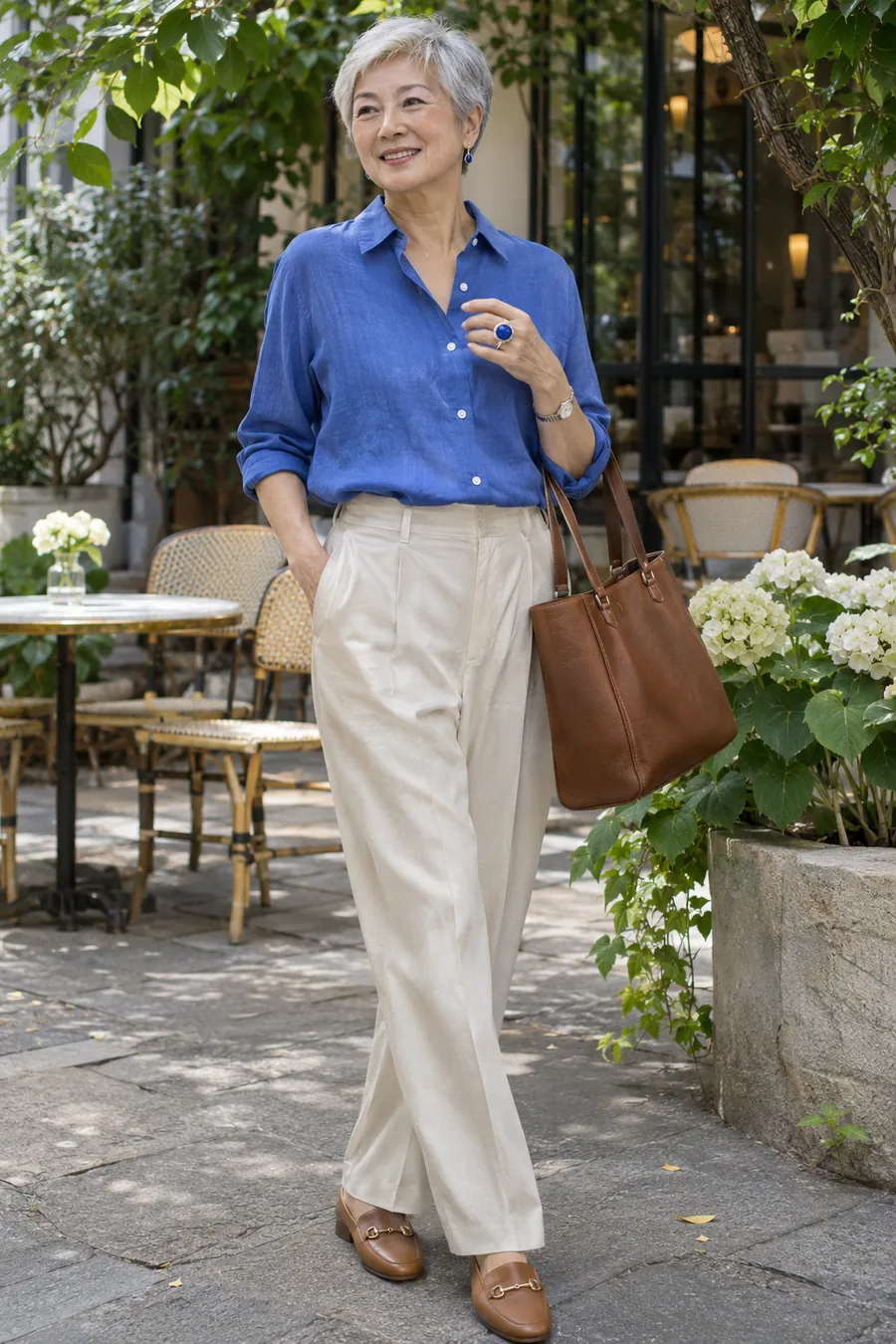
6. A statement ring with a blue shirt
Shop this look
Try one focal piece with clothes you own before adding a matching set. Start with the main piece if it fills a wardrobe gap; use your existing supporting pieces where they work.
A bold fashion ring gives a blue shirt one small point of interest near the hands. Check fit at a normal time of day and make sure you can move your fingers comfortably. Look at how the setting catches on cuffs or a tote strap.
Cream trousers and simple shoes leave the ring visible. Read the materials honestly; a blue stone appearance does not identify a particular gemstone. Avoid buying by an enlarged image without dimensions or a clear size description.
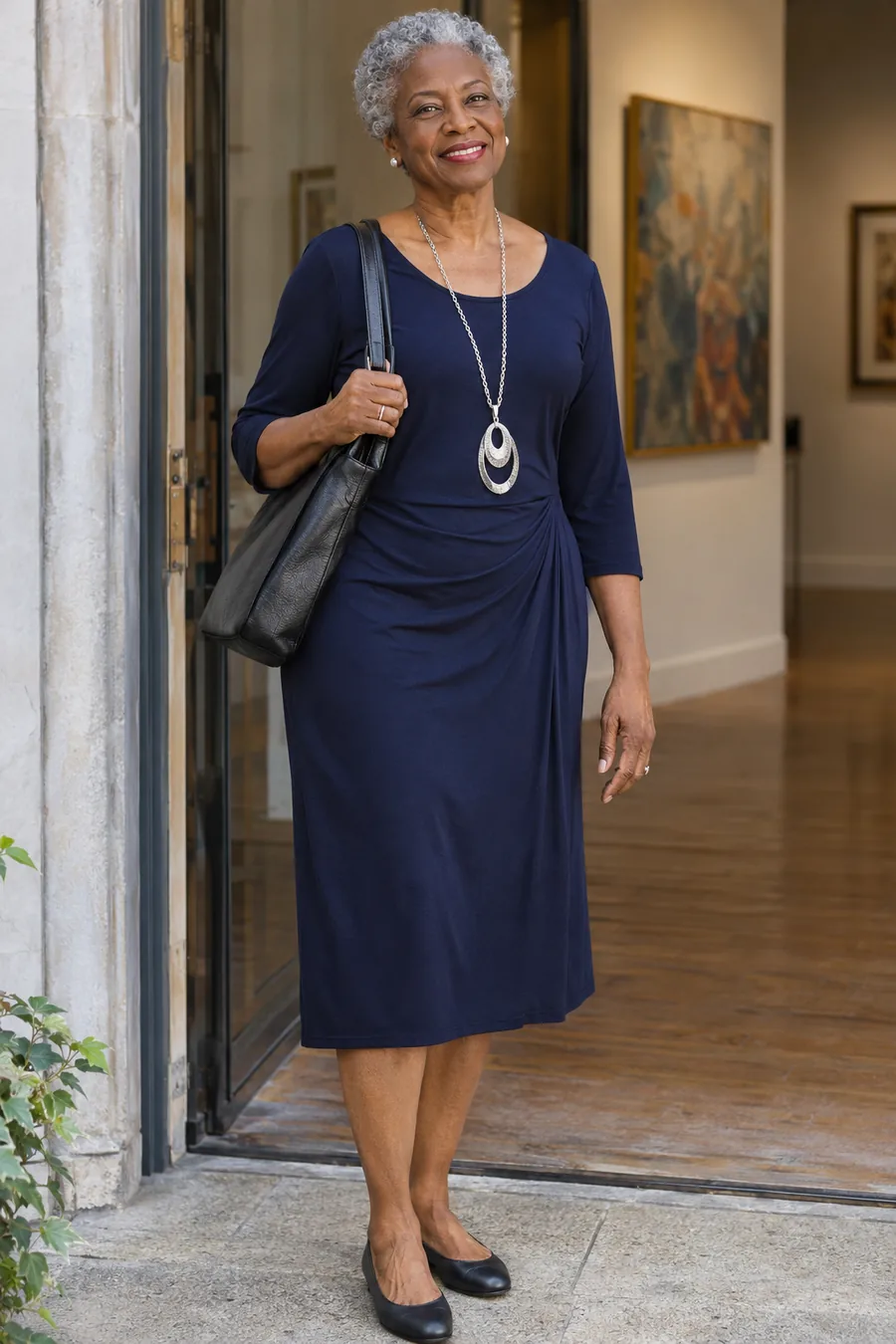
7. A long pendant with a plain dress
Shop this look
Check dimensions, weight and fastening before choosing from a close-up photo. Start with the main piece if it fills a wardrobe gap; use your existing supporting pieces where they work.
A long pendant can sit over a navy jersey dress without requiring a busy print. Check whether it swings into a table edge, bag or other item during your normal movement. Shorten or change the style only if its construction allows it.
Black flats and a plain bag keep the outfit straightforward. Small studs are optional. Read chain length and pendant size separately, because two necklaces labeled long can hang very differently on your body.
8. A resin bangle with linen

Shop this look
Read the actual metal, finish and decorative-stone description. Start with the main piece if it fills a wardrobe gap; use your existing supporting pieces where they work.
A resin bangle can give linen an easy warm-weather accent. Check the opening over your hand as well as the fit at the wrist; a bangle that fits once on may still be awkward to put on. Amber color does not mean the item is amber, so read the actual material.
White and tan make a plain background. Flat sandals and a straw bag are supporting pieces. Try an existing bangle with the shirt cuffs before ordering another.
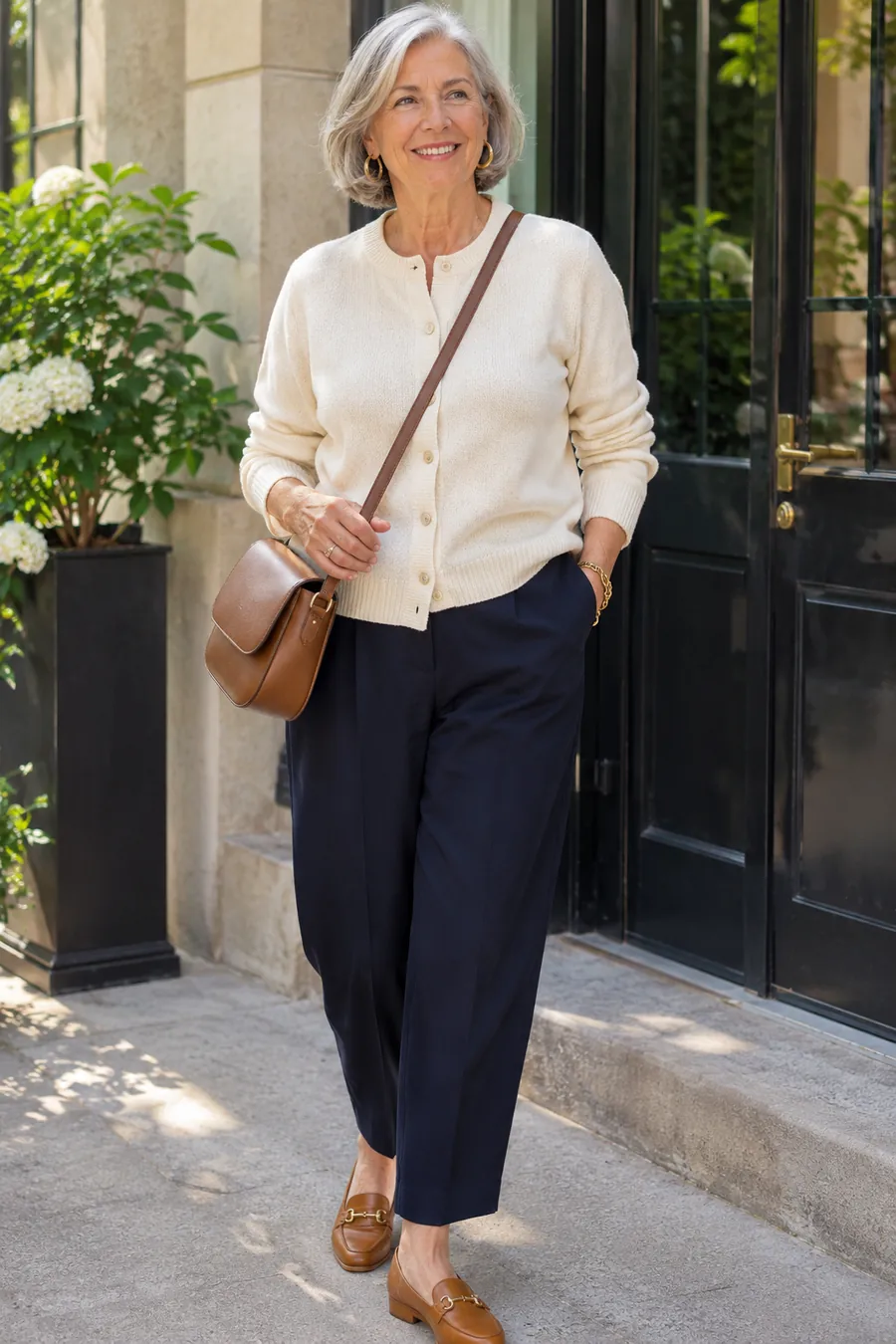
9. Bold hoops with a cotton cardigan
Shop this look
Try one focal piece with clothes you own before adding a matching set. Start with the main piece if it fills a wardrobe gap; use your existing supporting pieces where they work.
Wide gold-tone hoops can make a cream cardigan feel finished without an added necklace. Check their diameter and weight rather than ordering from a close-up photograph alone. Wear them briefly at home with your usual hair and glasses to see whether they catch or feel uncomfortable.
Navy trousers and loafers keep the rest of the outfit simple. Read the metal and plating description. Gold color or a plated finish should not be presented as solid gold.
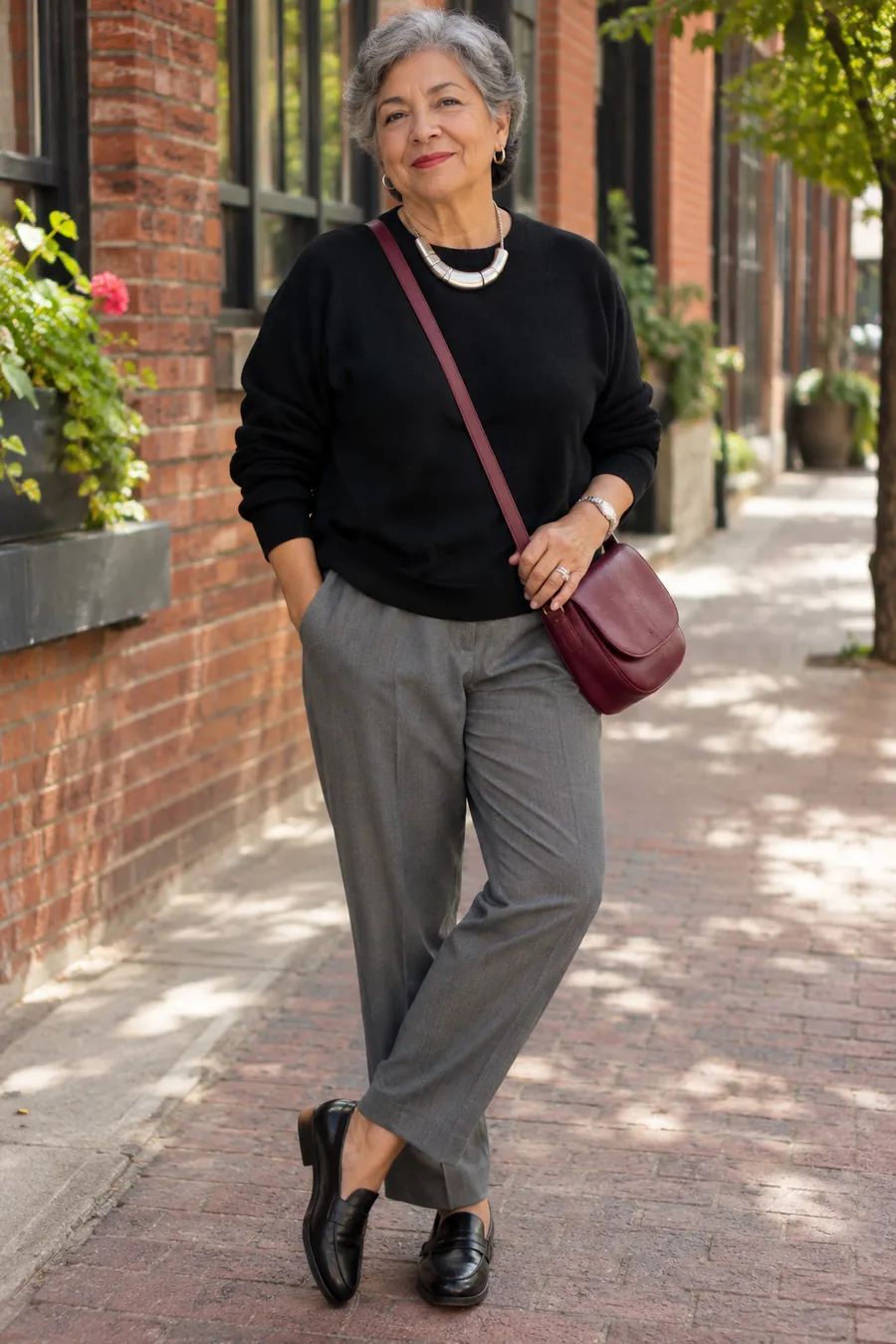
10. A short necklace over a crewneck
Shop this look
Check dimensions, weight and fastening before choosing from a close-up photo. Start with the main piece if it fills a wardrobe gap; use your existing supporting pieces where they work.
A short sculptural necklace can sit over a black crewneck if its shape works with the neckline. Check whether it stays flat when you sit and turn your shoulders. Gray trousers and a burgundy bag give the necklace a plain setting.
Try it with at least one other top you own before buying. A piece that only works at one precise neckline may be less useful for your routine. Choose scale from the complete outfit, not an arbitrary age rule.
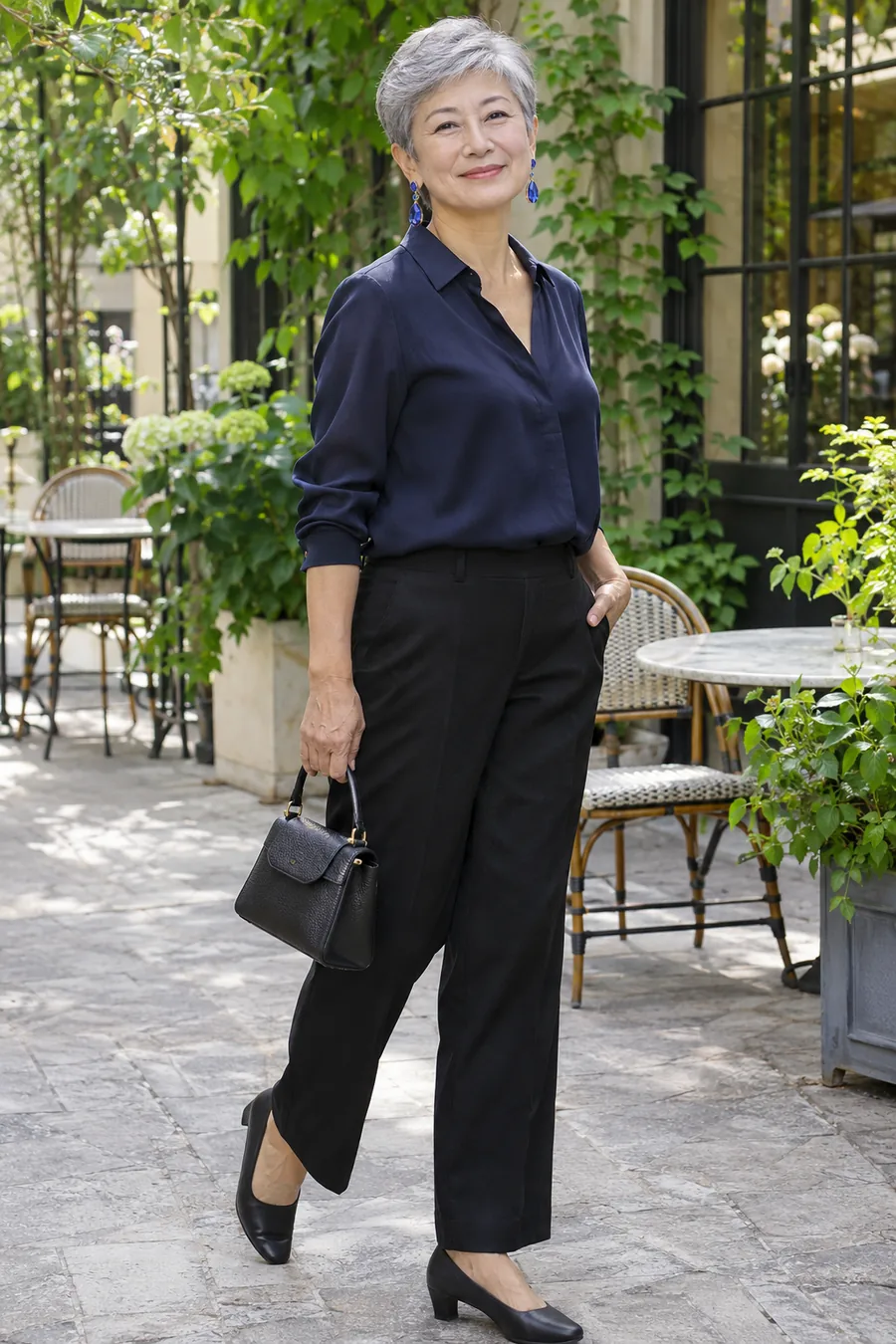
11. Colorful earrings for an evening
Shop this look
Read the actual metal, finish and decorative-stone description. Start with the main piece if it fills a wardrobe gap; use your existing supporting pieces where they work.
Blue drop earrings can be the main detail with a navy blouse for dinner. Check how the earrings move around the collar and hair, and compare the actual drop length with a pair you already find comfortable. Black trousers and low shoes let the color remain visible.
Leave the neckline quiet if that feels balanced to you. A small bag is optional. The best statement piece for the evening is one you can wear without constant adjustment.
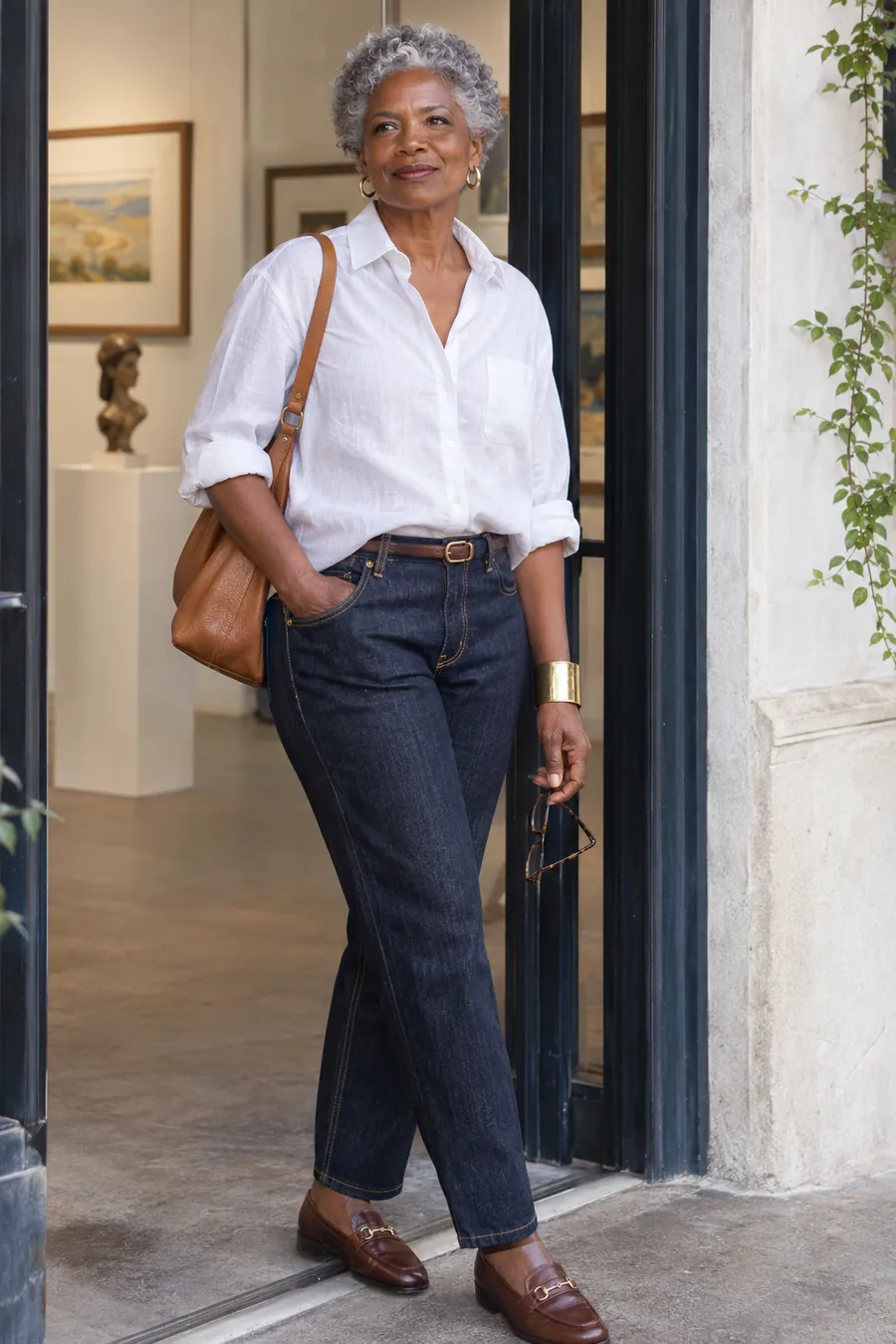
12. A cuff with a rolled-sleeve shirt
Shop this look
Try one focal piece with clothes you own before adding a matching set. Start with the main piece if it fills a wardrobe gap; use your existing supporting pieces where they work.
A brushed gold-tone cuff works with a rolled-sleeve white shirt when the cuff opening and sleeve stay clear of each other. Move your wrist while holding your bag to check the fit. Dark jeans and brown loafers make this an ordinary daytime look.
Read whether the finish is plated and follow the maker's care directions for that item. You do not need another gold-colored accessory to justify the cuff. An existing piece can be your starting point.
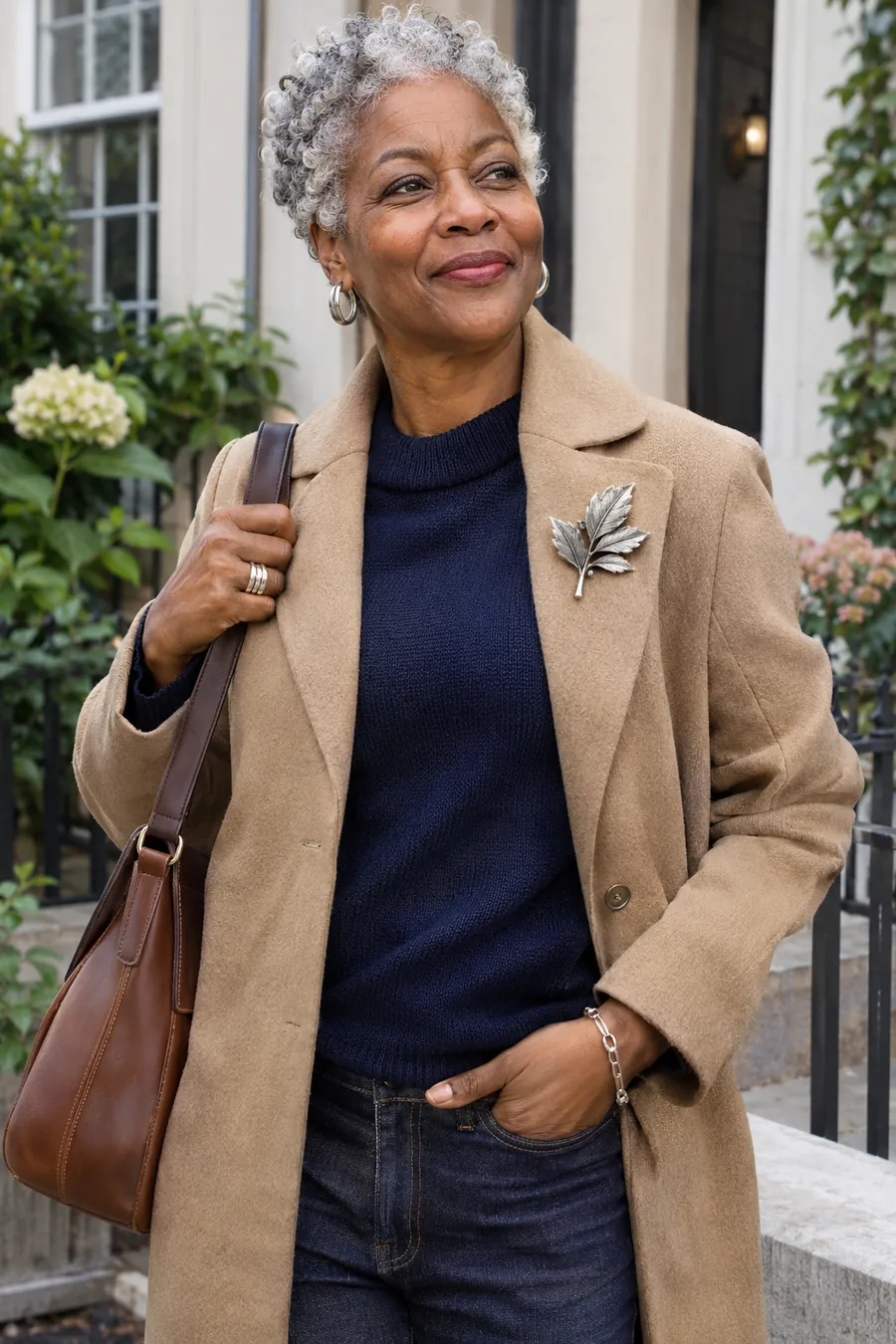
13. A brooch on a plain coat
Shop this look
Check dimensions, weight and fastening before choosing from a close-up photo. Start with the main piece if it fills a wardrobe gap; use your existing supporting pieces where they work.
A brooch on a coat can be visible even when most of the outfit is covered. Check that the fabric supports the weight and that the pin does not interfere with the lapel or fastening.
A plain beige coat and navy knit keep the silver-tone shape easy to see. Do not pierce a technical waterproof garment without checking its care and construction advice. If you prefer no pinholes, choose another jewelry placement instead of forcing the brooch into the outfit.
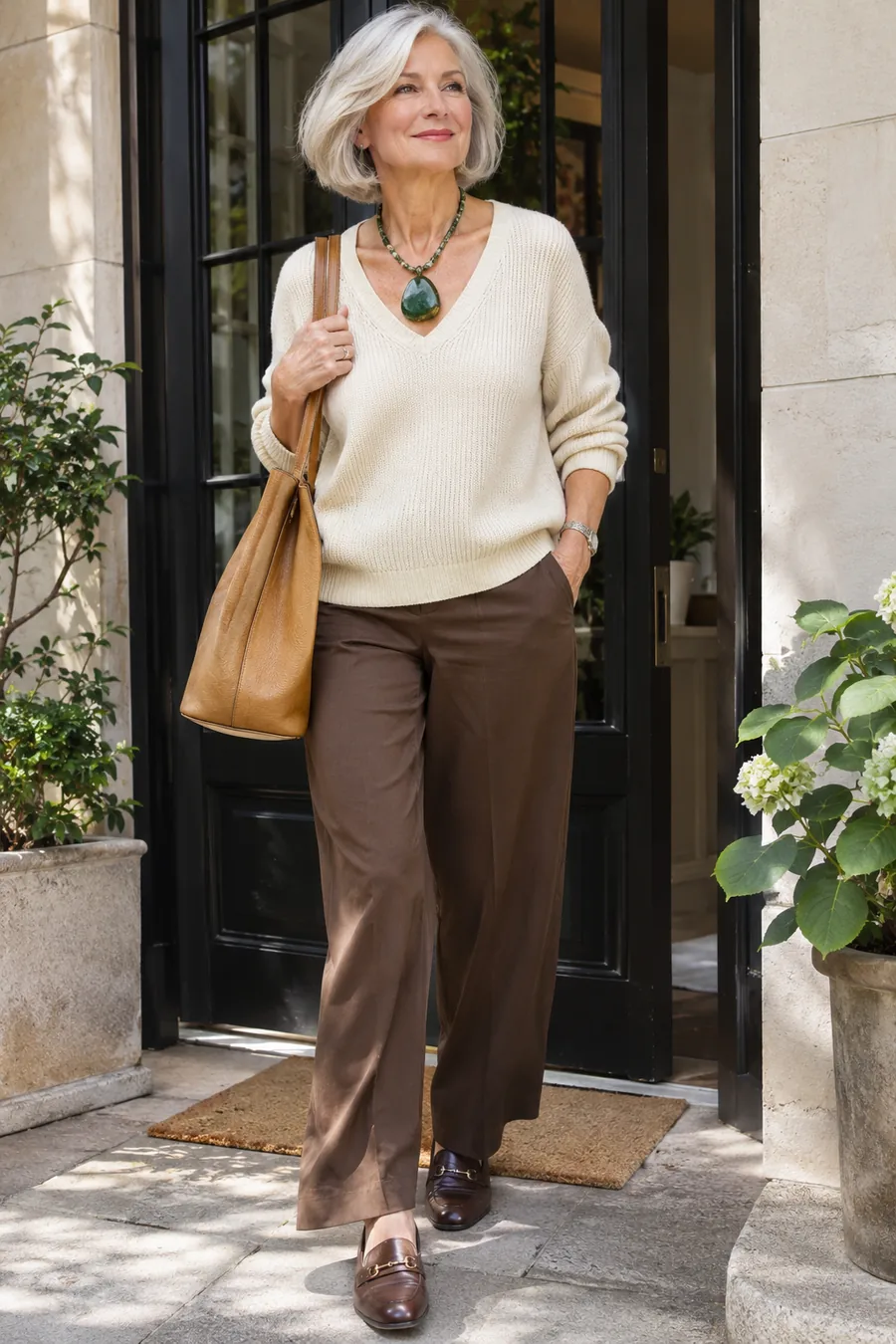
14. A bold pendant with a V-neck
Shop this look
Read the actual metal, finish and decorative-stone description. Start with the main piece if it fills a wardrobe gap; use your existing supporting pieces where they work.
A green pendant gives cream and brown one clear color accent. Position it in the V opening and check the chain length while seated. The pendant should not repeatedly catch the knit edge.
Brown loafers and a tote make this useful for daytime. A green appearance does not establish that a stone is emerald or jade, so check the seller's actual description. You can enjoy fashion jewelry without assigning it a value or material the listing does not support.
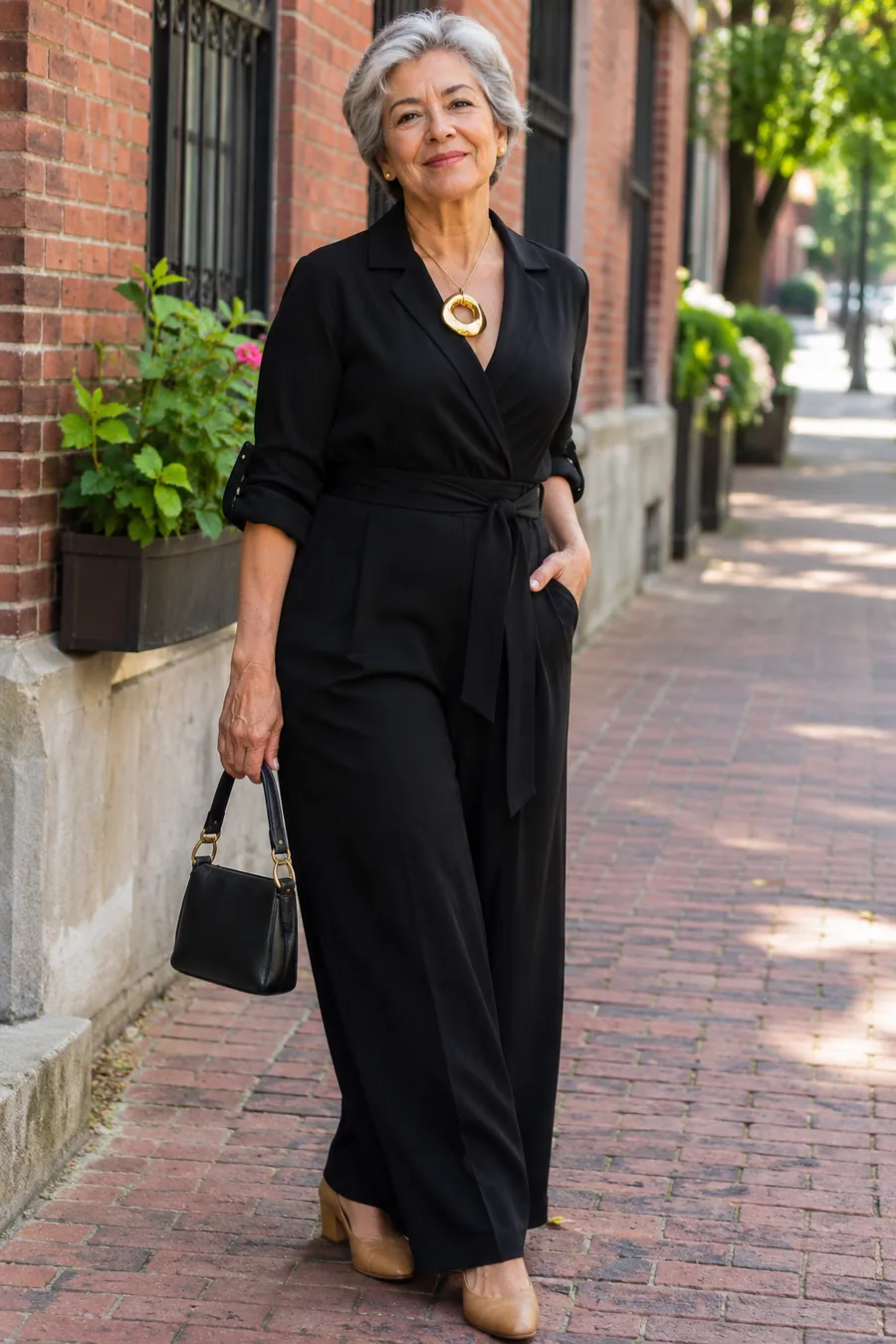
15. A statement piece with a jumpsuit
Shop this look
Try one focal piece with clothes you own before adding a matching set. Start with the main piece if it fills a wardrobe gap; use your existing supporting pieces where they work.
A sculptural pendant can supply the main detail for a plain black jumpsuit. Check that it does not interfere with the neckline or fastening, especially for bathroom use. Tan low shoes and a simple bag keep the other pieces quiet.
Small studs can finish the outfit if you want them. Try the jumpsuit in motion before choosing jewelry; no accessory will correct an uncomfortable torso or waist. Keep the piece only if it adds interest without creating another adjustment task.
Before you shop or make plans
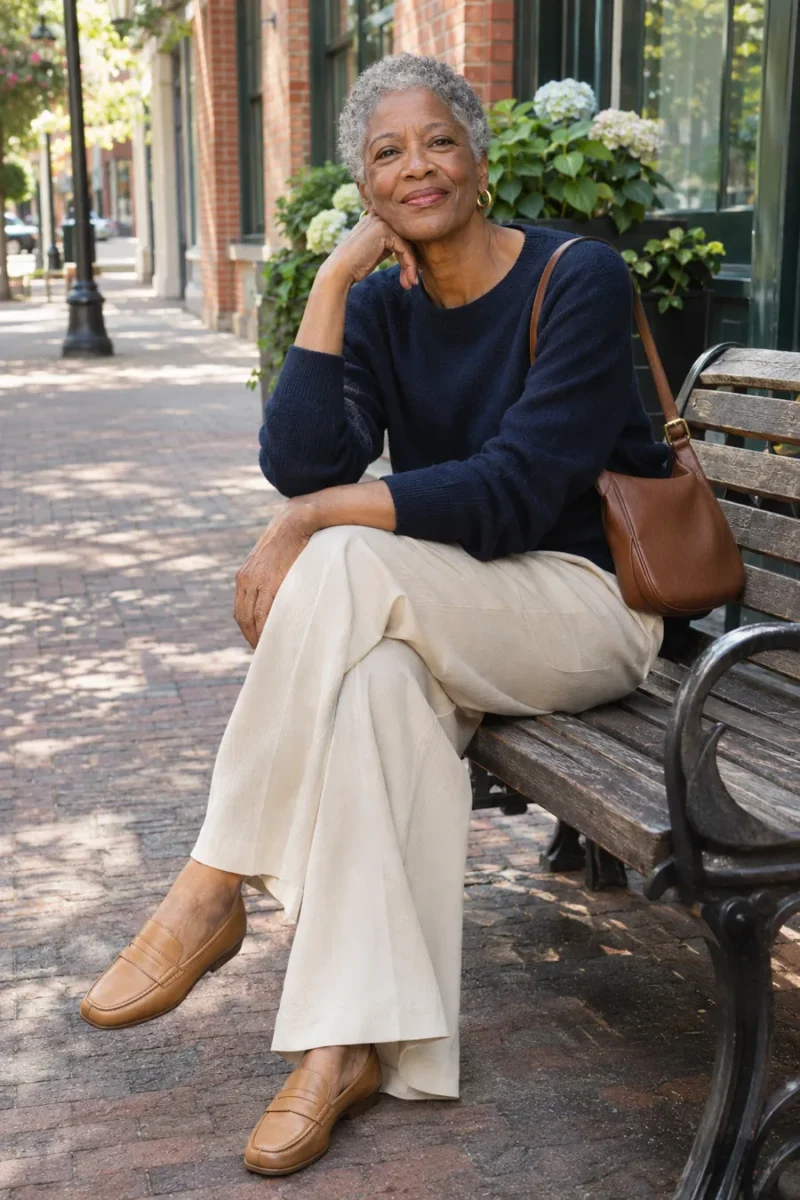
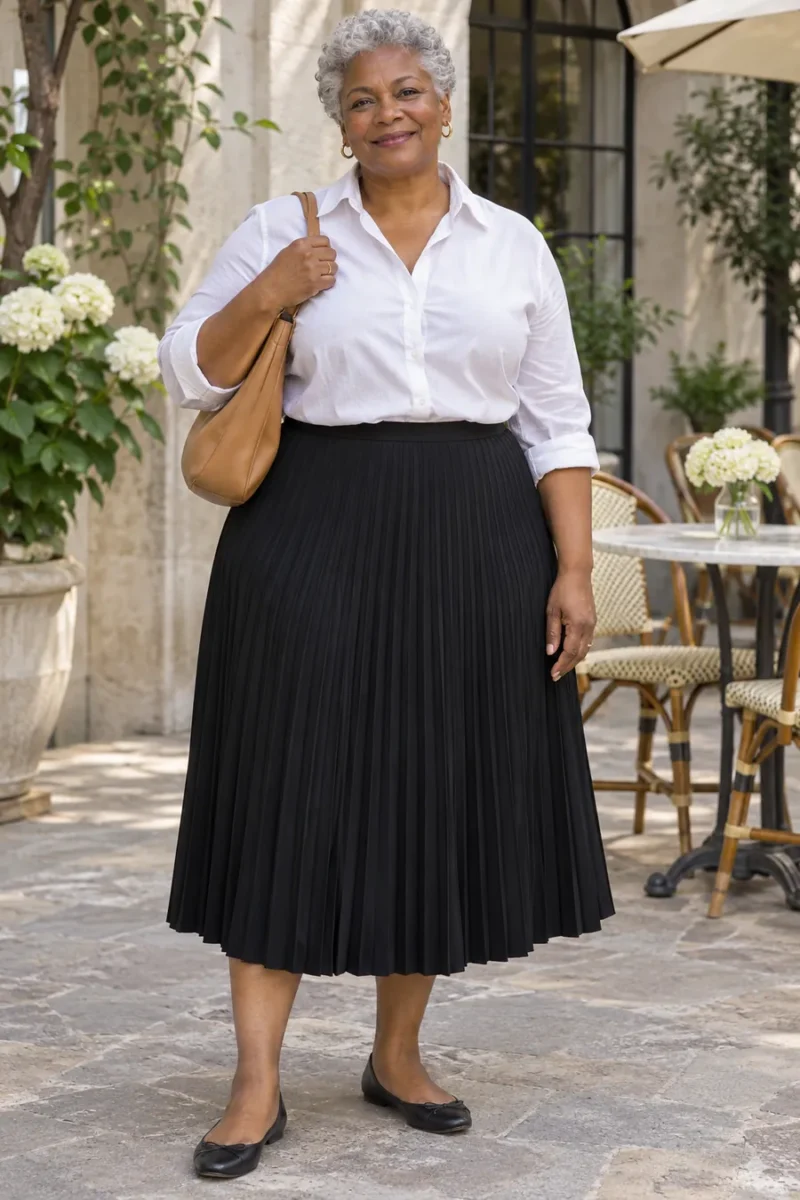
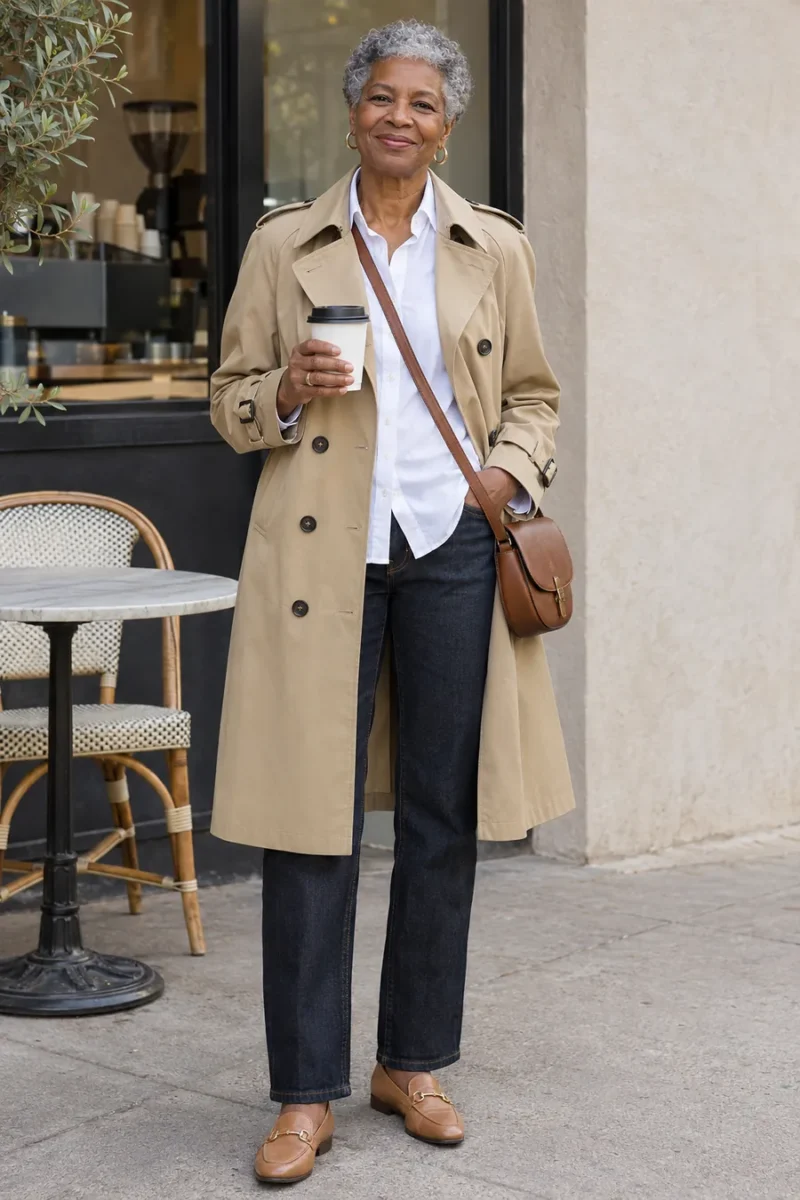
The images are AI-generated outfit illustrations. They are not exact retailer product photographs. Named product buttons lead to specific models to compare, while Explore buttons open searches for similar items. Check the selected listing for current size, materials, package contents, availability, care and returns.
Build two usable outfits with the main piece and clothes you already own before buying more accessories. Put the intended shoes on, sit and move normally, and keep tags attached while assessing the fit under the seller’s return terms. A new bag or jewelry should add something you need; it should not be used to compensate for a garment that feels wrong.
Questions and answers
Can older women wear large earrings?
Yes. Choose according to your taste and comfort rather than an age limit. Check dimensions, weight and fastening with your usual hair and glasses. A pair you can wear comfortably is more useful than one chosen only because it looks dramatic online.
Should I wear only one statement piece?
One focal point is an easy starting method, not a strict rule. Try the piece with plain clothes and add other jewelry if you like the result. Stop when the outfit feels comfortable and clear to you.
Does gold-plated mean solid gold?
No. Read the finish and base-material description carefully. Gold color alone does not establish composition or value. Choose a piece with a clear description and a care routine suitable for its actual construction.
How do I choose necklace length?
Measure an existing necklace you like and compare the neckline while seated and standing. Look for slipping, catching or unwanted movement. Chain length and pendant size both affect the final placement.
Can I pin a brooch on any coat?
Check the fabric and construction first. A heavy pin can pull a delicate lapel, and puncturing a technical outer layer may be inappropriate. Choose another placement or jewelry type when you do not want pinholes.
Do I need expensive jewelry?
No. Clearly described fashion jewelry can add interest to familiar clothes. Focus on a useful design, manageable fastening and comfortable wear. A high price or a large-looking stone does not replace those checks.
Related reading
Continue with Pearl outfit ideas, Blazer outfits.




Leave a Reply