
This post may contain affiliate links. If you buy through them, we may earn a small commission at no extra cost to you. Read our disclosure.
A scarf can add color without replacing the clothes you already like. Begin with a loose, simple arrangement and adjust the size and fabric until it feels comfortable. These 15 ideas include neck styles, open drapes, shoulder wraps and a bag-handle option, with practical steps rather than one complicated knot. Use the images as illustrations and check retailer details for the actual items linked.
In this post5 sections
15 outfit ideas to adapt
1. A loose triangle over a plain sweater
Shop this look
Compare the actual scarf dimensions with the arrangement you want. Start with the main piece if it fills a wardrobe gap; use your existing supporting pieces where they work.
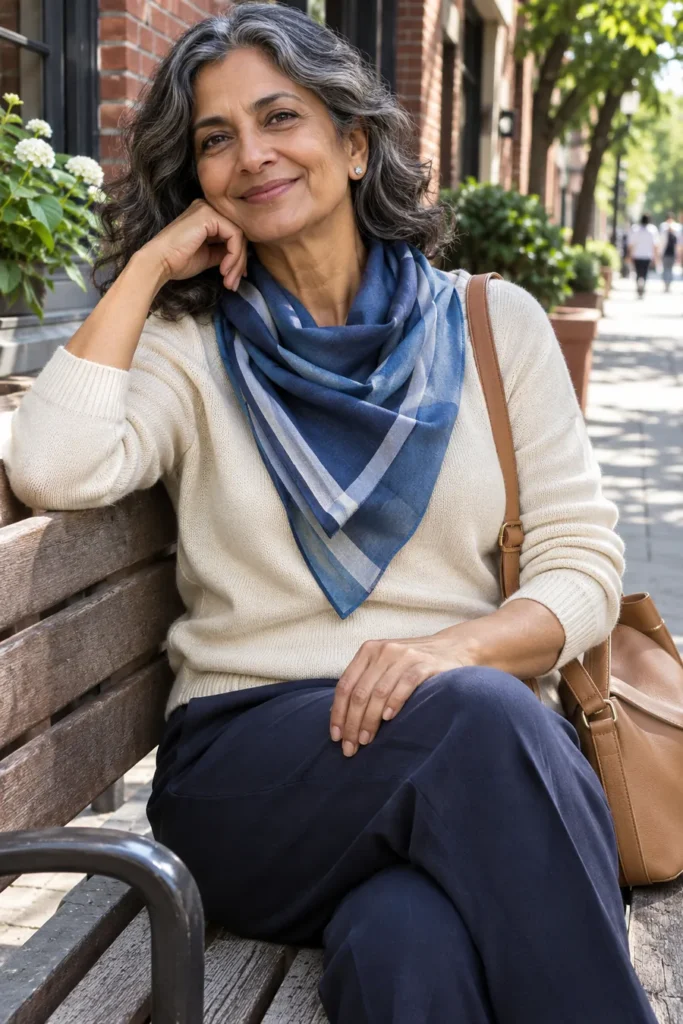
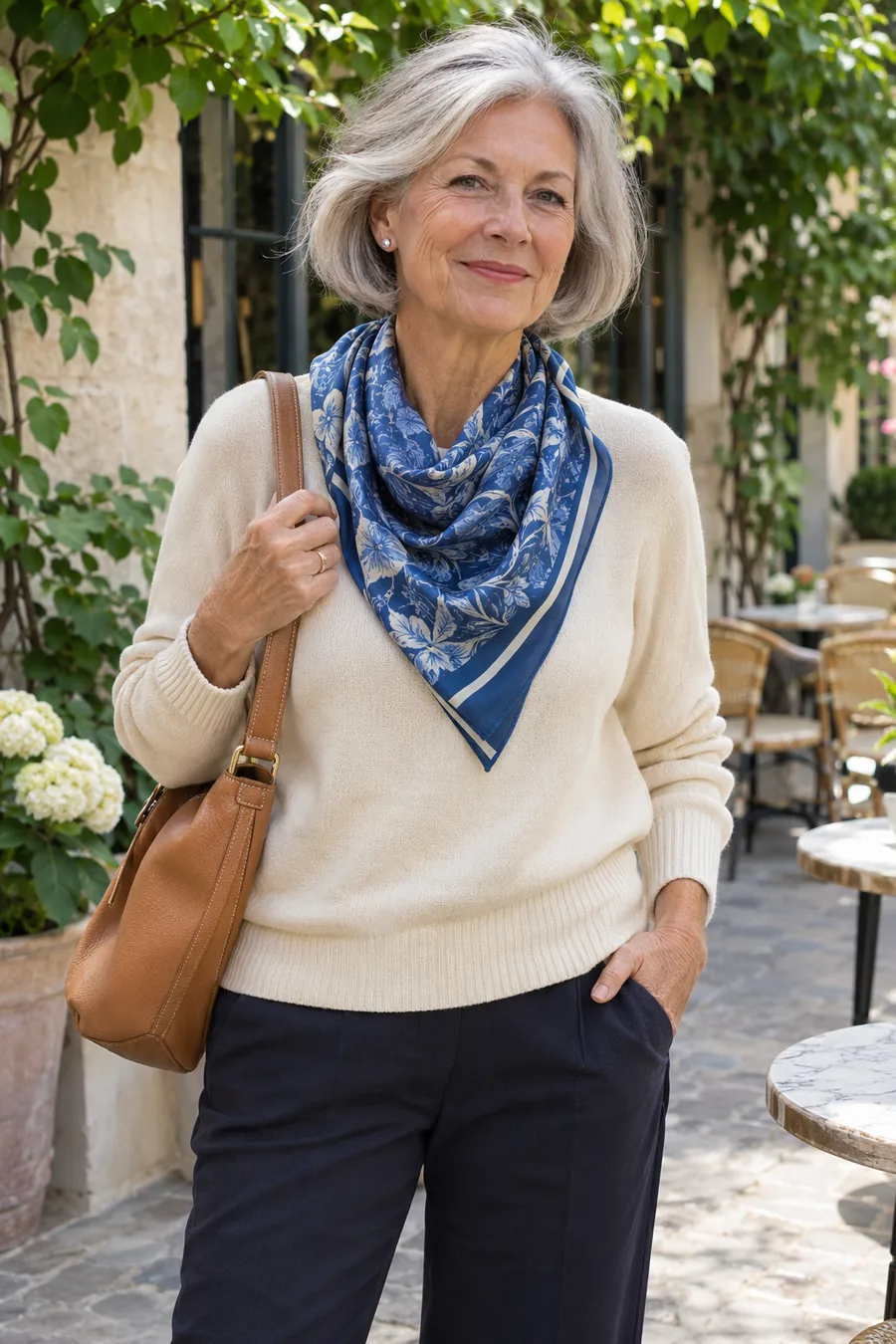
Fold a square diagonally to make a triangle. Place the long folded edge loosely across the front of your neck, bring the ends behind and return them forward if the size allows. Keep the point soft rather than pulling it flat.
If the ends feel too short, use a larger square or simply drape it. The plain cream sweater makes the blue visible. Check the knot when seated; comfort and room to move matter more than a perfectly symmetrical point.
2. A narrow band with a small side knot
Shop this look
Read the fiber content and the care instructions for this scarf. Start with the main piece if it fills a wardrobe gap; use your existing supporting pieces where they work.
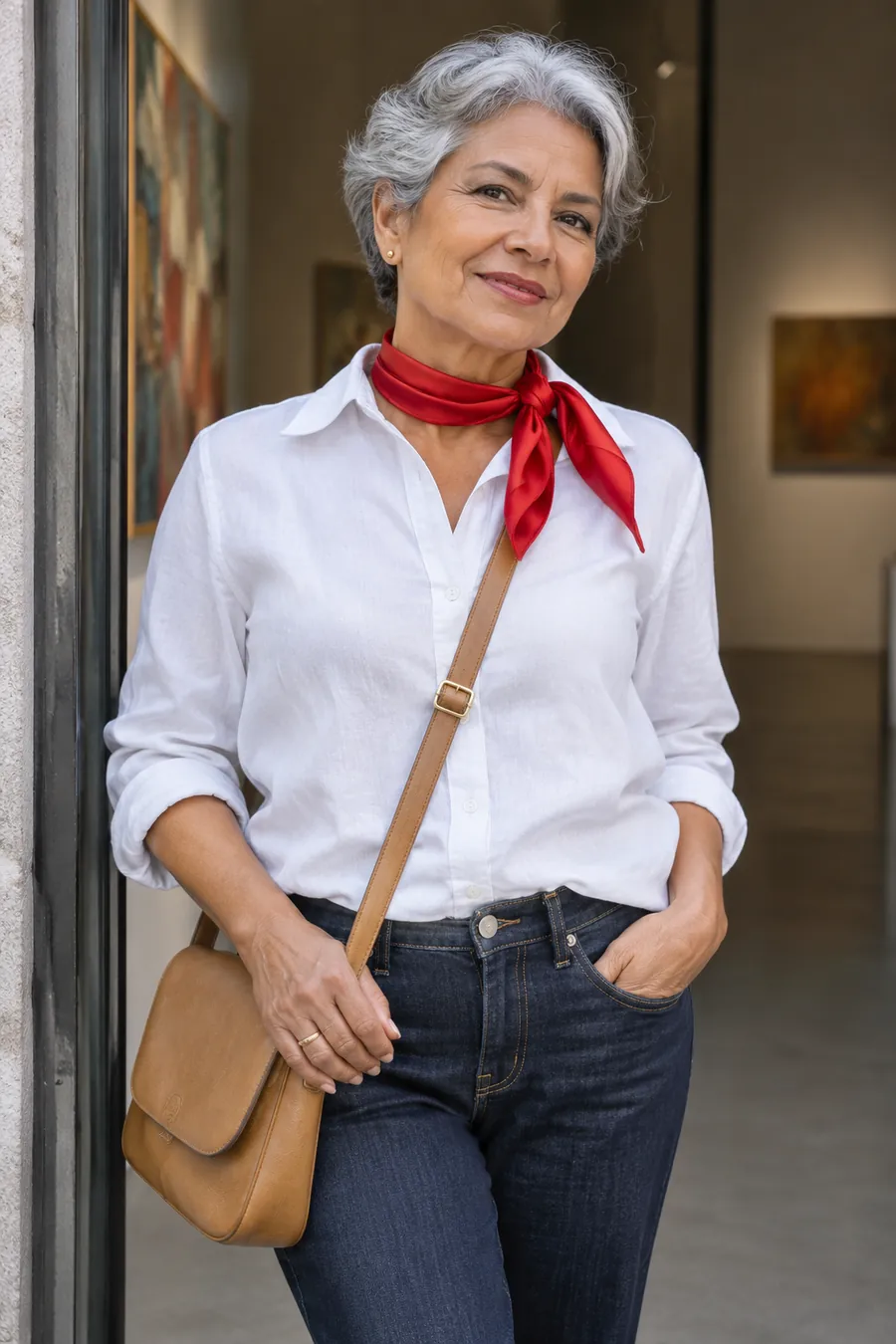
Fold opposite corners toward the center, then fold again to make a narrow strip. Drape it loosely around your neck and tie a small knot off to one side. Leave enough slack that the shirt collar and scarf do not feel crowded.
A red square adds a clear accent to a white shirt and jeans. Try a simple overhand knot before attempting anything elaborate. If slippery fabric will not stay where you want it, another scarf texture may be easier than tightening it.
3. A long scarf draped inside a blazer
Shop this look
Try a loose arrangement with an existing scarf before buying a ring or another size. Start with the main piece if it fills a wardrobe gap; use your existing supporting pieces where they work.
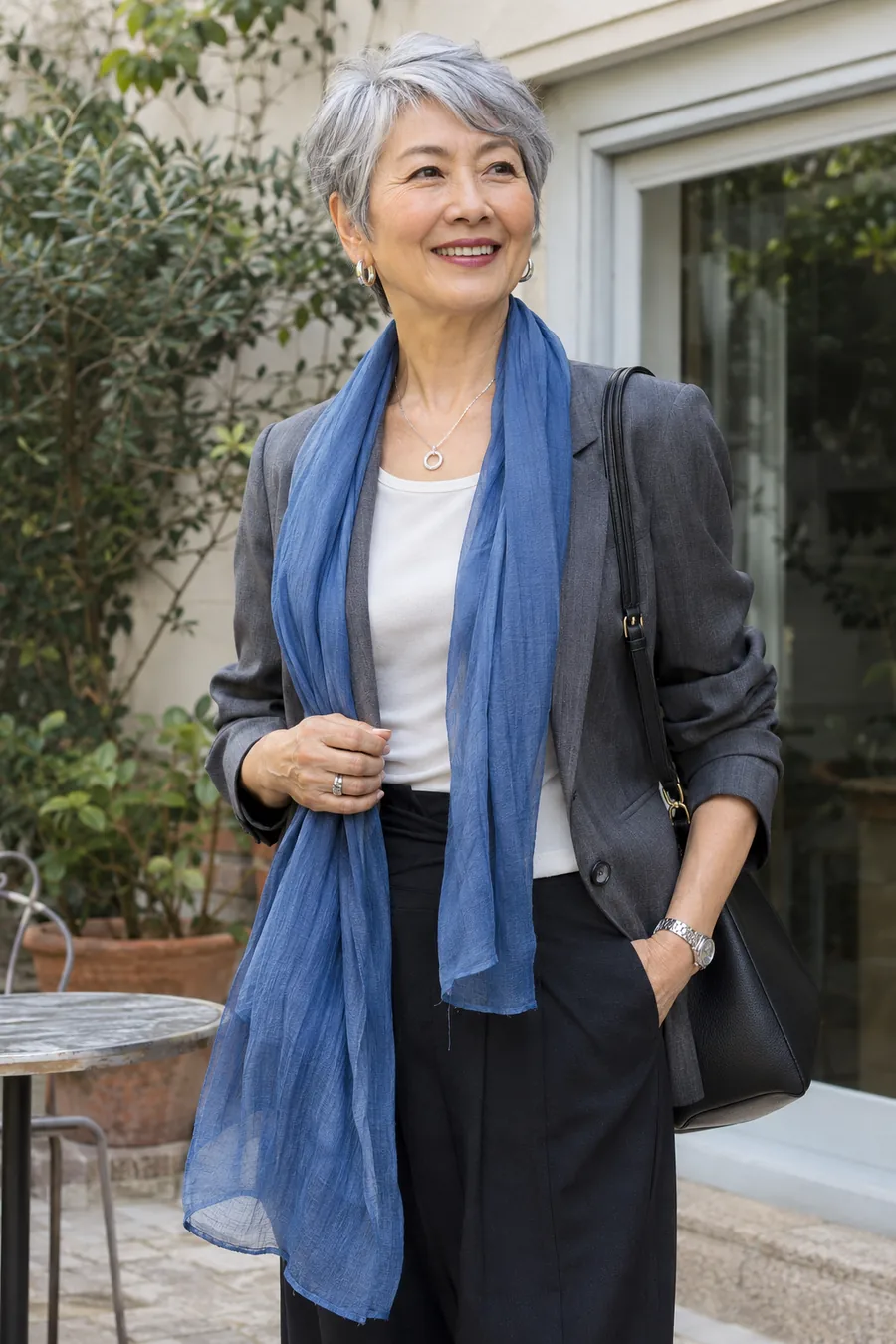
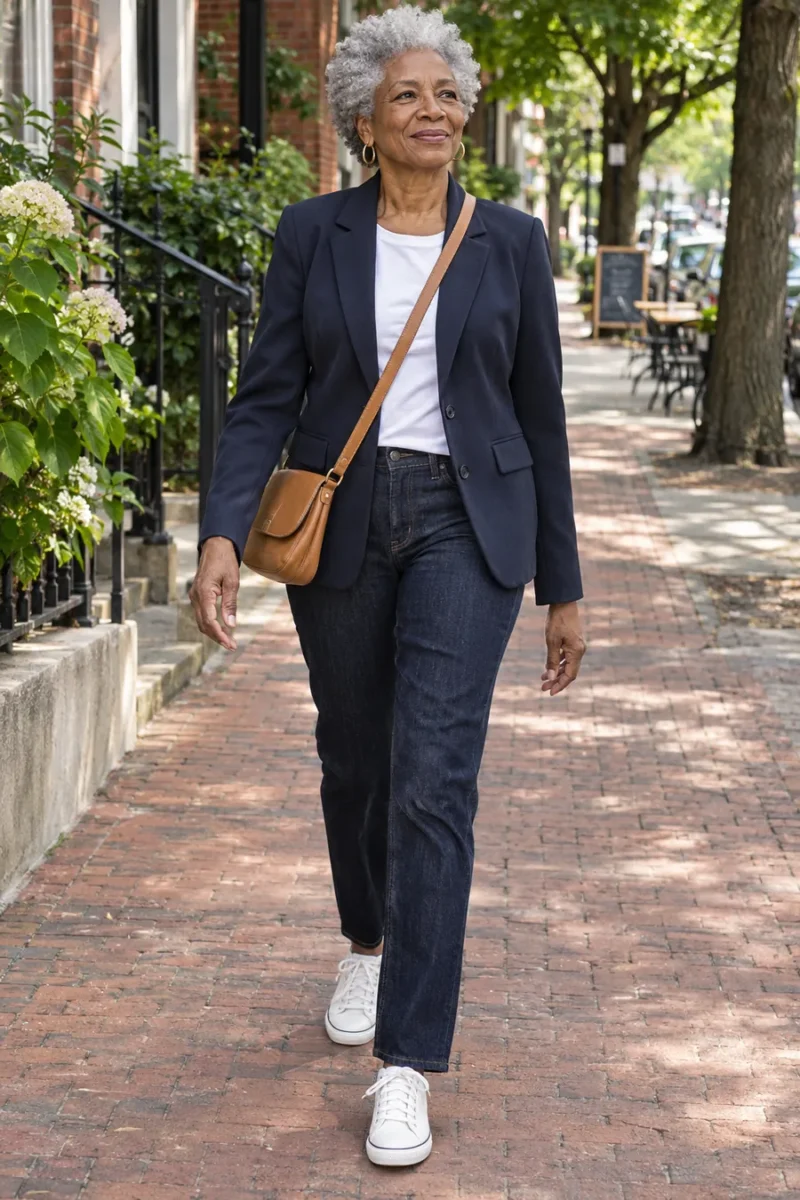
Lay a long lightweight scarf around the back of your neck with both ends hanging down inside the open blazer. No knot is needed. Adjust the ends until the lengths look right to you, then move your arms to check that the blazer lapels remain comfortable.
A light fabric is easier to layer here than a bulky winter scarf. Keep it clear of the bag strap. The white shell gives you a simple indoor outfit if you decide to remove the scarf.
Practical checks before you choose
Choose the shape before the knot
A square folds naturally into a triangle or a narrow band. A rectangle is useful for open drapes, loose loops and shoulder wraps. Check the actual dimensions instead of assuming every scarf shown on a model has the same size. If a style needs very tight tying or leaves ends too short to handle, try another size or arrangement. A scarf you already own is the best place to experiment before buying accessories.
Use a loose fit and test movement
Arrange the scarf, then sit, turn your head and put your coat or bag on. Keep enough space that it does not feel restrictive. Check that ends and loops stay clear of your hands and everyday tasks. A knot that keeps slipping may need a different fabric or a simpler arrangement, not more pressure around the neck. For a busy day, choose the version you can wear without constant readjustment.
Read fiber and care separately
Silk-feel is not the same description as silk. Compare the actual composition and the maker's care instructions. A scarf with delicate edges, prints or trim may need a different routine from another item made with the same broad fiber name. Hermès' product listings, for example, identify silk twill and care details for the particular scarf. Those directions should not be transferred automatically to every decorative scarf you own.
Let the scarf have one clear job
Choose color, pattern, a light shoulder layer or a bag accent. It does not have to do everything at once. Try it with a plain shirt or knit so you can judge the effect clearly. Keep earrings and bag hardware from catching delicate fabric. A scarf ring is optional, and its surface should be smooth before it touches the scarf. If a style feels fussy, use an open drape and keep your day simple.
Reference: An example of garment-specific scarf composition and care.
| What you notice or need | A useful next step |
|---|---|
| Knot feels too bulky | Compare a thinner fabric or an open drape. |
| Ends are too short to tie loosely | Try a larger square or a different style. |
| Scarf keeps catching a bag strap | Use a shorter arrangement or a bag-handle accent. |
| Ring snags the surface | Stop using it and check for rough edges. |
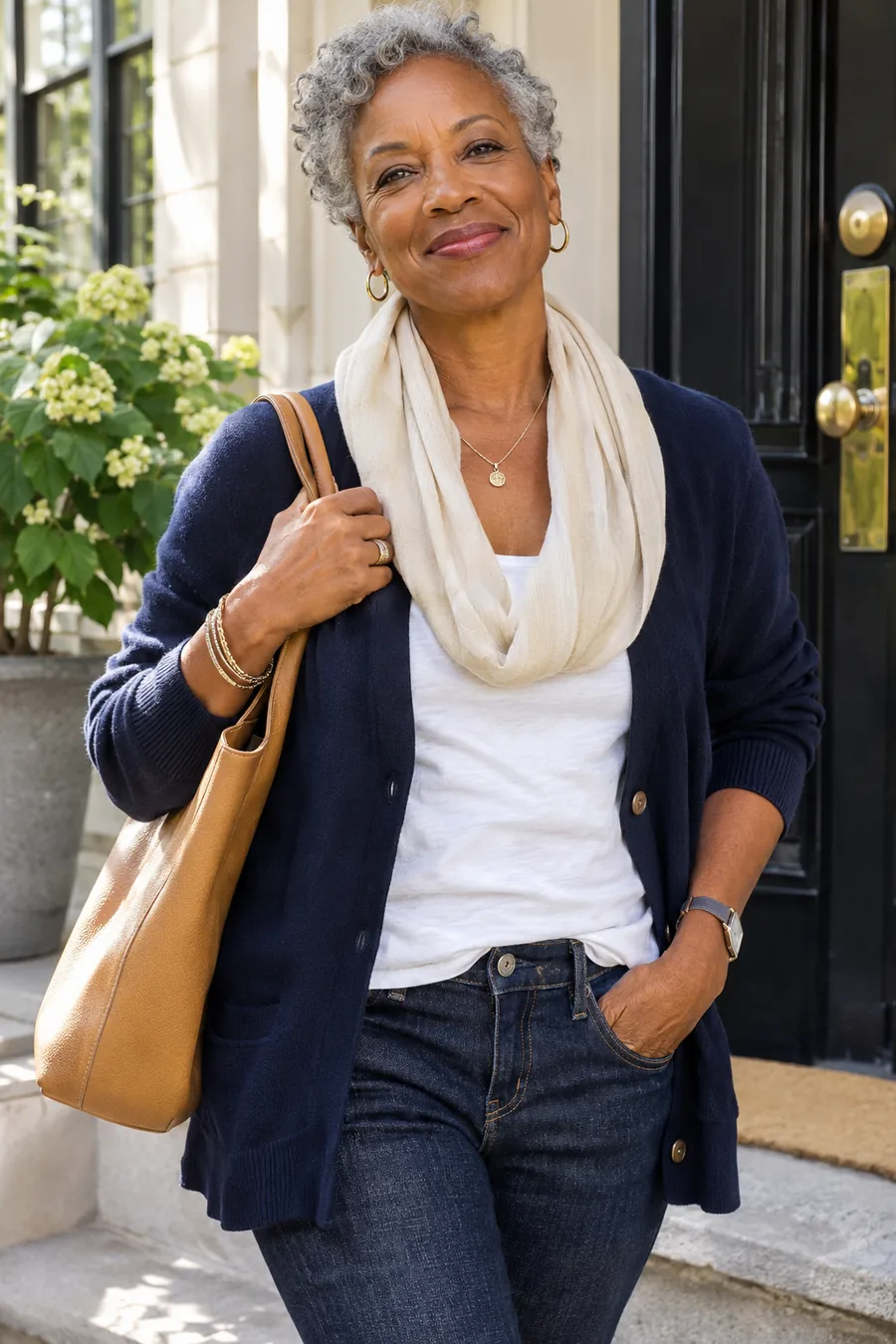
4. A loose single loop with a cardigan
Shop this look
Compare the actual scarf dimensions with the arrangement you want. Start with the main piece if it fills a wardrobe gap; use your existing supporting pieces where they work.
Place a rectangular scarf around your neck, with one end longer. Bring that end around once and let both ends hang loosely. Spread the loop gently rather than pulling it close to the throat.
The cream scarf lifts navy and white layers without requiring a printed top. Check that the cardigan neckline does not bunch under the loop. If the result feels bulky, try a thinner or narrower scarf instead of folding the same heavy one more tightly.
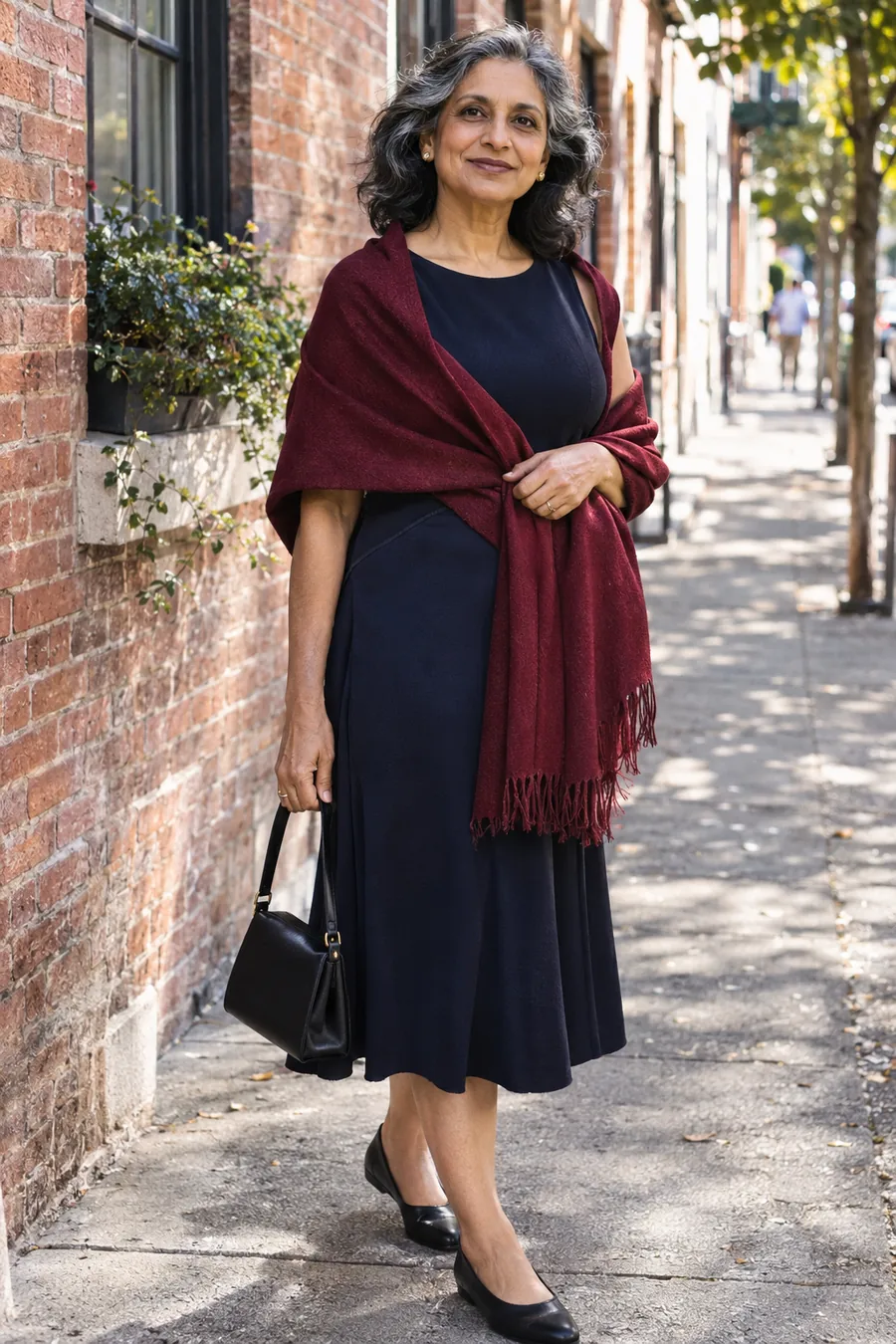
5. A scarf worn as a shoulder wrap
Shop this look
Read the fiber content and the care instructions for this scarf. Start with the main piece if it fills a wardrobe gap; use your existing supporting pieces where they work.
Open the rectangular scarf and place its center across the upper back, letting the ends fall forward over the shoulders. Keep your arms free and test how it moves when you sit.
A burgundy wrap can change a plain navy dress without another jacket. If you need it secured, choose a smooth suitable scarf accessory rather than a pin that damages delicate fabric. Check the wrap's actual warmth and dimensions; a pretty sheer scarf is not automatically a practical warm layer.
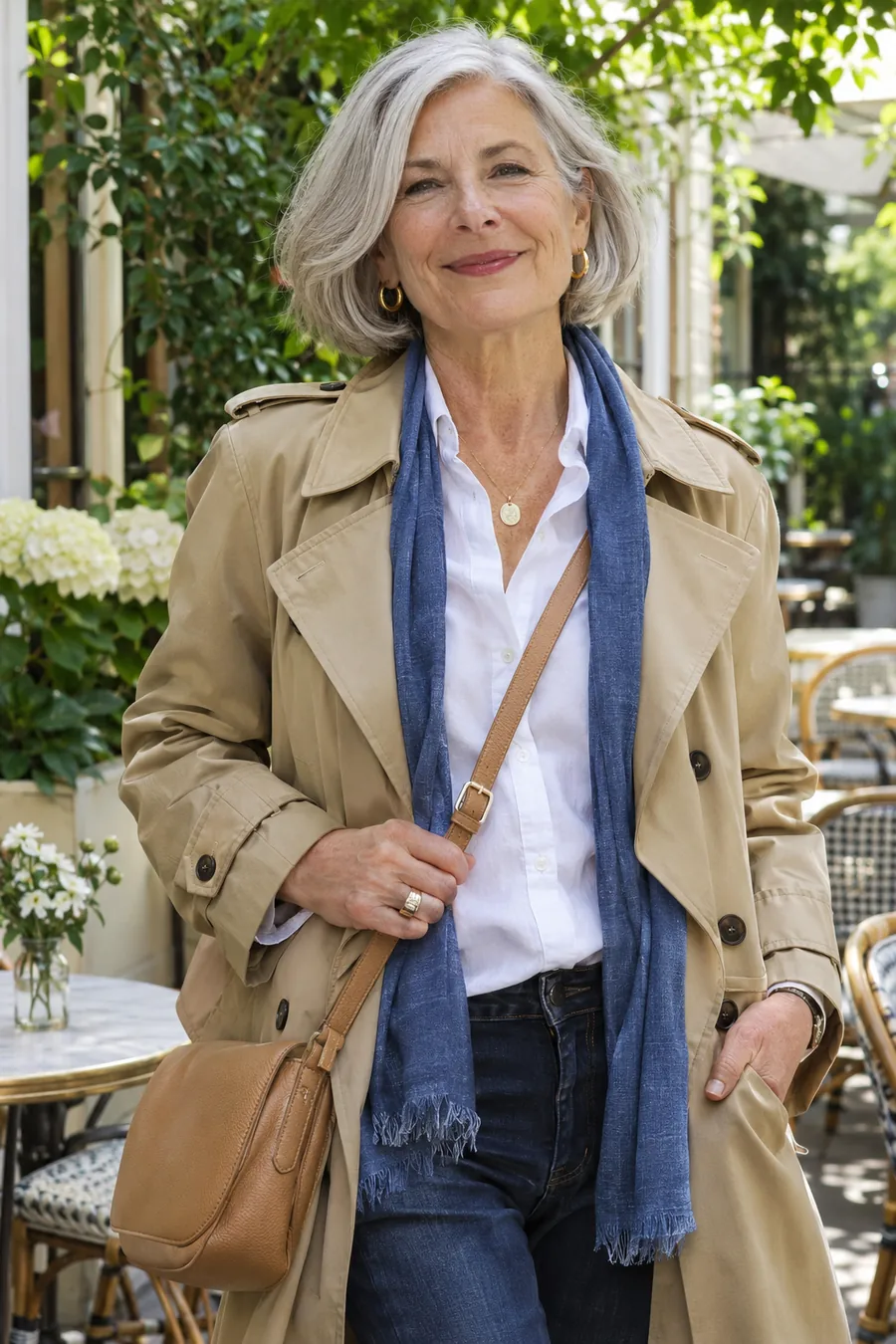
6. A soft scarf beneath a trench
Shop this look
Try a loose arrangement with an existing scarf before buying a ring or another size. Start with the main piece if it fills a wardrobe gap; use your existing supporting pieces where they work.
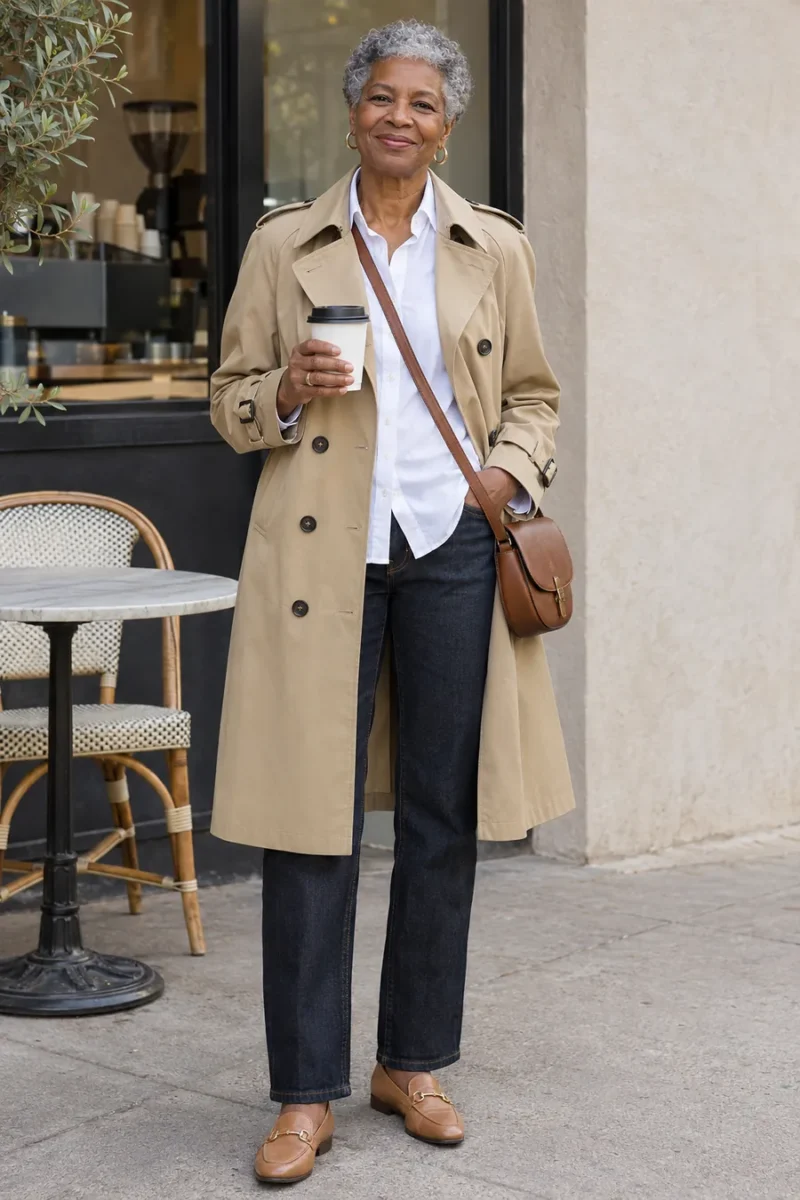
Drape a lightweight scarf inside the open trench, then close the coat to the position you expect to wear. Arrange the ends so they do not interfere with the fastening or bag. A blue scarf brings color to beige, white and dark denim.
Check whether it feels comfortable against your neck after a few minutes. For rain or cold, select outerwear according to its real performance details. A decorative scarf can complement a coat without doing the coat's job.
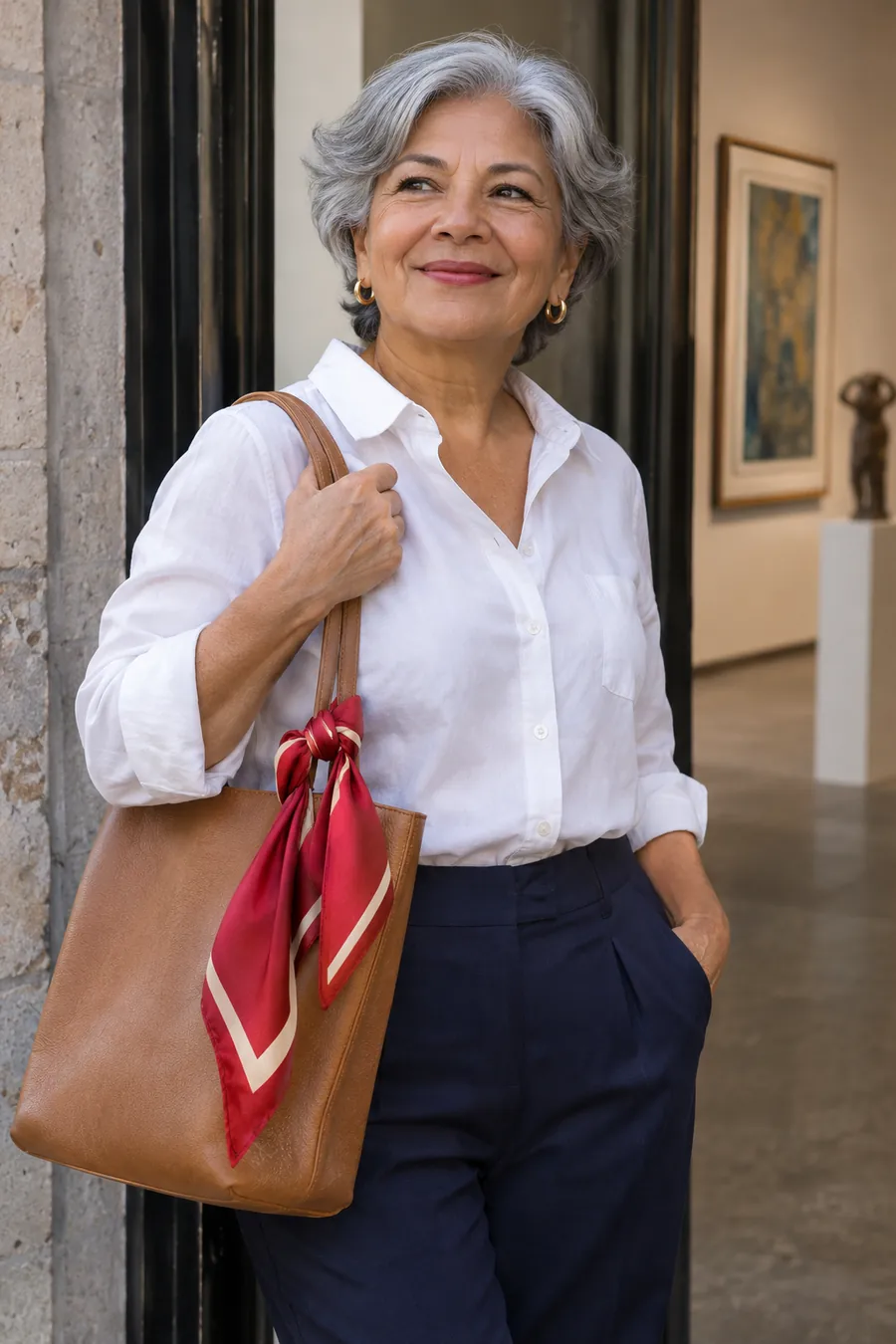
7. A small scarf tied to a bag handle
Shop this look
Compare the actual scarf dimensions with the arrangement you want. Start with the main piece if it fills a wardrobe gap; use your existing supporting pieces where they work.
Fold a small square into a narrow strip and tie it loosely around one section of a bag handle. Start with a simple knot and let short ends hang where they stay clear of zips and clasps.
The red accent works with a plain shirt and navy trousers. Check colorfastness and the bag maker's care advice before letting a scarf rub against pale leather or fabric. This is a useful option when you like a scarf's color but prefer nothing around your neck.
8. A loose front knot on a cotton shirt
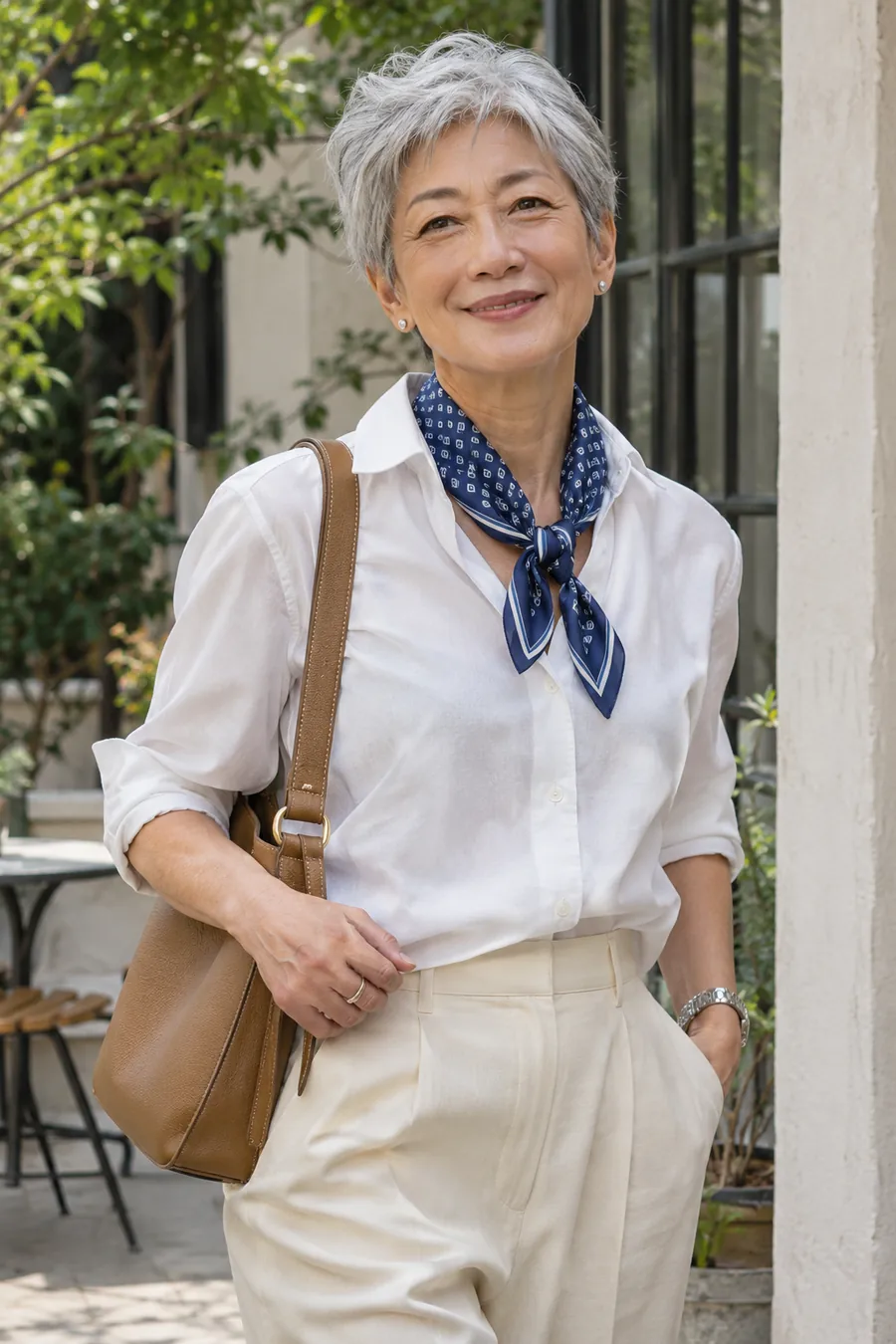
Shop this look
Read the fiber content and the care instructions for this scarf. Start with the main piece if it fills a wardrobe gap; use your existing supporting pieces where they work.
Fold a small square into a band, drape it around the neck and tie a low loose knot at the front. Keep the shirt open enough that the knot has space to sit without rubbing the collar.
Adjust the band rather than pulling the knot tighter. A blue scarf works with a white shirt and cream trousers while small studs keep the neckline clear. If the ends are too short to tie comfortably, try a different size instead of forcing the knot.
9. A narrow scarf with a V-neck knit
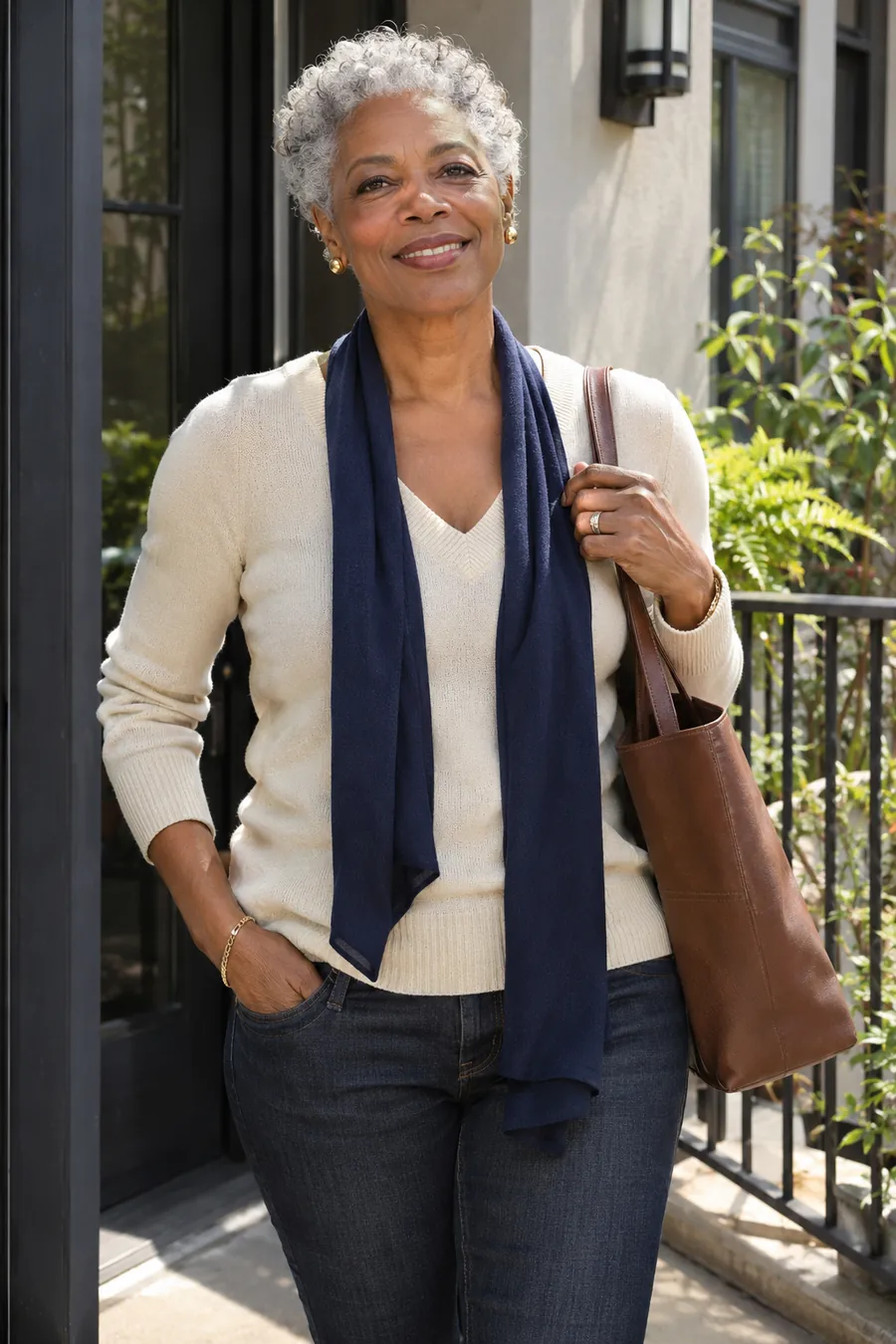
Shop this look
Try a loose arrangement with an existing scarf before buying a ring or another size. Start with the main piece if it fills a wardrobe gap; use your existing supporting pieces where they work.
Use a narrow scarf or fold a small rectangle lengthwise. Drape it behind the neck and let both ends hang inside the V opening without tying them. Check that they remain visible and do not disappear awkwardly into the sweater.
Navy and cream make this an easy first experiment. A long open drape is a style choice, not a rule about making your body appear longer. Judge the complete outfit and keep the scarf only if it feels useful.
10. A lightweight scarf as a soft collar
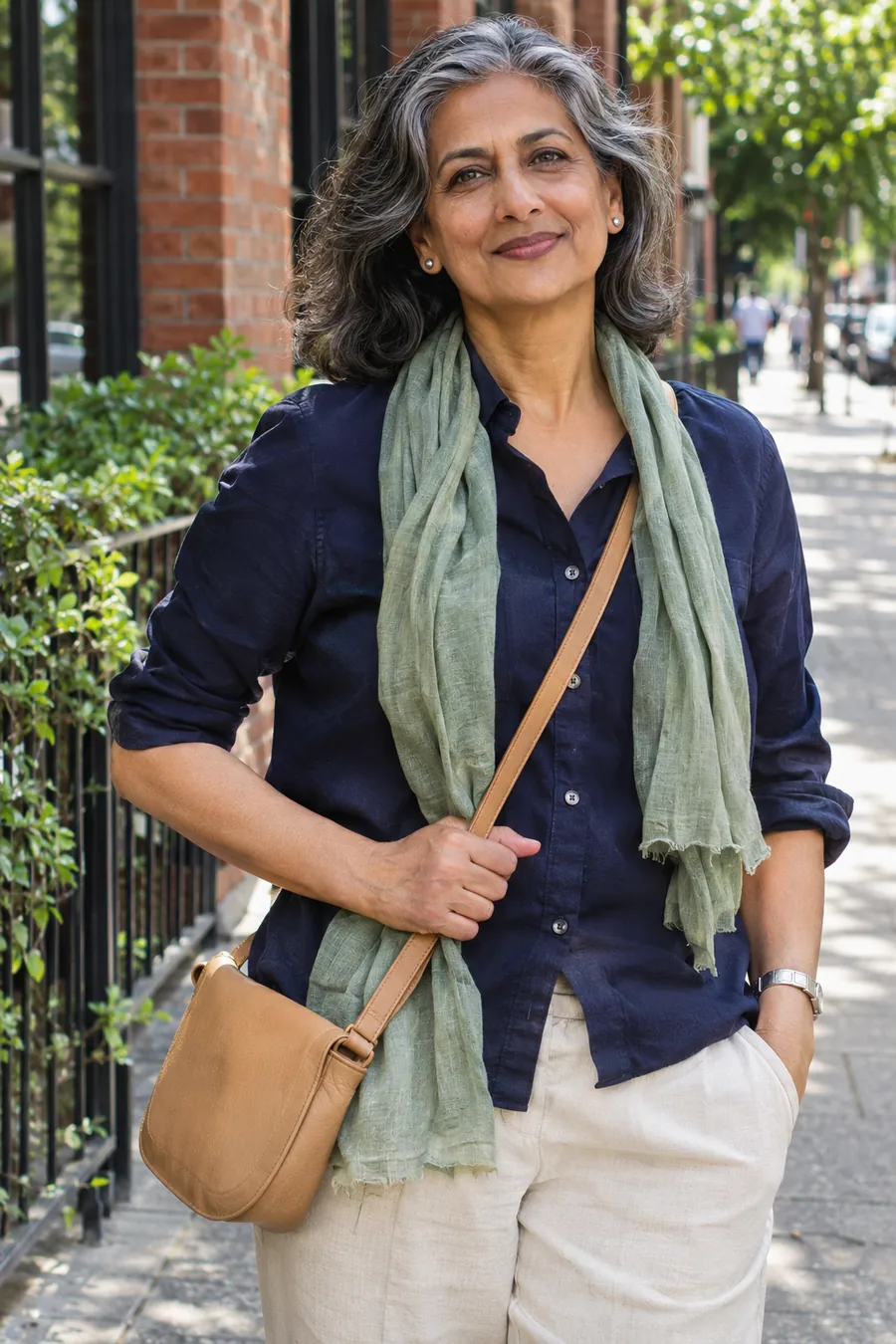
Shop this look
Compare the actual scarf dimensions with the arrangement you want. Start with the main piece if it fills a wardrobe gap; use your existing supporting pieces where they work.
Fold a lightweight rectangular scarf lengthwise and arrange it loosely along the inside of an open shirt collar. Allow the ends to hang naturally rather than building a thick roll. Sage gives a navy shirt and cream trousers a gentle accent.
Move your head and shoulders to check that the collar remains comfortable. If you expect to take the shirt off or button it later, try those versions at home too. A small square may work better if the rectangle feels excessive.
11. A scarf through a smooth scarf ring
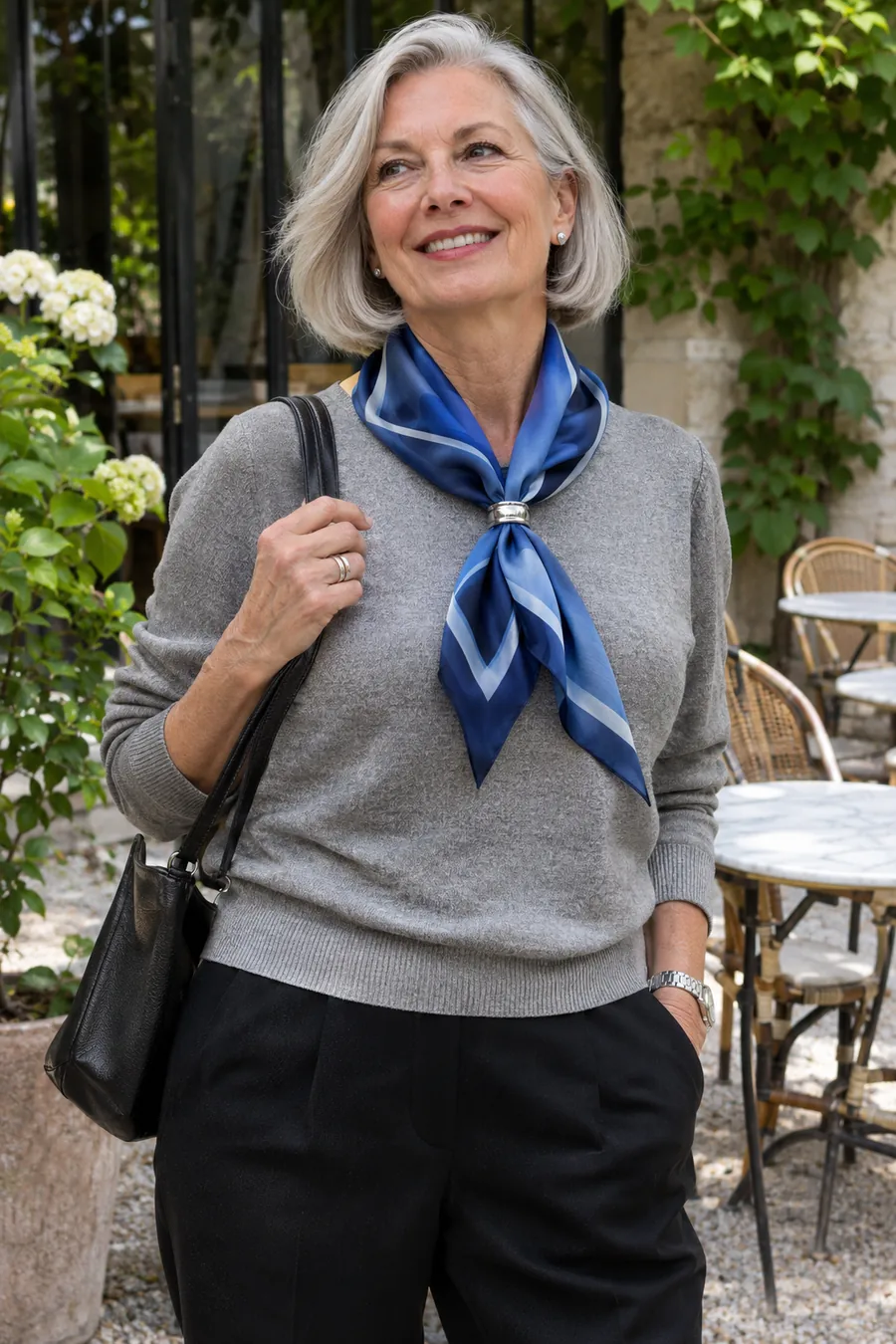
Shop this look
Read the fiber content and the care instructions for this scarf. Start with the main piece if it fills a wardrobe gap; use your existing supporting pieces where they work.
Choose a smooth scarf ring with an opening suitable for your scarf's thickness. Fold the square into a band and pass the ends through the ring without forcing them. Position it below the neck and test whether it stays put with ordinary movement.
Check for rough edges that could snag fabric before wearing. A ring is optional; try simple drapes with your current scarf first. Blue, gray and black keep the accessory visible without needing another patterned garment.
12. An open long scarf over a plain dress
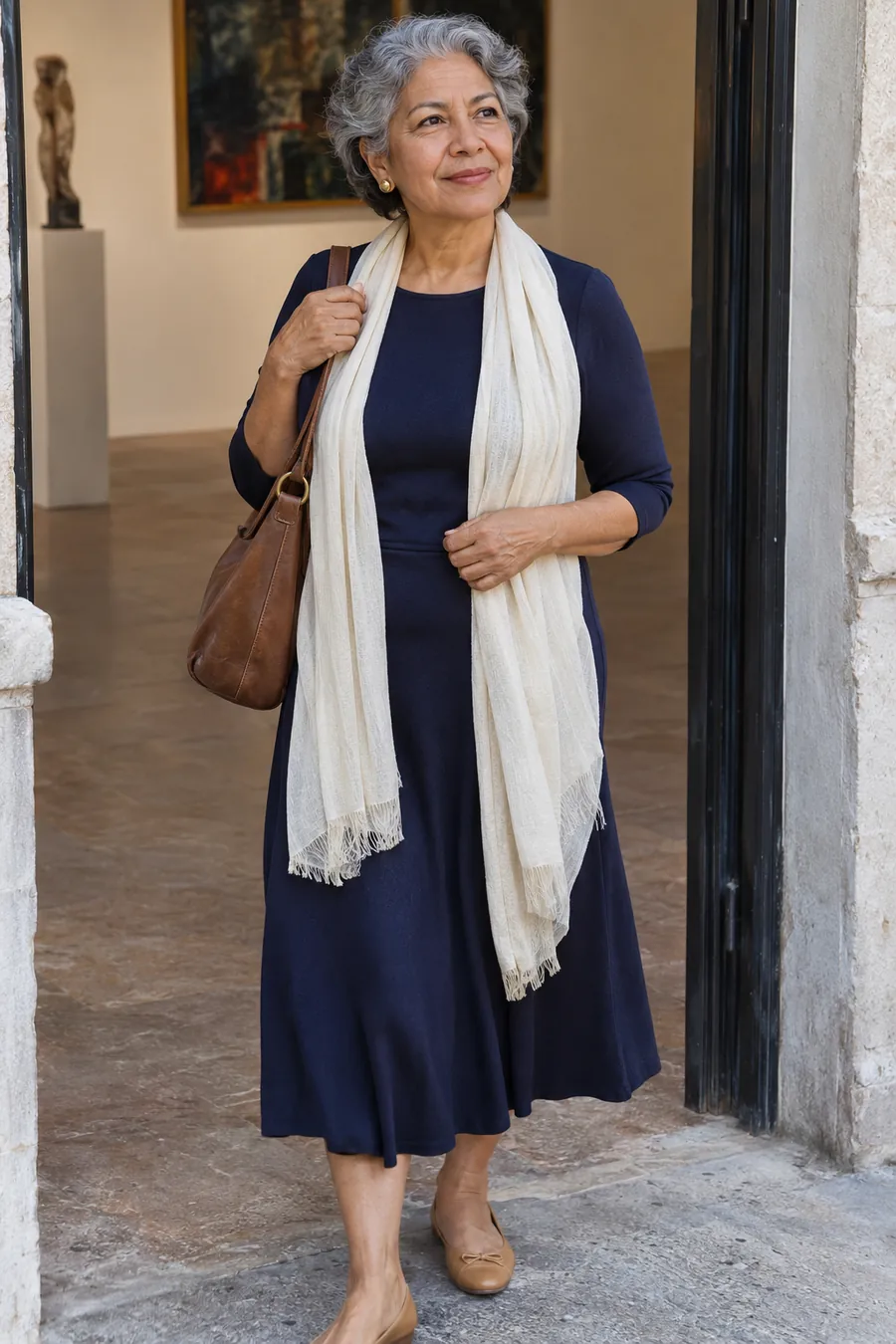
Shop this look
Try a loose arrangement with an existing scarf before buying a ring or another size. Start with the main piece if it fills a wardrobe gap; use your existing supporting pieces where they work.
Place the long scarf behind your neck and let it hang open over a plain dress. Adjust the two ends while looking at a full outfit view. If they interfere with sitting or carrying a bag, use a shorter scarf or fold it differently.
A cream scarf softens navy without covering the whole dress. This version needs no knot or new accessory. Keep the fabric light enough that you can remove and carry it easily if the room becomes warm.
13. A small triangle beneath a denim jacket
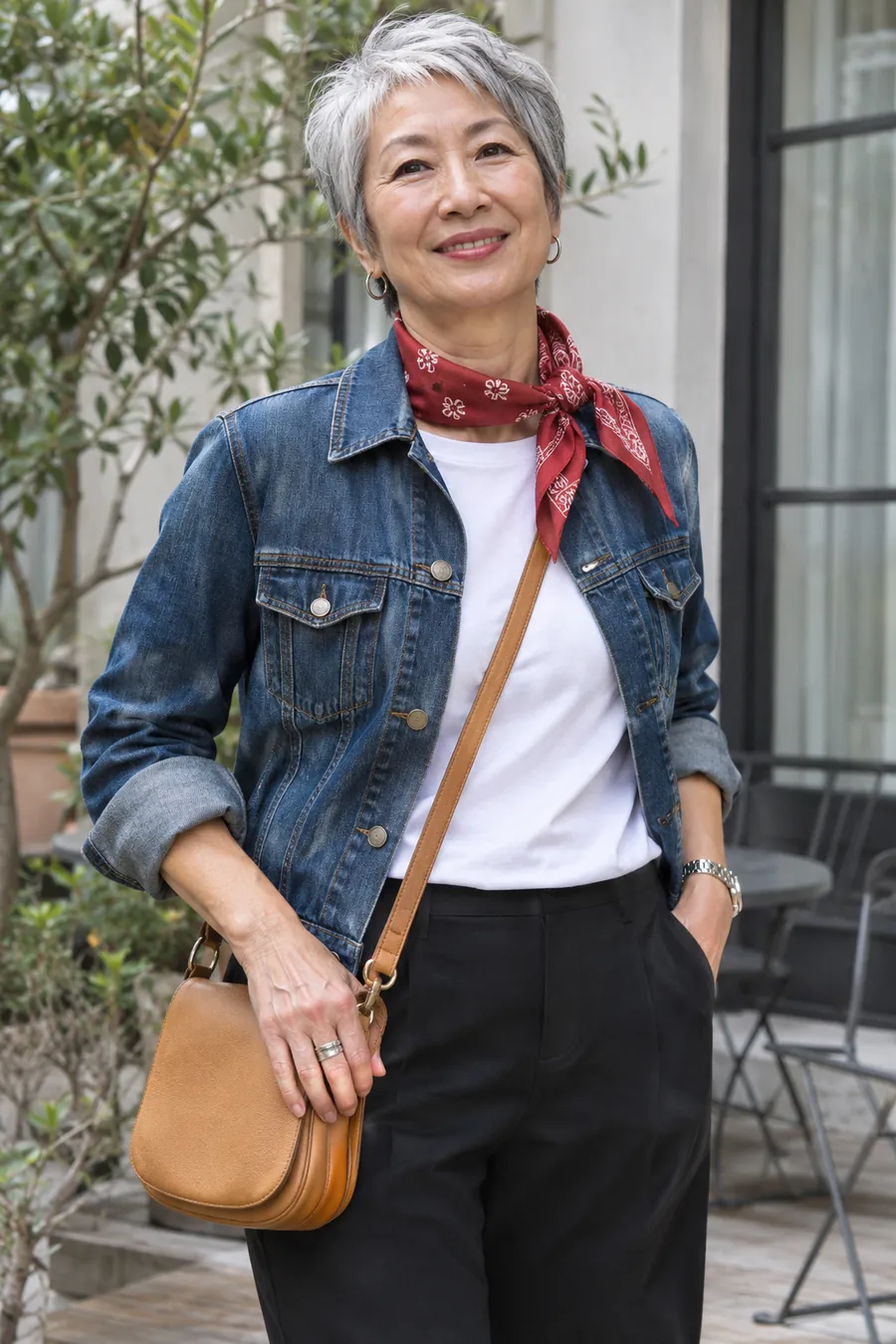
Shop this look
Compare the actual scarf dimensions with the arrangement you want. Start with the main piece if it fills a wardrobe gap; use your existing supporting pieces where they work.
Fold the square diagonally into a triangle and loosely secure the ends toward one side of the neck. Arrange the denim jacket collar so it does not press into the scarf. A small red triangle gives a white tee and black trousers a clear accent.
Check the knot with the jacket both open and closed. If the scarf is too short to tie comfortably, leave it as a loose drape or choose another size. Do not use tightness to make a small scarf behave like a larger one.
14. A wide scarf folded over one shoulder
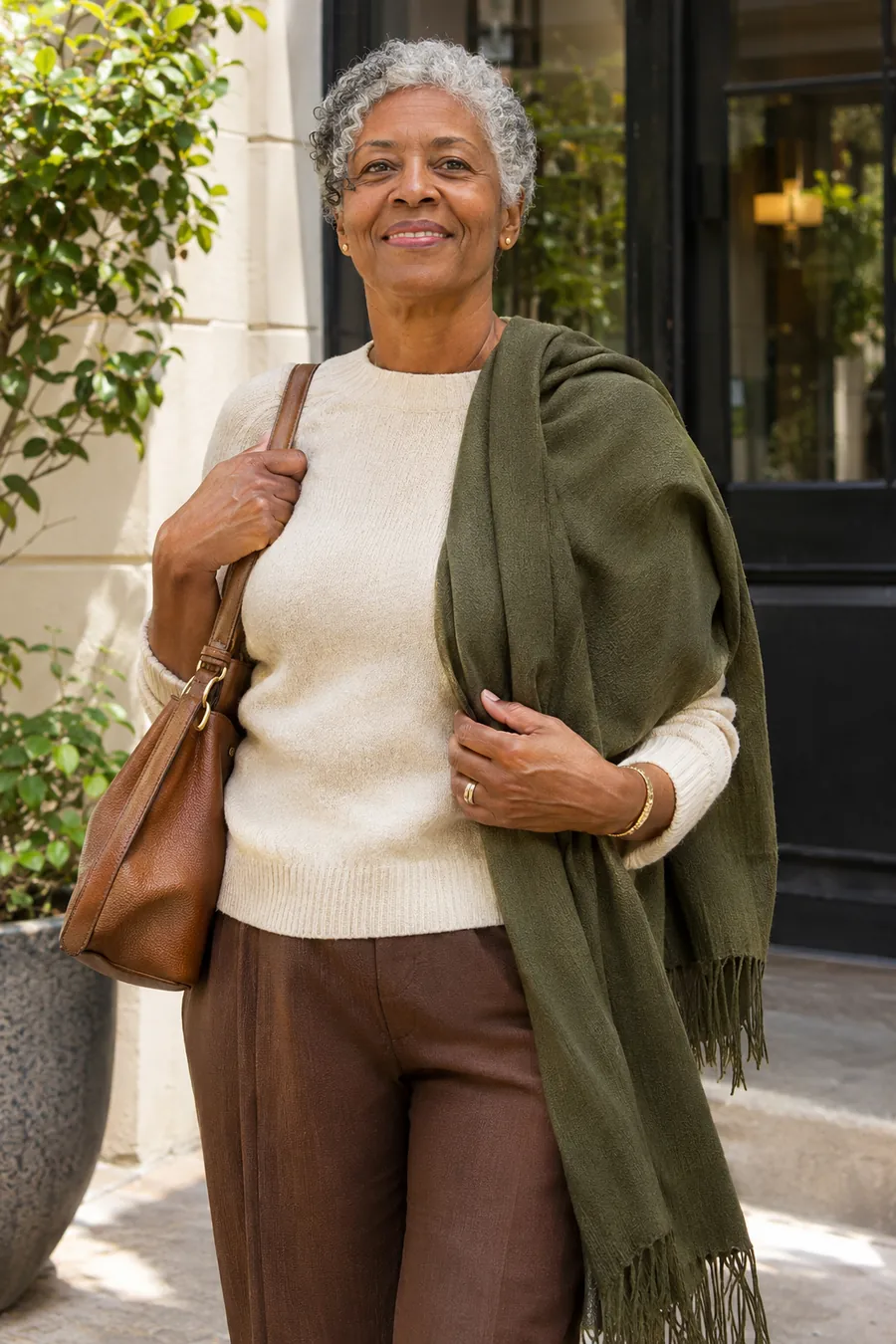
Shop this look
Read the fiber content and the care instructions for this scarf. Start with the main piece if it fills a wardrobe gap; use your existing supporting pieces where they work.
Fold a wide rectangle into a broad band if needed, then lay it over one shoulder so the ends fall where they stay clear of your hands. Check the arrangement while walking and carrying the bag. Olive gives cream and brown a quiet extra color.
A one-shoulder drape may be better for an indoor event than a busy walking day. If you keep adjusting it, choose a more secure loose wrap. Practicality is part of deciding whether a style works for you.
15. A loose wrap for an indoor evening
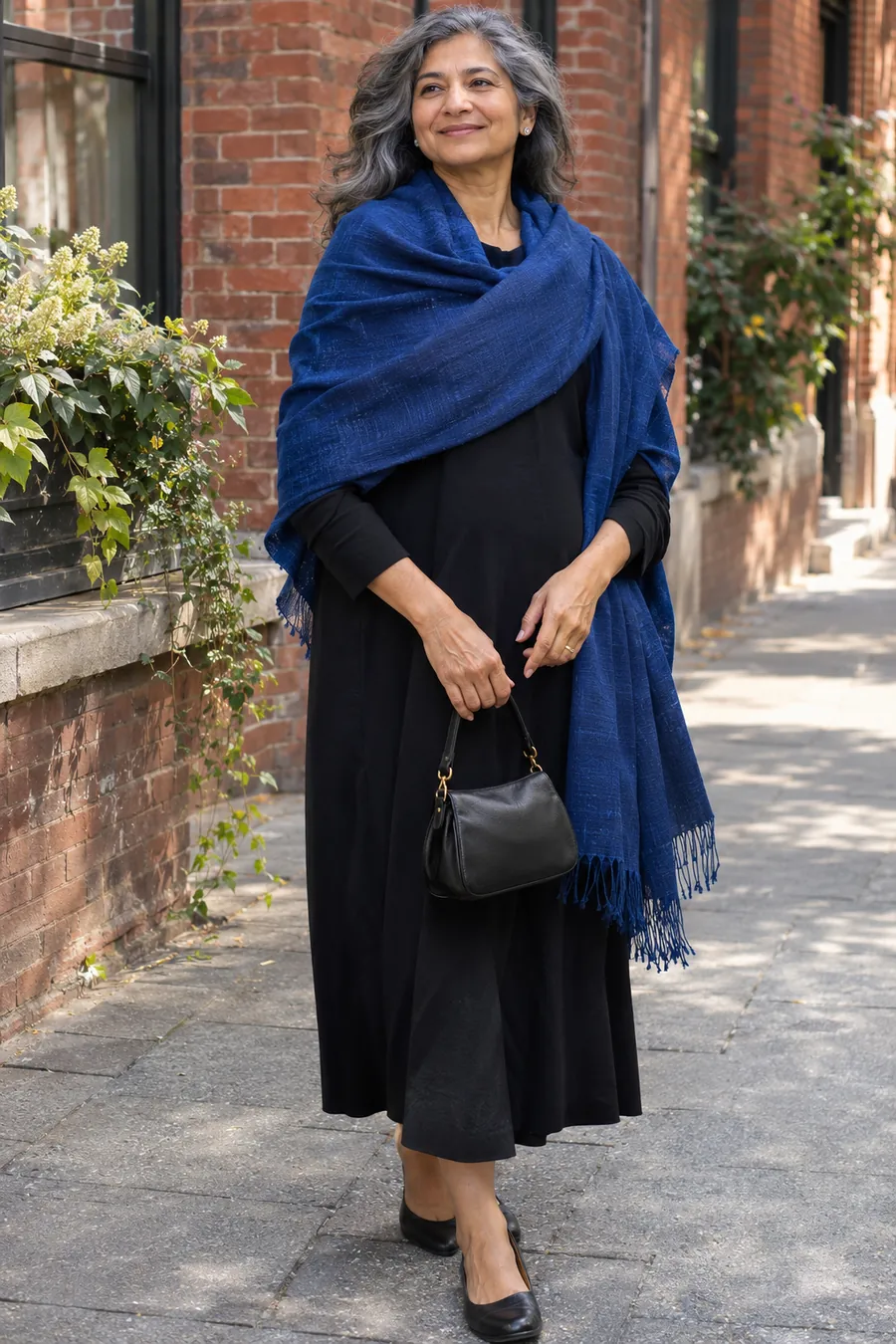
Shop this look
Try a loose arrangement with an existing scarf before buying a ring or another size. Start with the main piece if it fills a wardrobe gap; use your existing supporting pieces where they work.
Spread a large rectangle across the shoulders and bring the ends forward for a loose evening wrap. Sit in the dress and move your arms to check that it does not restrict you. A blue wrap gives black a visible accent without needing a statement necklace.
Keep the bag strap clear of delicate edges. Read the fabric and dimensions before buying; a scarf shown wrapped around a model may not provide the size or warmth you expect. Your existing shawl may do the job.
Before you shop or make plans
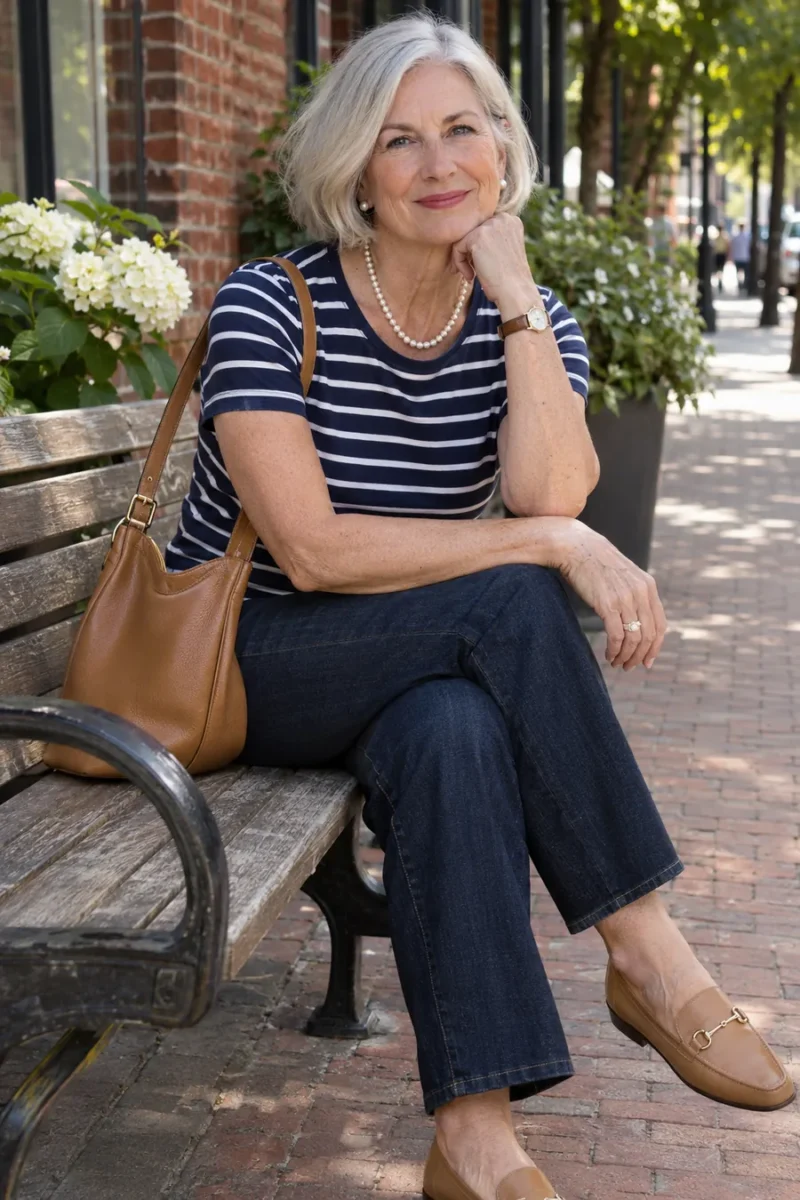
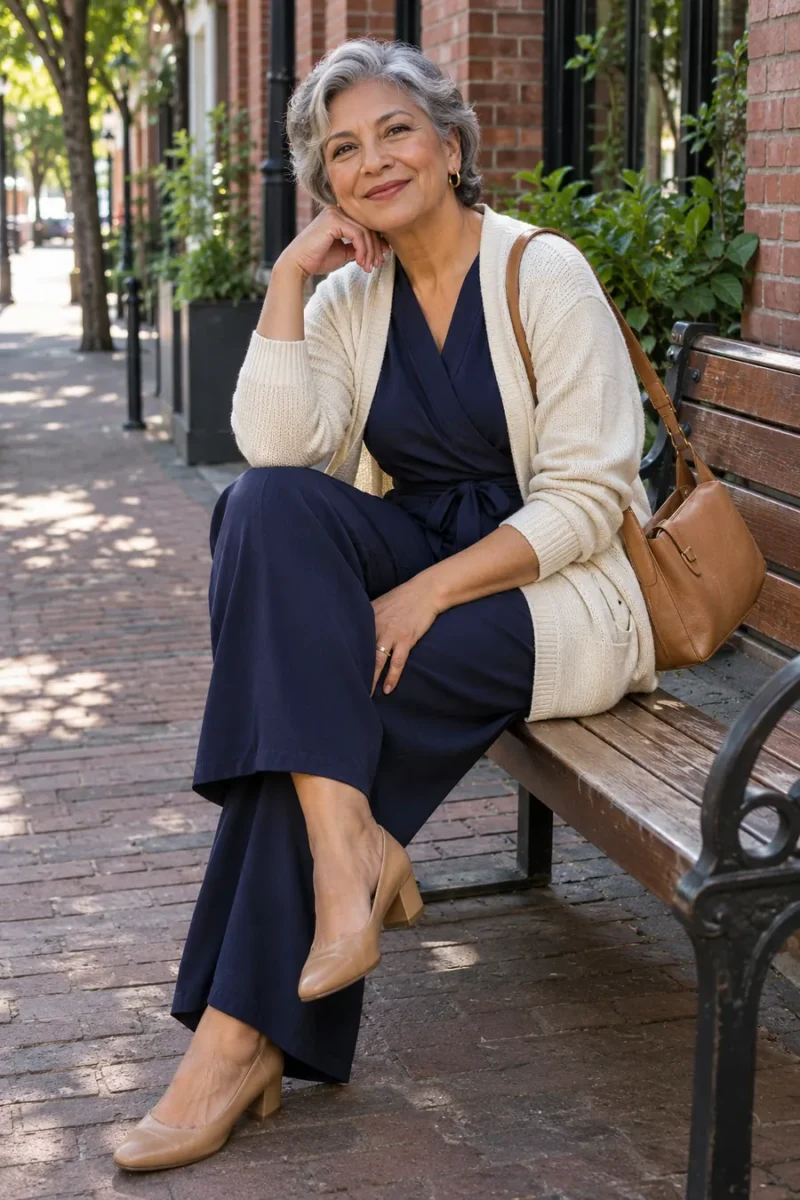
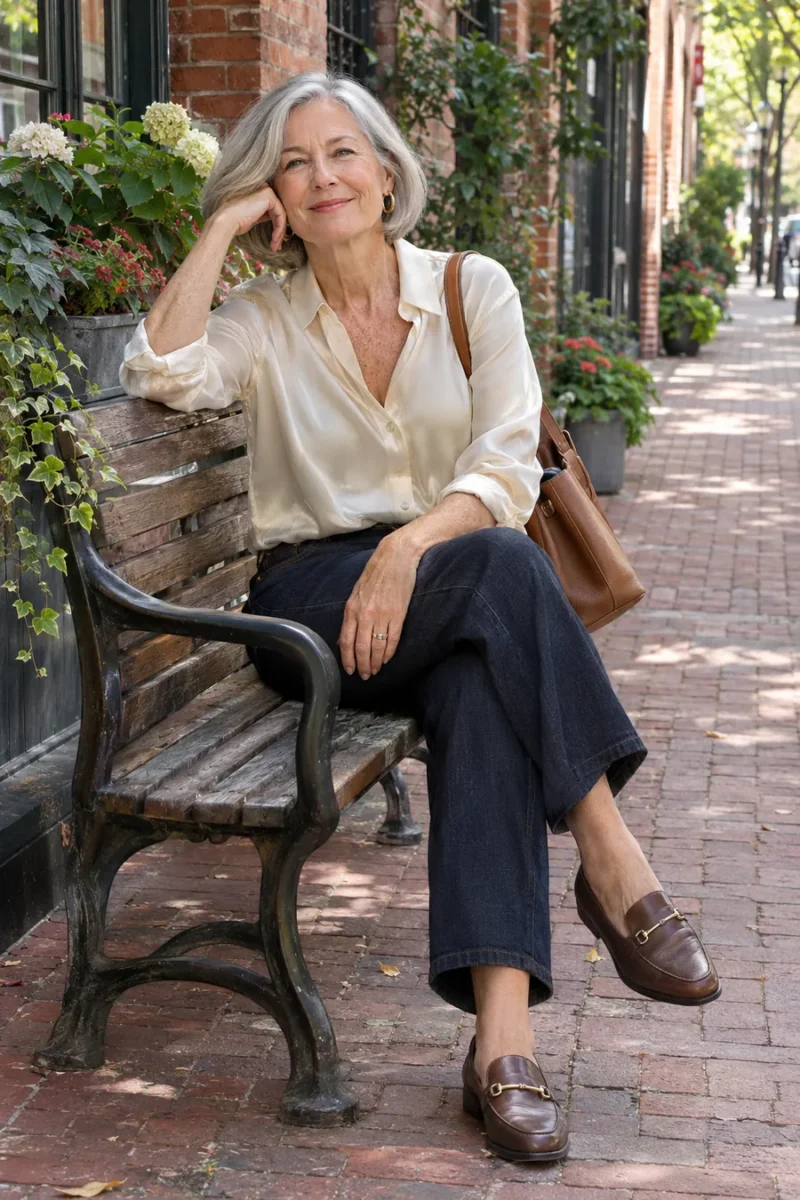
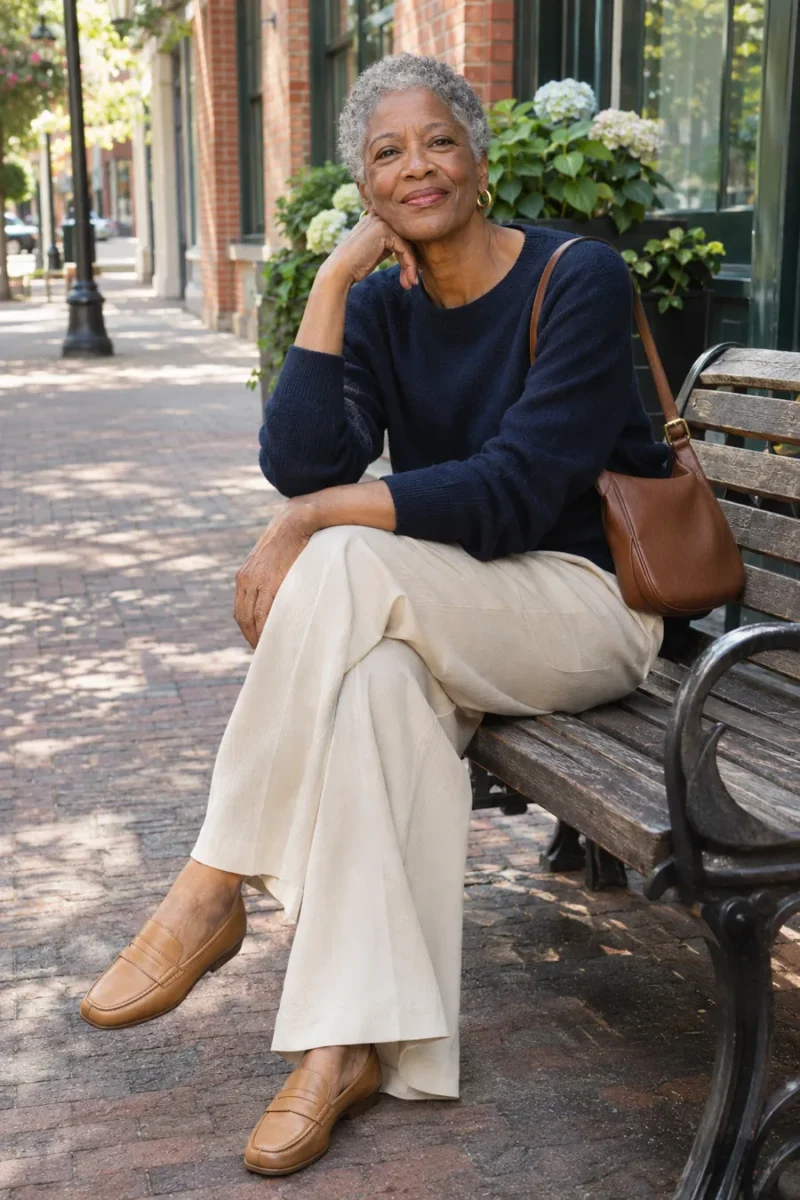
The images are AI-generated outfit illustrations. They are not exact retailer product photographs. Named product buttons lead to specific models to compare, while Explore buttons open searches for similar items. Check the selected listing for current size, materials, package contents, availability, care and returns.
Build two usable outfits with the main piece and clothes you already own before buying more accessories. Put the intended shoes on, sit and move normally, and keep tags attached while assessing the fit under the seller’s return terms. A new bag or jewelry should add something you need; it should not be used to compensate for a garment that feels wrong.
Questions and answers
Do I need silk?
No. Choose the fabric for the feel, appearance and care routine you want. Read the composition rather than assuming silk-feel means silk. A non-silk scarf can still be a useful accessory when its description is clear.
What is the easiest first style?
Try an open drape over a plain shirt or knit. No knot or ring is needed. Check the length while sitting and carrying your bag. If you prefer nothing near the neck, try a small scarf tied to a suitable bag handle.
What size should I buy?
Start with the arrangement you want and compare actual dimensions. Squares and rectangles have different uses. Experiment with a scarf you own first so you can identify whether you need more length, less bulk or a different shape.
Can I wear a scarf with glasses and earrings?
Yes, but test the complete arrangement. Turn your head and check for catching around earrings, hair and glasses. Small studs may make a busy scarf easier to wear, although the right combination depends on the pieces and your preferences.
Is a scarf ring necessary?
No. It is one option for arranging fabric. Check that the opening suits the scarf's thickness and that the surface is smooth. Do not force a delicate scarf through a ring or buy one before trying simpler drapes.
Can a decorative scarf replace a warm layer?
Check the actual fabric, size and conditions. A sheer decorative scarf may add color while providing little warmth. Choose your coat or other layer for the weather, then use the scarf as an optional addition.
Related reading
Continue with Wearing color over 50, Trench coat outfits.

Leave a Reply