
This post may contain affiliate links. If you buy through them, we may earn a small commission at no extra cost to you. Read our disclosure.
The best way to shop for clothes after 50 is to start with a real wardrobe gap, compare the fit with something you already wear, and do a short try-on before keeping the order. If you often buy a top that looks good in photos but never reaches the laundry basket, start with how you get dressed on a normal Tuesday. That tells you more than another list of trends.
These 12 rules apply to department stores, online orders and the clothes already in your closet. Three examples at the end show how to use them when you need a tee, a pair of trousers or a light layer.
Affiliate disclosure. As an Amazon Associate I earn from qualifying purchases. AI-generated outfit illustrations show styling ideas. Paid links open named Amazon listings or searches for similar pieces. Check the selected size, color and seller’s return terms.
In this post8 sections
A quick decision table before you order
| If this keeps happening | Do this before you buy | When to skip |
|---|---|---|
| Your trousers feel tight at lunch | Compare rise and waistband with a pair you wear comfortably | The waistband digs in after sitting for a few minutes |
| Your shirt gaps across the chest | Measure a shirt that fits, then test reaching forward | It pulls over the bra or layer you plan to wear |
| Your shoes go back after one try-on | Use your usual socks and check width and heel hold indoors | You need to change how you walk to keep the shoes on |
| You keep buying the same color | Name three outfits and check what the new shade adds | It duplicates something that already works |
| The deal is hard to pass up | Write down the job, return deadline and total cost | The price is the only reason you want it |
Before you shop
1. Shop for the week you actually have
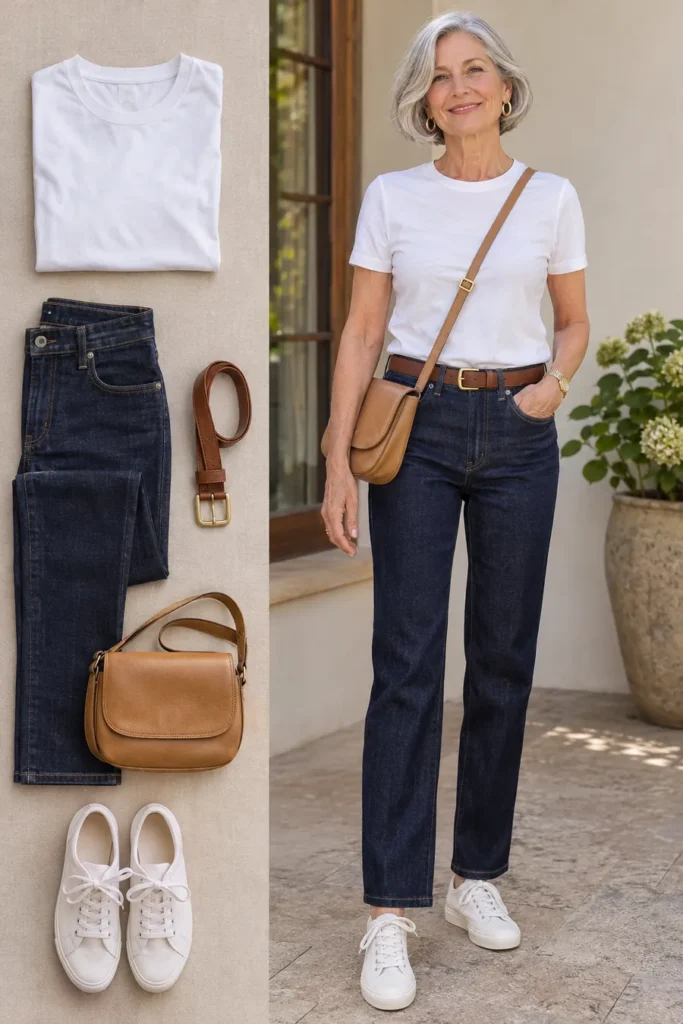
Before you open a shopping app, look at the last seven days. Count how often you dressed for errands, work, social plans or travel. A bag that keeps both hands free may help more than another special occasion dress. Put one recurring situation at the top of your shopping list.
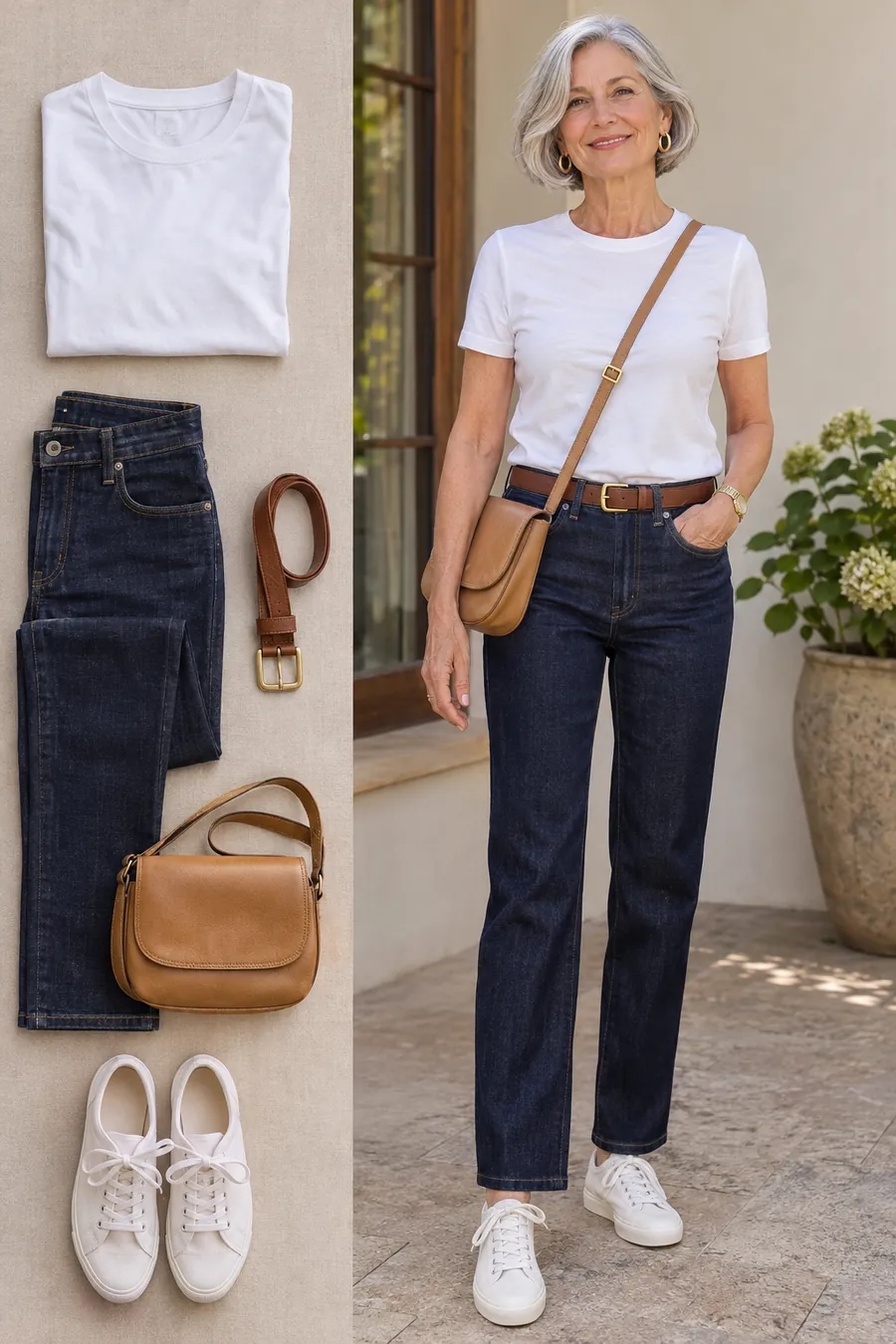
Try rebuilding your most repeated outfit. If the jeans and shoes already work and your tee twists after washing, replace the tee. That gives the next purchase a job you can describe in one sentence.
2. Make a three-outfit test
Write down three outfits using the proposed purchase and pieces already in your closet. A white shirt might go under a cardigan for appointments, with black trousers for lunch and open over a tank on weekends. Name the shoes for each look as part of the test.
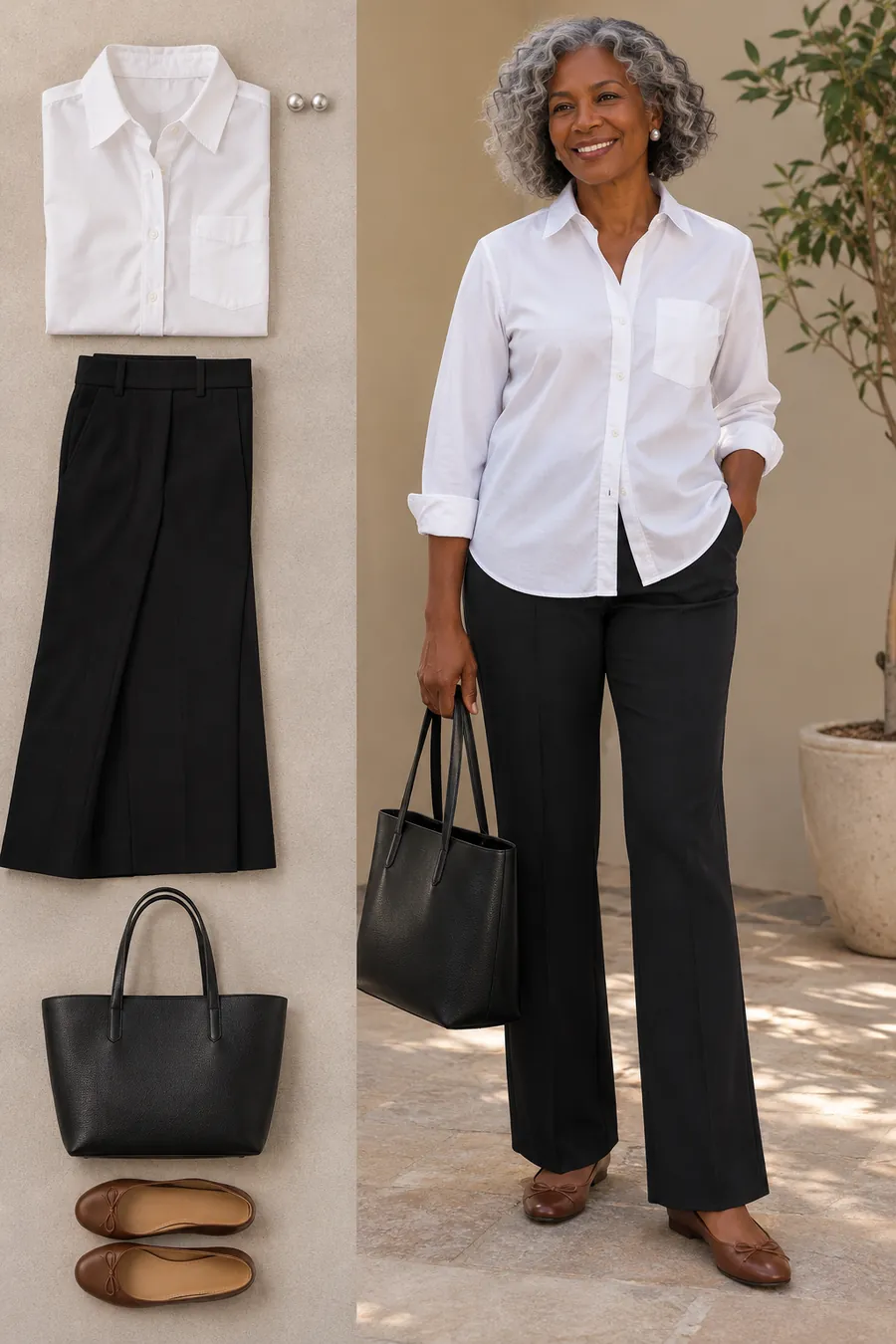
If an item needs a new bra, belt and shoes to become wearable, write those costs next to the price. A single dress for a specific invitation can still make sense if you set that budget intentionally.
3. Measure a favorite garment
Lay a pair of jeans that fits flat on the bed. Measure waist across the top, front rise from crotch seam to waistband, and inseam from crotch to hem. Record whether they have stretch. Those details help more than relying on the size printed on the label.
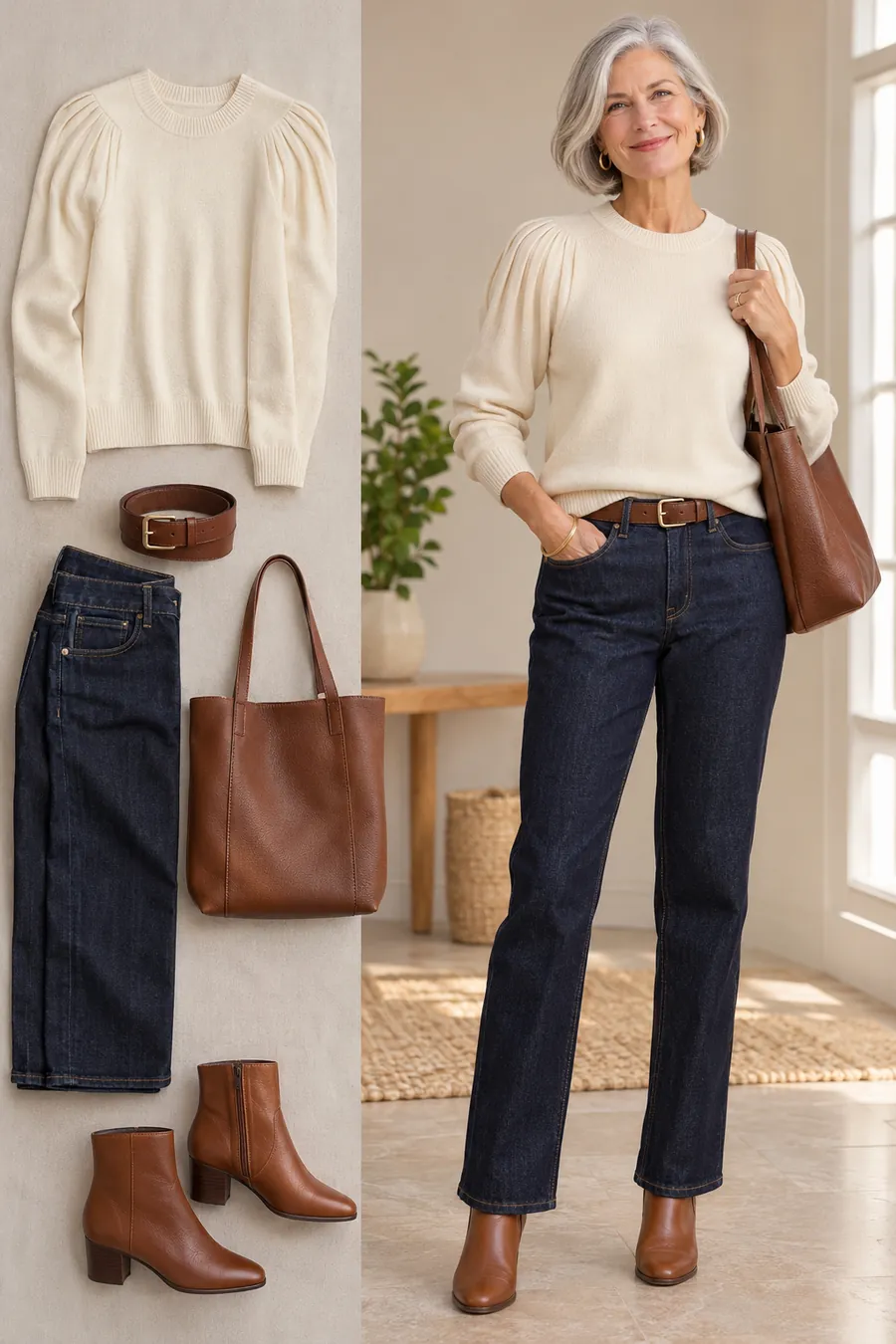
A garment waist measured flat is half the circumference. A brand chart may report body measurements instead. If the listing gives neither garment measurements nor an easy return route, avoid guessing between two strongly different cuts.
4. Check the fit where you move
Try on a blazer over the shirt or sweater you really wear. Reach forward as if driving and lift a bag off the floor. Check that the shoulder seam stays near the shoulder and that you can close the front without pulling the lapels.
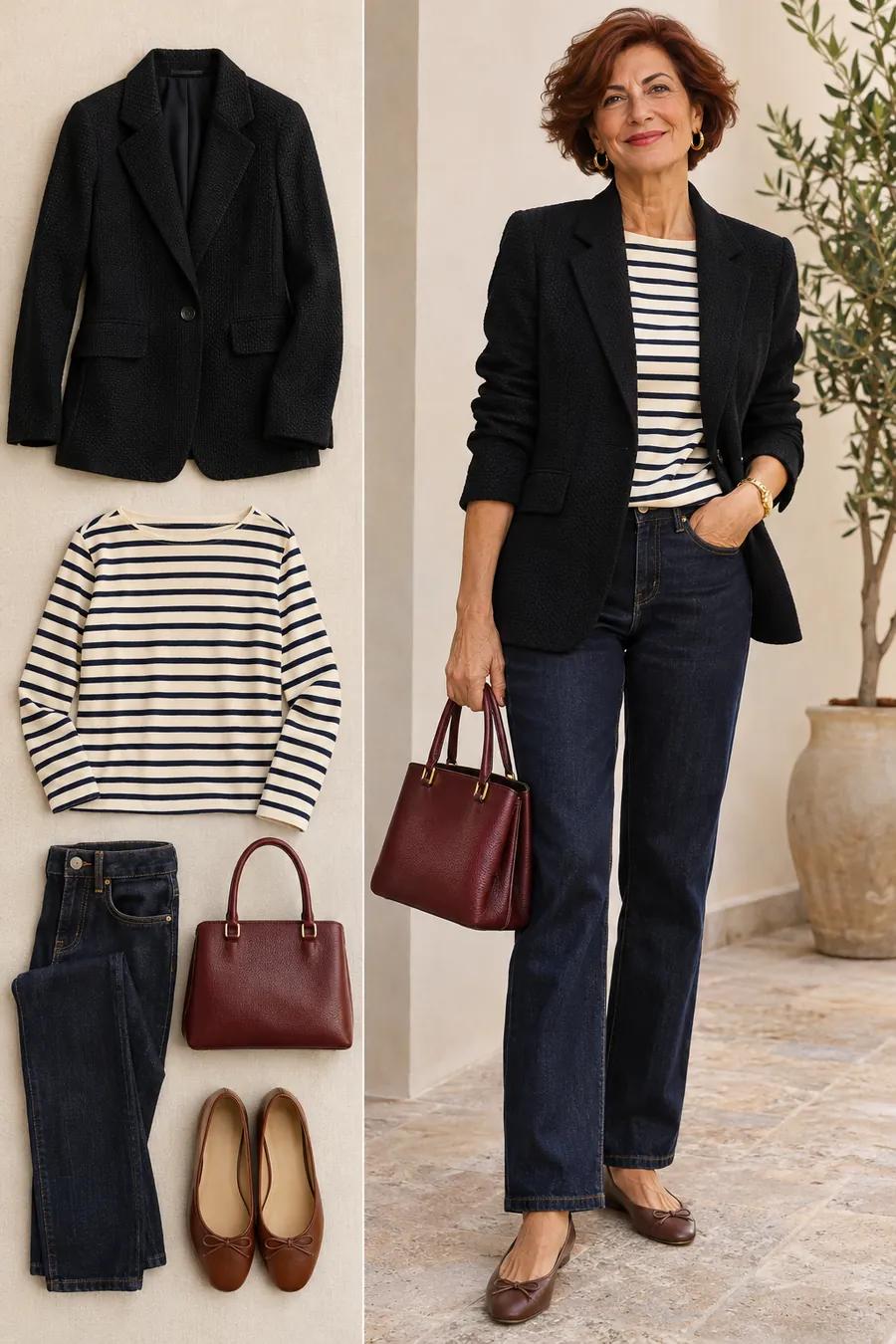
A sleeve hem is a reasonable alteration to price out. A shoulder or armhole that limits everyday movement is a reason to compare another cut. Try the next cut before spending on tailoring.
In the fitting room or at home
5. Sit down in trousers before deciding
Stand, sit for a few minutes, then walk upstairs. Watch what the waistband does rather than judging the fit from the mirror alone. A pair that seems fine standing can press into your waist or pull at the thighs when seated.
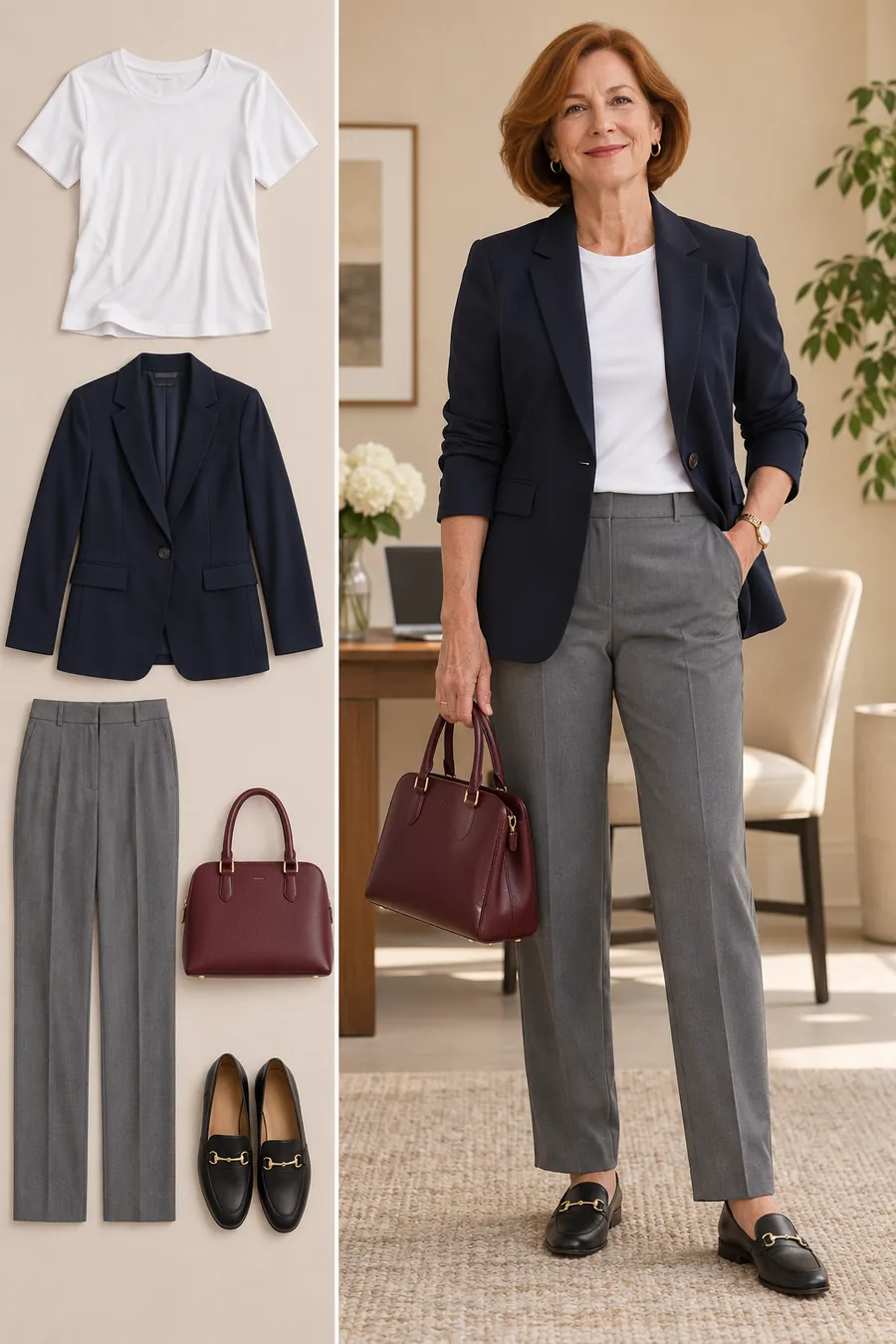
Check the hem with your regular shoes. A black trouser with fuller leg opening can work for a day of meetings, but a hem that drags in flats may call for a different inseam.
6. Check white fabric in daylight
Hold the fabric against a window and look at the pocket lining and seams. Try the trousers over the underwear you actually wear, then check again from behind and while seated. What looks opaque in a dressing room can read differently outdoors.
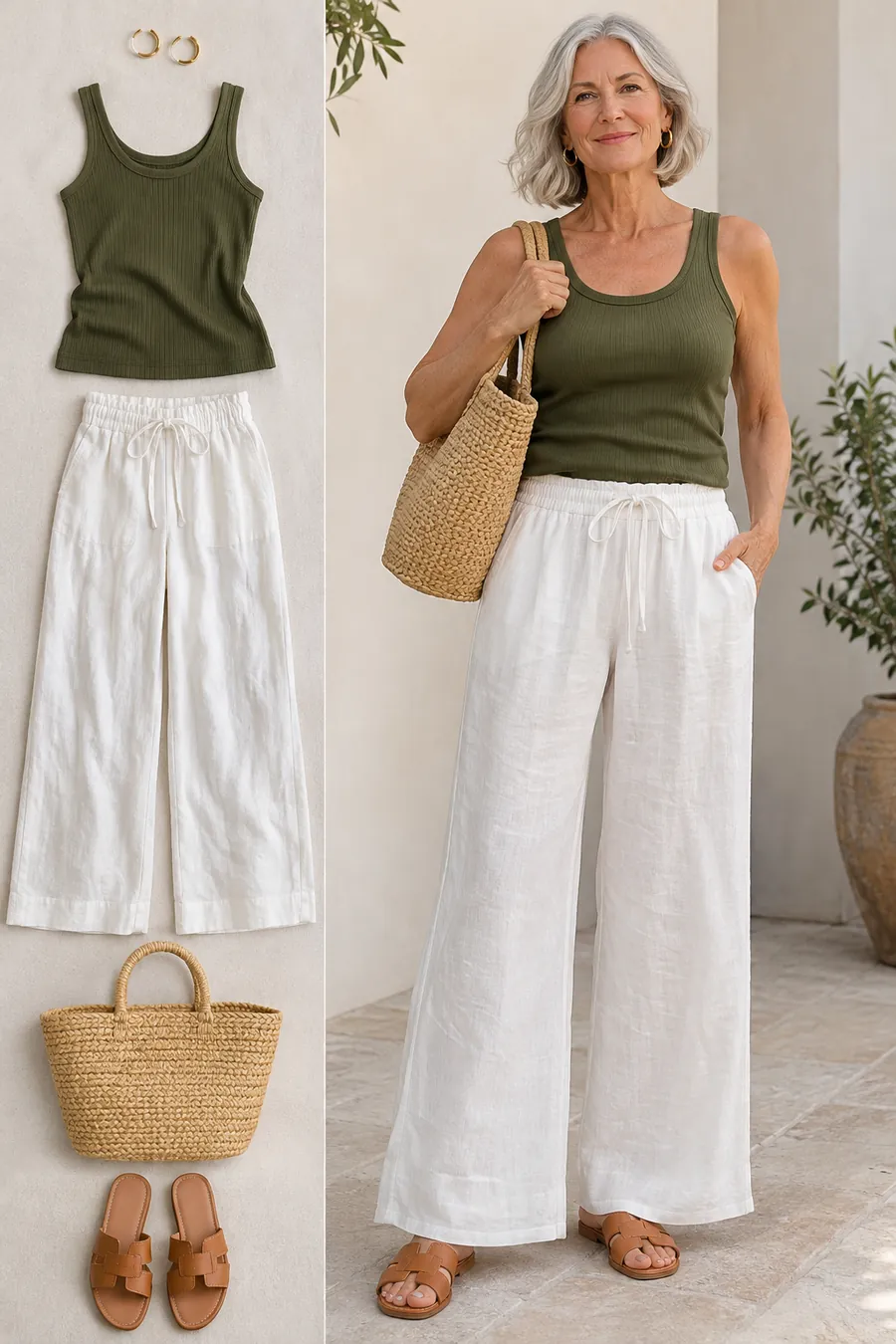
Choose a linen blend if you like a softer, more casual drape and accept some creasing. If you prefer a smooth work trouser, look for a denser weave or lining and check the care label.
7. Test shoes with your usual hem
Try on shoes with an outfit you plan to wear them with. Walk across the room, turn and see whether your heel lifts. Check toe space and the places that rub before assuming they will soften.
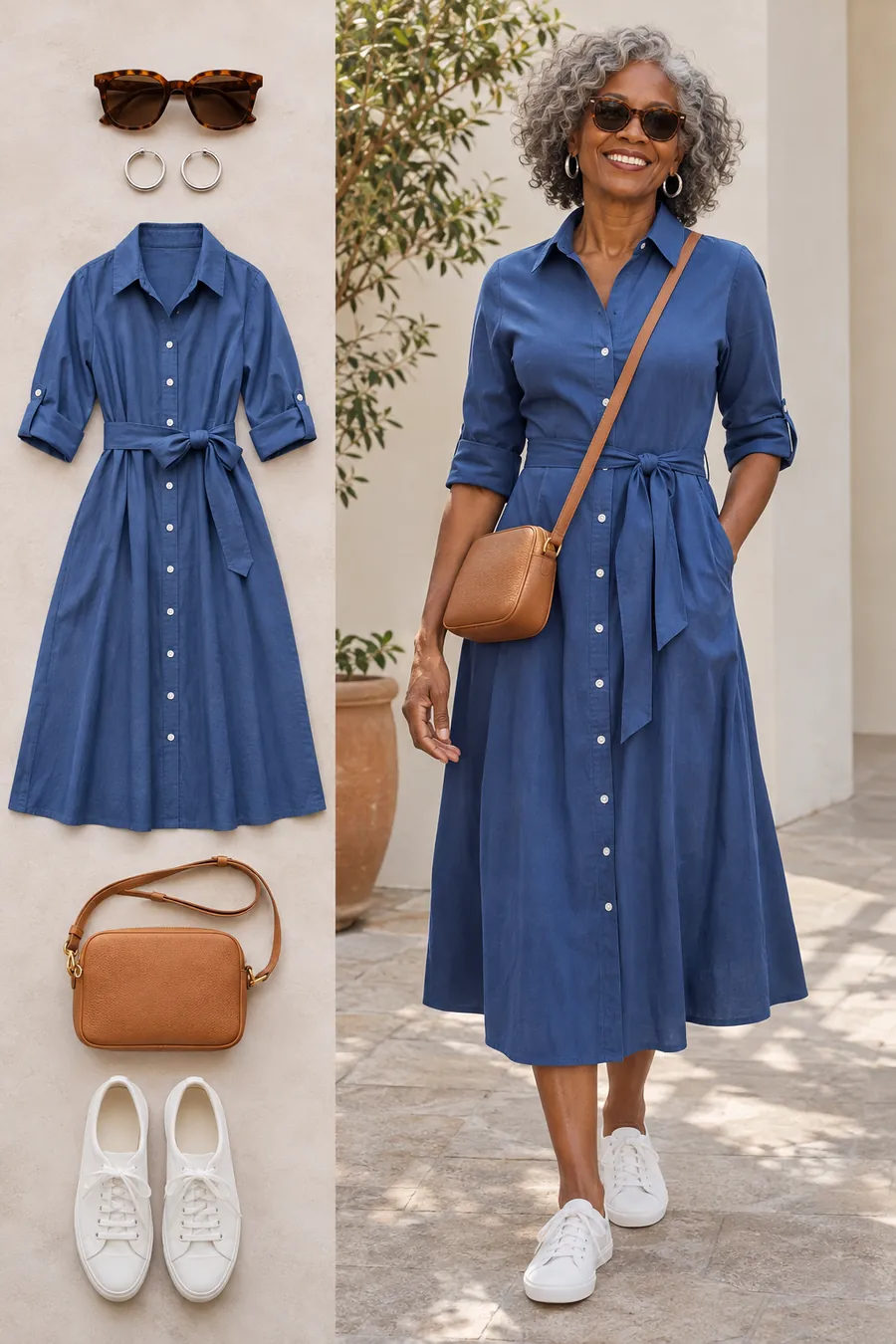
For a dress and sneaker pairing, check the distance between hem and shoe in a side photo. For long walks, take your normal socks and compare against the most comfortable pair you already own.
8. Compare the color with your closet
Bring a photo of your wardrobe or a small fabric reference. A cream knit may fit a closet built around warm browns, while bright white can feel at home with navy stripes. Compare them beside a window if you can.
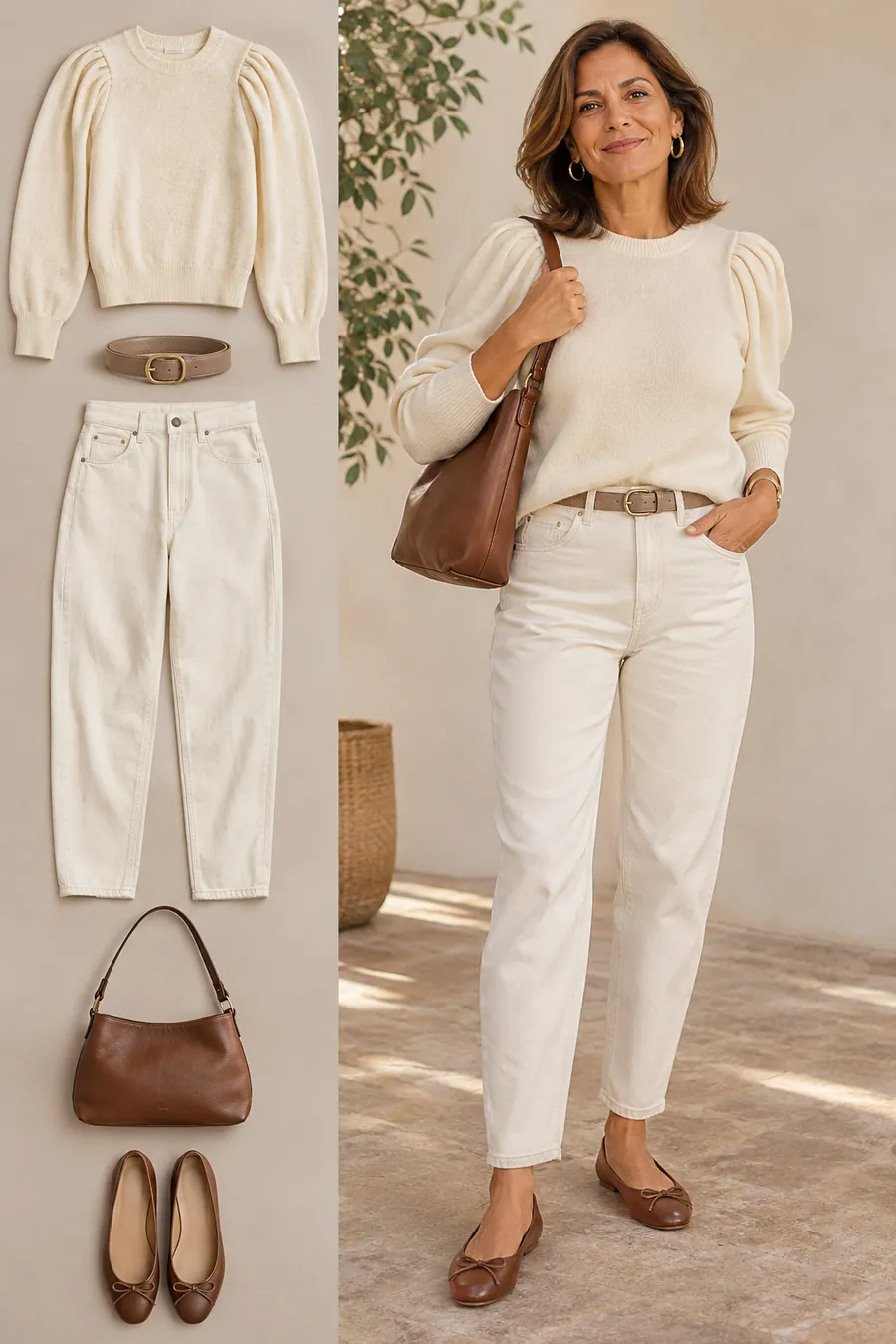
When you shop online, compare shopper photos from different lighting conditions when available. For a new shade, name one bottom and one layer you can use with it before paying.
Before checkout and after delivery
9. Read care instructions before you buy
Think about where the garment goes on laundry day. If it requires a care routine you rarely follow, it may sit unworn even if the fit is right. Check the fabric tag for drying and ironing instructions as well as wash method.
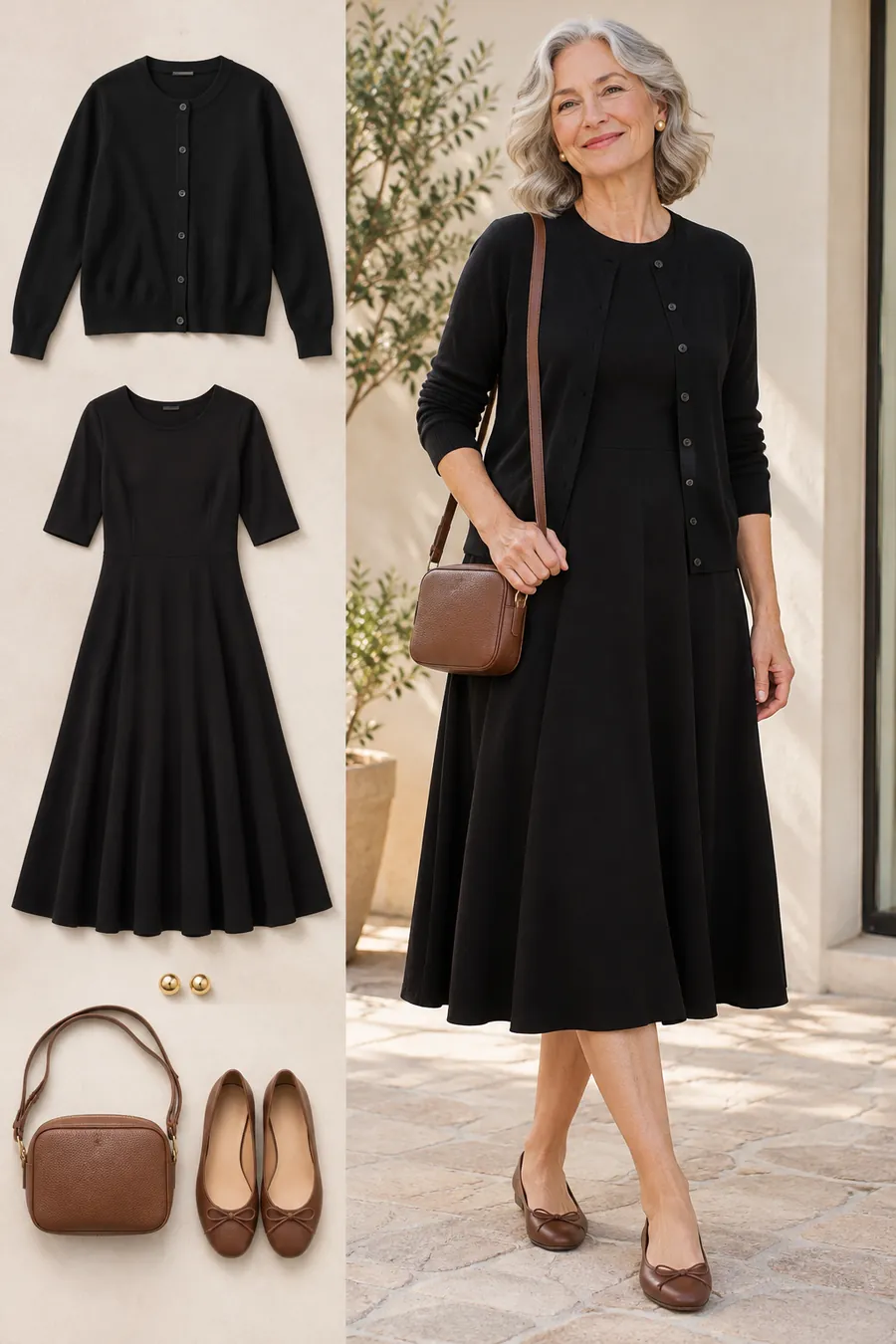
A dress with a waist seam and room through the skirt can be a practical repeat piece. See whether the cardigan adds warmth without hiding the waist or making the sleeve too tight.
10. Set a budget around frequency of wear
Estimate cost per wear with a realistic number. A $60 jacket you wear 30 times works out to $2 per wear. A $30 top you wear twice works out to $15. Include tailoring and special care when they affect your choice.
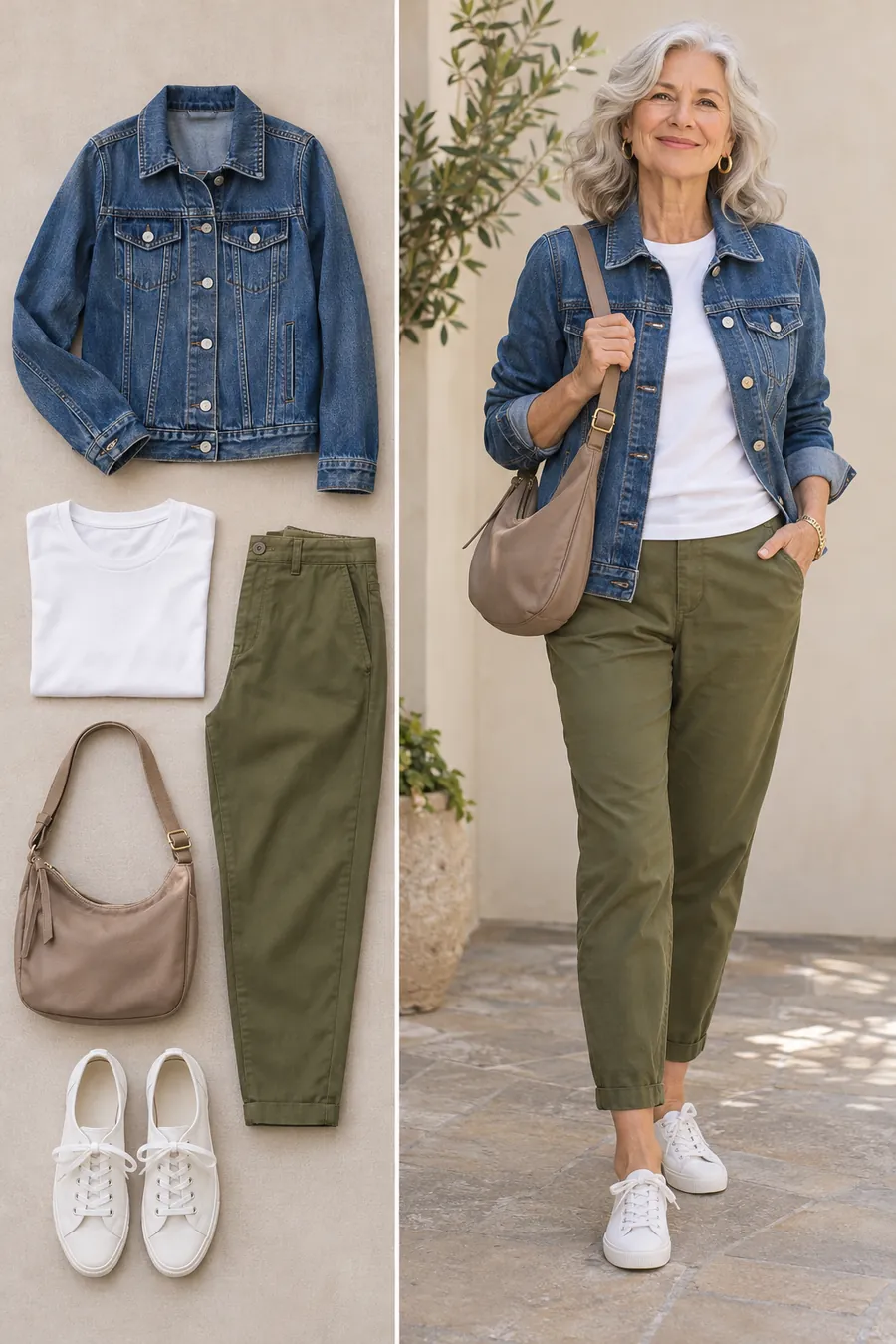
Use the estimate to rank two pieces that solve the same problem. Think back to what you wore this season before giving an optimistic number to an item you have never owned.
11. Check returns for the selected item
Read the return window and method on the selected offer, especially when a page has several sellers. Save the confirmation and put a try-on reminder on your calendar. Compare the item with its listing when it arrives.
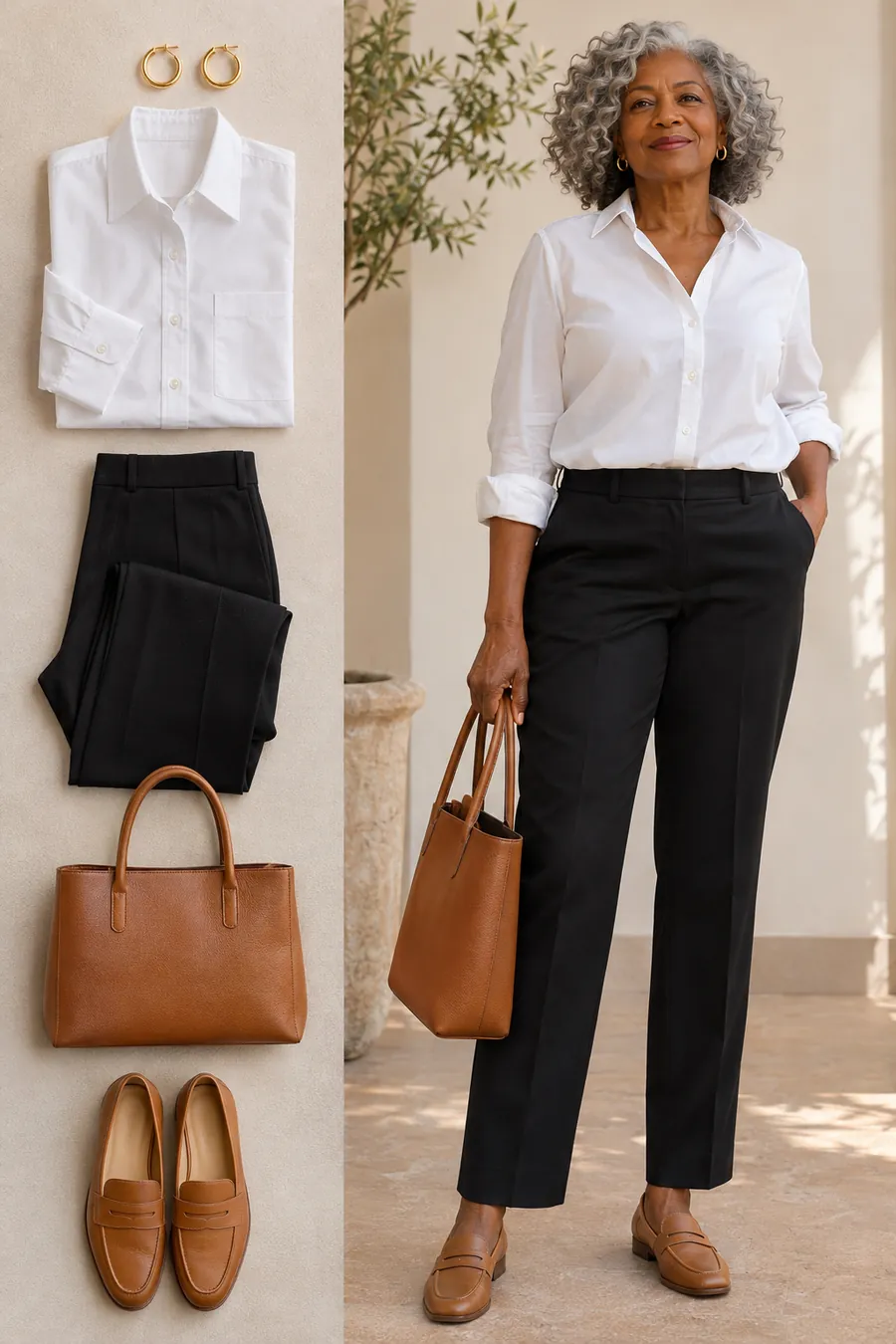
Keep the tags and packaging while you do a short indoor try-on. Check the seams, buttons and zip. For shoes, do the first wear test indoors so you can still follow the seller’s condition requirements.
12. Keep a short shopping list and leave it overnight
Keep one note with the item, color, fit, budget and deadline. If you find something outside the note, save it and revisit it the next day. For urgent needs, set a practical deadline, such as a week before an event so you have time for another option.
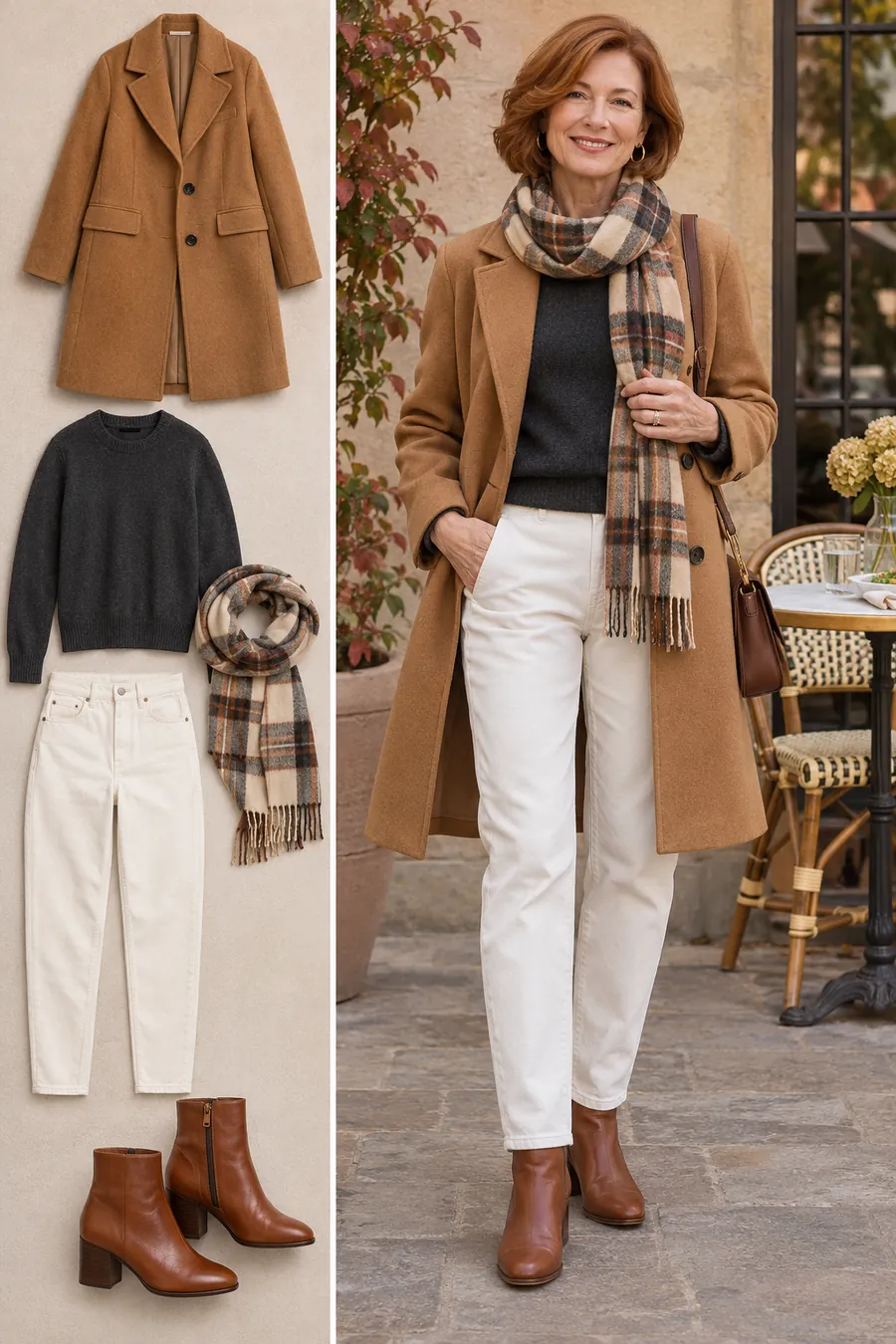
Keep a record of what went back and why. “Waist pinched when sitting” or “color only worked with one top” is specific enough to help with the next order.
Three shopping decisions you can copy
Example: Buy a better everyday tee
If your current tee is the piece you keep changing, test its replacement on its own, then with a cardigan. Reach overhead and sit. Check opacity in daylight and whether the collar lies flat after you take the cardigan off.
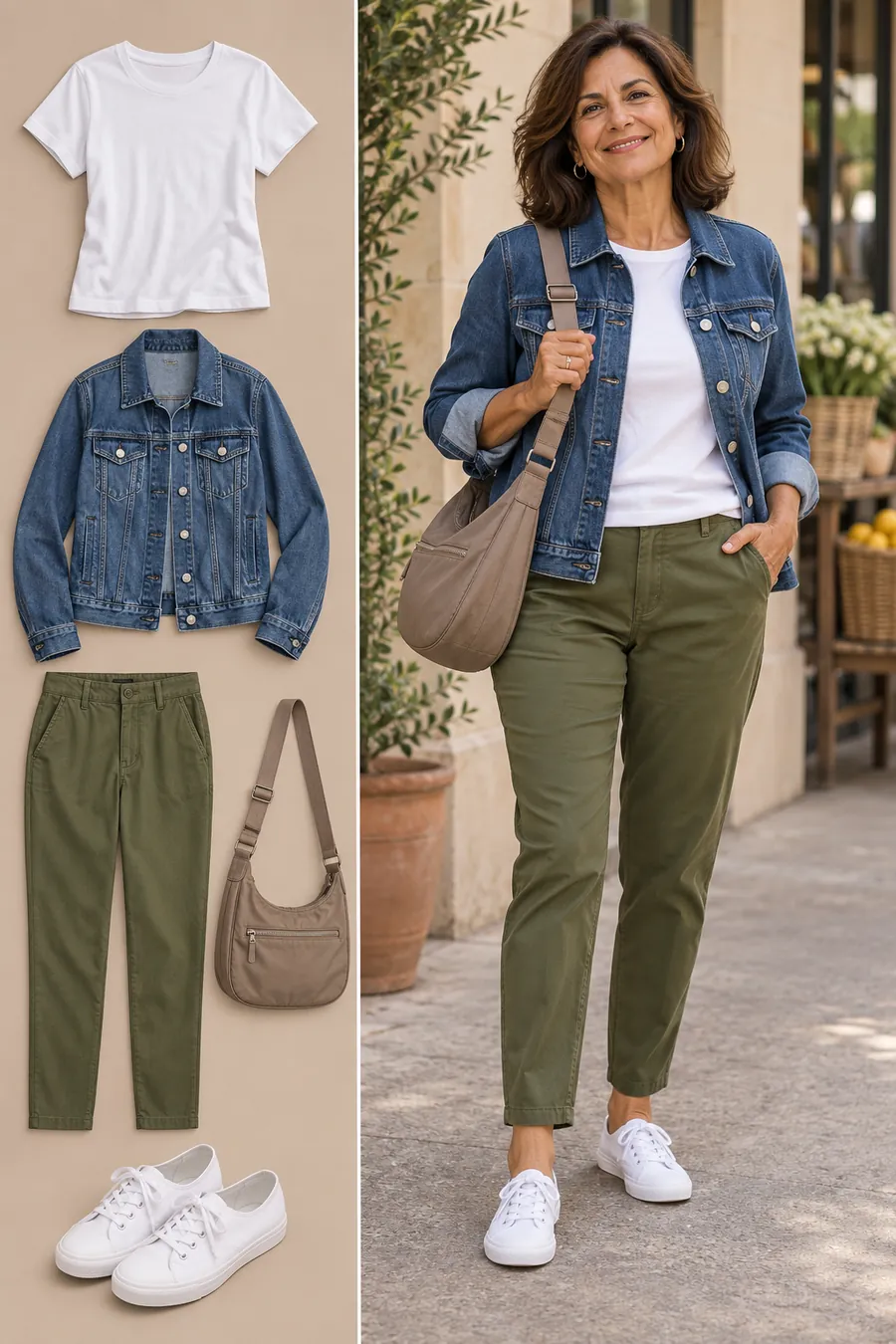
Order the tee only if the rest of the outfit already works. If your current tee feels fine under a layer but not by itself, a heavier jersey may be a better purchase than another lightweight tee.
Example: Choose between denim and work trousers
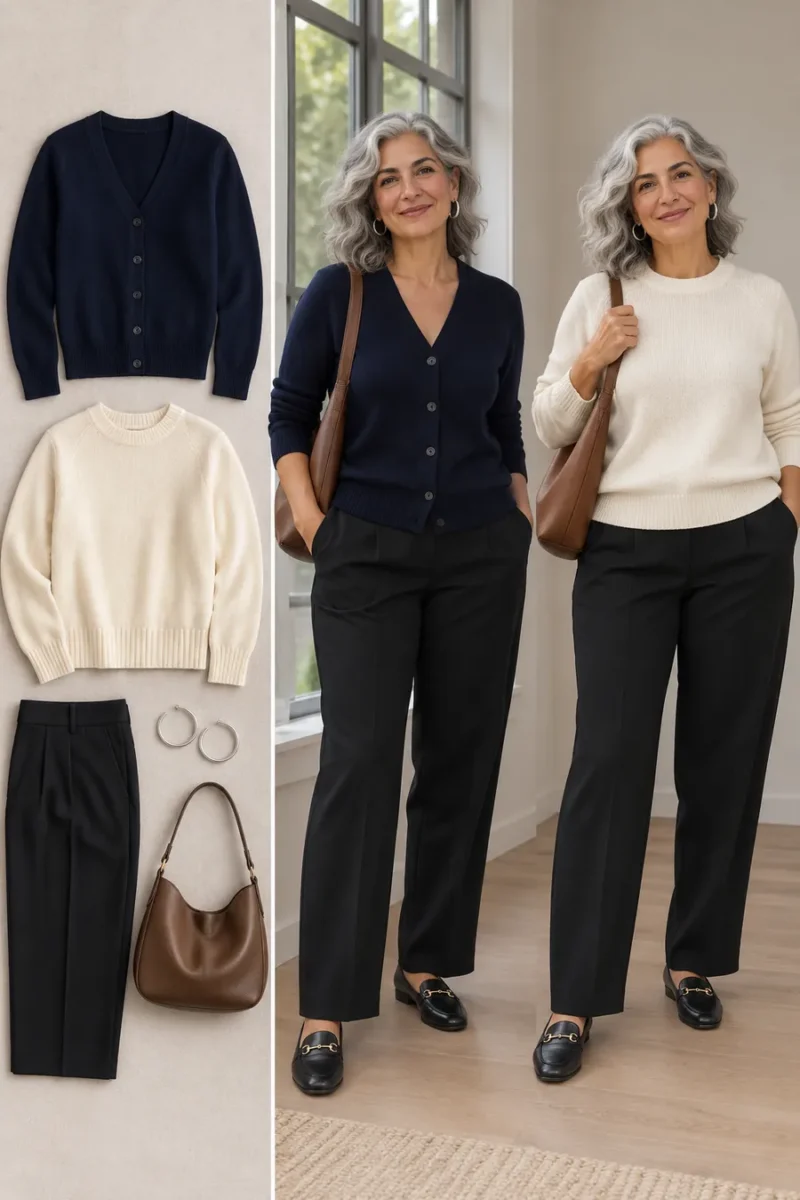
If you already own jeans that fit, compare how often your week calls for something dressier. Slate trousers can give an ivory sweater and brown flats a more polished role for appointments or work. Try the trouser waistband under the sweater you usually wear.
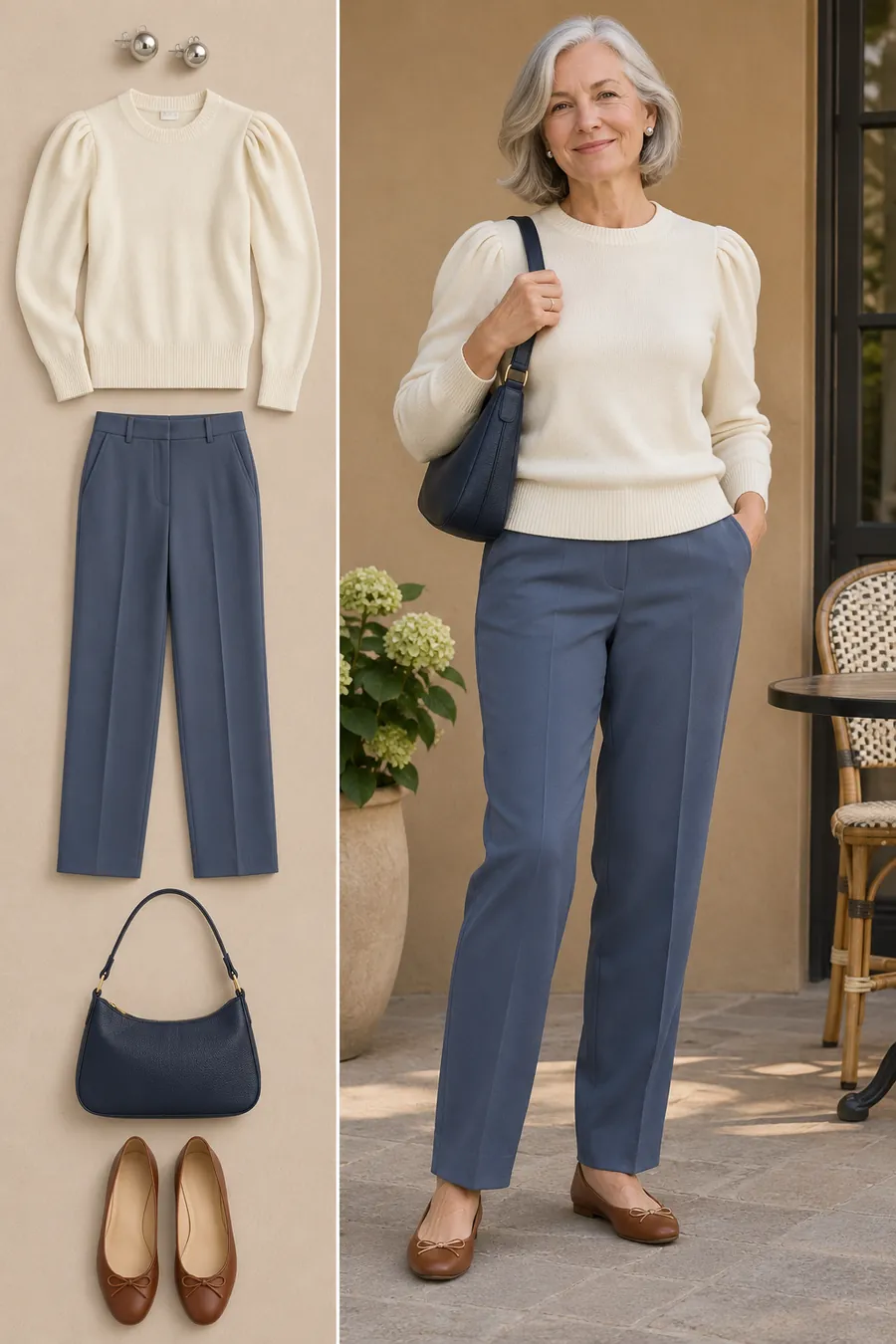
If your calendar is mostly casual, put those trousers lower on the list until you have a clear occasion. Start with the bottom that gives your existing tops the most new uses.
Example: Decide whether a light layer earns its space
Use a poplin shirt as a light layer over an navy tank, then try it buttoned with dark jeans. Make sure the sleeve rolls neatly and that the shoulder sits correctly in both versions. Take a quick photo to see which way you would actually wear it.
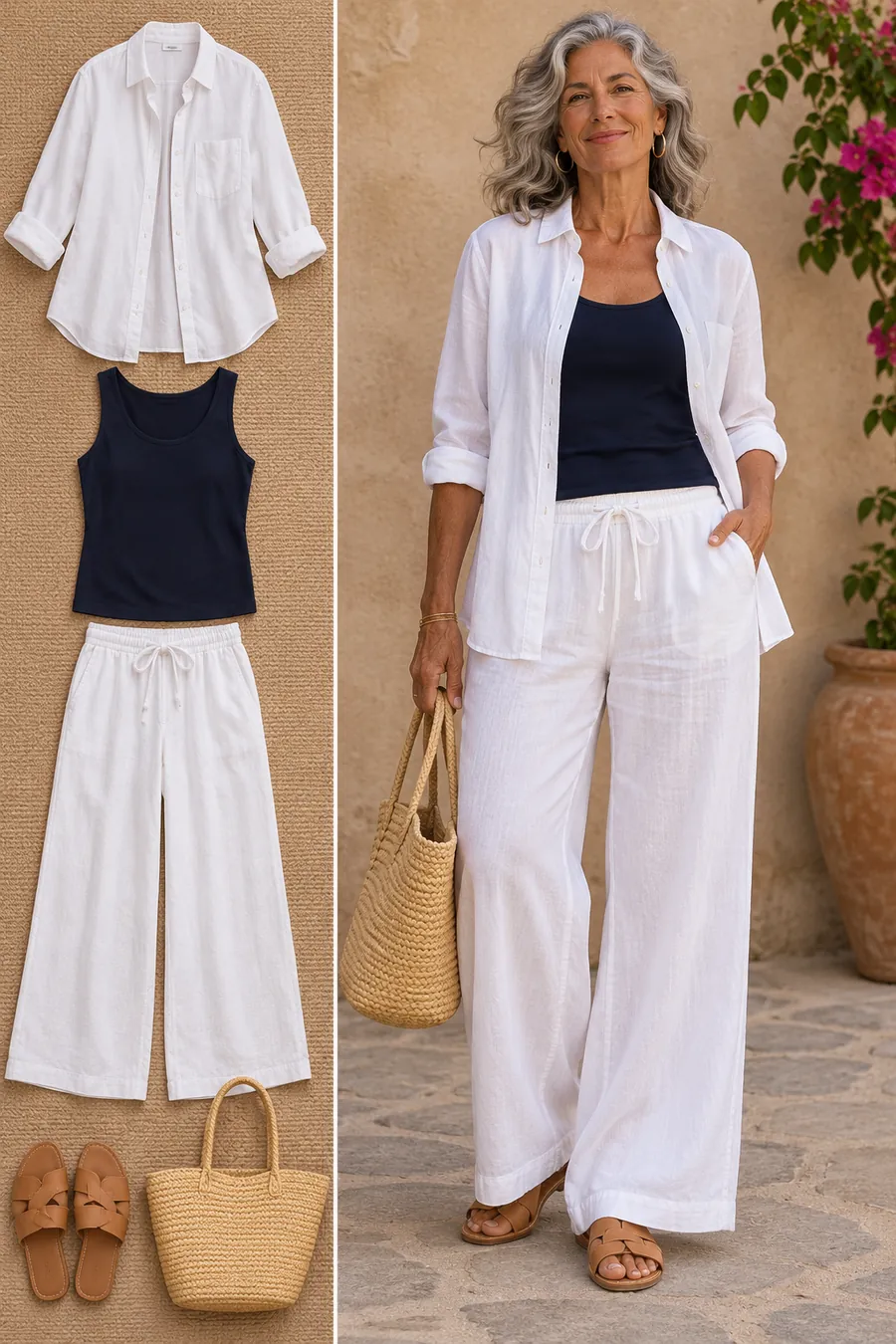
If you prefer the easy drape of linen or usually wear your layers open, compare a linen shirt or another light overshirt. Buy for how the piece moves and feels in your routine.
Use a five-minute keep-or-return test
Put on the item with the shoes, underlayers and outer layer you actually use. Sit in a chair, reach for a shelf and walk across the room. Take a front and side photo in daylight. Then name the next occasion you will wear the piece. If the fit works and the occasion is real, it has a place in your closet.
Write the result in one line: “Keep. Works with my navy blazer and olive trousers, and I can sit comfortably.” If you are returning it, capture the reason while it is fresh. Next time you can search for a specific adjustment, such as a shorter inseam, more room at the upper arm or a shoe with a strap.
Frequently asked questions
Do I have to buy everything in my usual size?
Use your usual size as a starting point, then read the specific product’s chart. Compare the item with a garment that fits and check the return procedure before ordering. Size labels can differ between styles, even from the same brand.
How can I stop buying duplicates?
Keep a picture of your most-worn clothes on your phone. When you see something similar, ask what it does better. A better fit, simpler care or a clearly needed replacement is a stronger reason than a different shade of the same item.
What is worth tailoring?
Start by getting a quote for a simple hem or sleeve adjustment on a piece that fits well everywhere else. If the shoulders, rise and armholes all need work, compare a different cut before spending on multiple alterations.
Keep reading
For a starting list, see our 30 wardrobe essentials. For outfit ideas using pale fabrics and everyday layers, see how to wear white after 50 and how to add color to a black and navy wardrobe.
Leave a Reply