
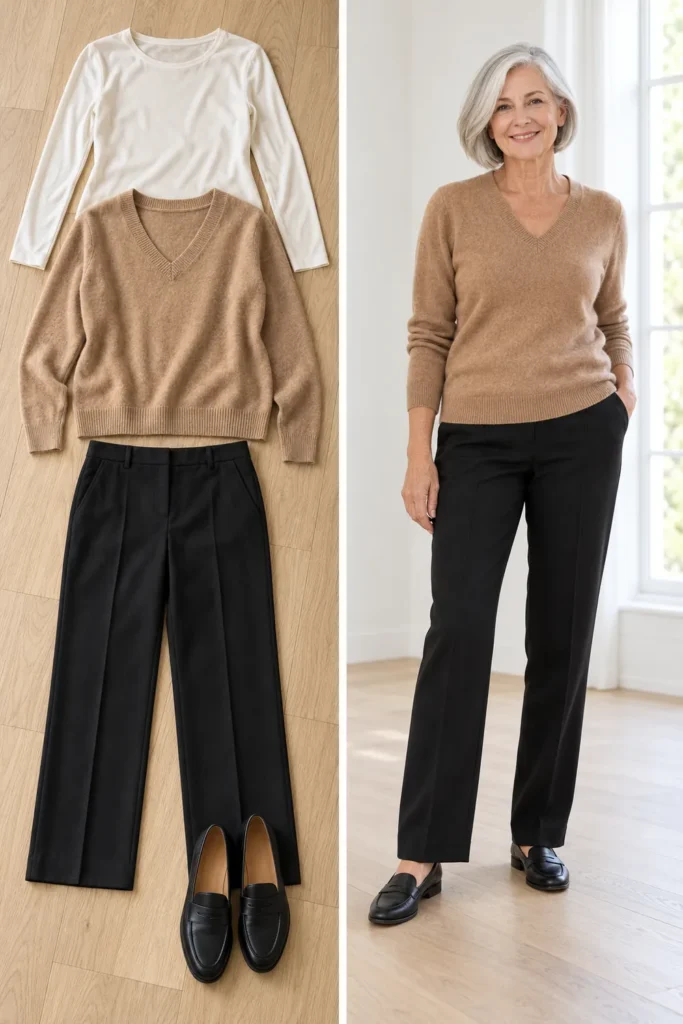
To stay warm and stylish over 50, wear thin, warm layers instead of thick, bulky ones. Start with a silk or merino base layer, add a cashmere or wool sweater, and finish with a long coat that covers your seat. Keep your neck, hands, feet and head warm with a cashmere scarf, lined gloves, wool socks and a soft hat. You’ll stay cozy without looking like you’re wearing three sweaters.
Many women notice they feel the cold more as they get older. The National Institute on Aging notes that older adults can lose body heat faster than when they were younger, and some health conditions and medicines can make it harder to stay warm. So dressing well for winter is about comfort and health, not only style. Here are 15 practical tips, followed by a fabric guide to help you choose for your own weather and budget.
In this post5 sections
15 Tips to Stay Warm and Stylish Over 50
1. Start With a Thin Silk or Merino Base Layer
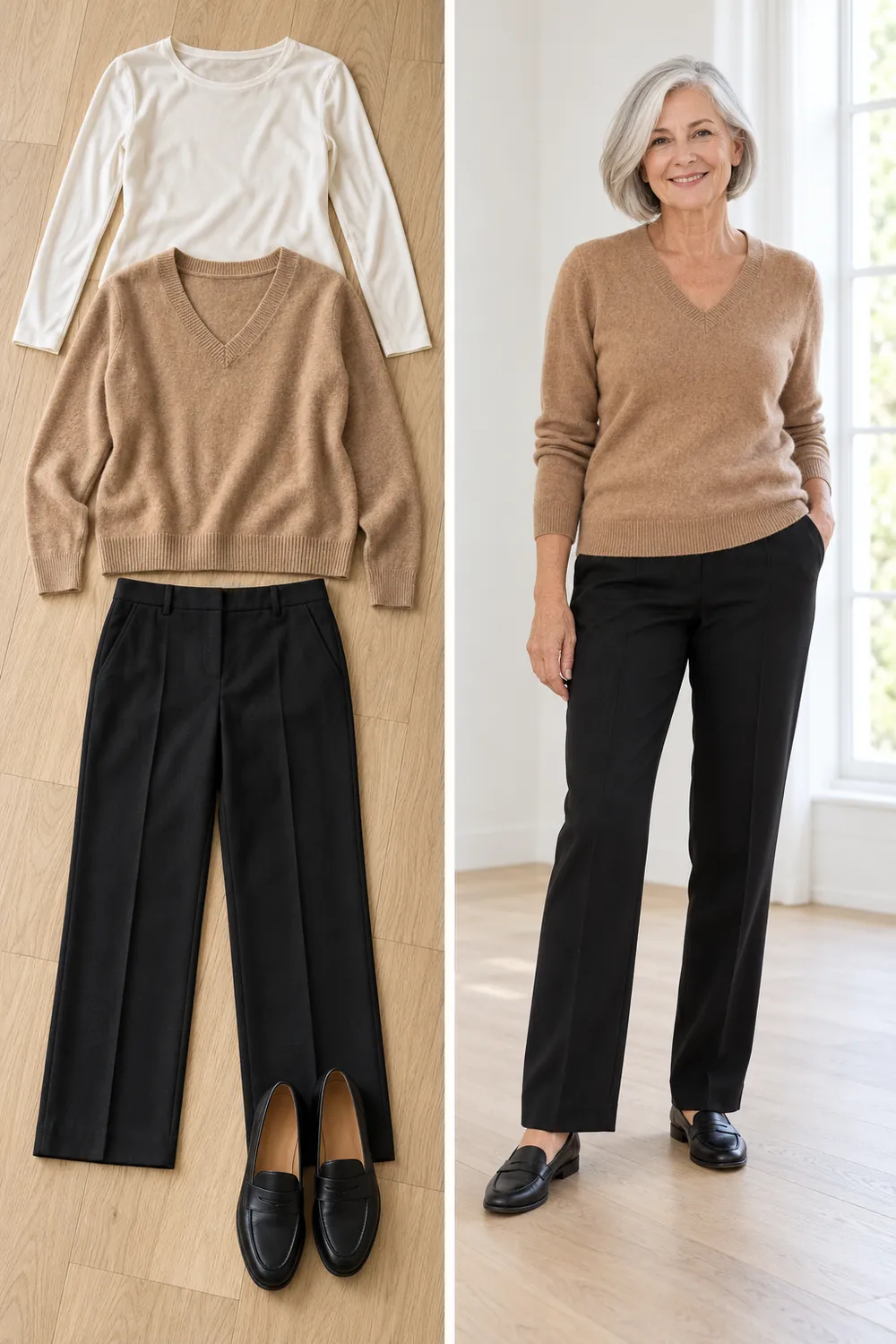
A thin layer next to your skin traps warmth without adding bulk. Silk is ultra-thin and smooth, and merino stays warm even if you get a little damp.
2. Choose the Knit That Suits Your Skin and Budget
Wool and cashmere are useful insulating options, but you do not need a luxury label to dress warmly. A well-made acrylic blend or fleece can work too. Compare the thickness, softness, care label and room for a base layer. Any fiber can pill, so construction and care matter.
3. Layer Thin to Thick
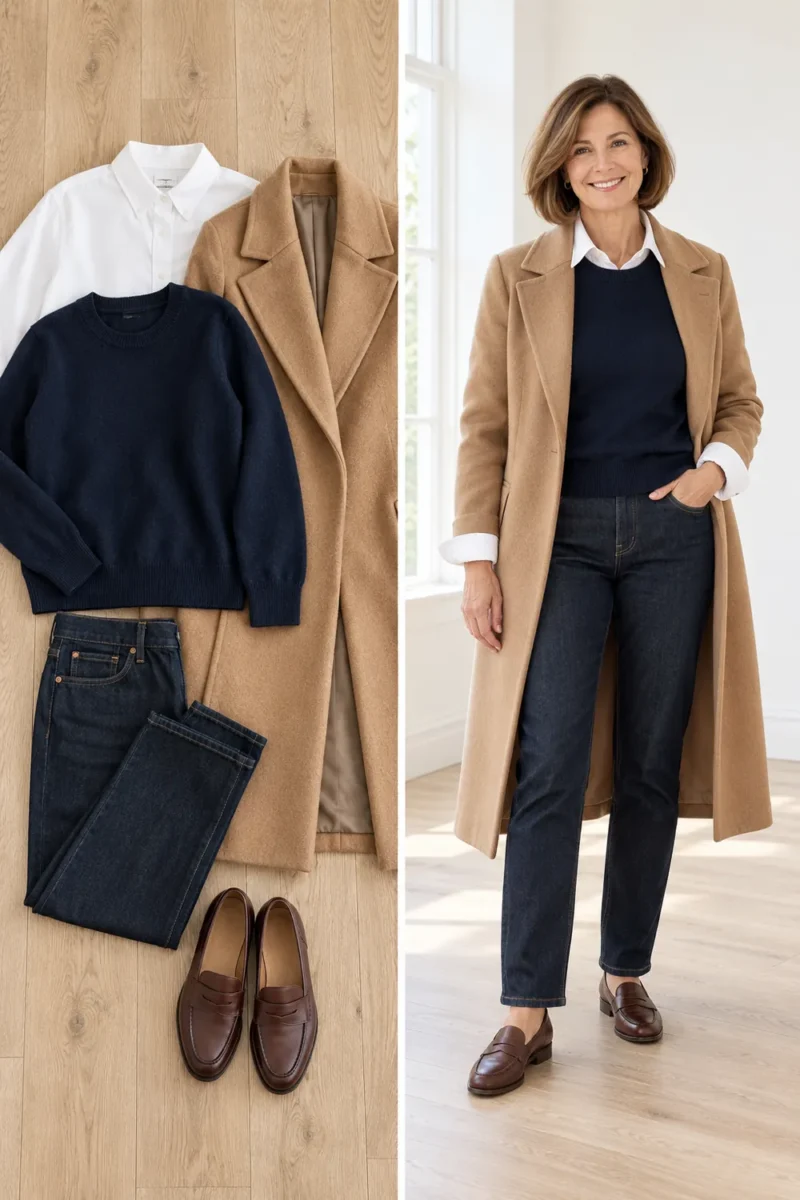
Put your thinnest layer closest to your body and your thickest on the outside: base layer, then shirt or fine knit, then sweater, then coat. Adjustable layers let you manage warmth as you move between outdoors and heated rooms. Leave enough room between them to move comfortably. For styling formulas, see how to layer clothes in winter without looking bulky.
4. Wear a Coat That Covers Your Seat
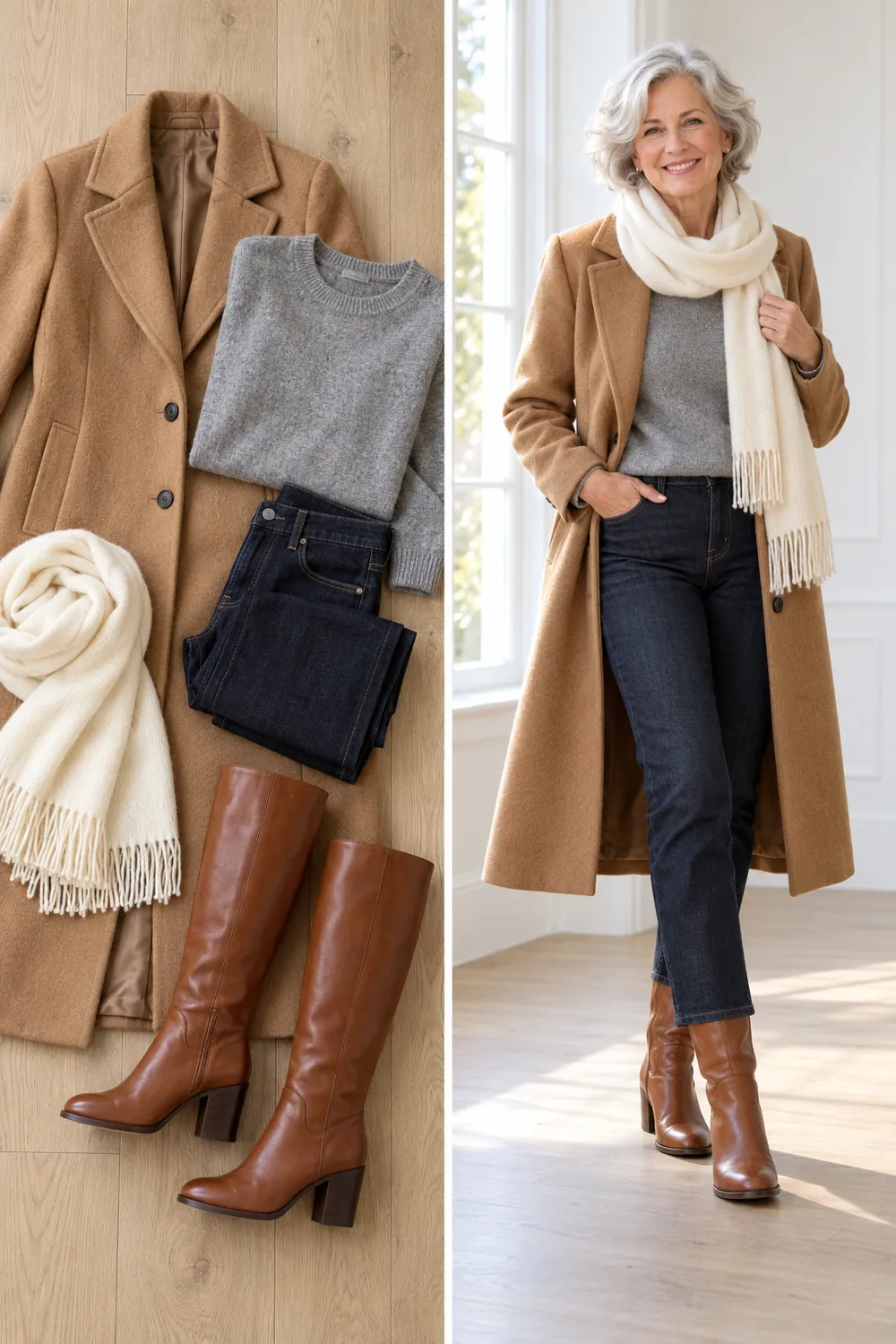
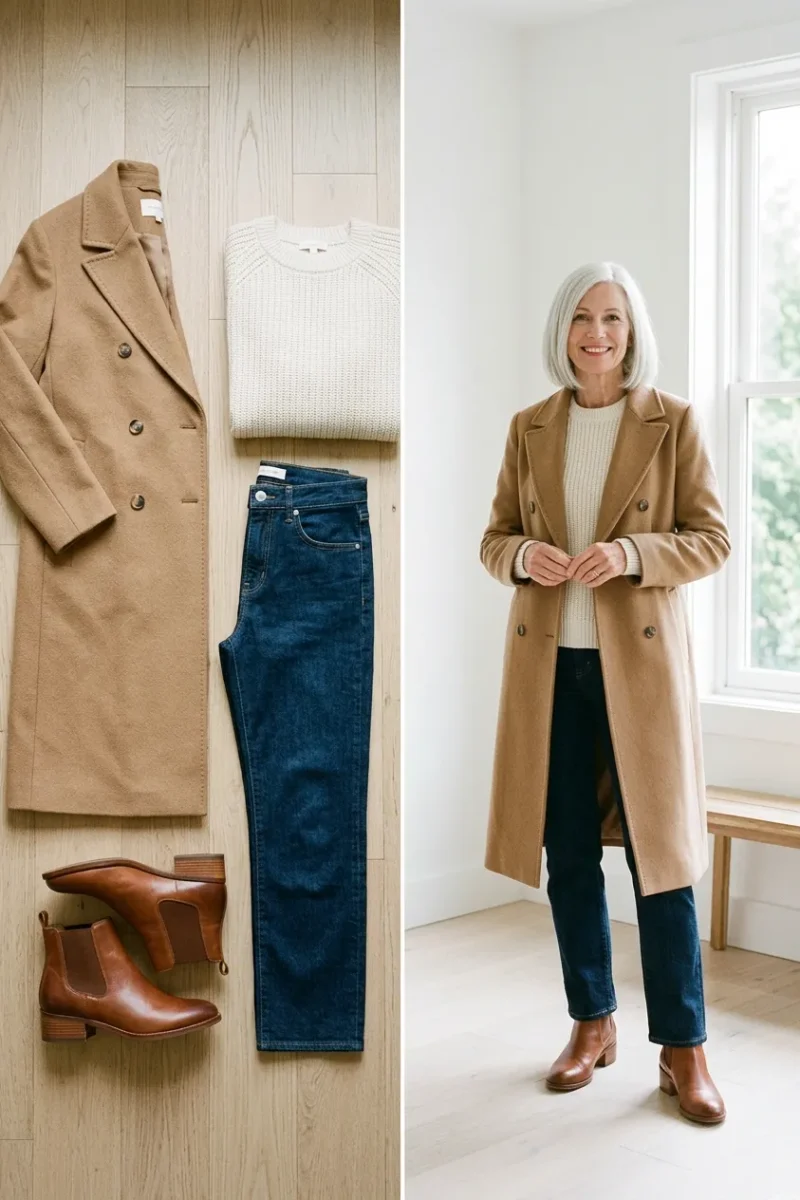
A coat that ends below the knee keeps your hips and thighs warm, and a long line looks elegant and slimming.
5. Keep Your Neck Covered
A fine turtleneck, a mock neck or a cashmere scarf keeps cold air out of your collar. A scarf in a flattering color also brightens your face on gray days.
6. Try Fleece-Lined Trousers
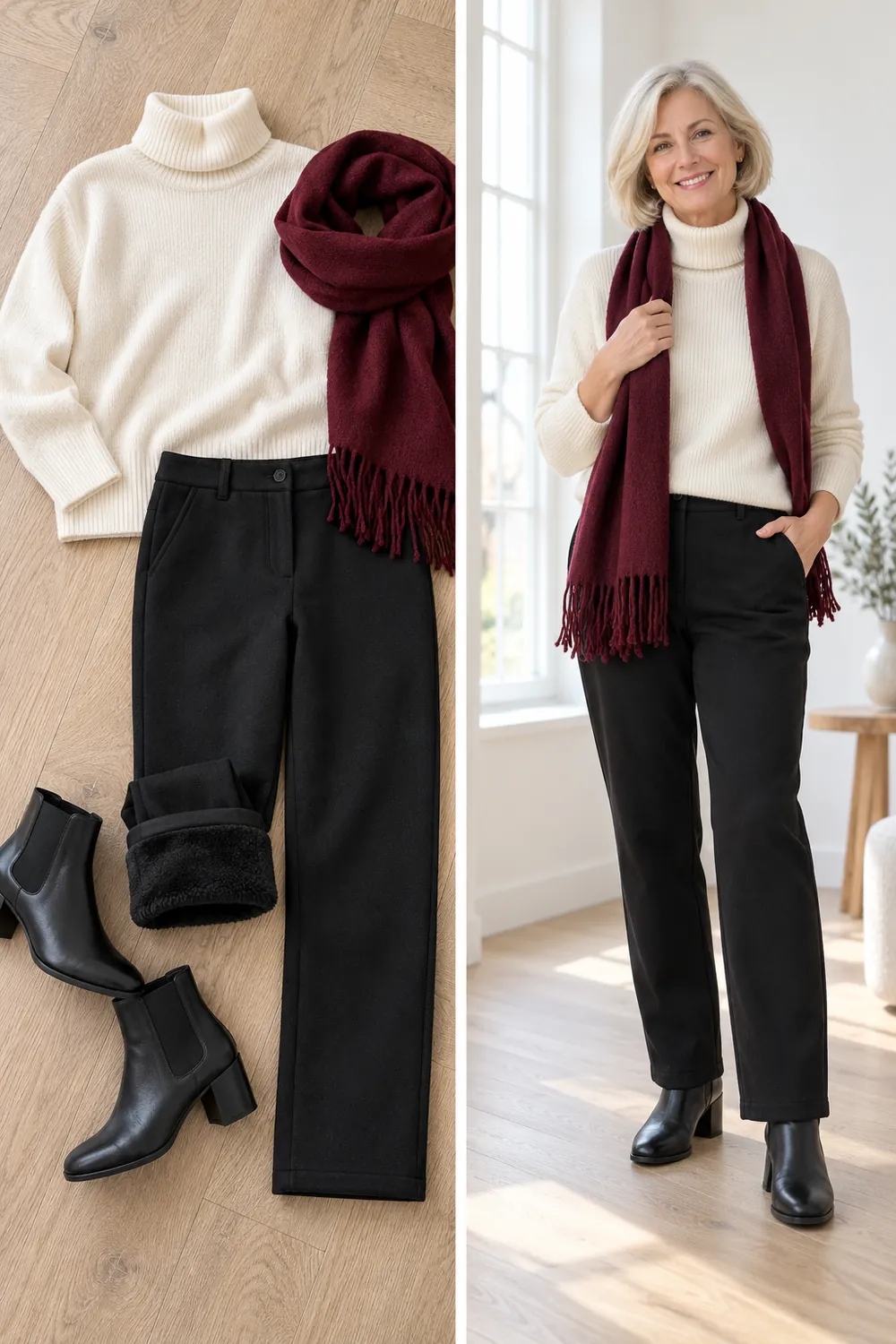
They look like regular trousers or jeans but have a soft, warm lining. Thermal leggings under wide-leg trousers work too.
7. Wear Opaque or Fleece-Lined Tights
You don’t have to give up skirts and dresses. Opaque or fleece-lined tights and knee boots can make a skirt more comfortable in cool weather. In severe cold, add warmer leg coverage or choose insulated trousers.
8. Warm Your Feet First
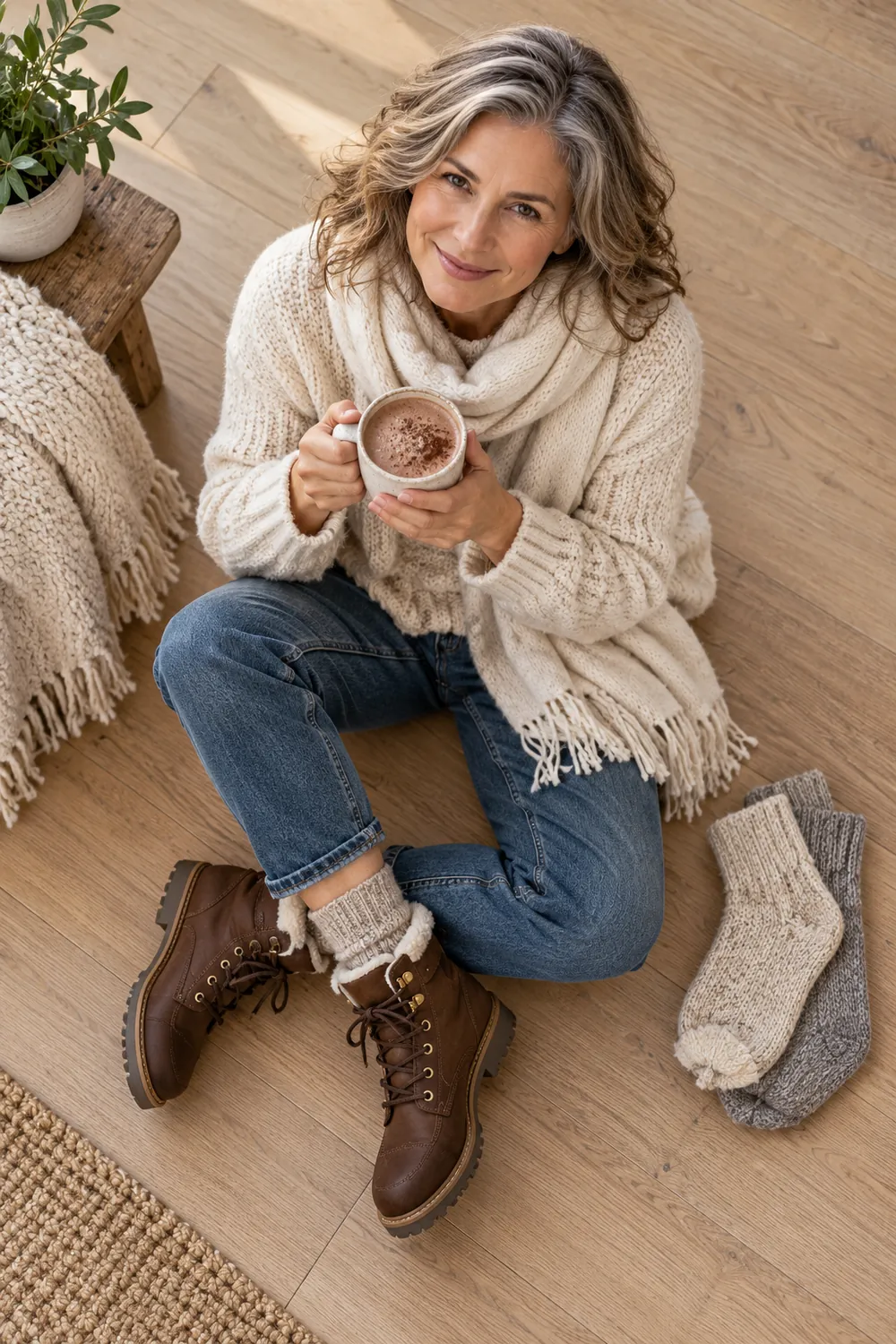
Cold feet make your whole body feel cold. Wear merino socks and lined boots with a thick sole that keeps your feet off the frozen ground.
9. Choose a Comfortable Hat With a Gentle Fit
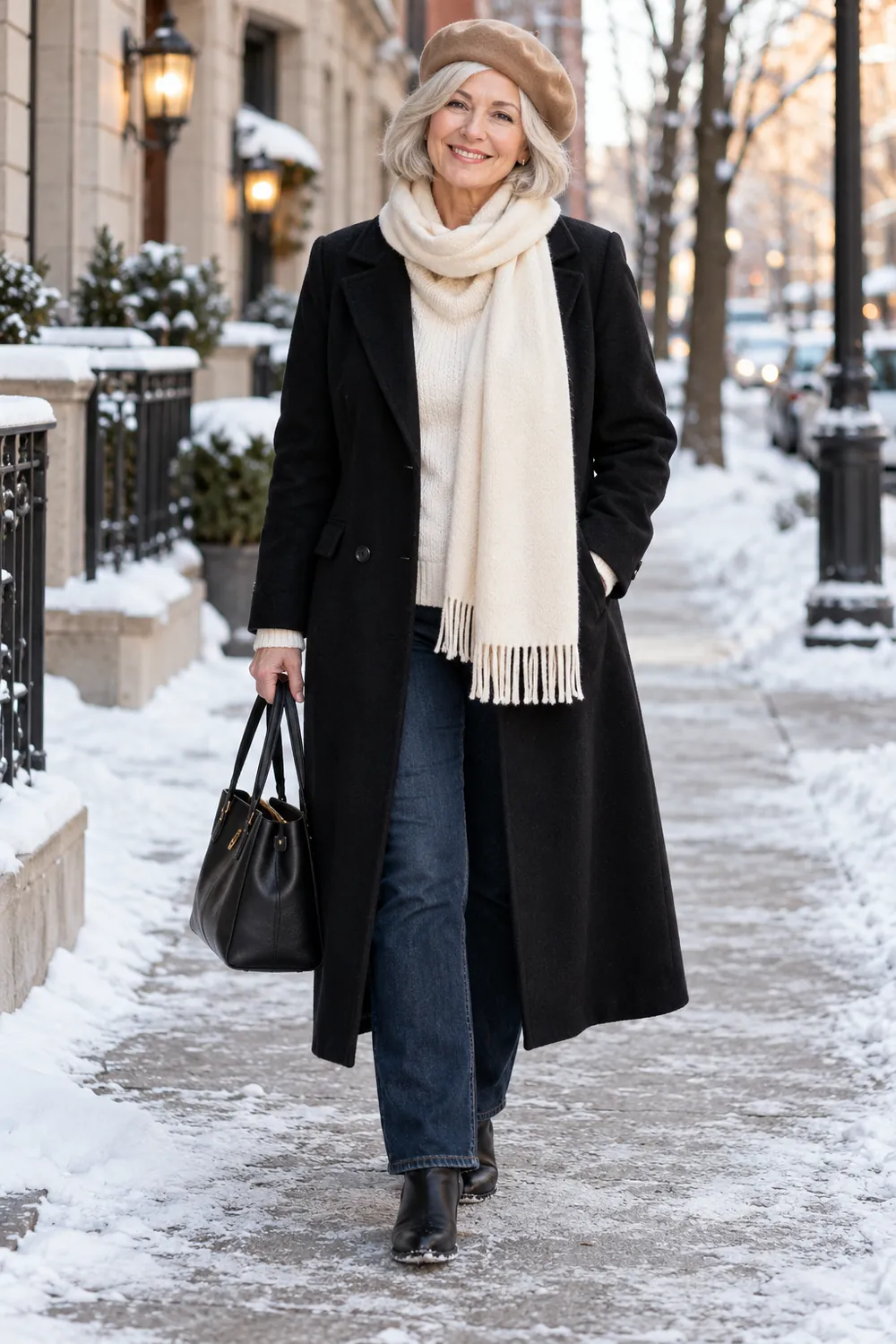
A beret or a slouchy cashmere beanie with a silk lining can be gentler on your hairstyle than a tight cap, although any hat may flatten hair. If your hair is fine, a soft hat is kinder to it, and a haircut that is easy to refresh can help after you take the hat off.
10. Wear Lined Gloves
Cashmere- or fleece-lined leather gloves look polished and keep your fingers warm. Touchscreen tips save you taking them off for your phone. If your hands get very cold, mittens are warmer than gloves.
11. Add a Vest for Core Warmth
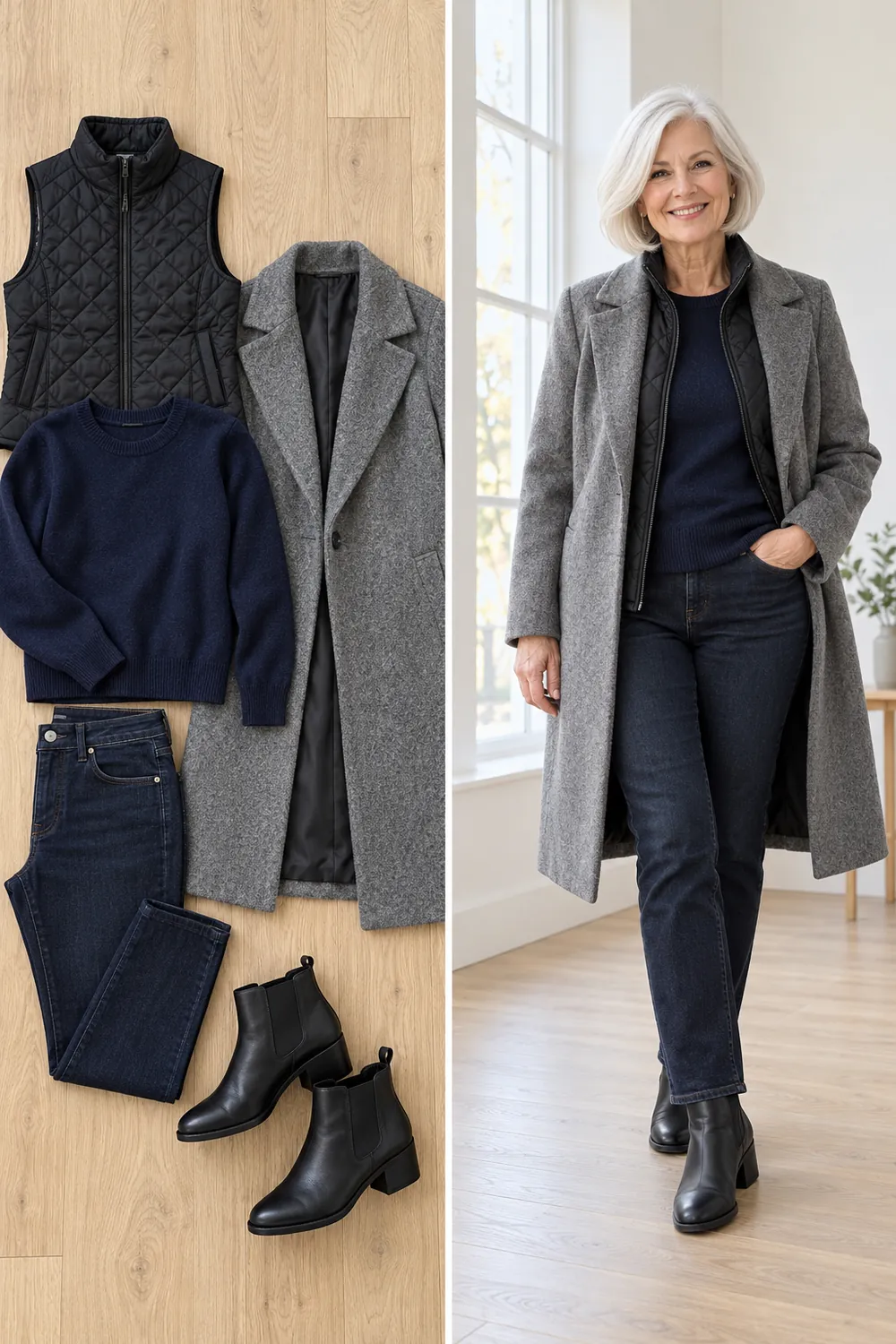
A slim quilted or down vest warms your middle without bulky sleeves, and it fits under most coats.
12. Pick a Sweater Dress for One-Piece Warmth
A knit dress with tights and boots is an easy outfit for milder days or heated rooms. Choose the tights and outer coat for the forecast; a fine knit dress alone is not enough for a long winter walk.
13. Keep a Wrap Handy Indoors
Restaurants, churches and offices can be chilly. A large cashmere wrap folds into your bag and looks elegant over your shoulders.
14. Use Warm, Rich Colors
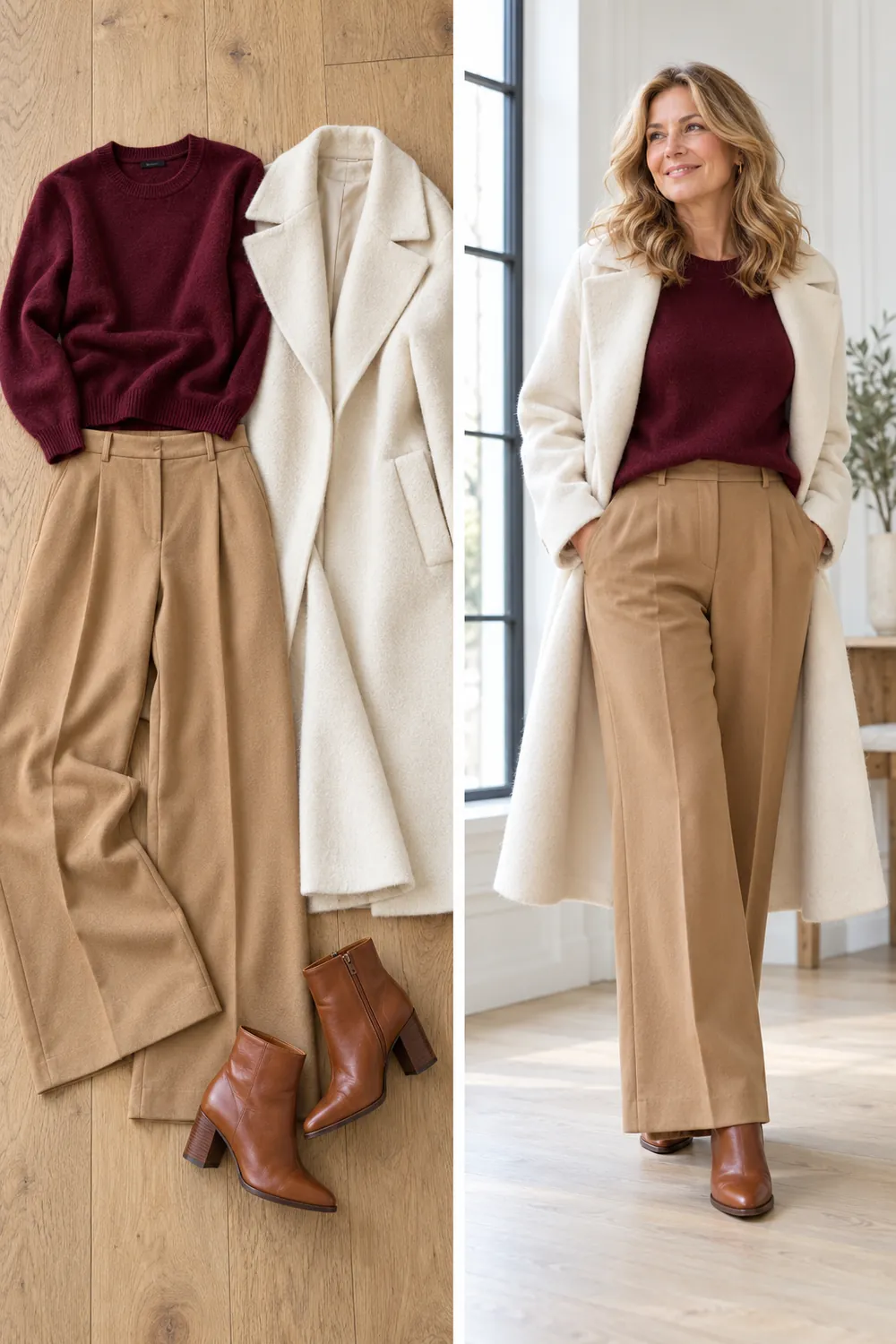
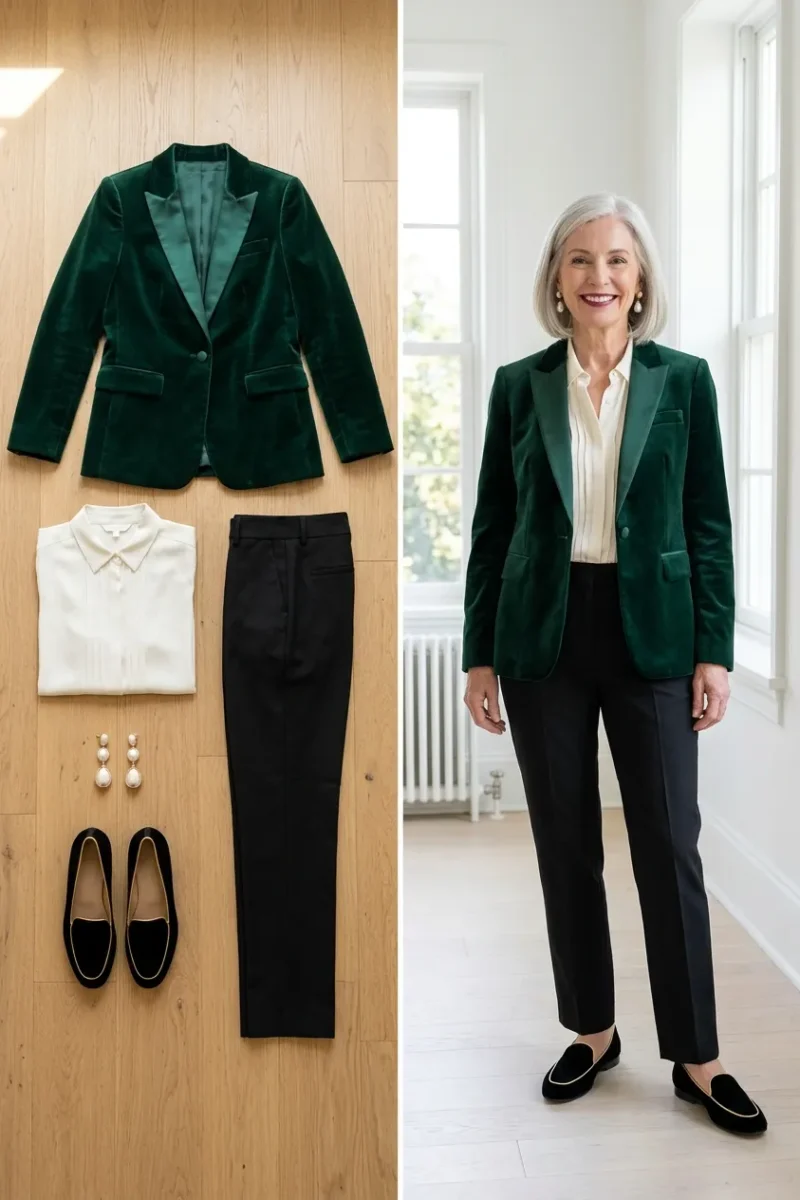
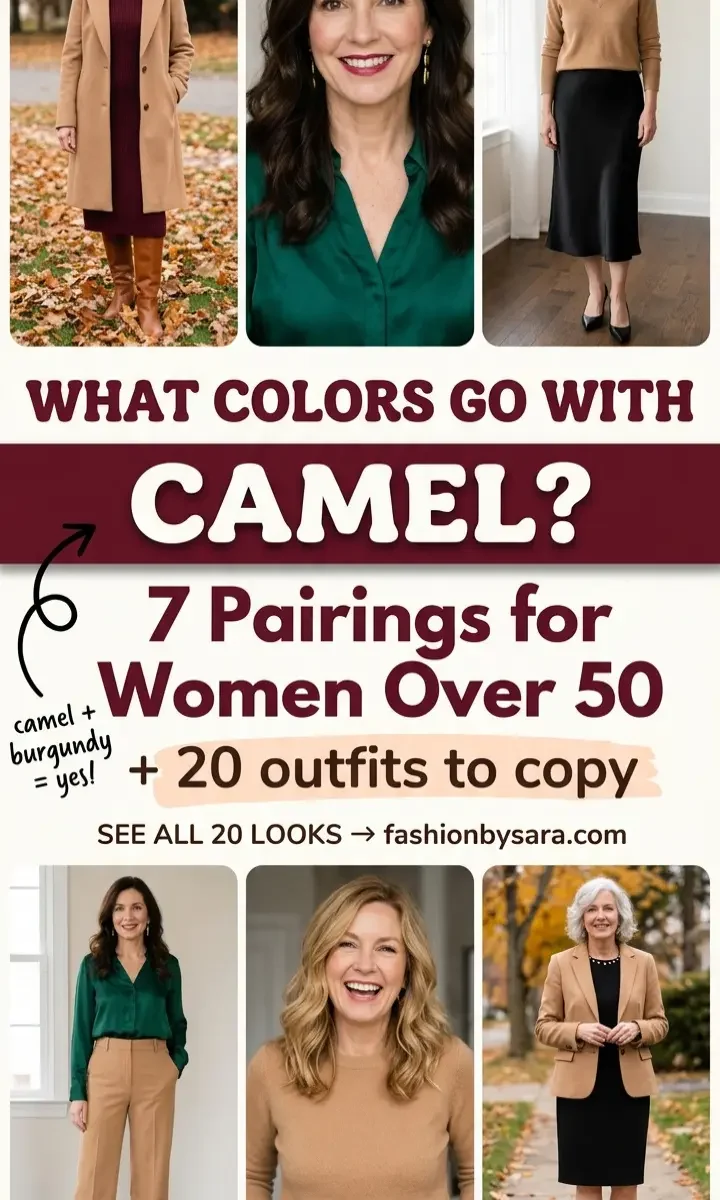
Burgundy, camel, cream, emerald and rust look warm and inviting in winter light and keep you from looking washed out.
15. Prepare Your Outfit for the Weather, Not Just the Room
Check the forecast, including wind chill, before you get dressed. On the coldest days, wear your warmest boots out and carry your nicer shoes.
Winter Fabrics: What to Choose and Why
| Material | Useful for | Check before buying |
|---|---|---|
| Down or synthetic insulation | Puffers and vests | Fill amount, fit and outer fabric; a slim puffer is not automatically warm enough for freezing weather |
| Wool, merino or alpaca | Knits, coats and socks | Knit density, lining and how the fiber feels against your skin |
| Cashmere | Light sweaters and wraps | Density and care needs; price alone does not tell you the warmth |
| Fleece | Mid layers and linings | Add a wind-resistant outer layer for exposed outdoor conditions |
| Silk or moisture-wicking synthetics | Thin base layers | Choose a comfortable fit and a weight suited to the activity |
| Cotton | Dry indoor outfits | It holds moisture, so change out of damp clothes promptly |
Fabric names are a starting point, not a universal warmth ranking. Thickness, construction, wind protection, moisture and the complete outfit all change how warm a garment feels.
When the Cold Is a Health Concern
Cold-weather safety deserves attention, especially for older adults and people whose health conditions or medicines affect temperature regulation. The National Institute on Aging lists confusion, unusual sleepiness, slowed or slurred speech and shivering among warning signs of hypothermia. Suspected hypothermia is an emergency: call your local emergency number (911 in the United States) and move the person to a warm place. For everyday prevention, keep dry, use weather-appropriate layers and talk to a clinician if you persistently feel unusually cold.
Frequently Asked Questions
How can I stay warm without looking bulky?
Use thin silk or merino base layers, choose fine-knit cashmere and wool, add a slim vest and wear one long coat over everything.
Why do I feel colder as I get older?
Older adults can lose body heat more quickly, and some health conditions and medicines affect how the body keeps warm. If you’re always cold, mention it to your doctor.
What should I wear under jeans to stay warm?
Thin thermal leggings in silk or merino, or choose fleece-lined jeans.
Is wool or cashmere warmer?
Both are warm. Cashmere is softer and lighter for its warmth, while wool is sturdier and great for coats and trousers.
Final Thoughts
Staying warm and stylish over 50 comes down to thin, warm layers, comfortable insulation, a weather-appropriate coat and cozy accessories for your neck, hands, feet and head. Dress for the weather and you’ll enjoy winter instead of just enduring it.
Build your winter wardrobe with my 20 winter wardrobe essentials and winter capsule wardrobe, and see these wool outfits for women over 50. Save these tips for the next cold snap.
Leave a Reply