

This post may contain affiliate links. If you buy through them, we may earn a small commission at no extra cost to you. Read our disclosure.
Feeling young at 75 can mean having something to look forward to, staying curious, or finding ways to do the things you still care about. Researchers call how old you feel subjective age. It can vary with how you feel and what is happening in your life. You can enjoy an active, interesting day without judging it by how young it made you feel.
Start with an activity that fits your energy and circumstances. A short regular outing, a call with someone you like or a small creative project is enough to begin. The 12 habits below include smaller versions for weeks when time, pain, transport or caregiving changes what’s possible.
Affiliate disclosure. As an Amazon Associate I earn from qualifying purchases. The AI-generated photos illustrate the activities. Paid links lead to Amazon listings or searches for similar items. Use what you already own when it works.
In this post8 sections
What the research actually says
In a longitudinal study across four samples adult participants who reported more physical activity at the beginning tended to report feeling younger at follow-up. The study shows an association across adulthood. It did not establish that changing your activity will make you feel younger, and it did not test a program specifically for 75-year-olds.
The CDC activity guidance for adults 65 and older covers several kinds of activity, including strength and balance. The National Institute on Aging’s activity guide also covers ways to stay engaged through social and meaningful activities. The ideas below turn that guidance into practical choices you can adapt.
Pick one idea that fits your week
| What you want more of | An easy place to start | A smaller version |
|---|---|---|
| A reason to go out | Meet someone after a short park route | Meet somewhere with easy seating |
| A regular connection | Try a library or community group | Make a short call at a set time |
| A project you can finish | Make a watercolor card | Practice mixing two colors |
| A task that feels useful | Try a short library volunteer shift | Offer to help with one defined task |
| Something good on a quiet day | Listen to a familiar program | Play one favorite song |
Make movement and connection easier
1. Set a route you look forward to
Choose a route with a reason to go: a garden that changes each week, a neighbor you might see or a bench with good morning light. Start at a distance and pace that suit you. If you use a mobility aid, choose the route around its surface and the places you can rest.

On a harder day, use a familiar indoor route or step onto the porch for a change of scene. The CDC recommends aerobic, muscle-strengthening and balance activity for adults 65 and older, adapted to their abilities. A short walk can be one part of that mix.
2. Build strength around a task you want to keep doing
Pick a task you want to make easier, such as getting up from a dining chair or carrying groceries. Tell an instructor, physical therapist or clinician about that task if you need help finding an exercise that fits your abilities.
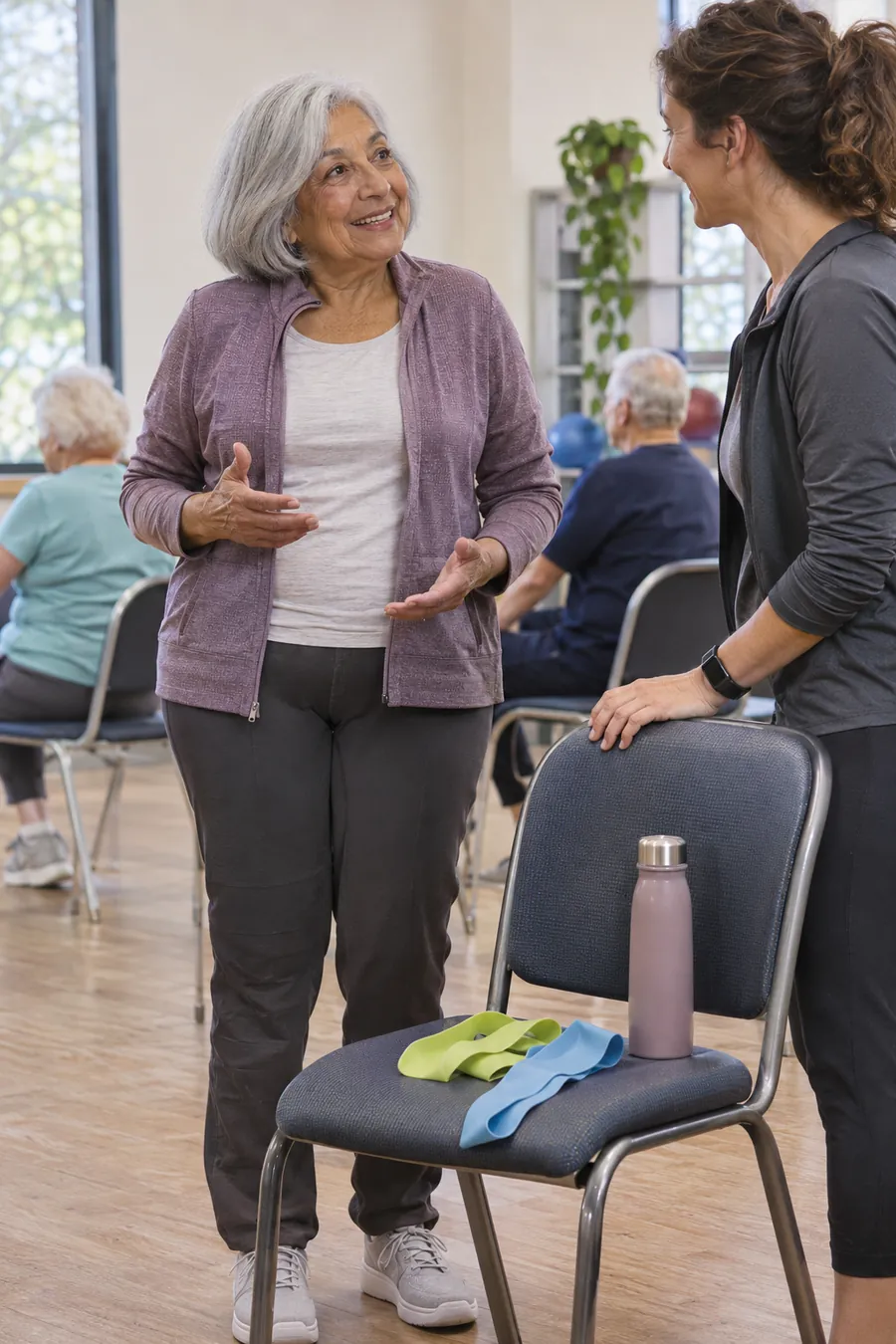
The CDC distinguishes strengthening and balance work from aerobic activity. If balance is a concern or you are returning after an injury, get advice about a suitable starting point. Use equipment you already have if it fits the activity you have been shown.
3. Give one person a specific invitation
“Would you like to talk Tuesday after lunch?” is easier to respond to than “We should catch up.” Give the person a time and a low-effort way to join. A ten-minute call can suit a week when neither of you wants to travel.
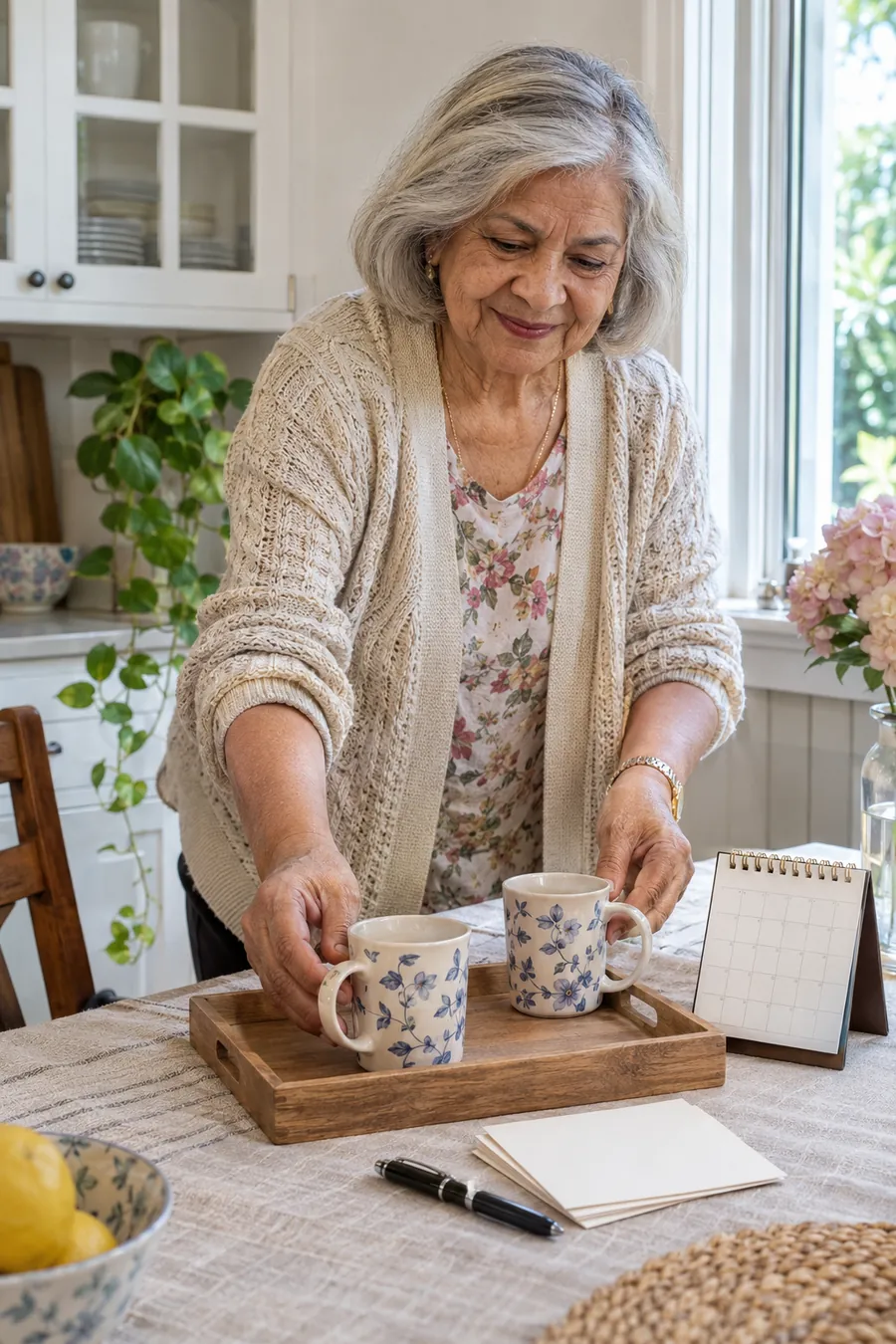
If the invitation gets no reply, you can give it a day or suggest another time once. Make room for other connections too, such as a librarian who recognizes you or a neighbor you greet on your usual route.
4. Join something that meets again
Try a library book group, community class or volunteer meetup with a clear schedule. Seeing the same faces again takes some of the pressure off a first conversation. Ask whether you can try one session before committing.

If transport makes attendance hard, try a phone or online group, or ask about a location closer to home. The National Institute on Aging lists social and meaningful activities as ways to stay engaged in later life.
Keep learning and contributing
5. Learn one skill that gives you something to make
Pick a project you can describe clearly, such as learning to mix three colors or making a simple greeting card. Put the supplies in one place and choose a short first session. A single skill with visible progress can be easier to return to than an open-ended course.

In the Synapse Project, older adults who spent sustained time learning demanding new skills showed better episodic memory after the program than comparison groups. That study did not test a few minutes of painting or whether participants felt younger. Use it as a reason to explore learning, not as a promise about any kit. Read the Synapse Project study.
6. Teach something you already know
Think of a task people already ask you about, such as baking bread, repairing a hem or recognizing plants. Break it into one session and let the other person do the work while you explain the parts that take practice.

Choose a role you can enjoy without taking care of everything. For a baking afternoon, ask the other person to bring the ingredients and handle cleanup. Write down the recipe together if they want to repeat it.
7. Find a useful role with a clear end time
A regular job can give a week structure. Ask a library, food bank or neighborhood group about one defined task, such as sorting books for an hour. If you need to sit, ask whether the work can be set up that way.

Try the smallest commitment first. Notice if you look forward to the people or the work, and if you have enough time left for your own plans. You can change the role or the frequency after the first few sessions.
8. Change the setting of something familiar
Try your usual walk at another time of day or bring a friend to point out things you miss. Give yourself a small question, such as which birds use the same tree. An ordinary outing can feel new when it has something to notice.

If you are staying home, look from the same window at two different times. Jot down one change or send a photo to someone who might enjoy it. You can start with your phone camera instead of buying binoculars.
Build a rhythm you can adapt
9. Leave a hobby where you can see it
Keep an active project within reach and mark the next step before you put it down. A knitting row you can finish before dinner is easier to start than a bag with several unfinished items at the bottom.
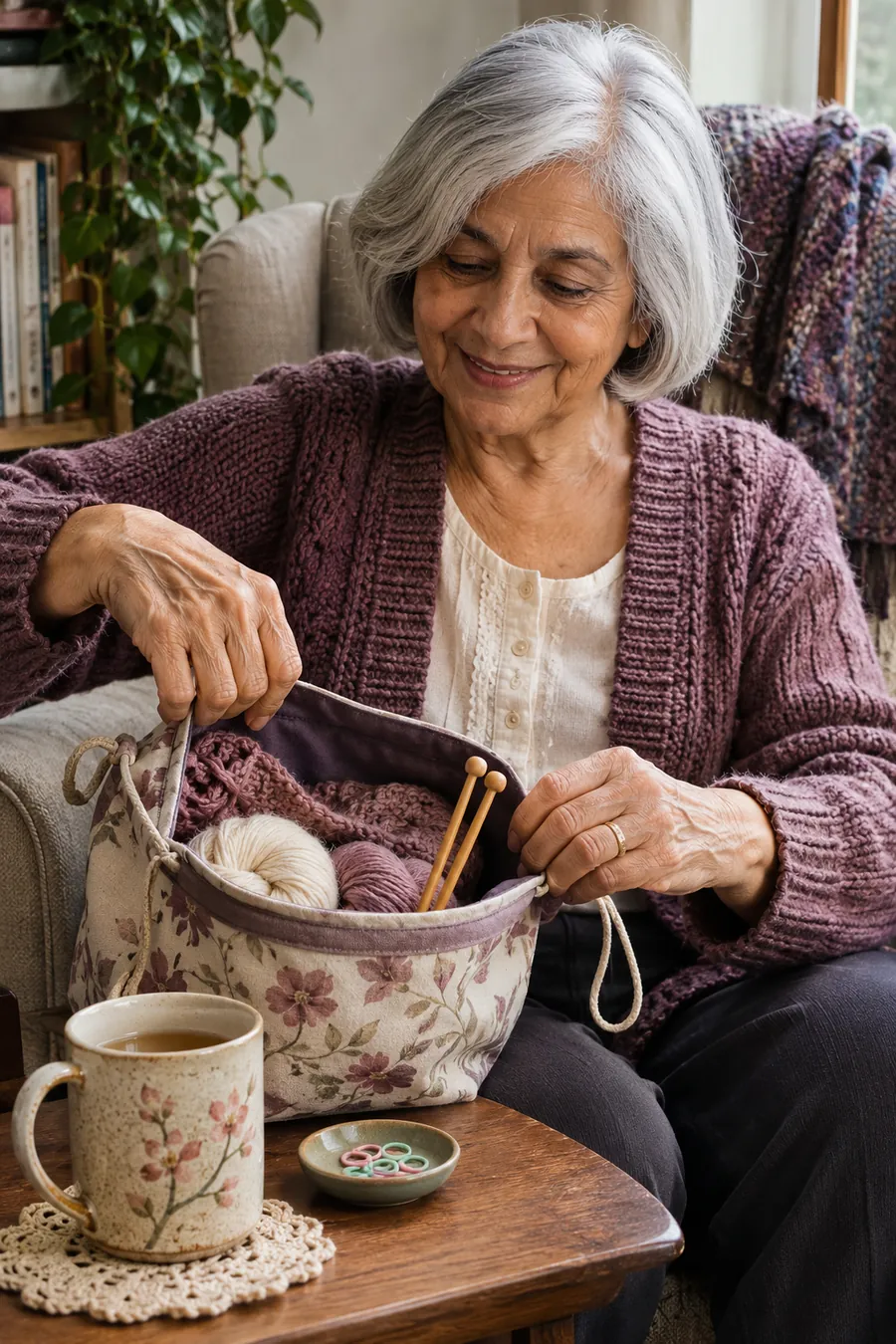
If handwork becomes frustrating, switch to an activity that feels comfortable today. Listening to a favorite program or teaching someone a technique can be just as satisfying as finishing a piece.
10. Put something on the calendar that you chose
Put one enjoyable activity among the necessary appointments. Make it specific: read at the library Thursday at two, or call a friend after breakfast. A plan helps when the week tends to fill with other people’s needs.

Leave room to move it. Write a short version next to the full one, such as reading five pages at home instead of going out. If the short version fits most weeks, use it as your regular plan.
11. Use a low-energy version when plans change
When the longer plan feels like too much, shrink it. Play one song, listen to a chapter or send a short voice note. You can keep something to look forward to while giving yourself room to rest.

Pick the smallest version you would still enjoy. A different plan for today does not have to become a rule for the whole week.
12. Try a one-week experiment
Choose two ideas from this list. For example, call someone Tuesday and make a watercolor card Friday. Keep the setup simple and write down where each activity will happen.
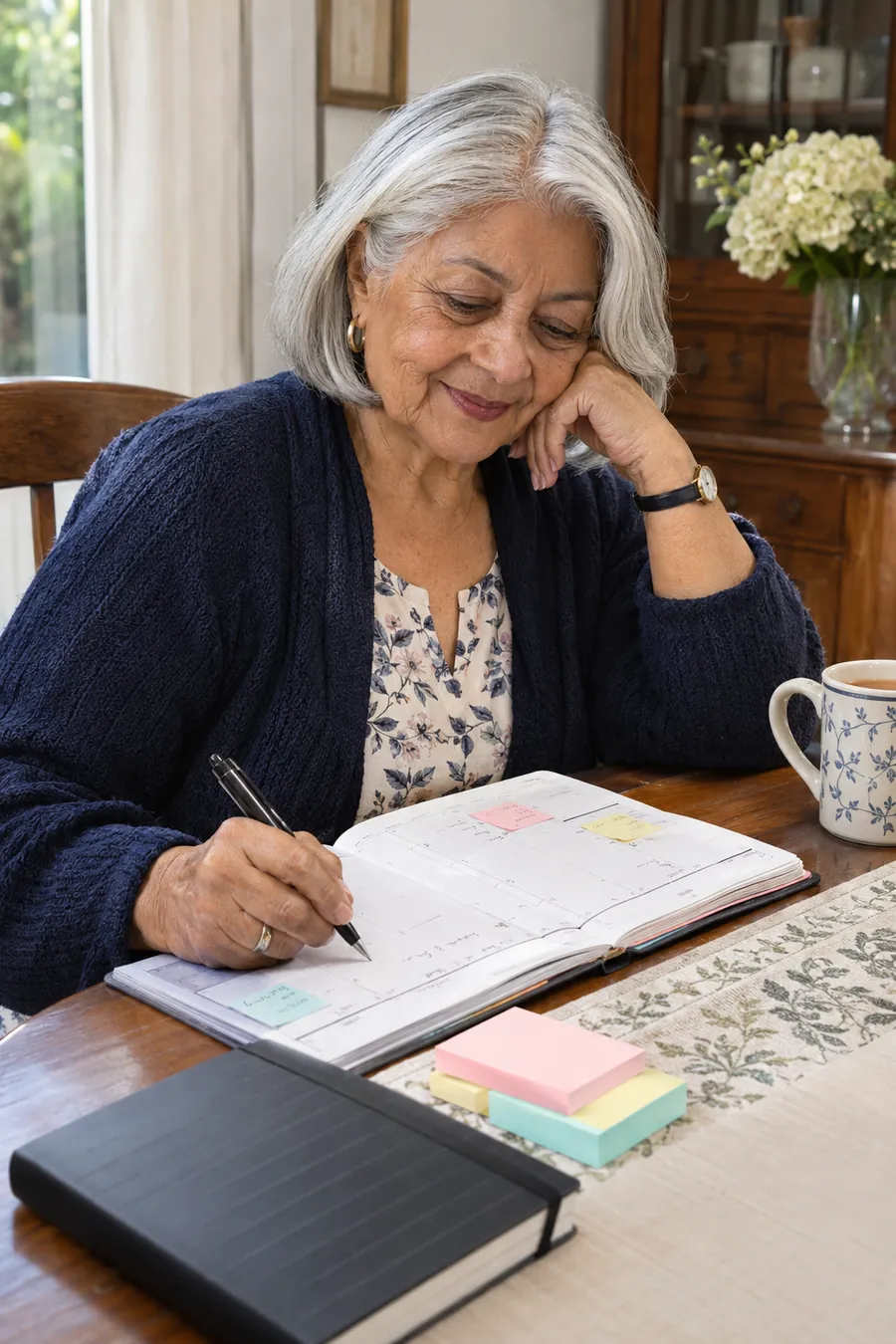
At the end of the week, ask what you looked forward to, what took too much effort and what you would do again. Use those answers to keep, resize or replace one activity.
Three ways to put it into practice
A morning out with a friend
Set a route that works for the person who needs the gentlest pace. Agree on where to meet and where to sit afterward. If the weather is poor, keep the café meetup and use an indoor route another day.

Wear shoes you know are comfortable and keep the bag light. Buy a new piece only if there is a real problem with something you already own, such as a strap that slips or a bottle that leaks.
A creative afternoon at home
Invite a friend to make one card with you. Start with the supplies you have and let each person choose a shape or color. The focus is having something to do together, so leave time to talk and clean up before either of you gets tired.
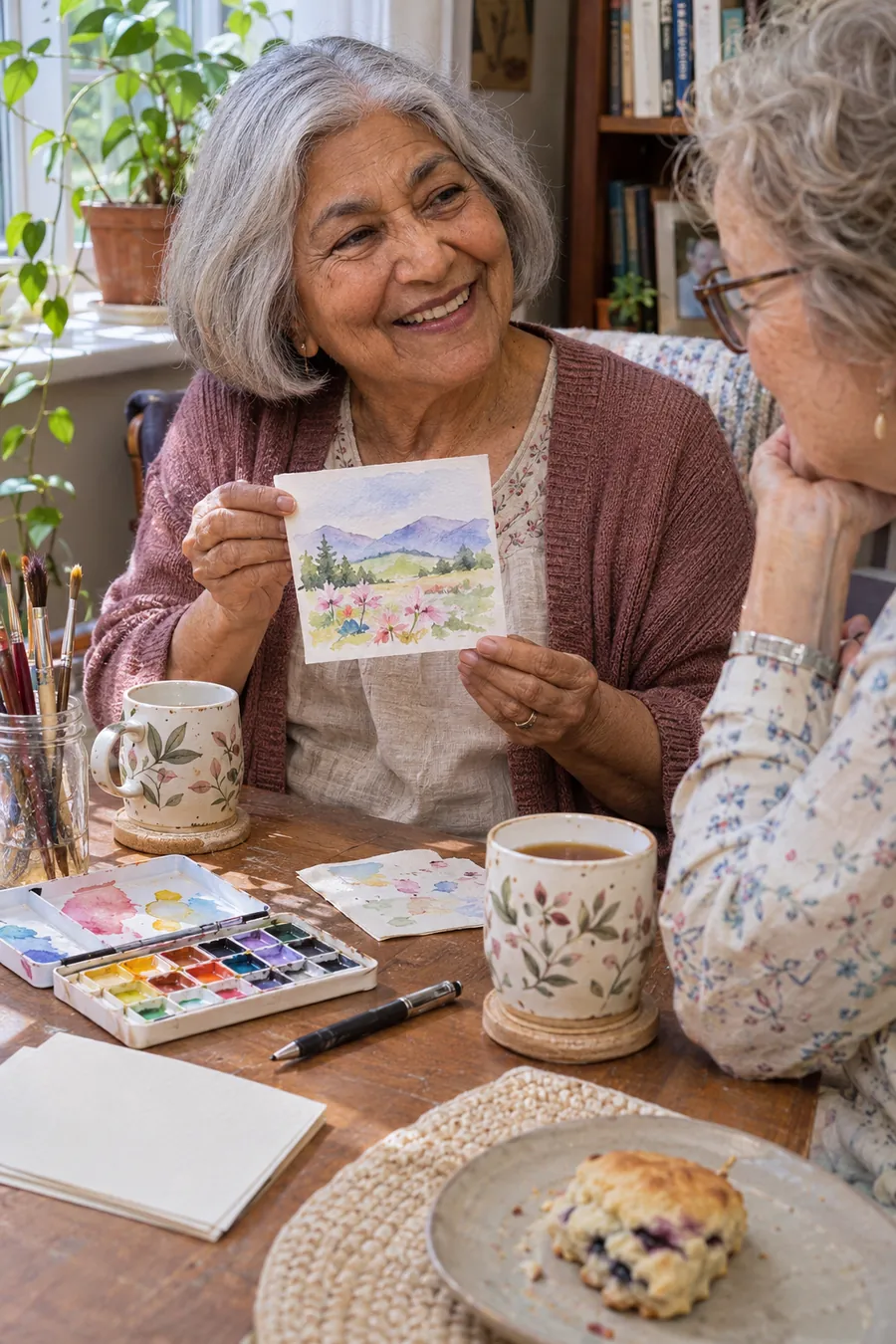
If you are trying it alone, mail the card or take a photo and share it with someone. A finished small project gives you a natural reason to get in touch.
Have a plan for a quieter week
When you have several appointments or caregiving demands, choose one plan that fits around them. Sit outside with tea or write a line about a conversation you enjoyed. Make it something you can start without a trip or extra preparation.

If you want company, send a short note instead of scheduling a long visit right away. Check the following week for a time when you have more energy to talk.
Frequently asked questions
Does feeling younger mean I’m aging better?
How old you feel is one way to describe your experience. It can change with your circumstances. If you want to track something useful, note what you enjoy, what you can do comfortably and where you would welcome more help.
What can I do if getting out is hard?
Start with an activity you can do from home. Ask a friend to make a regular call, keep a small project within reach or look for a library group that meets online. If new physical symptoms are limiting your usual activities, discuss the change with a healthcare professional.
Do I need to buy anything?
A notebook can be a scrap of paper, and a hobby can start with supplies you already have or can borrow. Buy if a particular item removes a recurring obstacle, such as a bag zipper that is hard to open.
Keep reading
Try our small daily rituals after 60 and ideas for connecting in later life.








Leave a Reply