
This post may contain affiliate links. If you buy through them, we may earn a small commission at no extra cost to you. Read our disclosure.
Clothes can stop fitting the way you remember even when the size on the tag hasn’t changed. You may want more room while sitting, a different rise, a softer sleeve or a hem that works with the shoes you wear now. Brands also cut garments differently. Work out where the garment feels wrong before choosing a different size.
Start with one item that almost works. Try it over your usual base layers, then sit, walk and reach. Each check below points to a cut, fabric or alteration you can compare.
Affiliate disclosure. As an Amazon Associate I earn from qualifying purchases. AI-generated images illustrate the ideas. Paid links lead to Amazon listings or searches for similar items. Check the size, color and seller before ordering.
In this post7 sections
Choose where to start
| When this comes up | Try this | What to check |
|---|---|---|
| Waist digs in seated | Compare front rise and waistband to a comfortable pair | Try a different rise before changing the whole size. |
| Buttons gap with arms forward | Compare a roomier cut or a knit | Keep the shoulder fit in mind too. |
| Hem catches on boots | Try the same pants with a lower shaft | Bring your actual shoes to the tailor. |
Waist, rise and room to move
1. Compare the rise before the size
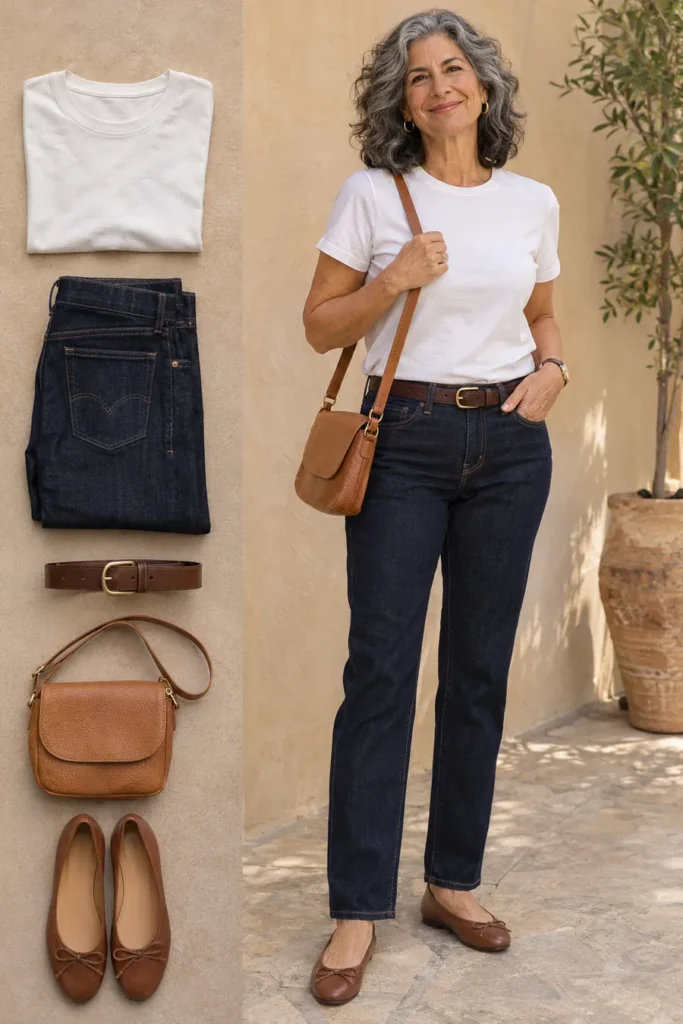
Measure the front rise of jeans you like from the crotch seam to the top waistband. The same labeled size can sit at a different point on your body if the rise changes. Try the new pair seated before deciding.
2. Test your waistband after sitting
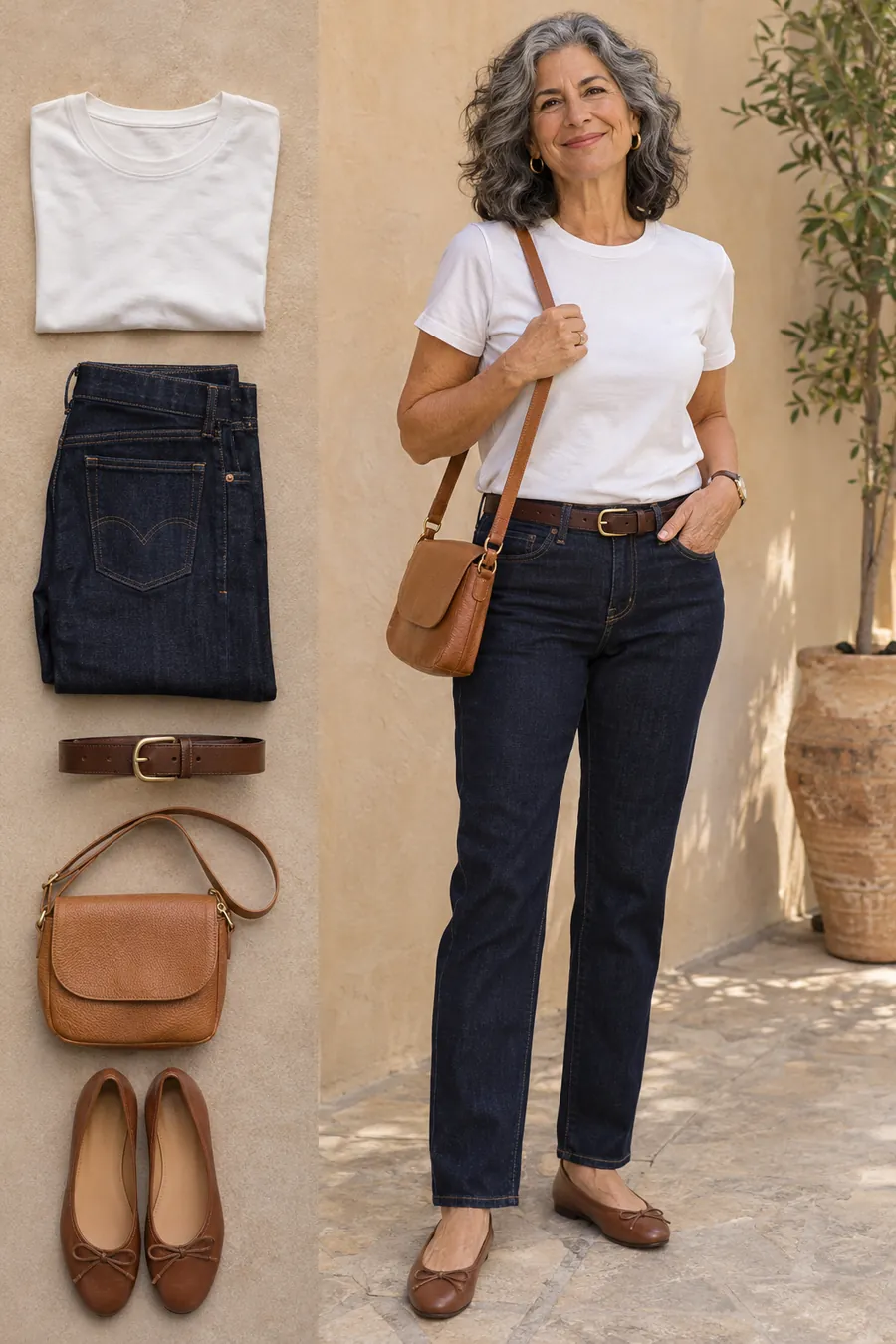
Sit for a few minutes in the trousers and check whether the waist digs in or slides down. Try them with the top you normally tuck. A new rise or waistband can be more useful than moving up a size everywhere.
3. Look at the pockets from the side
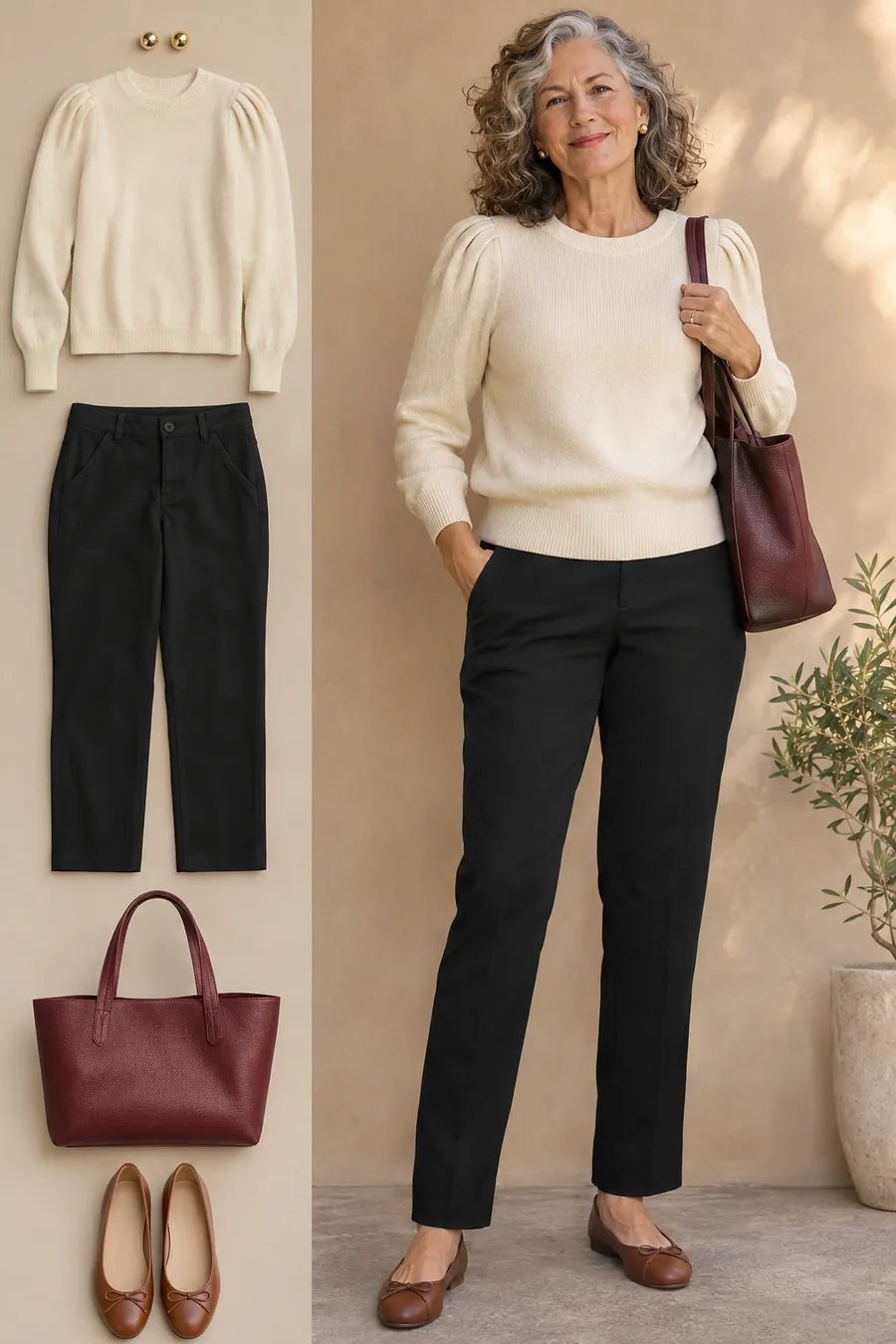
If slant pockets pull open when your hands are out, check where the trouser is tight across the hip or upper thigh. Try a cut with more room through that part of the leg and compare the waist separately.
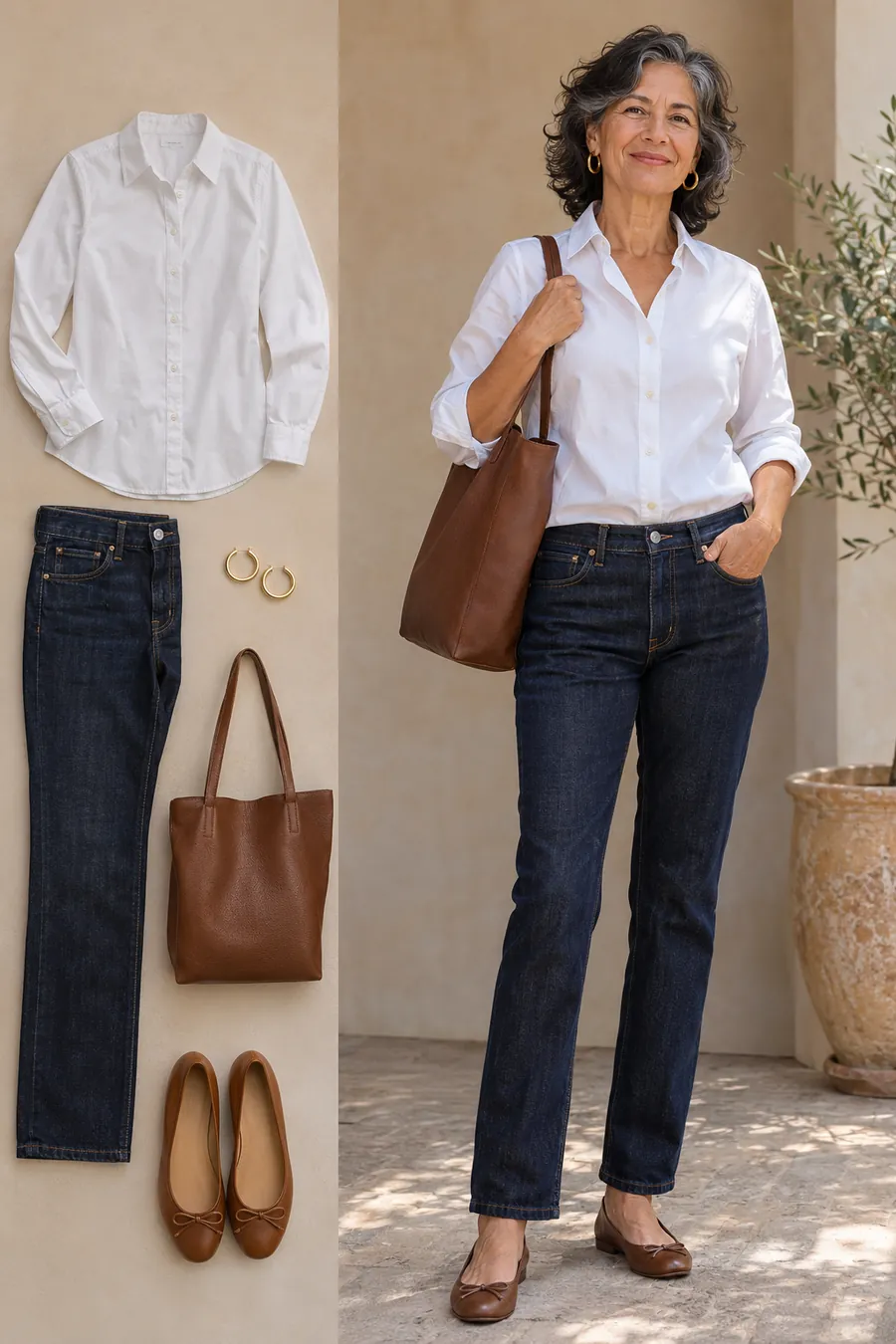
4. Check shirt buttons in motion
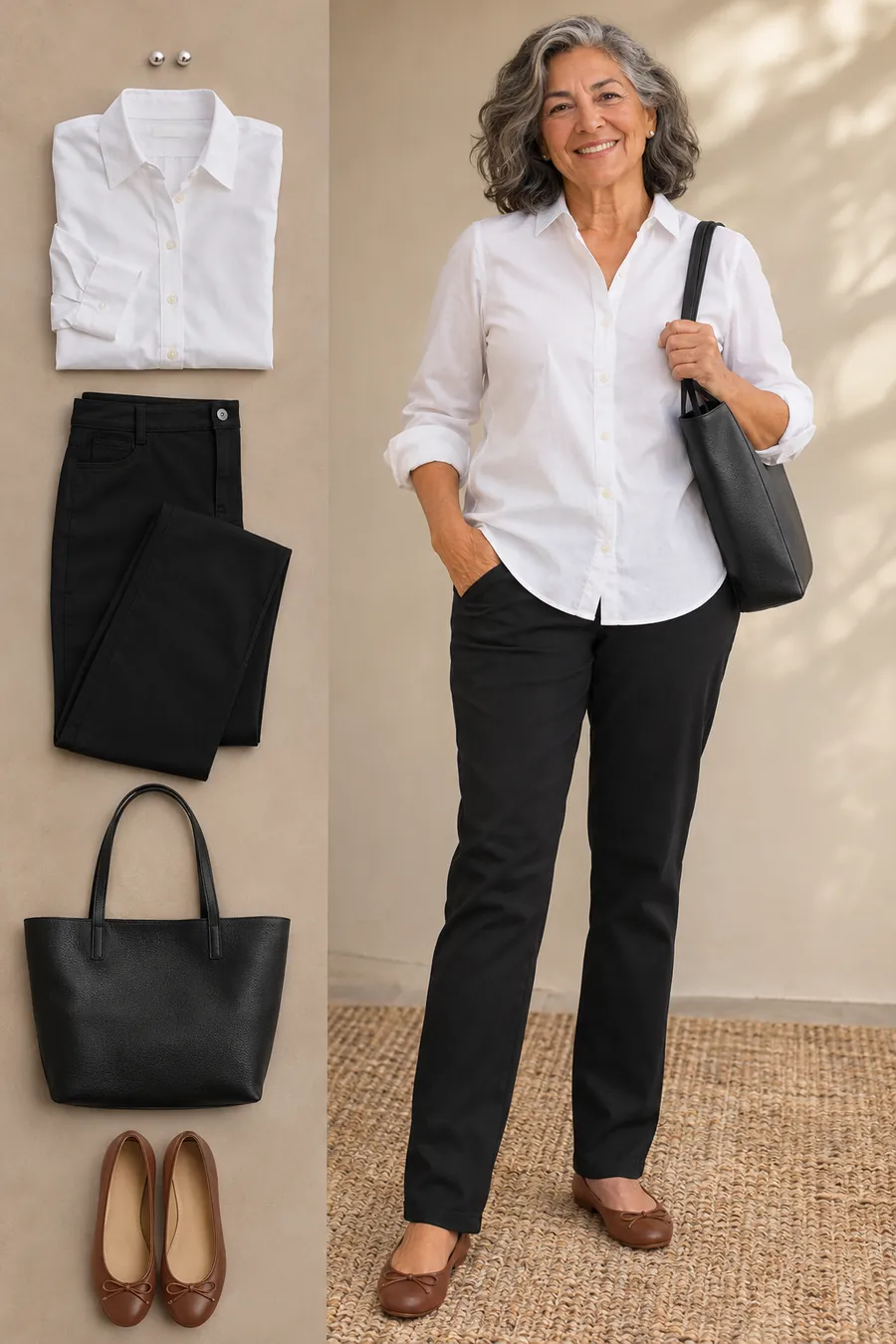
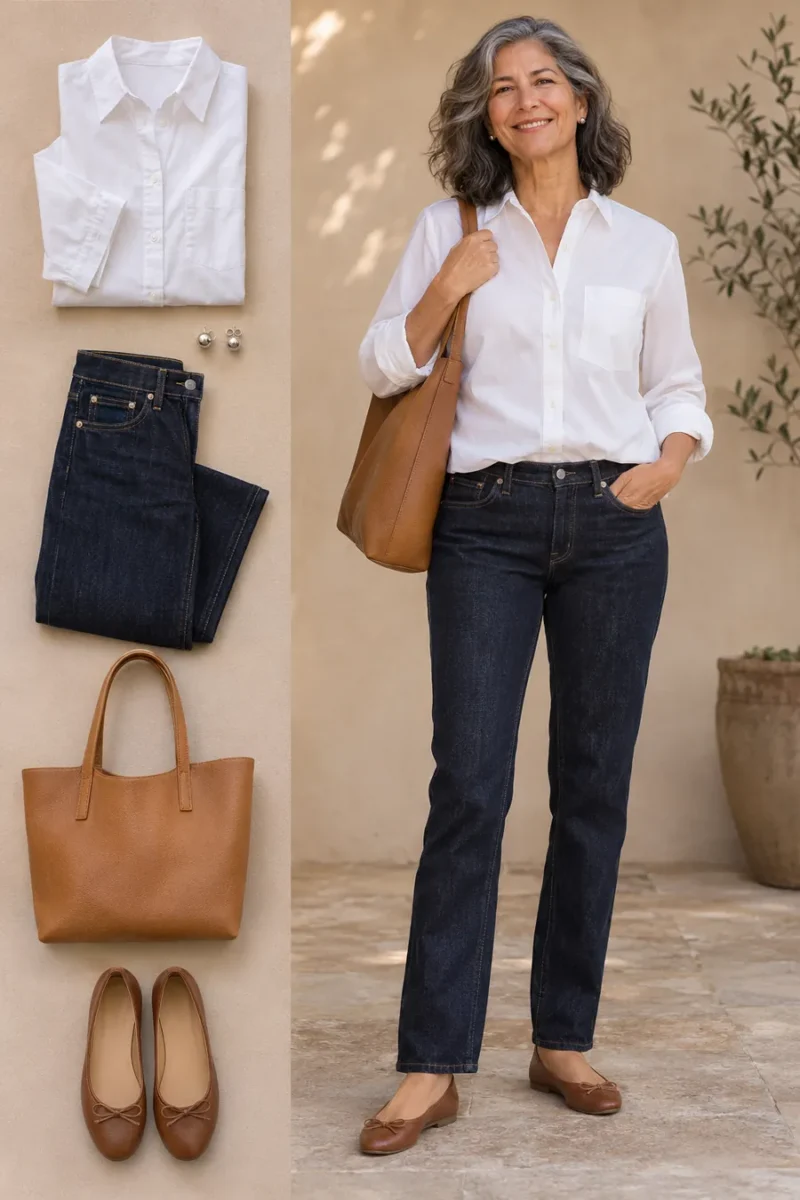
Reach forward and cross your arms while the shirt is buttoned. Woven poplin offers less give than a tee. If it gaps across the chest, try a different cut or wear the shirt open as a layer.
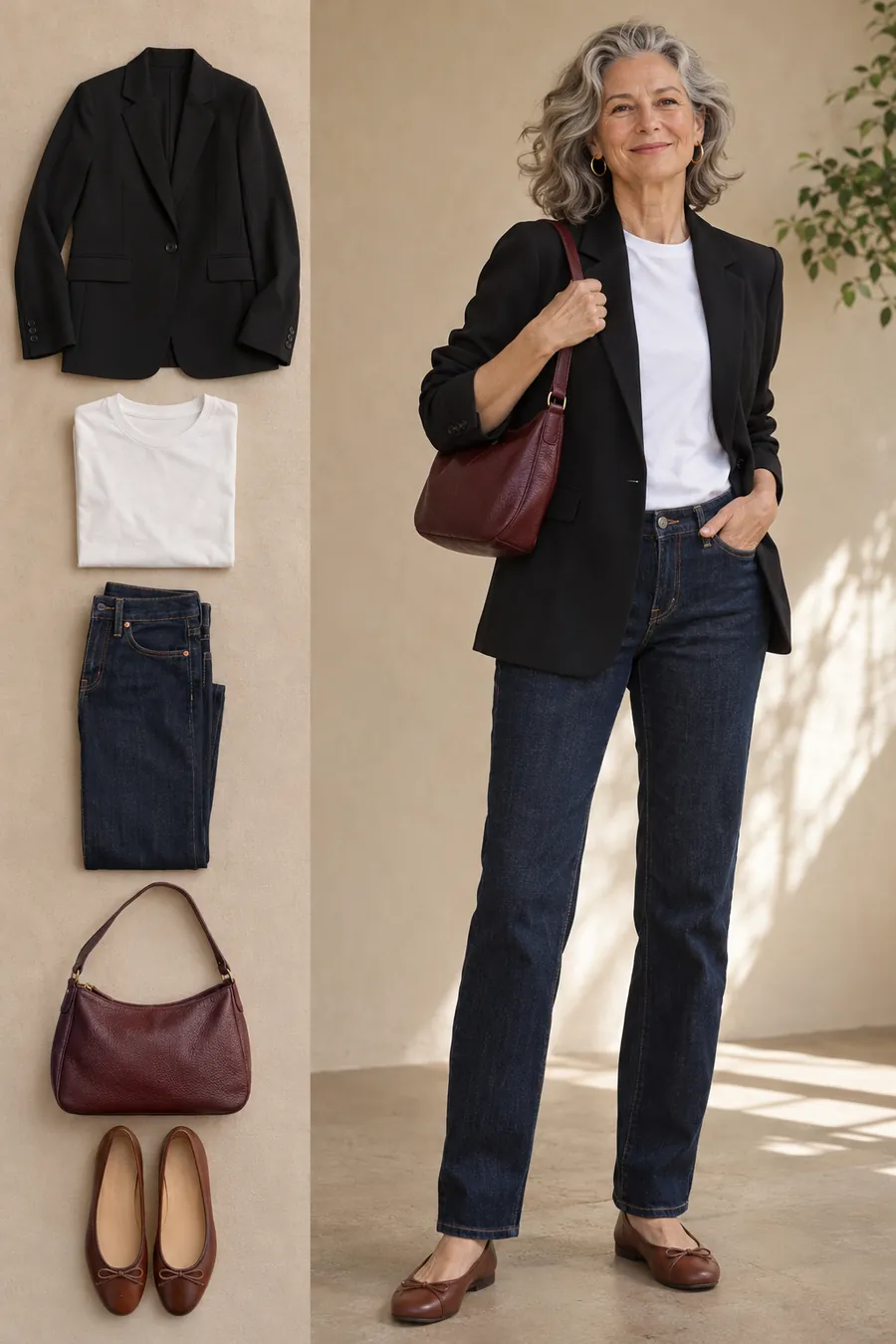
5. Check the blazer over your real layers
Try the blazer over your thicker everyday top. Sit as if driving. If the back pulls or the armhole presses, compare a different shape. A sleeve hem is one alteration to price out; reshaping the shoulder is a bigger job.
Layers, hems and fabric
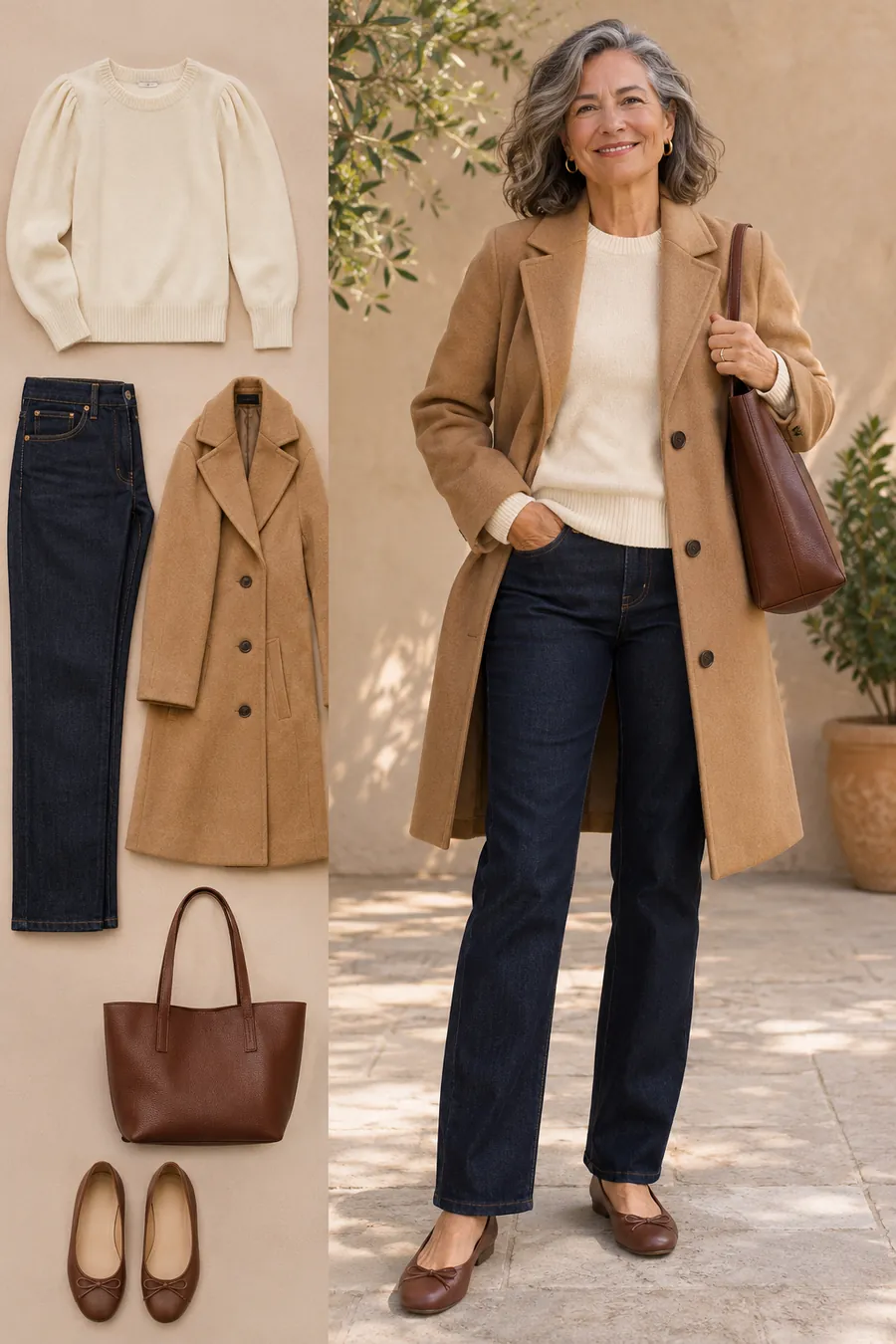
6. Choose sleeves your coat can accommodate
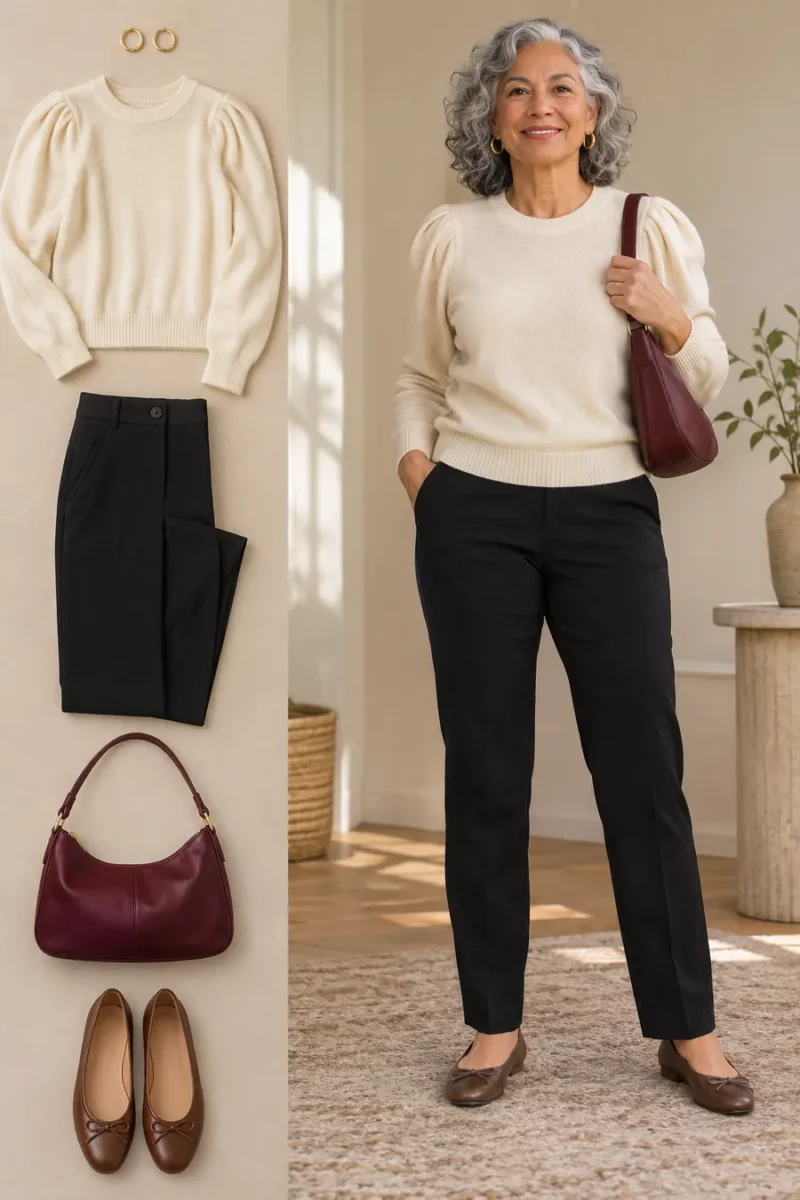
A sweater with a pleated shoulder and a fuller sleeve can work under a roomy coat. Reach forward with the coat buttoned. If the sleeve bunches, try a thinner knit before replacing the coat.
7. Measure inseam in shoes
Measure from the crotch seam to the hem on a pair you already wear. Compare it with the new trousers and then try them in your usual shoes. An inseam that works with a boot can be too long with a flat.
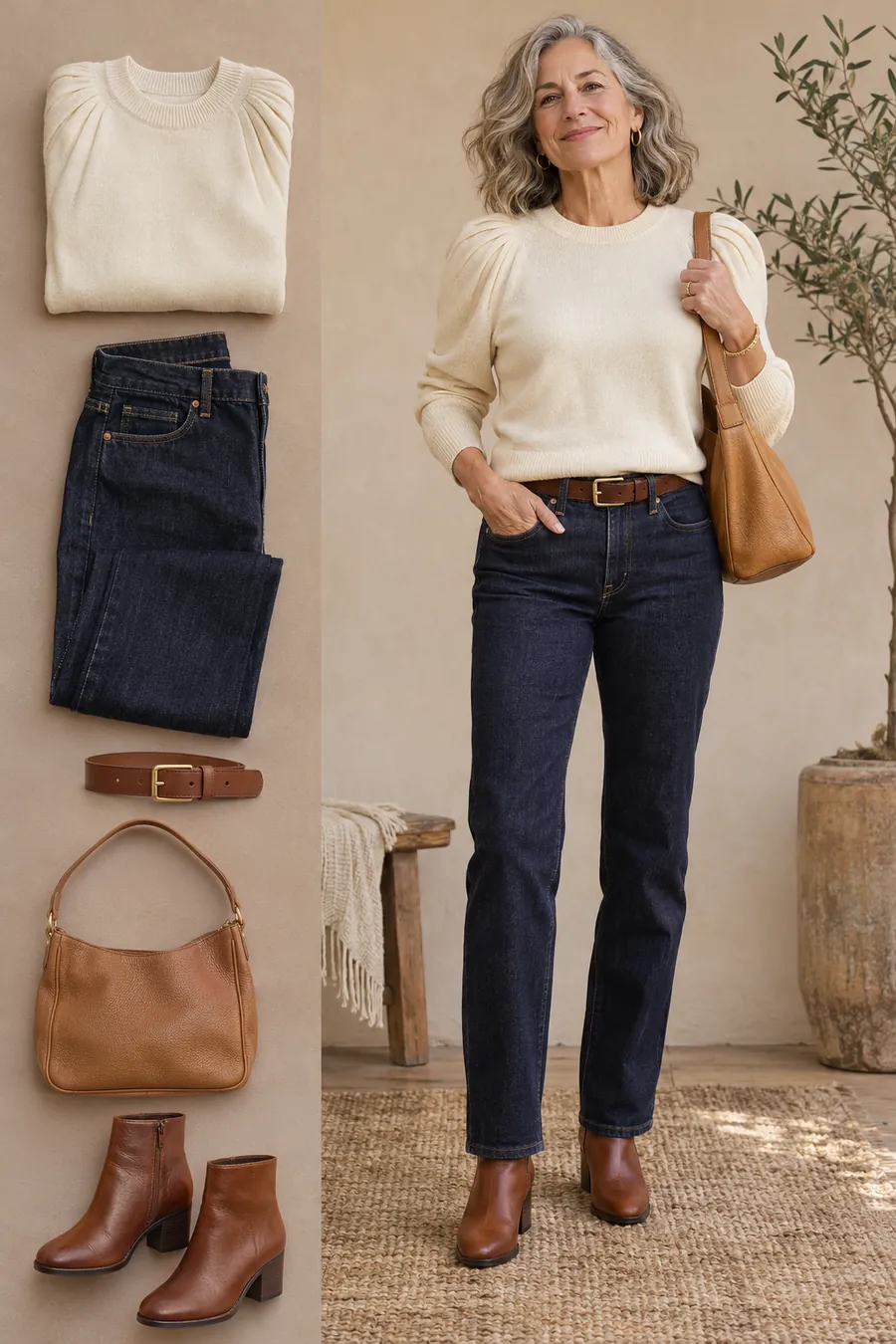
8. Check the hem width around boots
Slide the hem over the boot and walk. A narrow leg can catch on a tall shaft and bunch when you stand. Compare a lower boot or a wider hem before taking either item to a tailor.
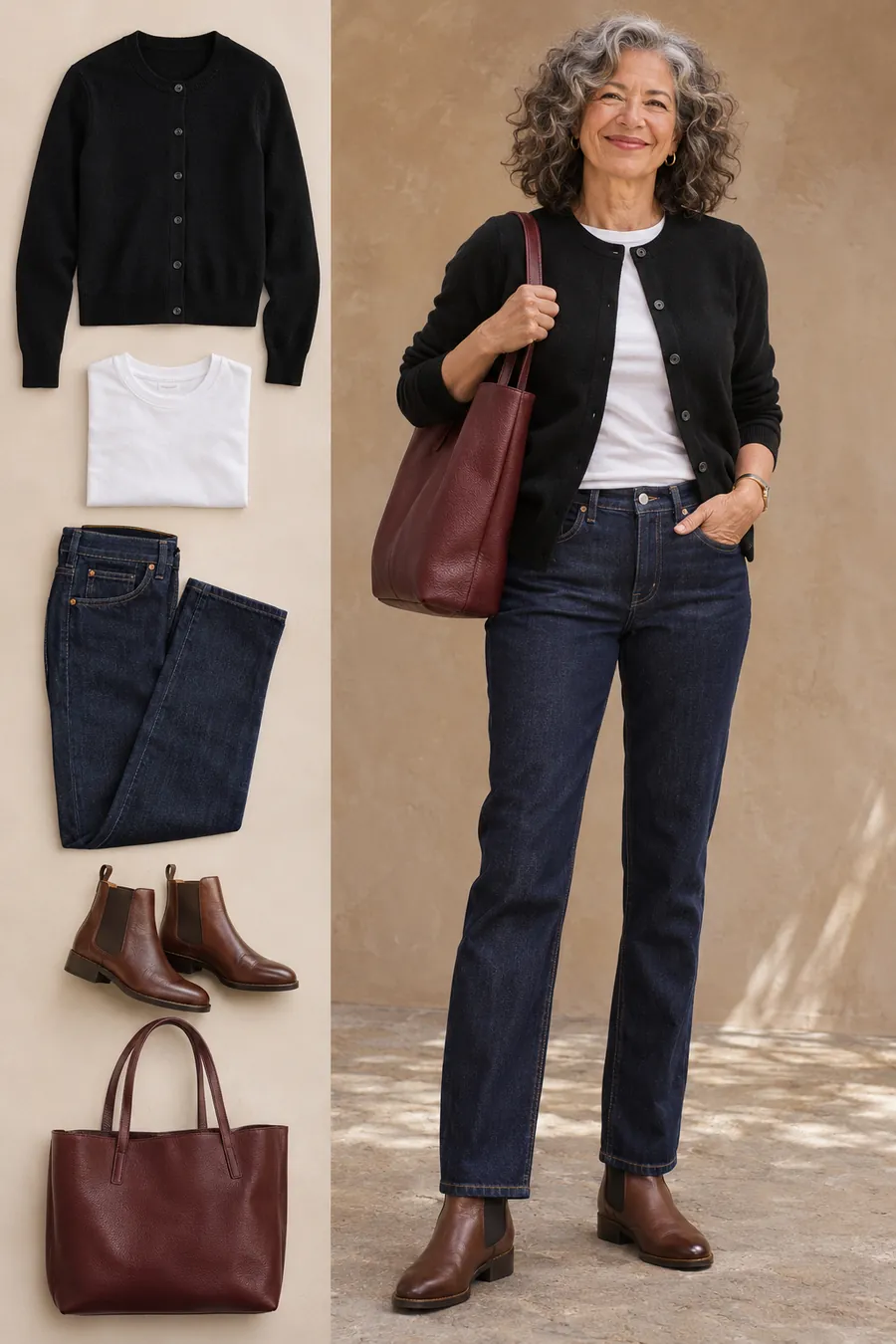
9. Check pale fabric from behind
In daylight, look at the seat and pockets while standing and seated. If the outline shows through, compare a denser weave or a lined trouser. A roomier size may help with pulling but it cannot change the fabric’s opacity.
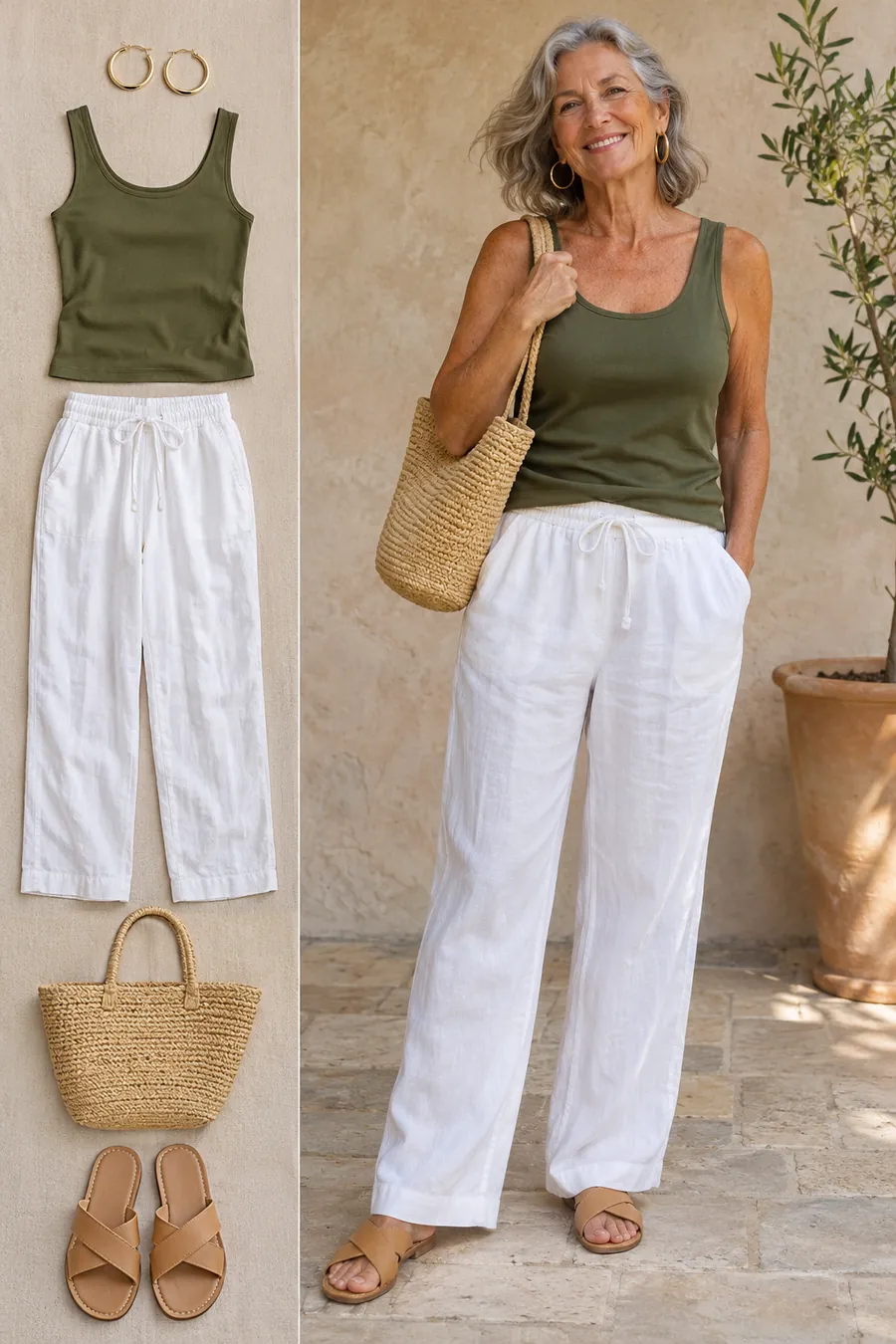
10. Check where a dress waist lands
Find the waist seam while standing, then sit and check where it rests. The seam can sit too high or low even when the dress closes. A style with an adjustable waist or a different torso length may feel better.
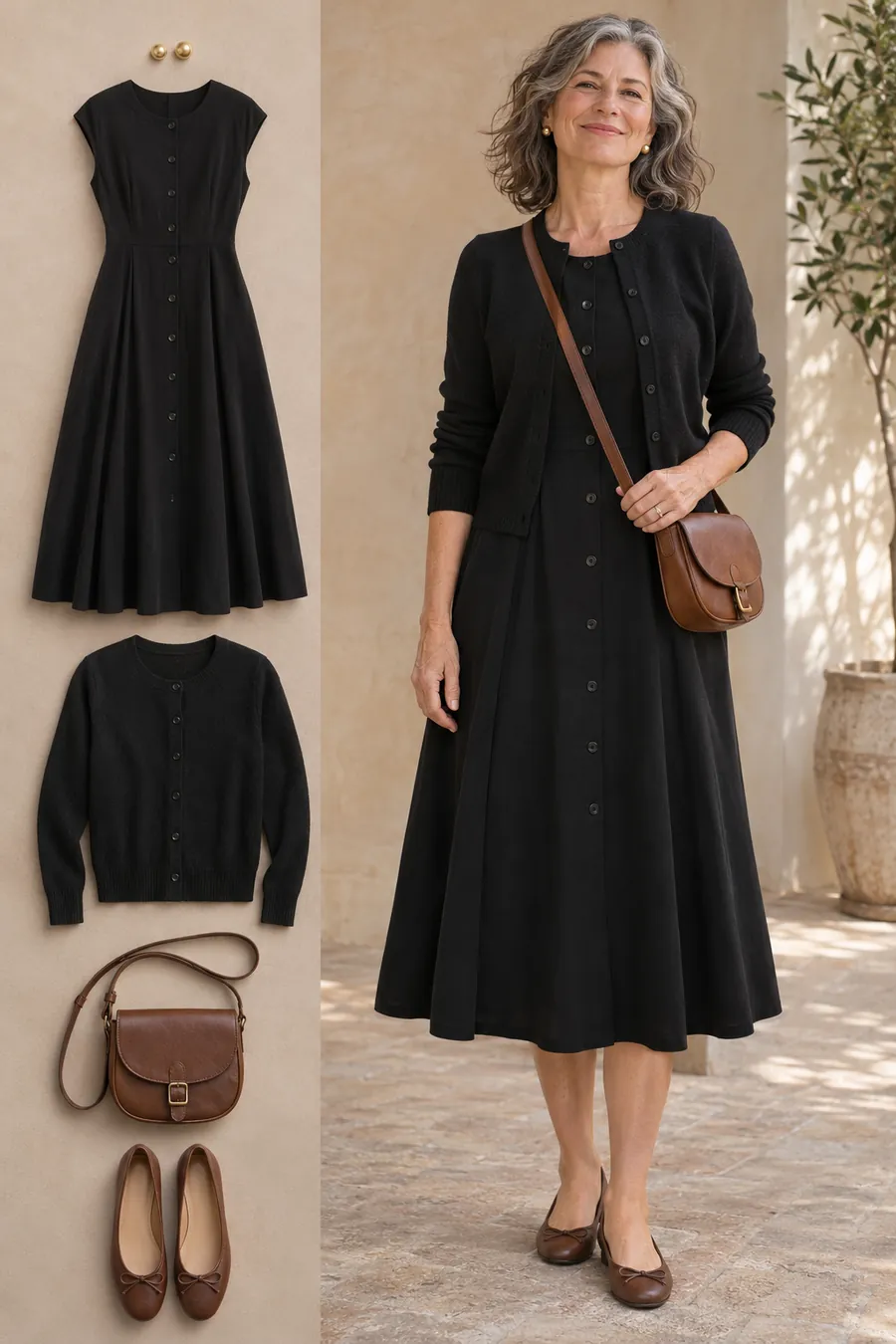
Try-on and tailoring checks
11. Check stretch and recovery together
Stretch helps when you reach or sit, and recovery is how well the fabric returns to shape. Bend your knees, walk and see whether the jeans bag out quickly. Remember that blends and washes can fit differently even within one model.
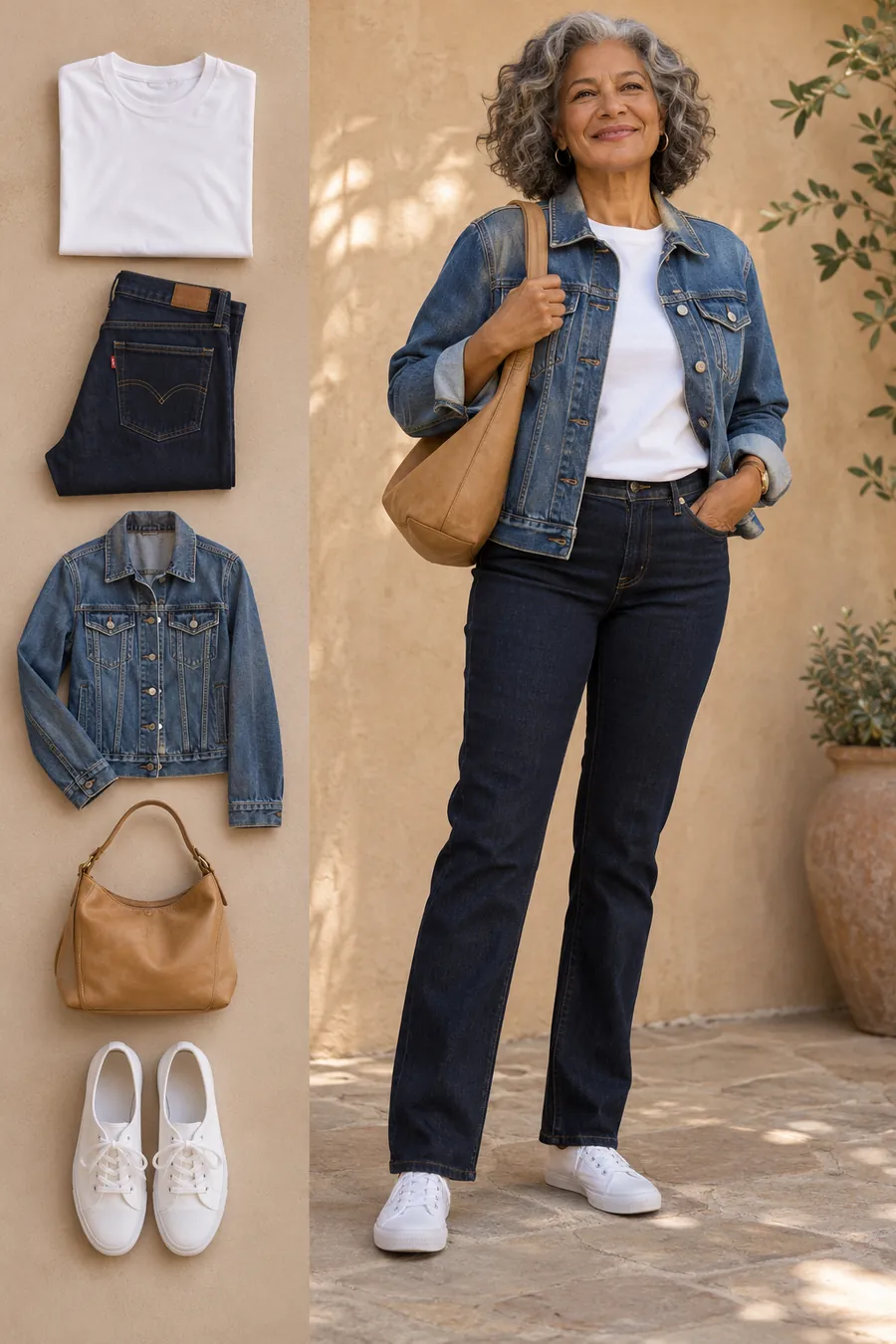
12. Look at the balance of an open layer
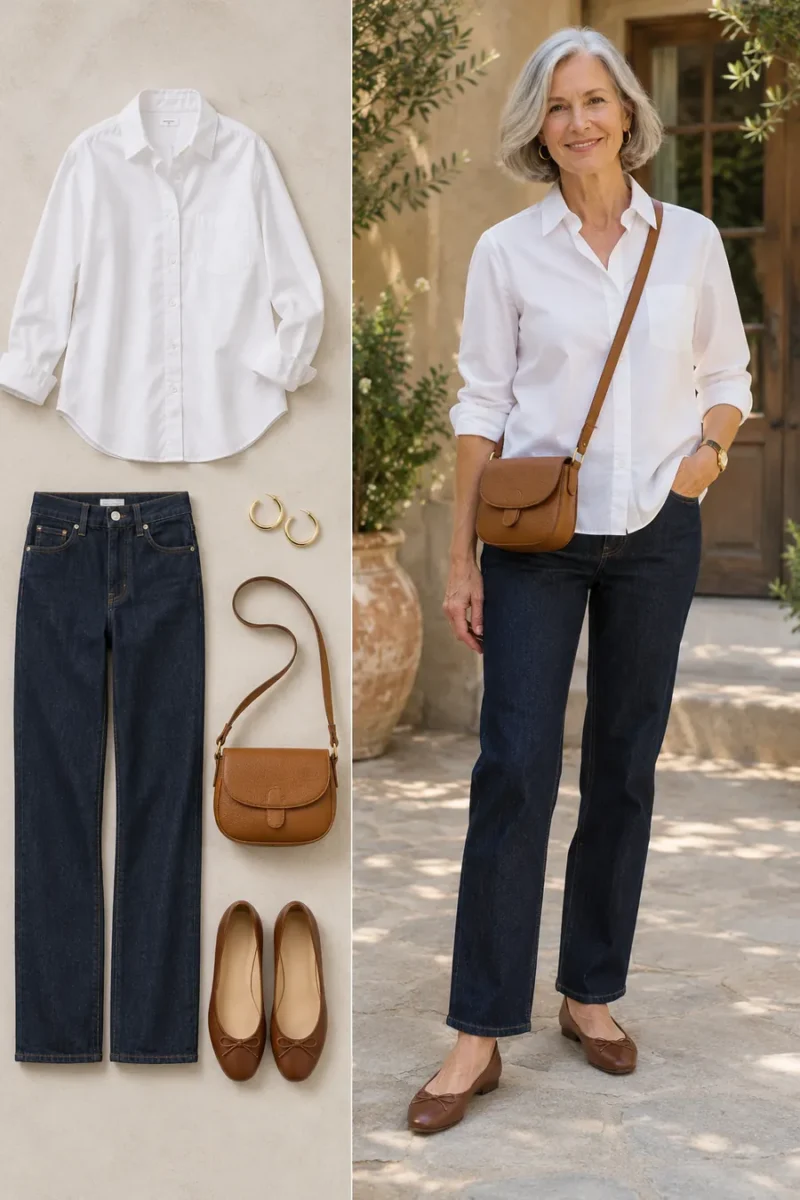
An open shirt can give you more room across the front, but check the back and shoulders too. Wear it with the top you plan to layer under it. Try rolling the cuffs to see whether they stay put when you reach.
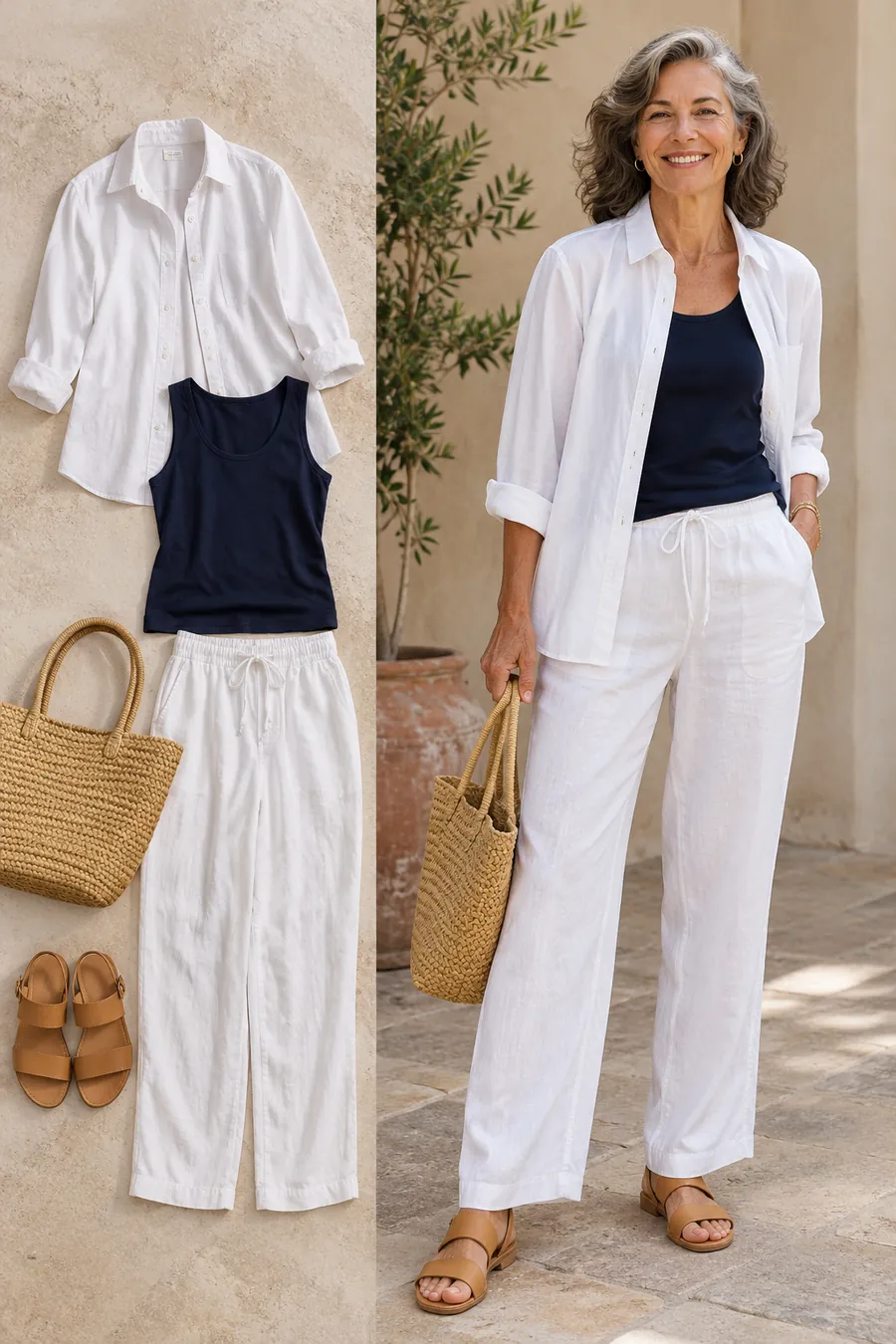
13. Choose shoe fit at the end of the day
Check toe room, heel hold and the fit with your usual socks. Walk indoors before removing tags or taking a pair outside. If you need extra width, compare a wide option rather than simply adding length.
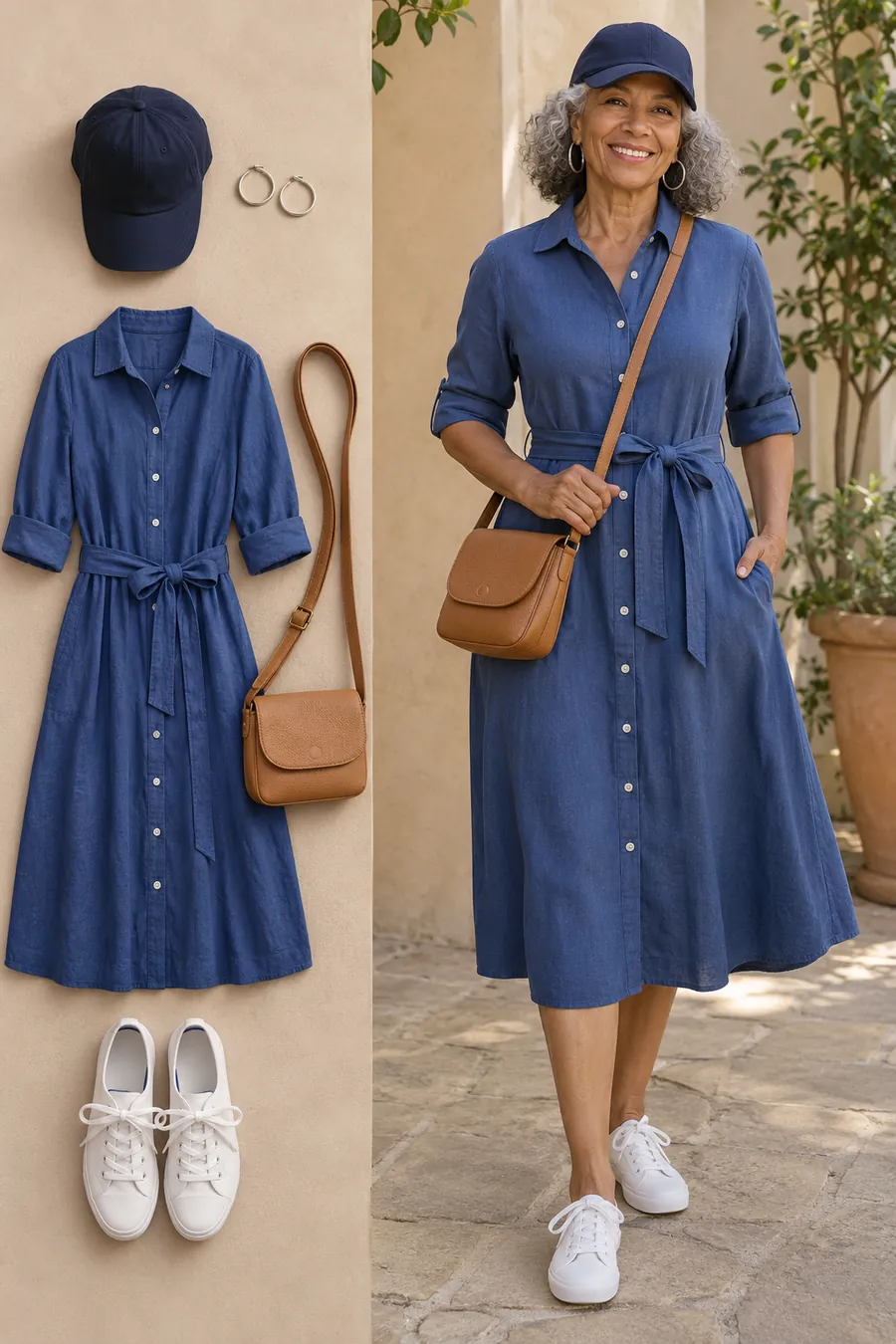
14. Price alterations before paying
A straightforward hem may make sense when the waist, seat and thigh already fit. Ask for a quote before buying. When several areas need changes, try another cut and compare the total cost.
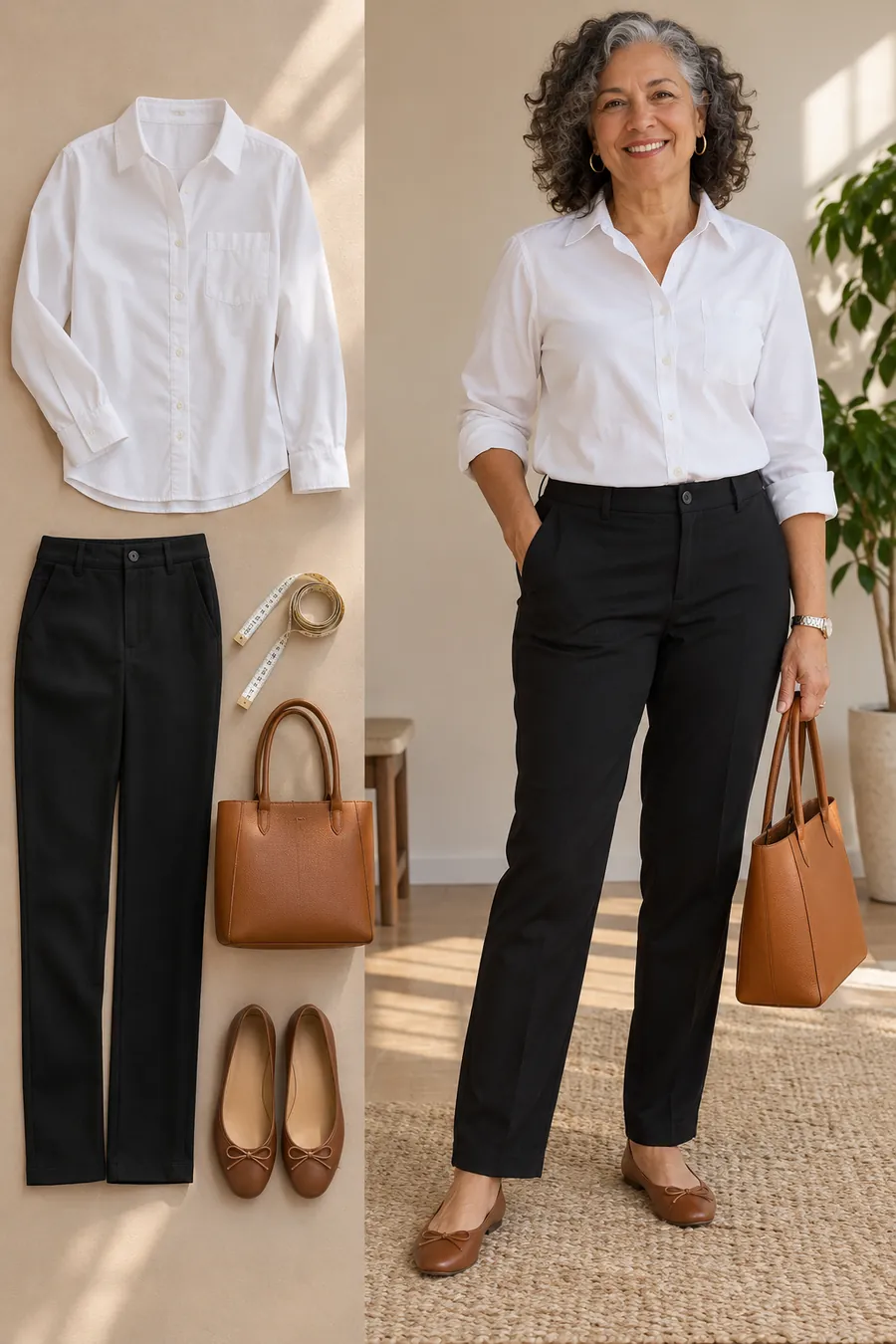
15. Keep measurements for the next order
Write down the flat waistband, front rise and inseam from a pair you enjoy wearing. Label which numbers are garment measurements. Next time the brand provides only body measurements, keep the two sets separate.
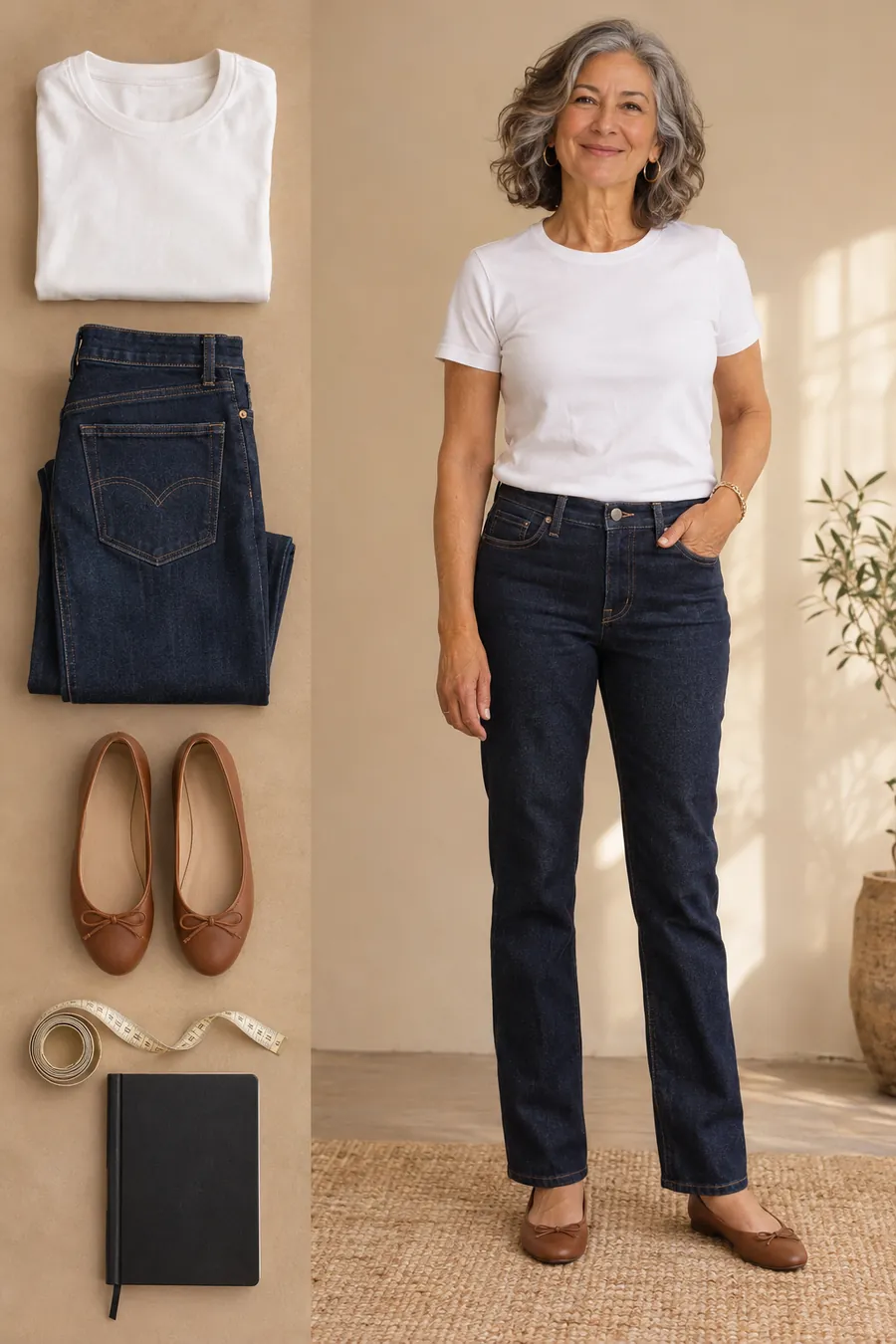
Keep, tailor or try another cut
Keep the item if you can sit, reach and walk in it with the rest of the outfit. Ask for an alteration quote if one area is clearly the issue and you like the rest of the garment. Bring the shoes or layers that matter to the fitting.
If you need to change several areas, compare a different cut first. Take two measurements and one note with you. “Thirty-inch inseam with my flats, and more room when seated” is easier to shop for than a different size number alone.
Frequently asked questions
Why do two pairs in the same size fit differently?
The rise, ease through the hip, stretch and pattern can differ by model or wash. Compare measurements and use the same seated try-on for both.
Which alteration is easiest to compare?
A simple hem is a useful starting point if the rest of the garment fits. Get a quote and bring the shoes you expect to wear. Ask whether the original hem can be kept if that detail matters to you.
Keep reading
25 everyday fashion tips · 12 rules for shopping for clothes · 30 wardrobe essentials
Leave a Reply