
This post may contain affiliate links. If you buy through them, we may earn a small commission at no extra cost to you. Read our disclosure.
Finding your personal style after 50 starts with noticing which clothes make your actual week easier. You might have a closet full of past work outfits and a calendar full of errands, or the reverse. Write down what you do now and look for a bridge between that routine and the clothes you still like.
The first seven steps help you define that bridge. The outfit experiments underneath make it easier to test a preference before you spend money.
Affiliate disclosure. As an Amazon Associate I earn from qualifying purchases. AI-generated images illustrate the ideas. Paid links lead to Amazon listings or searches for similar items. Check the size, color and seller before ordering.
In this post6 sections
Choose where to start
| When this comes up | Try this | What to check |
|---|---|---|
| You don’t know what to keep | Pull the last three outfits you wore | Identify the fit or texture you repeat. |
| Your style words feel vague | Attach each word to a garment detail | A word should help you choose between two pieces. |
| Your wishlist keeps growing | Test one gap in two existing outfits | Keep the item with a clear role. |
Seven steps to find your personal style
1. Start with how your week works
Look at your last seven days. Count the times you dressed for work, errands, lunches or events. Write down the two situations you dress for most often. Those two go at the top of your style plan.
2. Find the three pieces that leave the closet first
Put your favorite sweater, bottom and shoe together. Write down what you like about each one, such as a cuff that stays in place or a waistband that works when you sit. These details are clues you can use when a piece wears out.
3. Choose three style words you can test
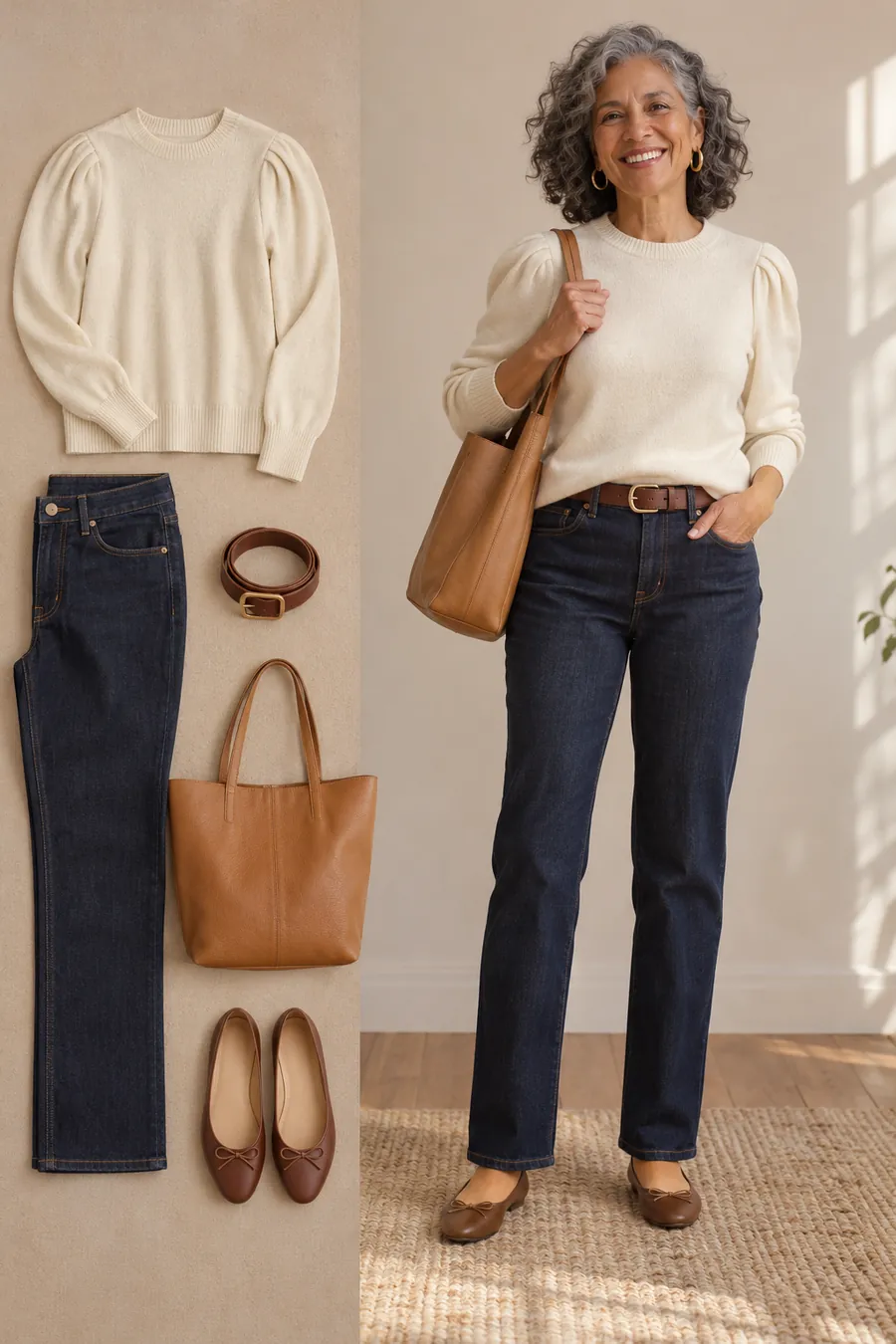
Make each word describe a visible choice. For example: relaxed means a straight jean with room at the knee, polished means a jacket that lies flat, and warm means brown accessories. Replace words that give you no clue what to wear.
4. Build a small palette from clothes you already wear
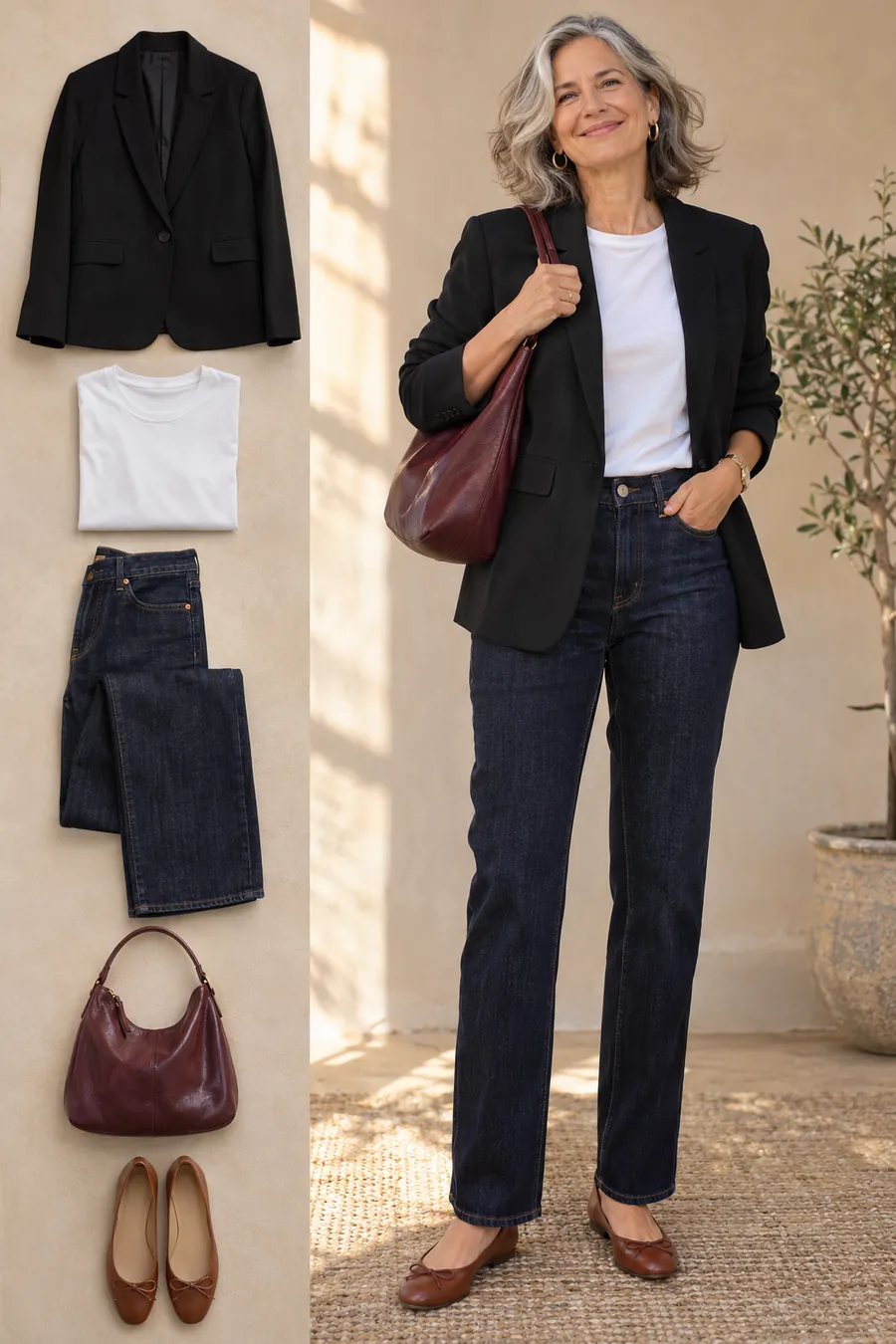
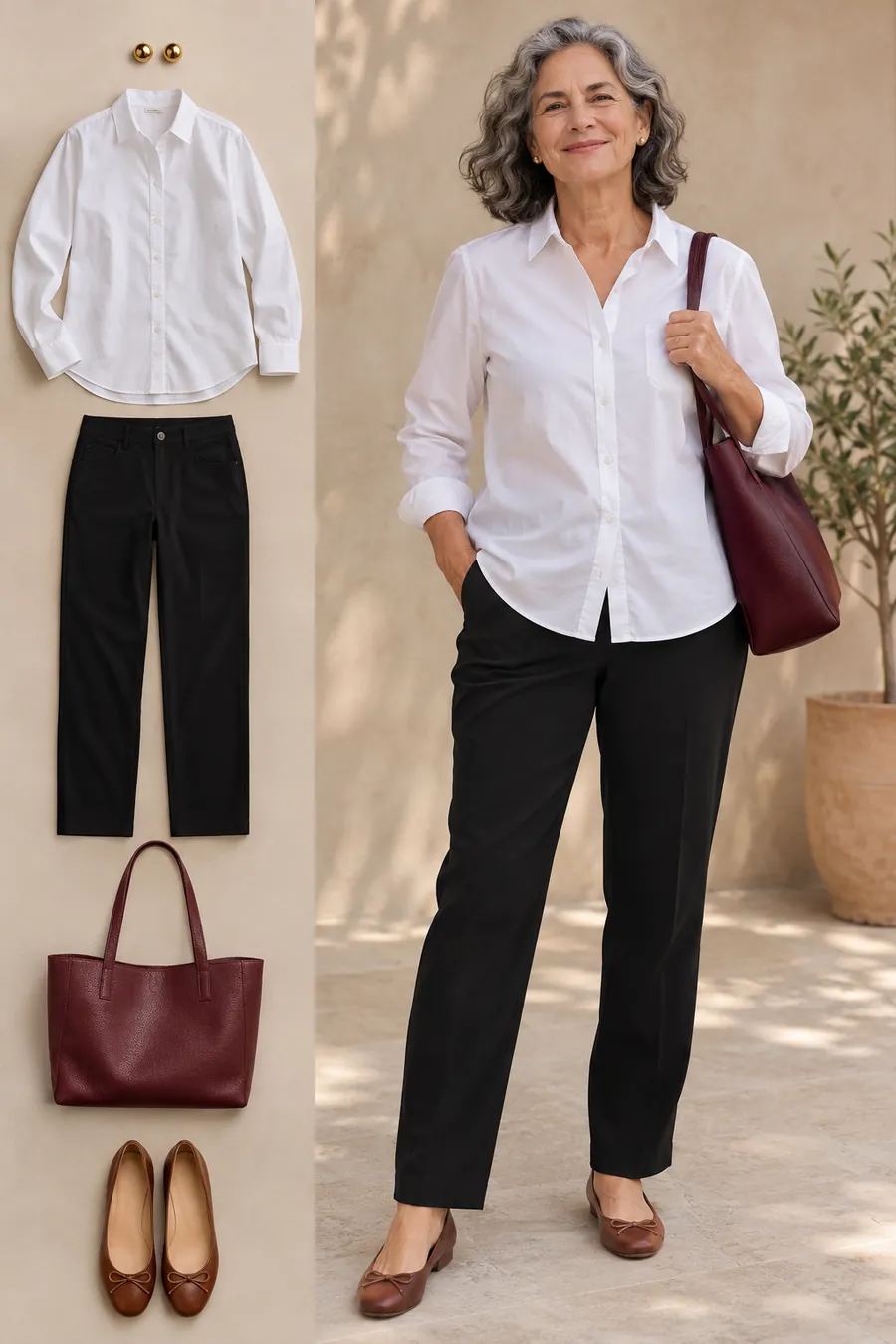
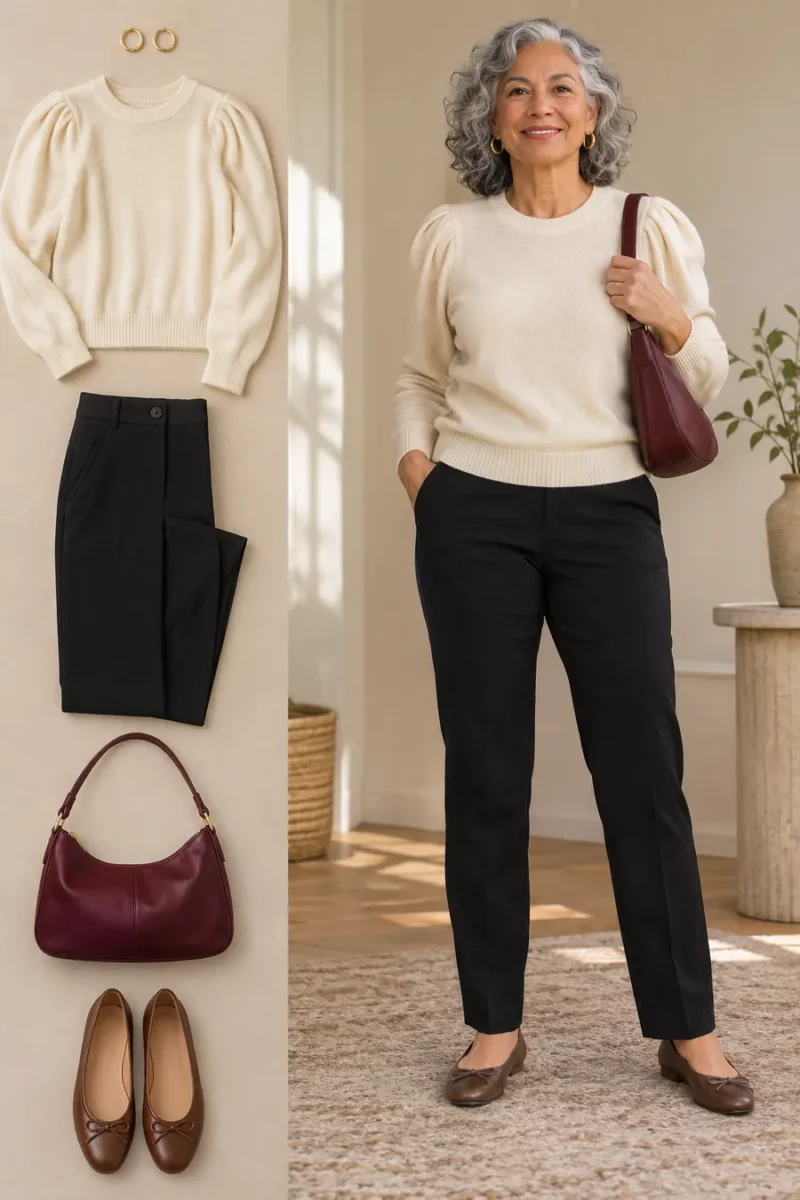
Choose two colors you own in useful shapes and one accent you like. White and black with burgundy is one option. Navy and cream with olive is another. Test the combination next to your face and in the full outfit.
5. Make a three-outfit trial
Create one casual outfit, one lunch outfit and one slightly dressier outfit. Wear each for an ordinary day rather than judging by the mirror alone. Keep notes on the first thing you take off when you come home.
6. Fill a gap that appeared twice
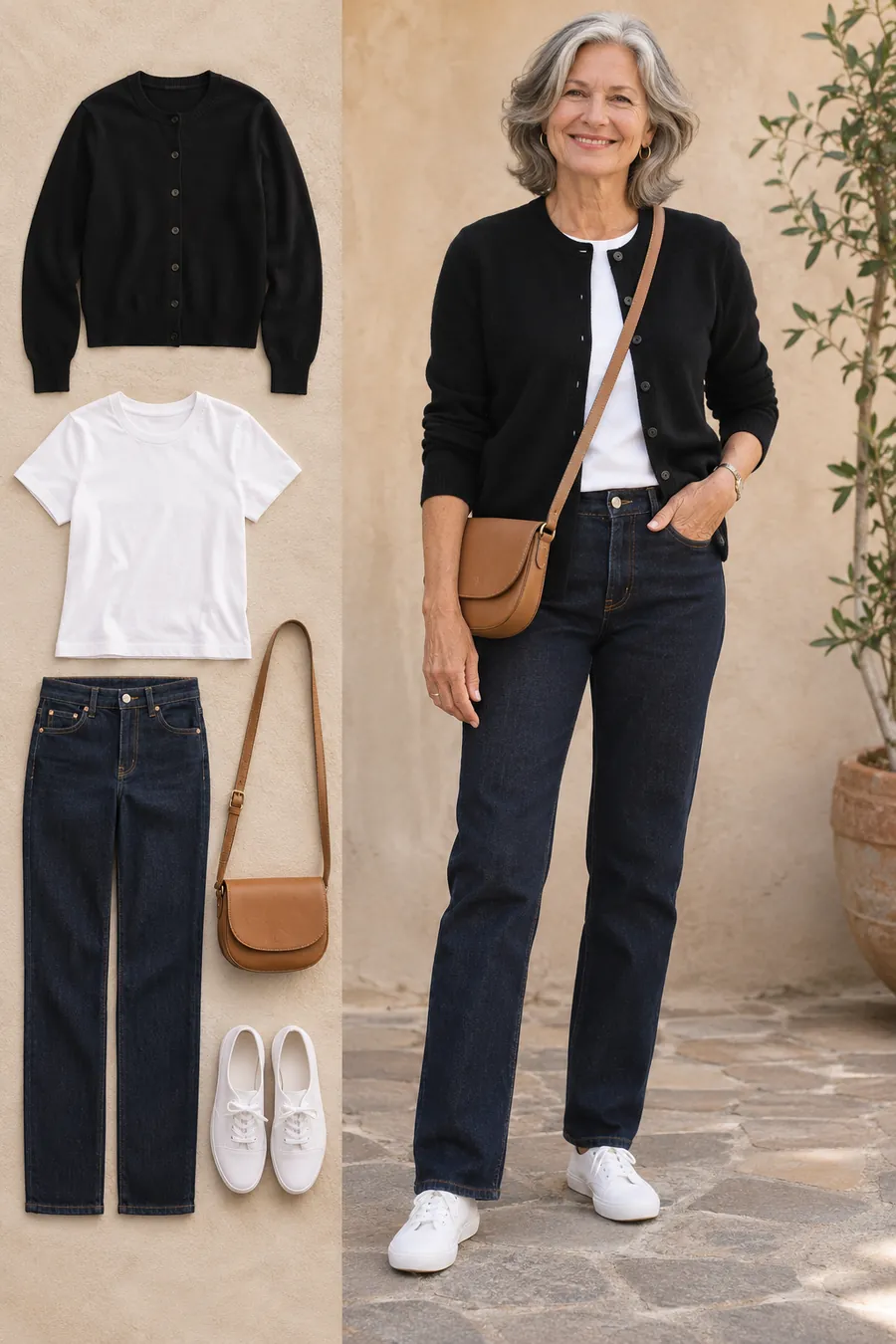
If two outfits need the same flatter shoe or the same comfortable dark trouser, put it on the list. Verify the gap with a try-on before shopping. The right piece should work with two tops and one layer you already own.
7. Keep a record that can change with you
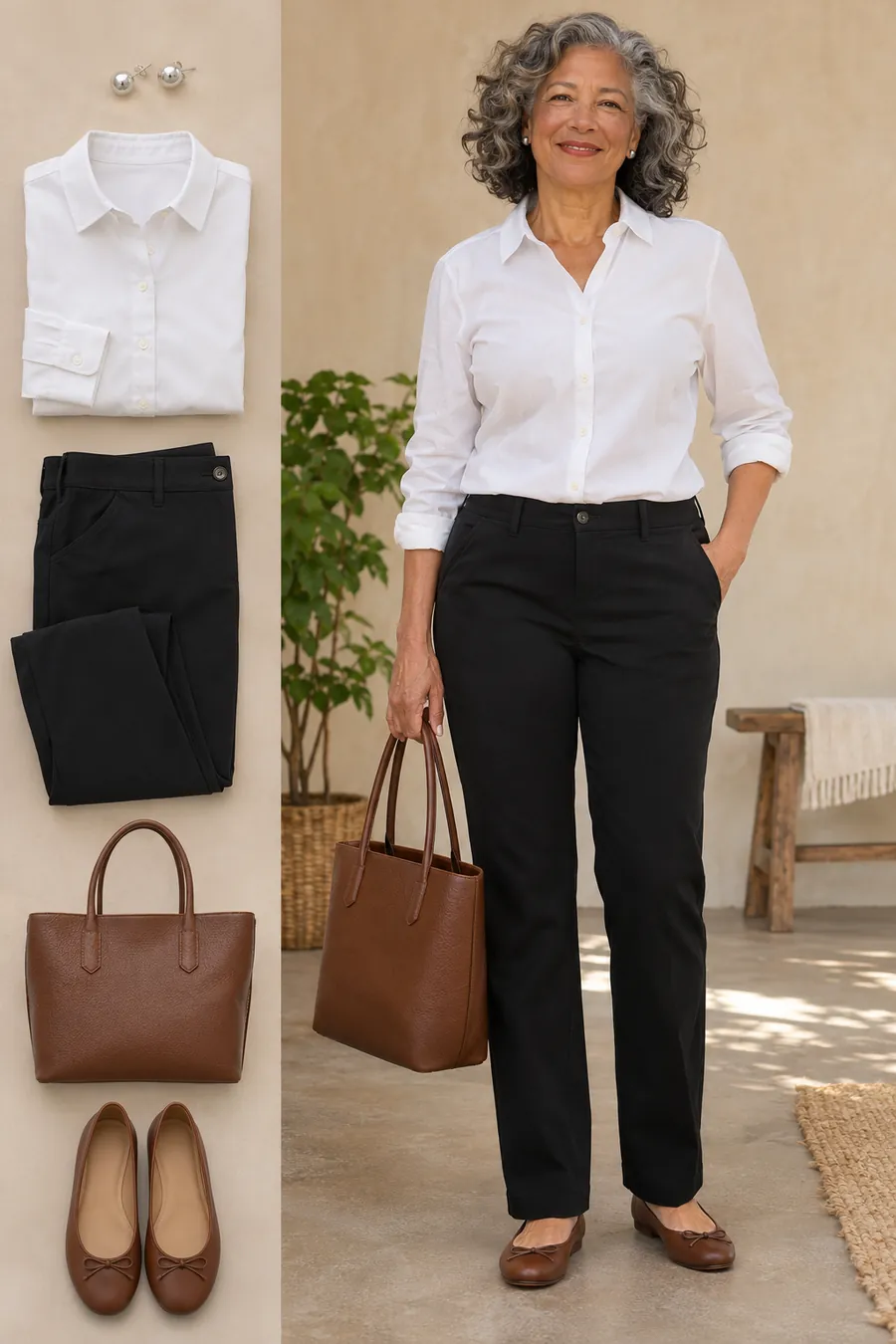
Save photos of the looks you would wear again and delete the ones that never worked. Revisit the folder when the weather, your schedule or your comfort needs change. Keep the useful idea and adjust its weight, fit or shoes.
Eight outfit experiments to try
Try classic without making it stiff
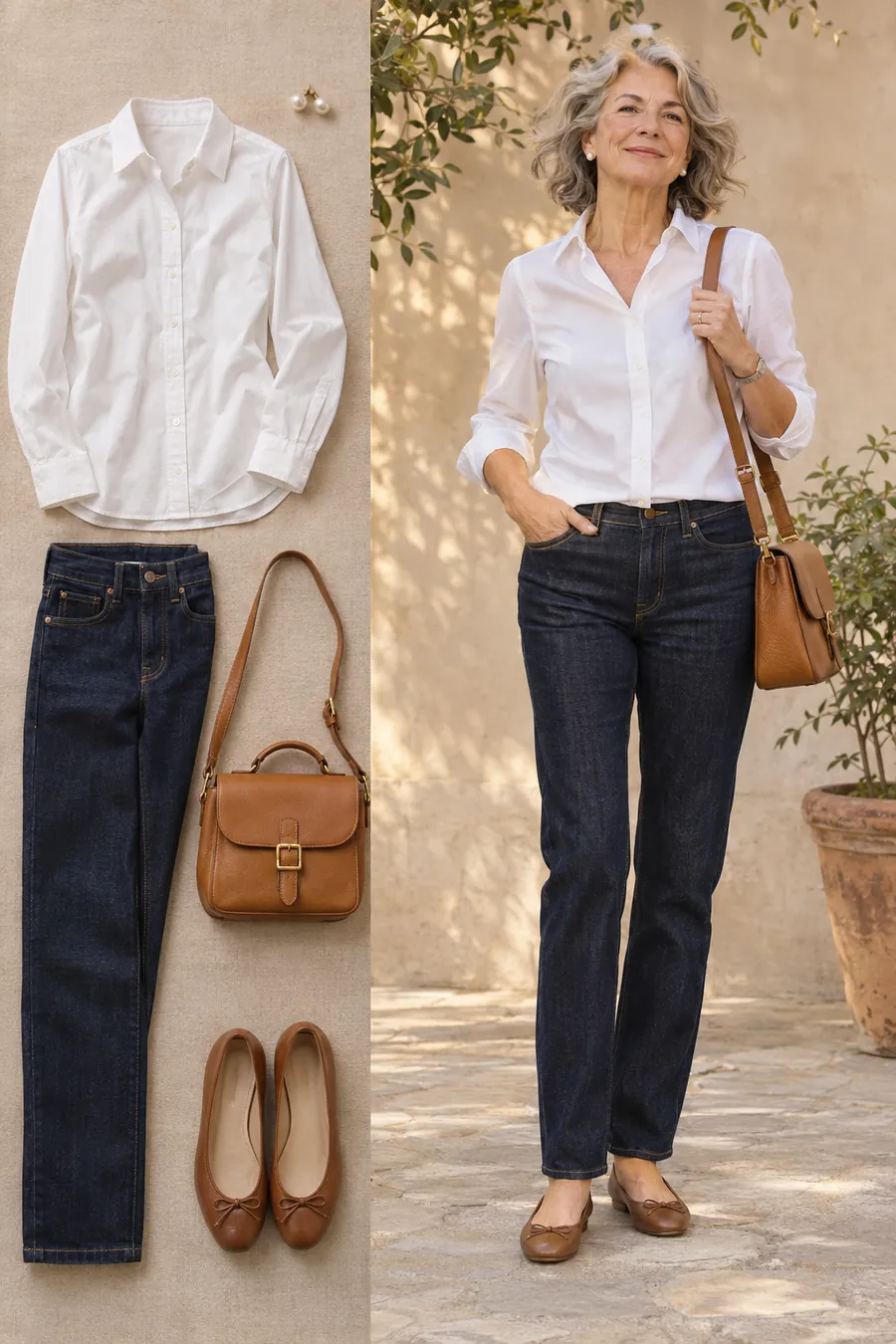
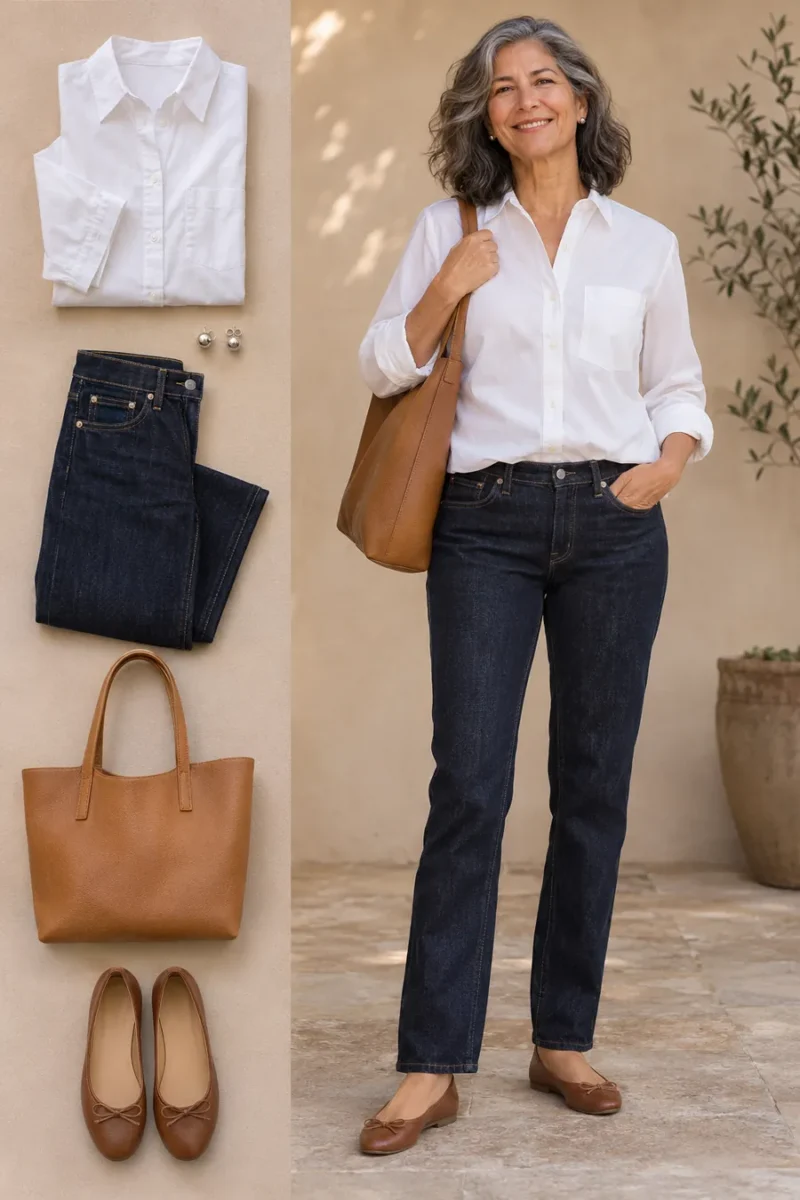
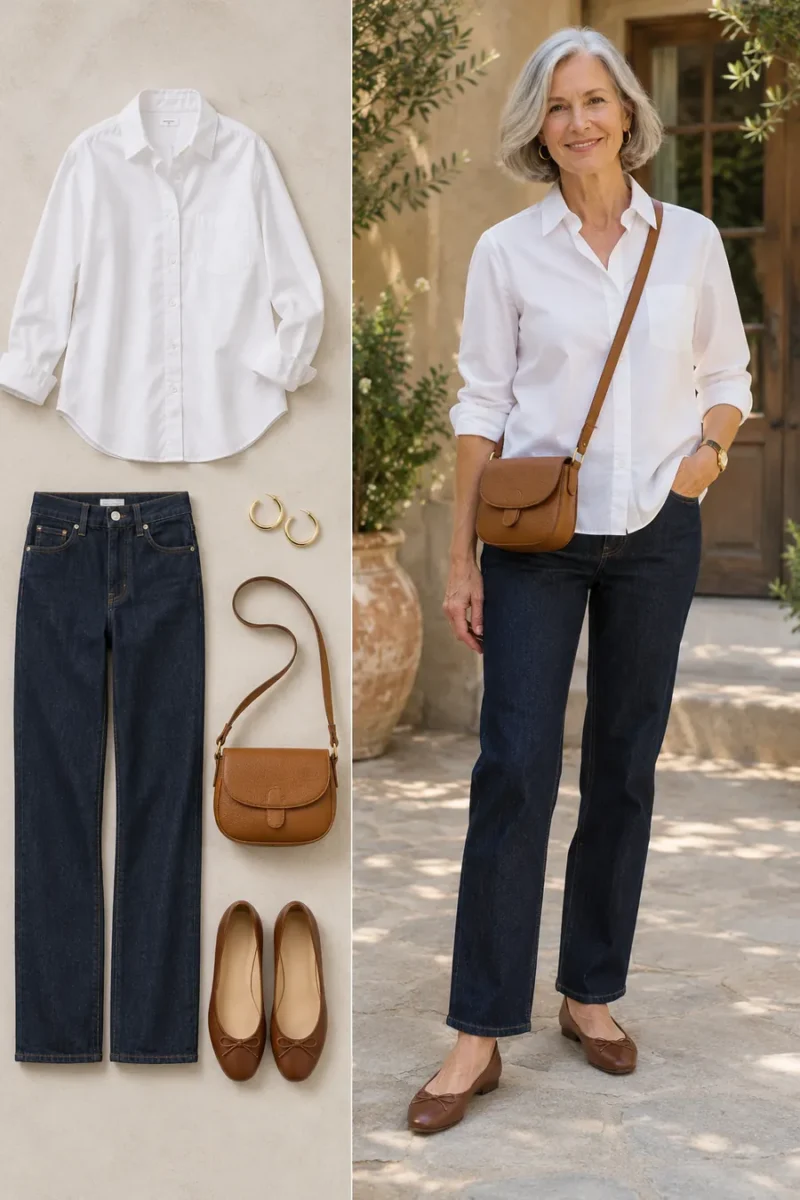
Use a crisp shirt with familiar denim and round-toe flats. Leave enough space at the collar and cuff to move. If the shirt looks too formal for your errands, wear it open over a tee.
Try soft tailoring for an appointment
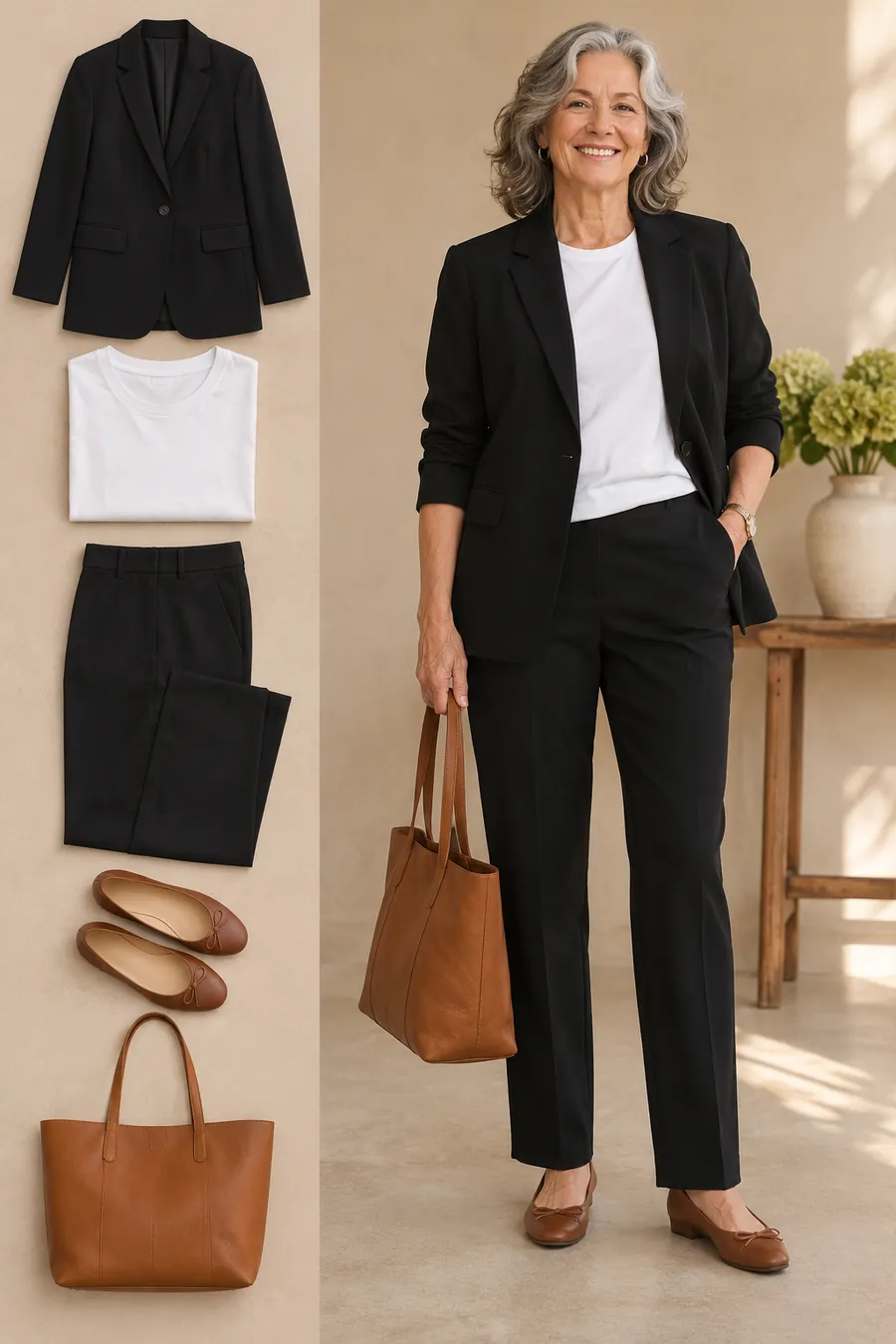
Choose an easy blazer over a tee and tailored trousers. Before buying, reach forward over your regular layer and check that the sleeves are comfortable. Try an open cardigan if a full jacket does not fit the day.
Try a warm-weather uniform
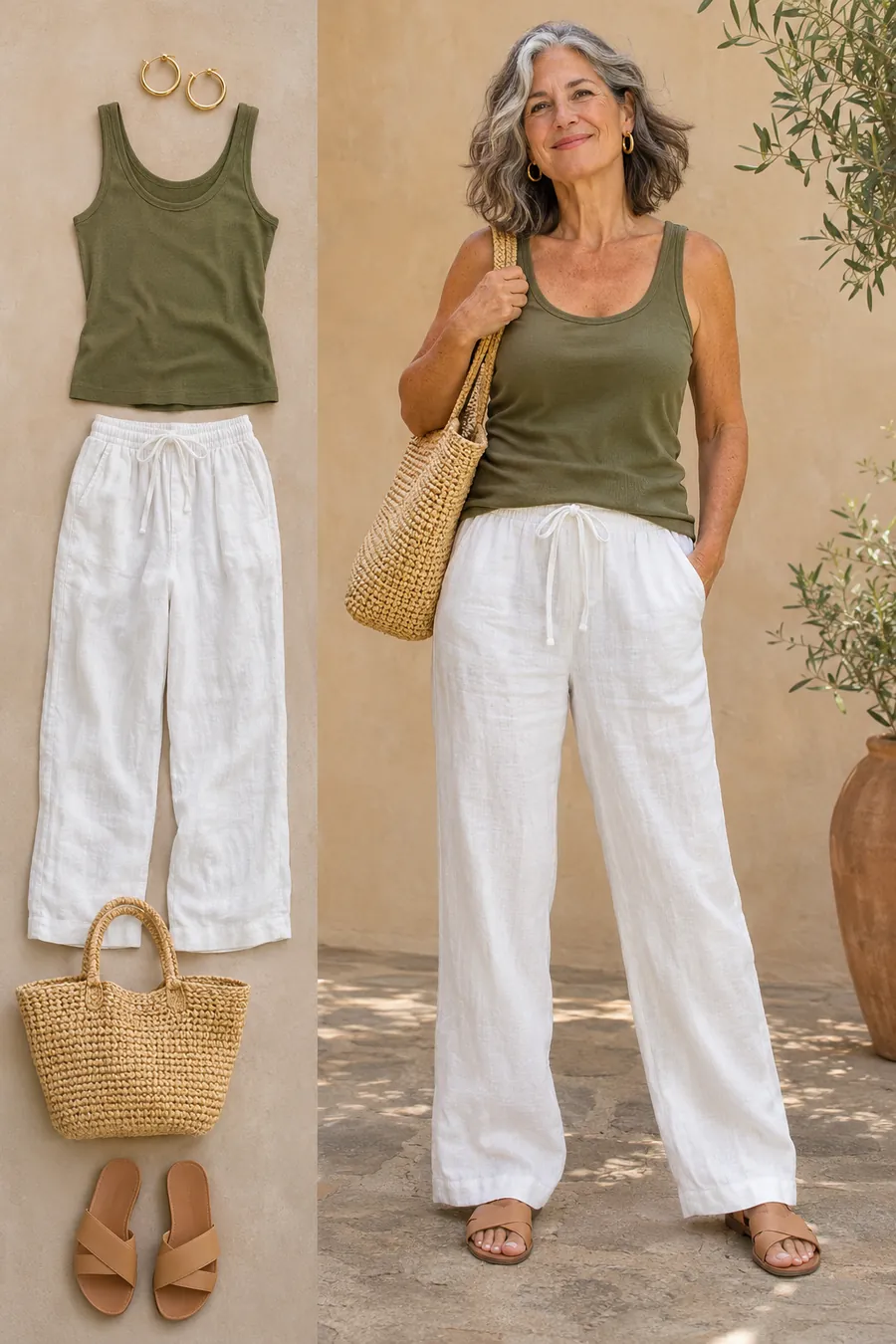
Use pull-on linen trousers and an olive tank for warm errands. Check pocket opacity and inseam in daylight. For a cooler indoor room, add a light cotton layer and keep the easy bag.
Try a relaxed sporty outfit
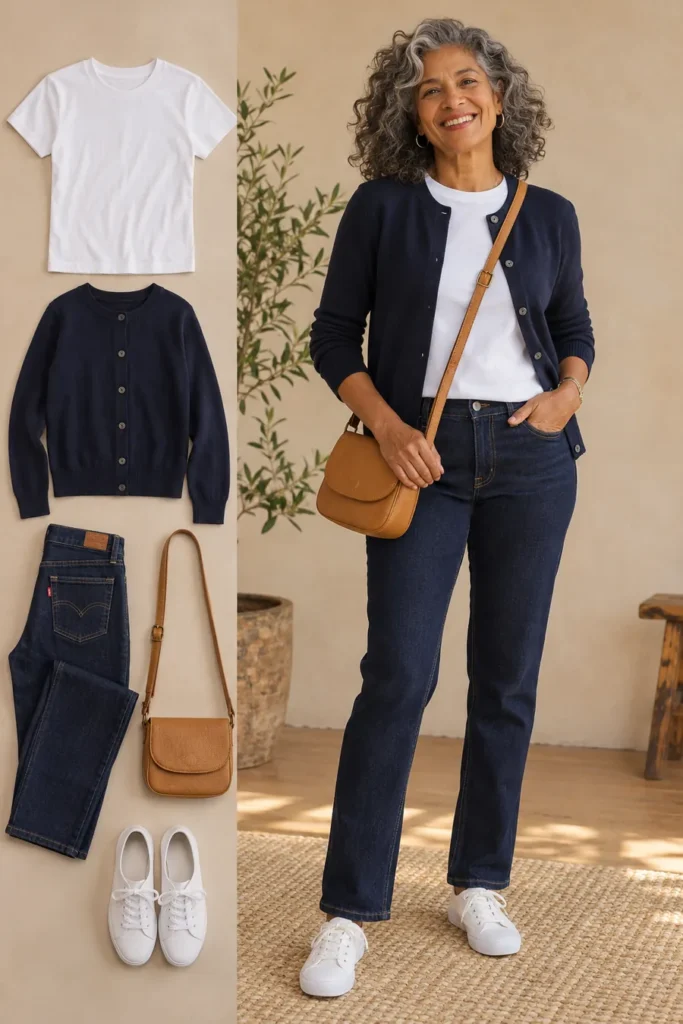
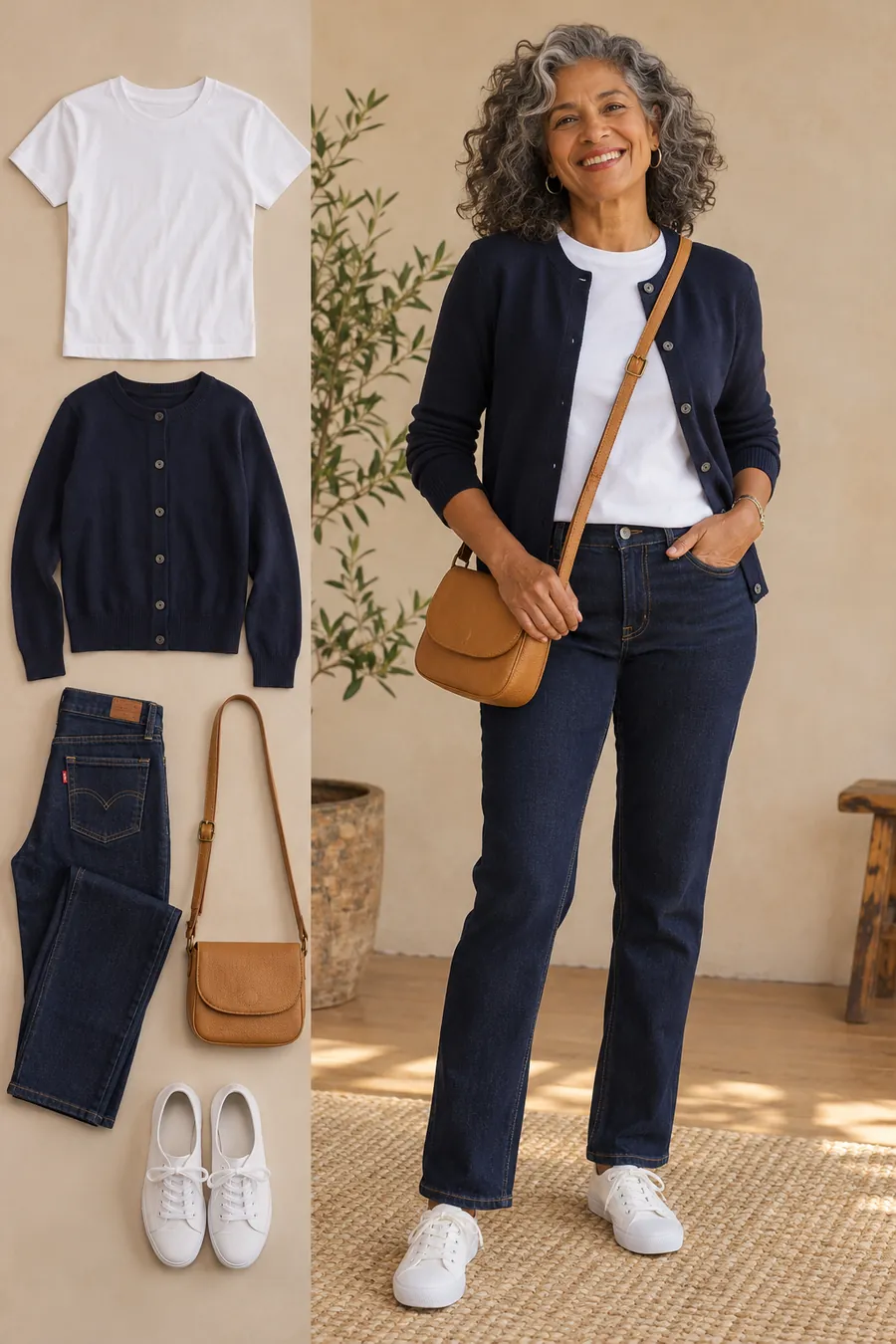
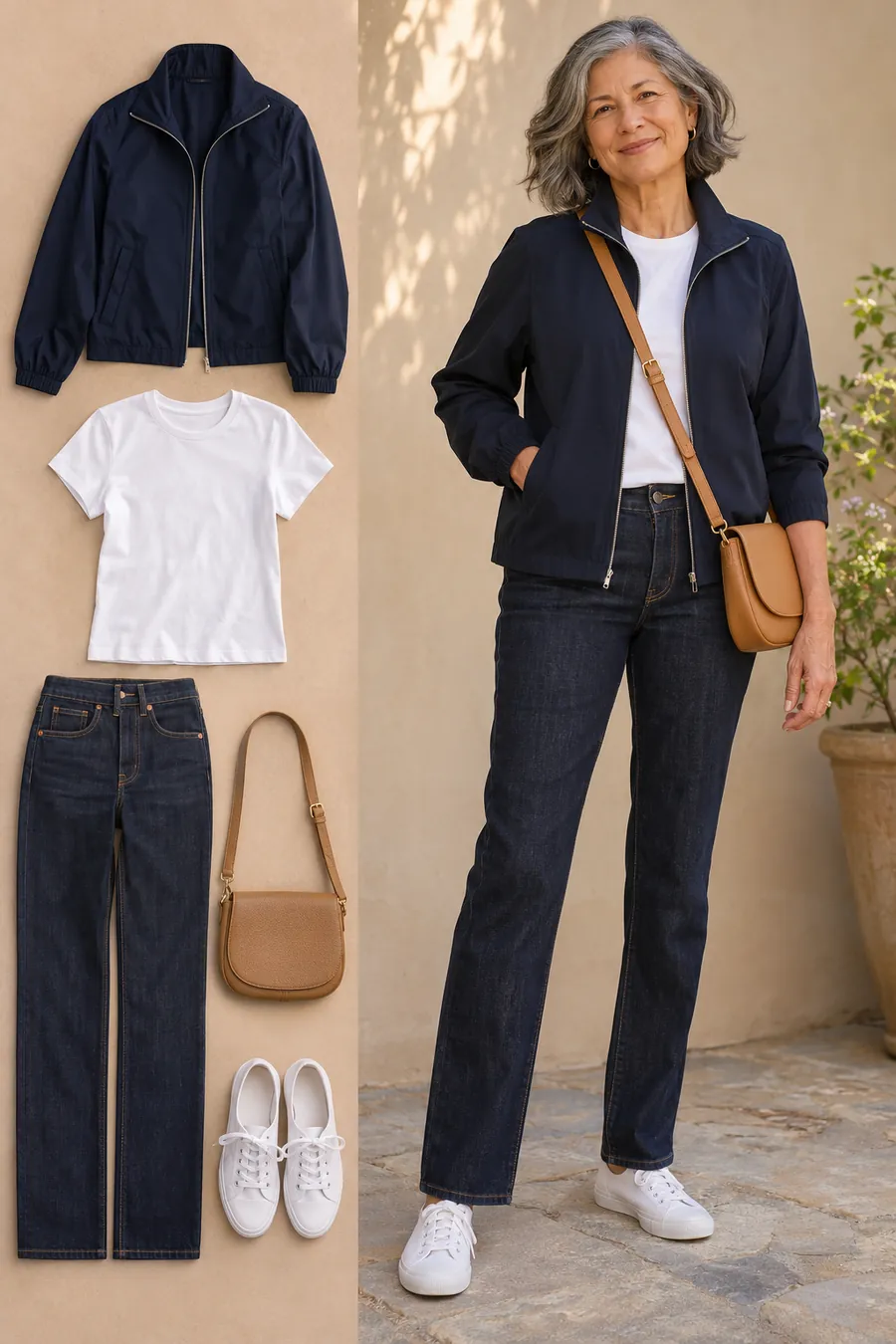
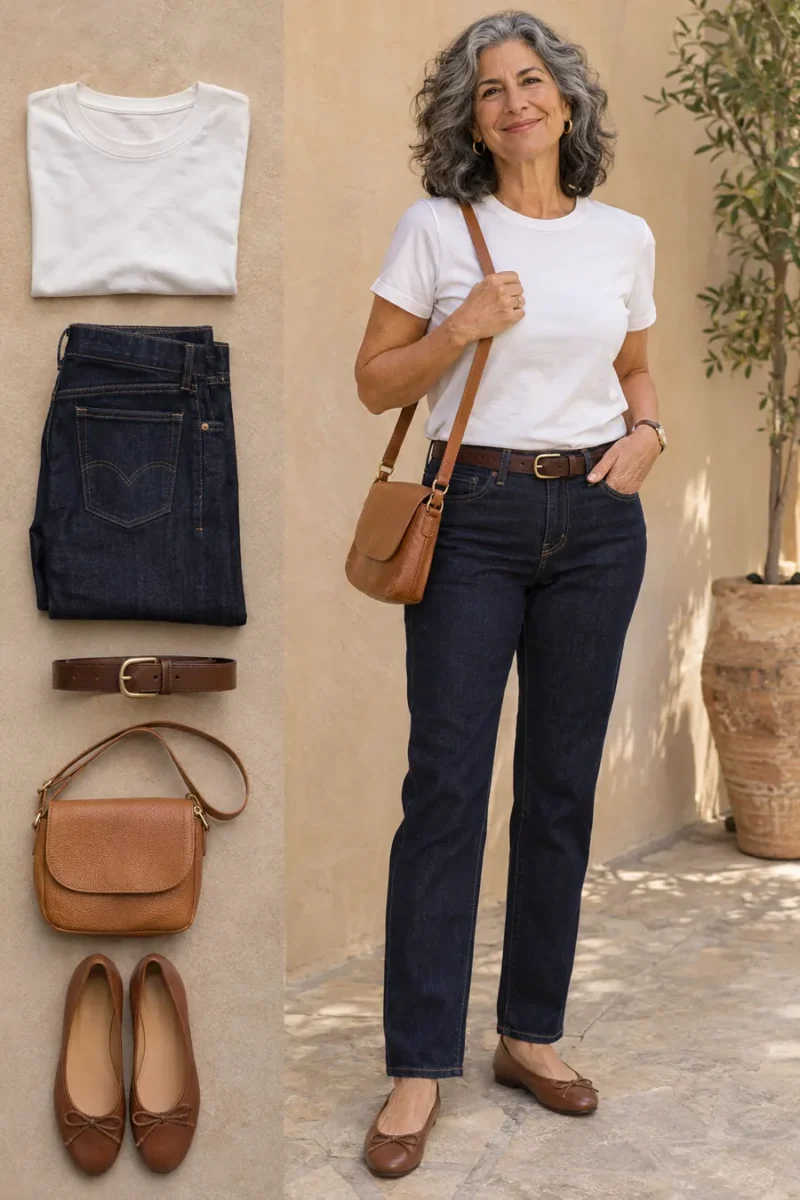
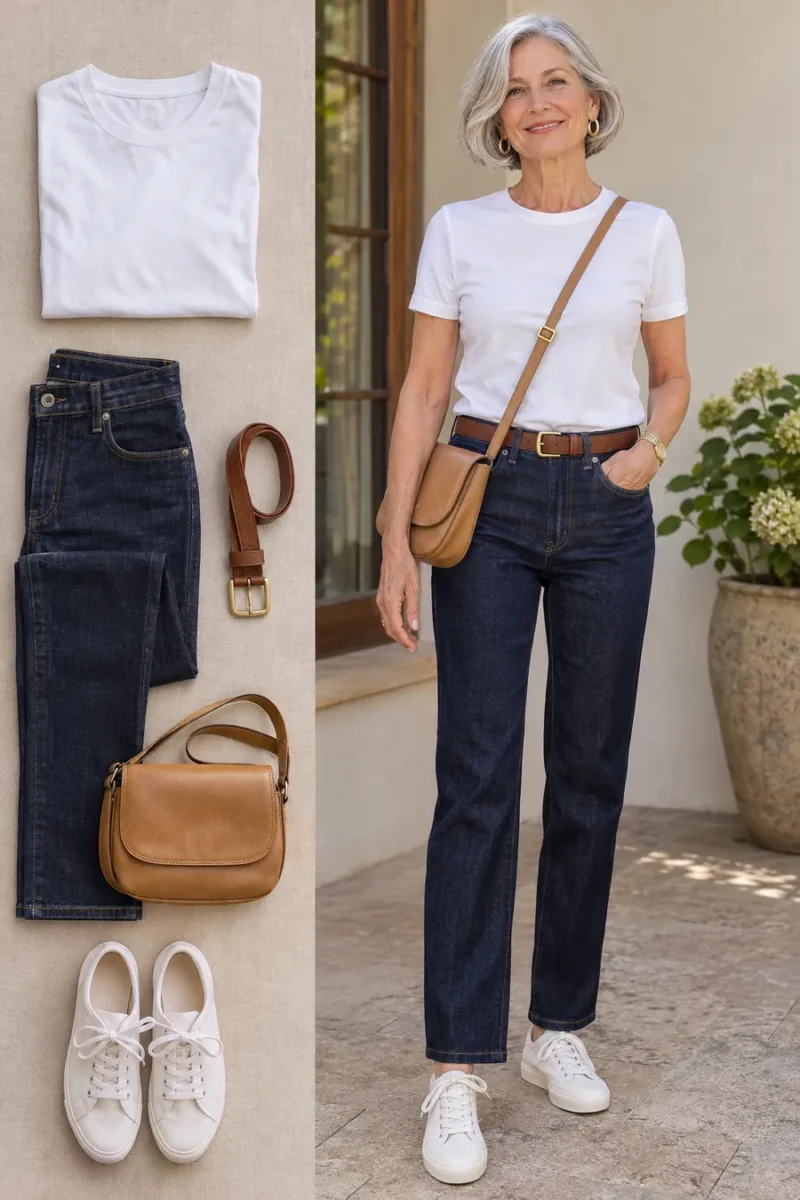
Use a simple white tee and sneaker with dark straight jeans. Try the shoes with your usual socks. If a low canvas sole does not suit a long walk, keep the palette and switch to a familiar walking shoe.
Try a quiet dress outfit
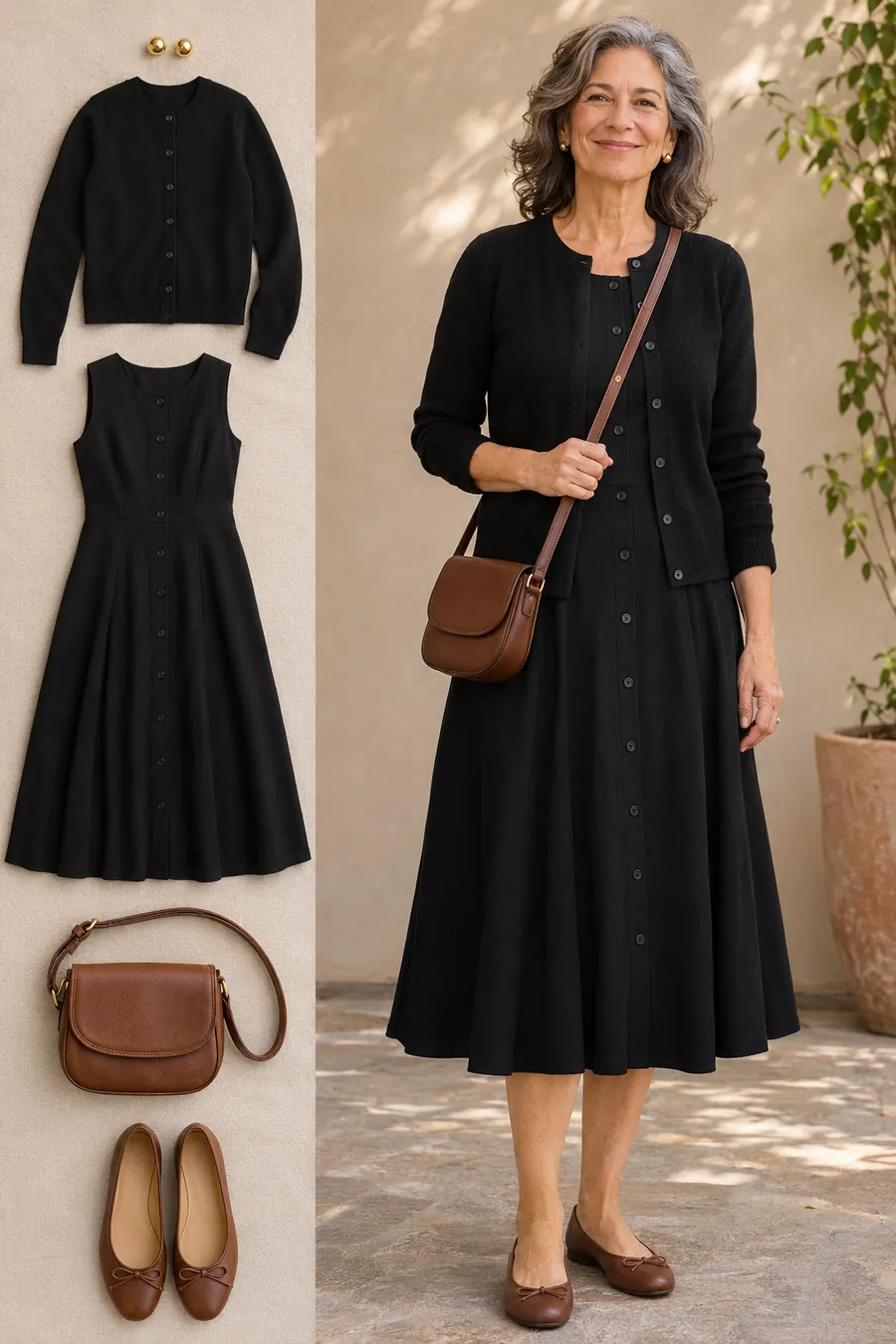
Style the dress plainly the first time so you can tell whether the silhouette works for you. A short cardigan and flats are enough. Check the waist seam while seated and the hem when you take a full stride.
Try color without committing to a new closet
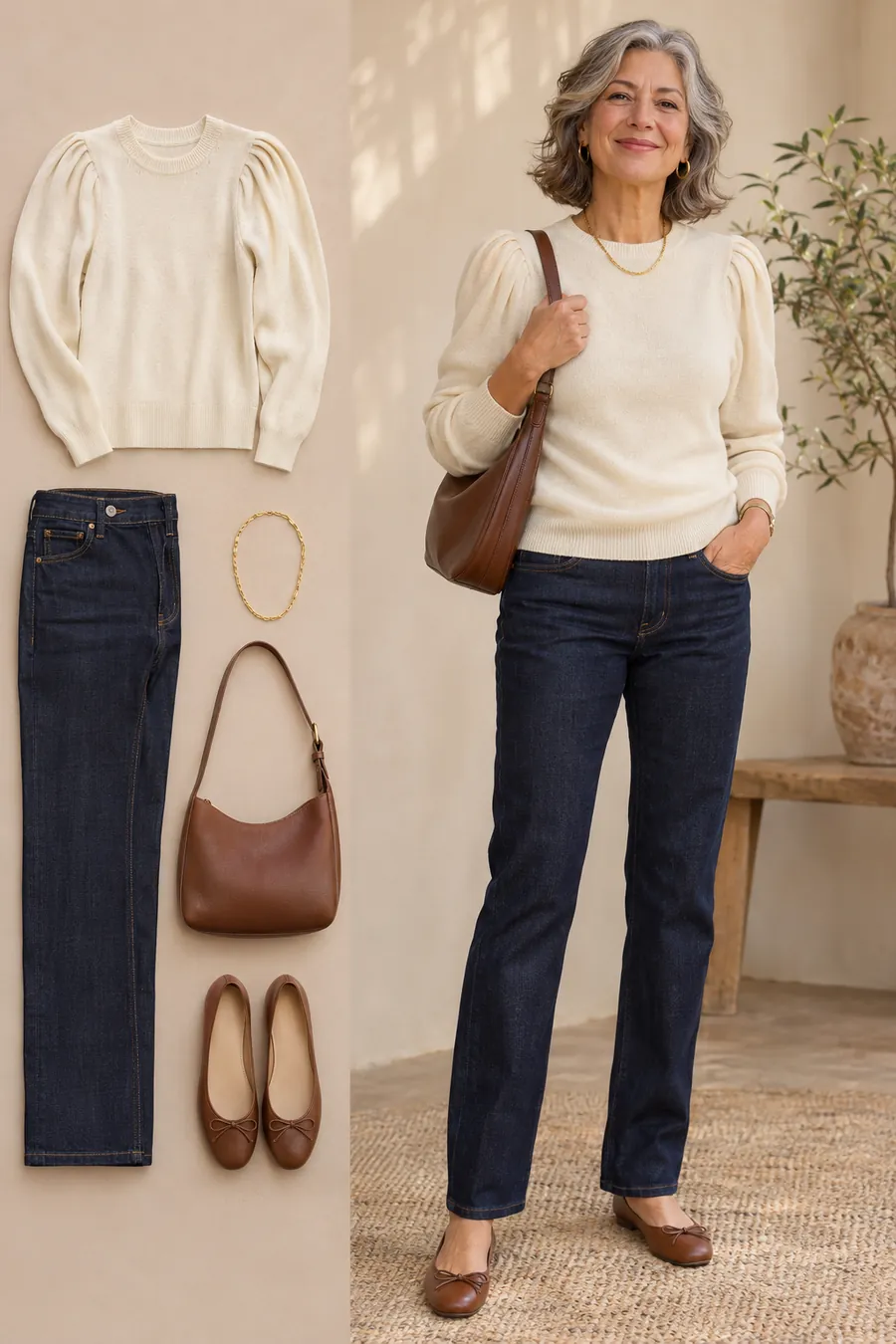
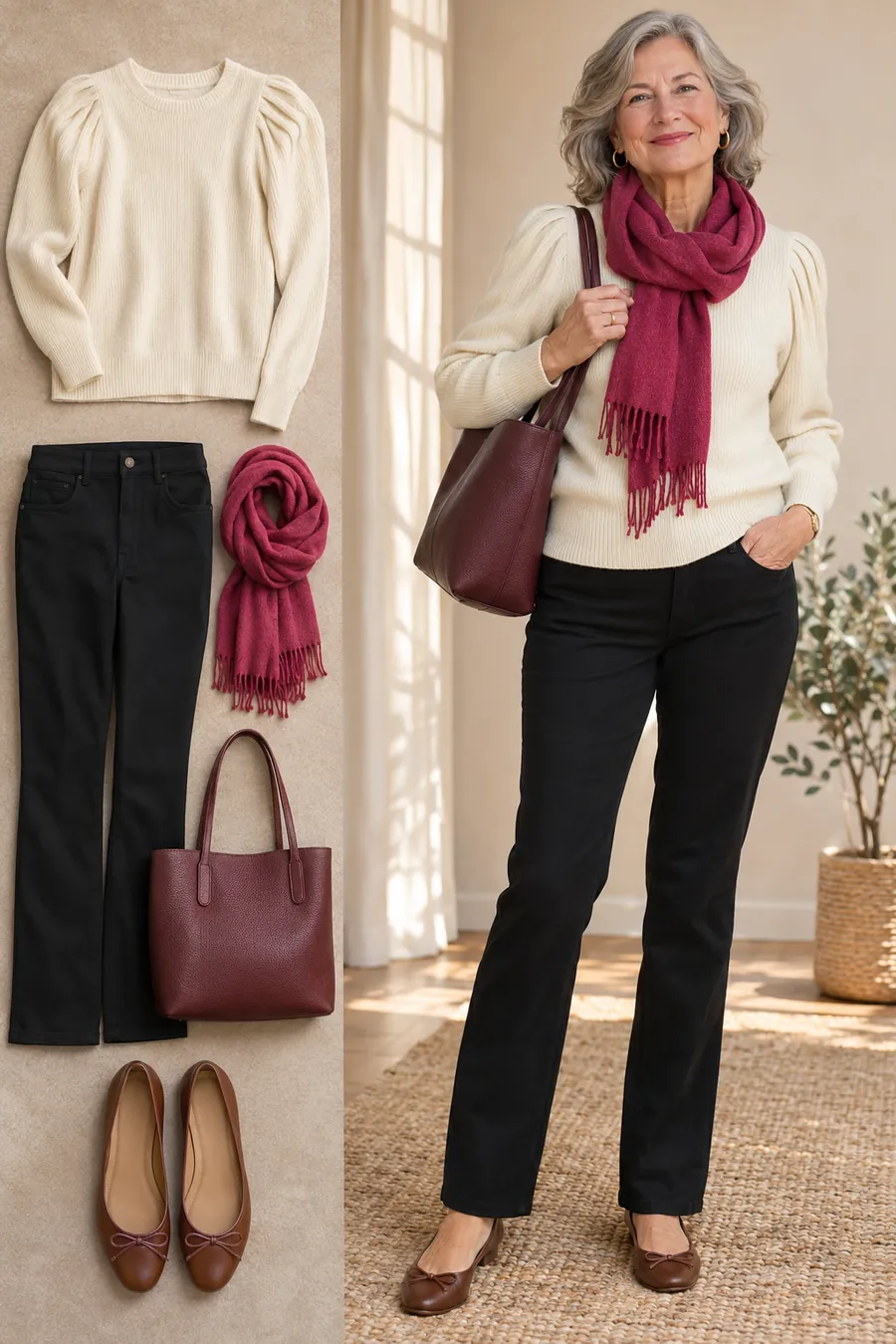
Use a colored scarf with an ivory sweater before buying a brighter top. Try it loose and then folded at the neck. If you like the color better lower down, use a bag in a related shade.
Try a texture that changes the mood
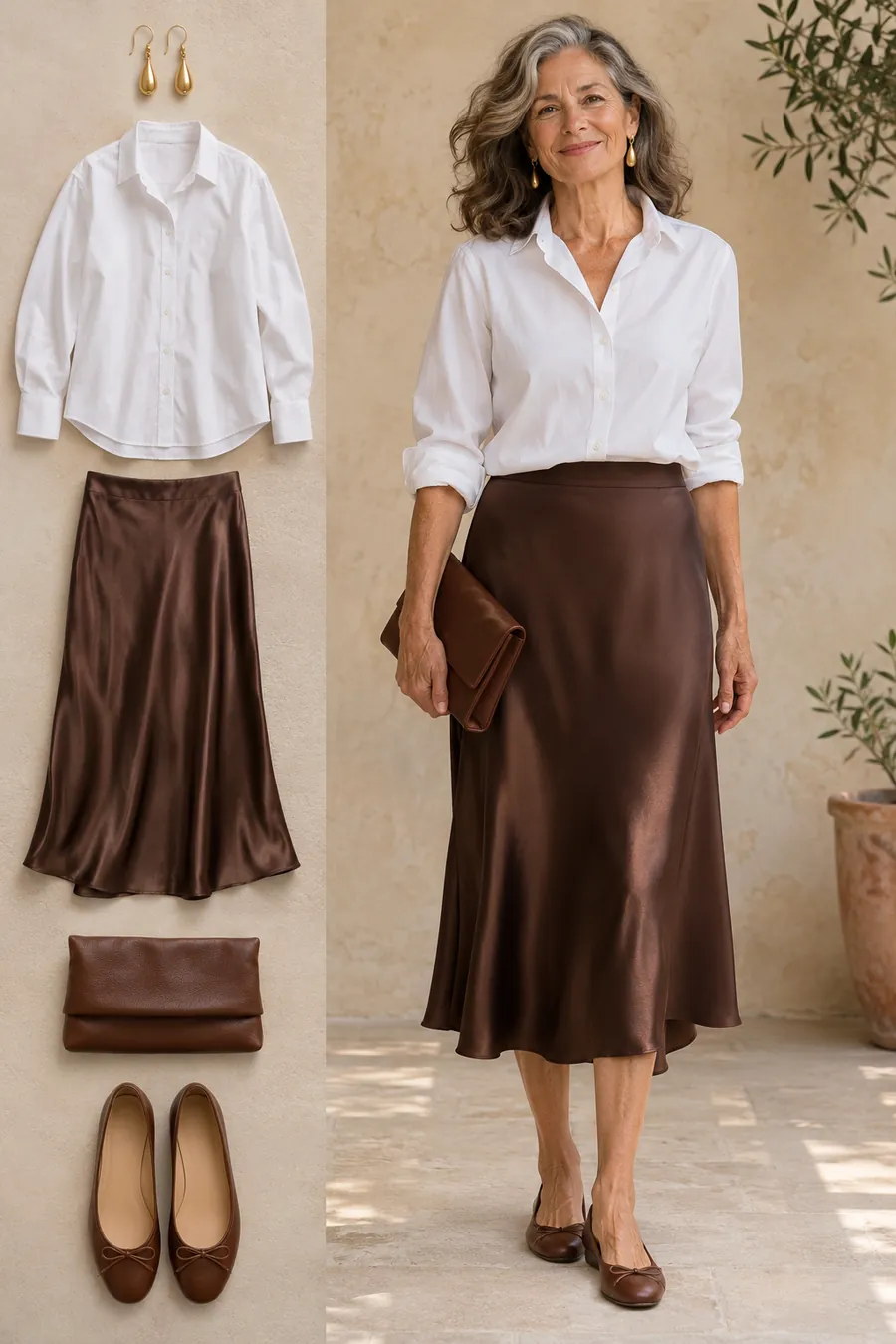
Try a smooth skirt with a matte shirt to see whether you enjoy the change in texture. Wear it seated and walking. If you prefer something less shiny, keep the brown tone and explore a matte skirt.
Try a two-season version of your favorite look
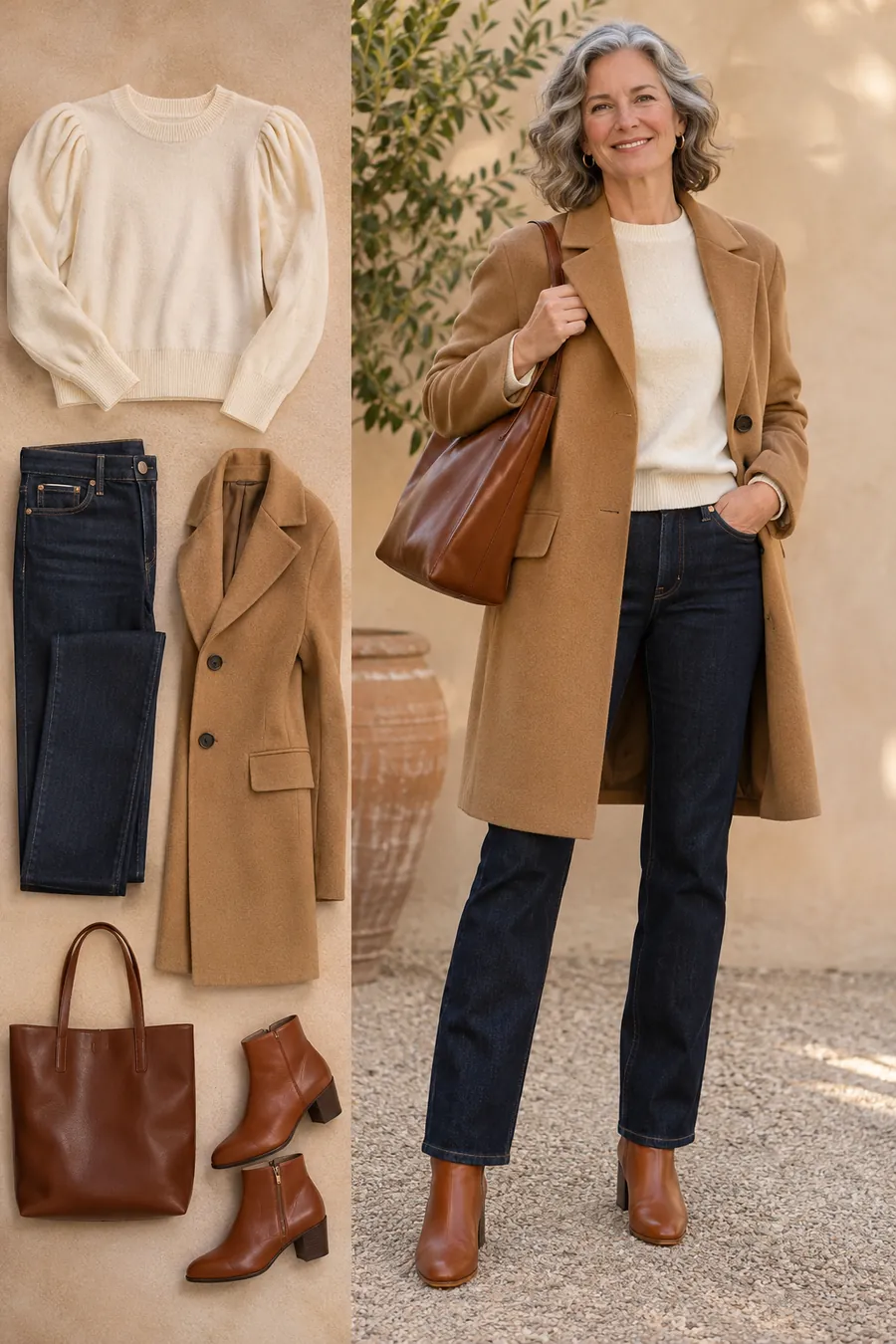
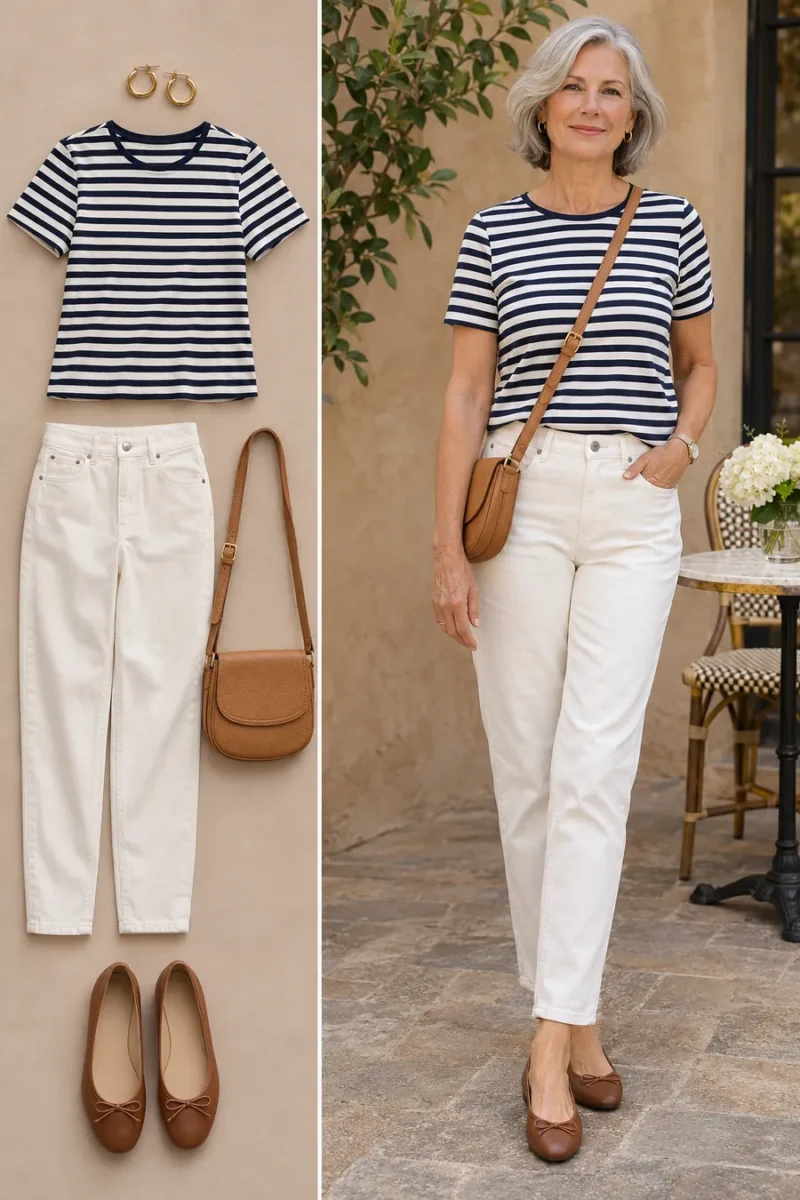
Keep your sweater and jeans as the base. Add boots and a camel coat for cold weather. In spring try chestnut flats and a lighter layer. A style preference can carry across seasons even when the fabrics and shoes change.
Give the experiments seven days
On day one, choose the two most common situations in your week. By day three, try three outfit formulas with the clothes you own. Take a picture only of the combinations you would wear again. At the end of the week, choose one fit or palette detail you would like to repeat.
If something keeps you from wearing those outfits, write a short shopping brief. Include the season, the layer or shoe it must work with and one comfort condition. “Light jacket for appointments, must fit over my sweater and let me reach” gives you a clear test in the fitting room.
Frequently asked questions
How do I find my style when I like several looks?
Keep separate formulas for the parts of your week. Your casual formula can be sporty and your dinner formula more tailored. Repeat a color or accessory across them if you enjoy the connection.
How do I tell a real wardrobe gap from a passing idea?
Wait until the same missing item stops at least two outfits you would wear soon. Write down those outfits and the fit detail that matters. Use that as a shopping test.
Keep reading
25 everyday fashion tips · 12 rules for shopping for clothes · 30 wardrobe essentials
Leave a Reply