
This post may contain affiliate links. If you buy through them, we may earn a small commission at no extra cost to you. Read our disclosure.
It can be hard to get dressed when the clothes you relied on keep asking you to adjust them. Begin with one familiar outfit and identify the exact moment it stops feeling comfortable. Maybe that happens when you sit down, put a coat on or walk more than a block.
Use the 12 tips below as a practical fitting checklist. The three examples at the end show how to make one change for lunch, an evening event or a warm day.
Affiliate disclosure. As an Amazon Associate I earn from qualifying purchases. AI-generated images illustrate the ideas. Paid links lead to Amazon listings or searches for similar items. Check the size, color and seller before ordering.
In this post7 sections
Choose where to start
| When this comes up | Try this | What to check |
|---|---|---|
| Waist presses at lunch | Swap the bottom and keep your familiar top | Sit in the complete outfit before leaving. |
| An event outfit feels unfamiliar | Use shoes you already trust and rehearse the look | Try standing, walking and taking off your coat. |
| Your old favorite feels difficult to fasten | Compare one easier closure or open layer | Test it with what you carry or wear underneath. |
Start with how the clothes feel
1. Choose a garment that fits you today
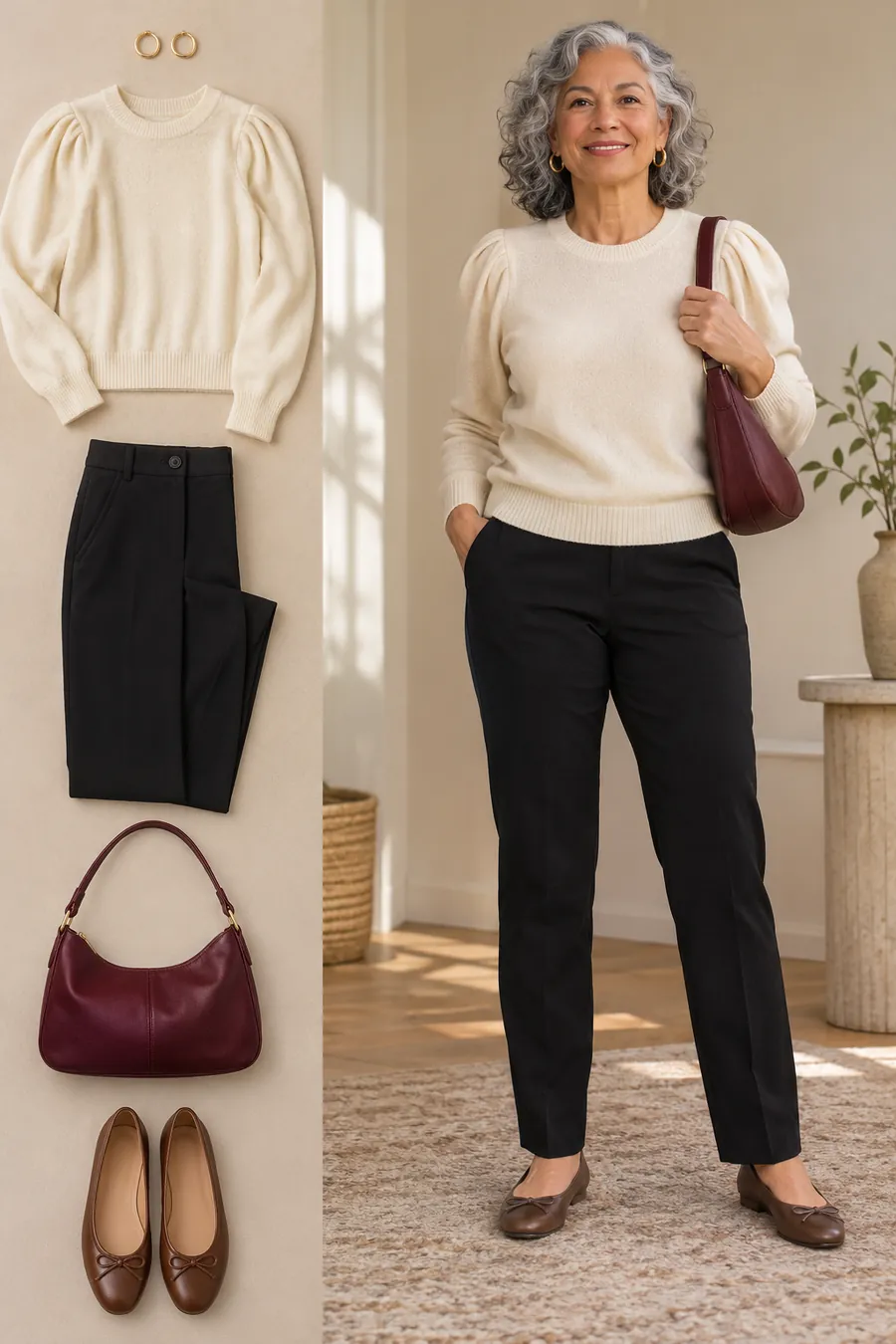
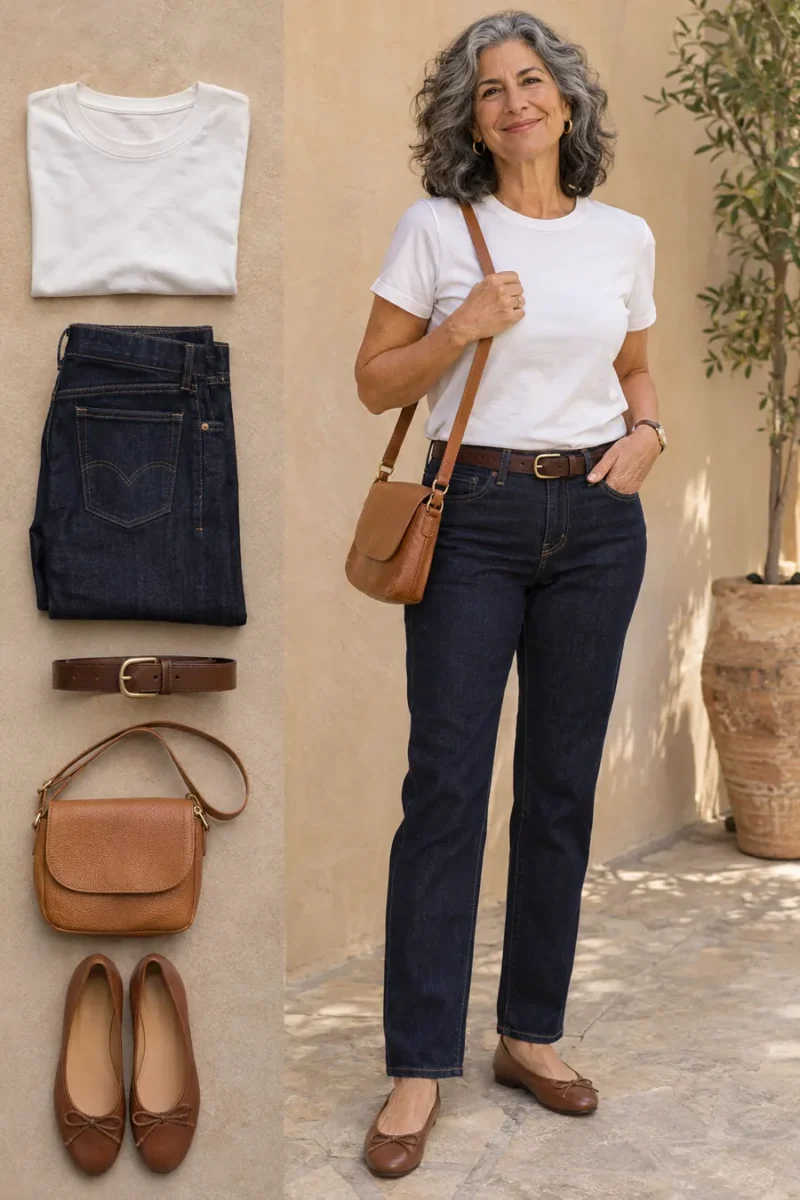
Start with trousers you can sit in today. Try a simple top and shoes you know. If the old waistband presses and the new one feels fine, let that comfort guide the outfit. You can set aside an item that keeps interrupting your day.
2. Separate comfort from the look you want
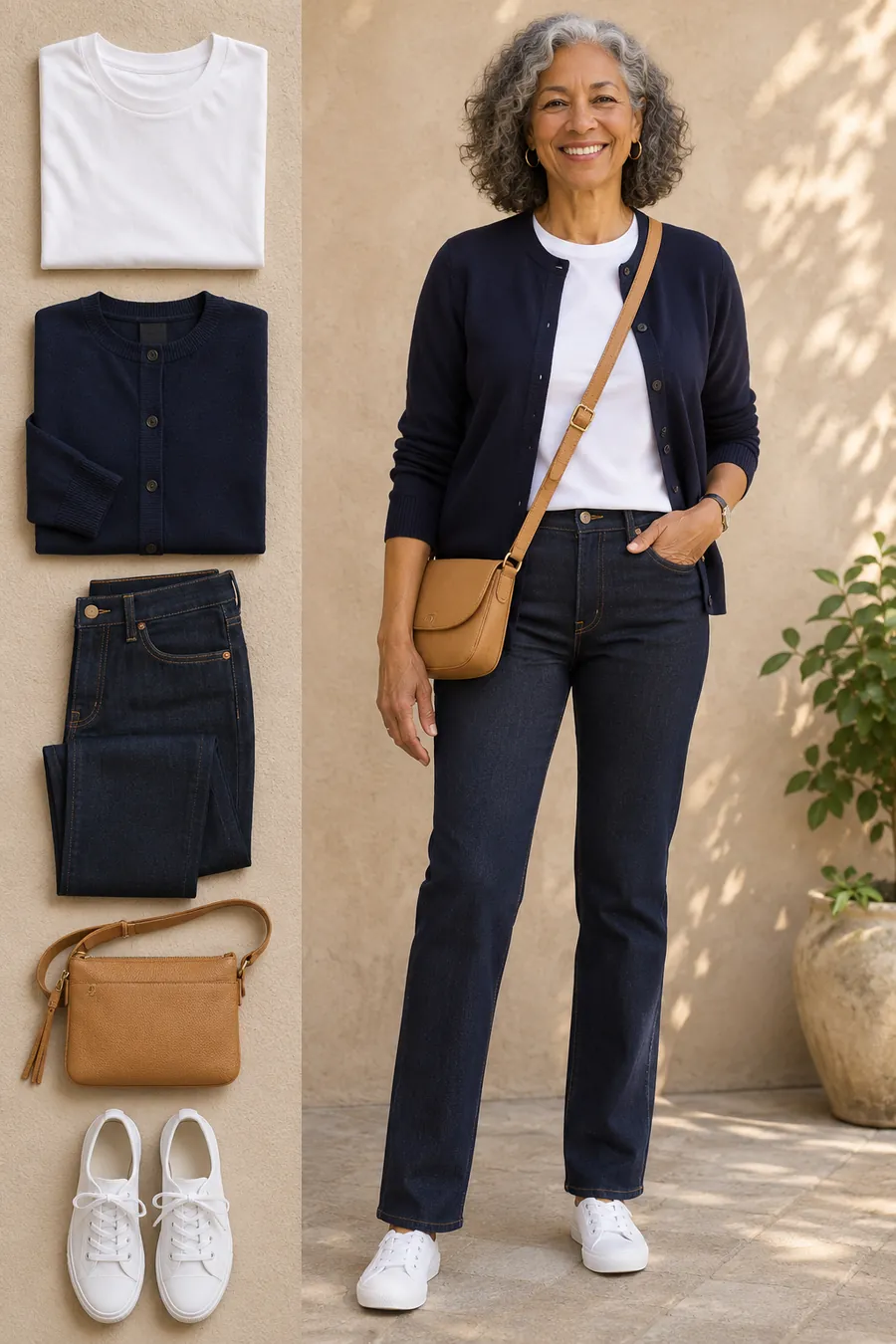
Name one physical need and one style preference. For example: a waist that bends easily and a dark, clean wash. Ask for both when trying jeans. The looks you like can stay recognizable even when the rise or stretch changes.
3. Try a softer waistband on hard days
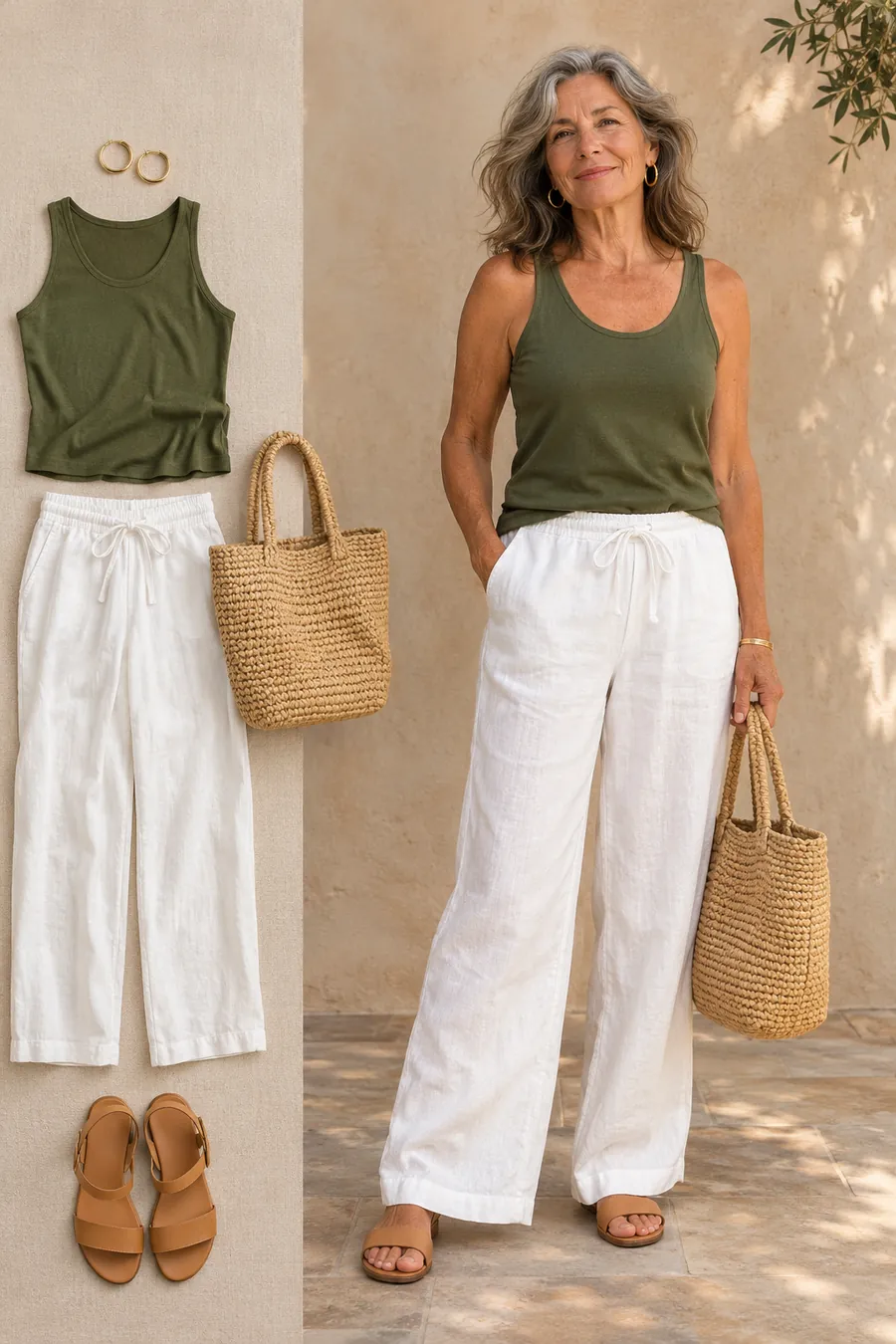
Try the drawstring seated and after a short walk. Loosen it if you need to and check that the trousers still stay up. If the fabric pulls across your hips, a different cut may feel steadier than tying the waist tighter.
4. Give your favorite top room to move
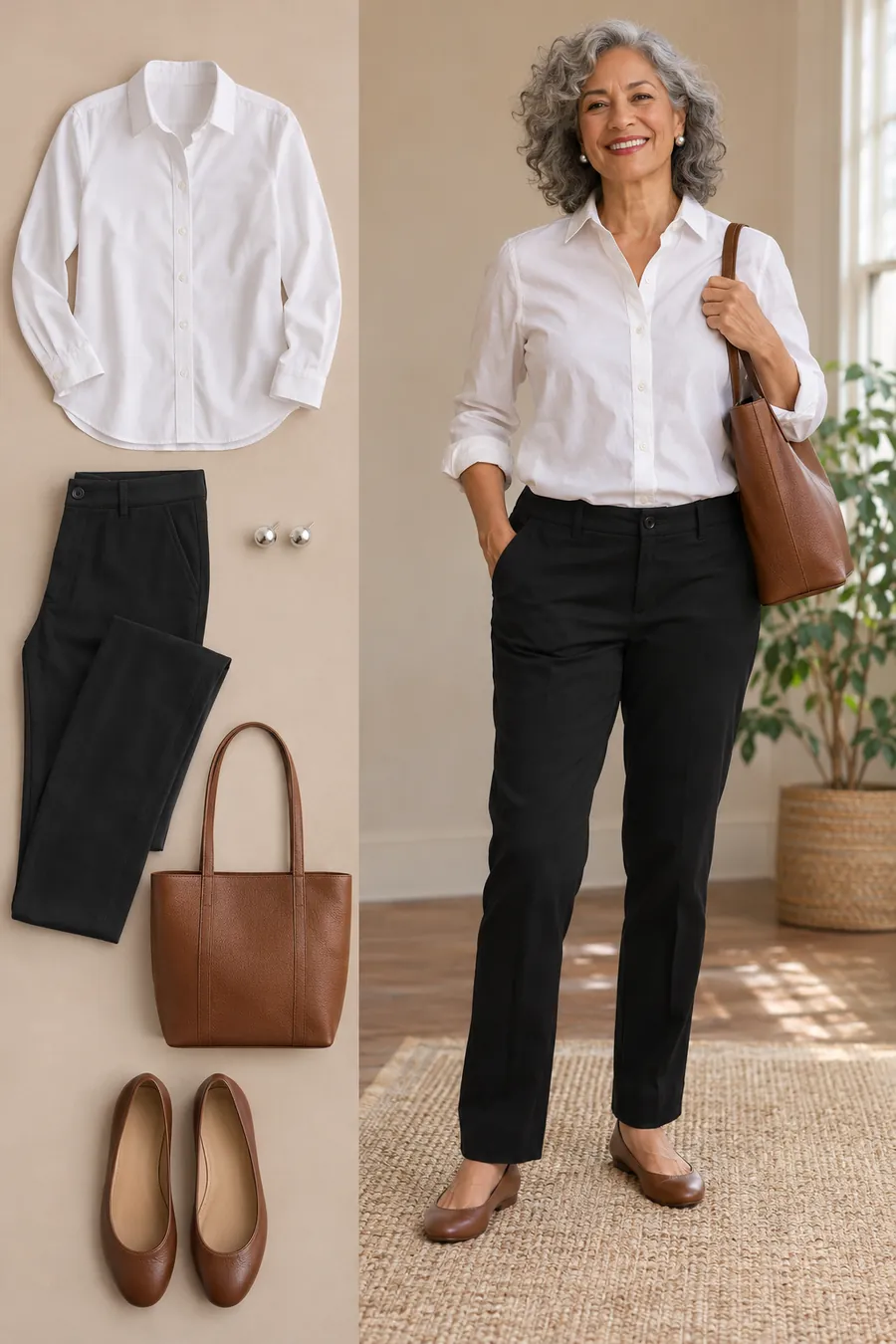
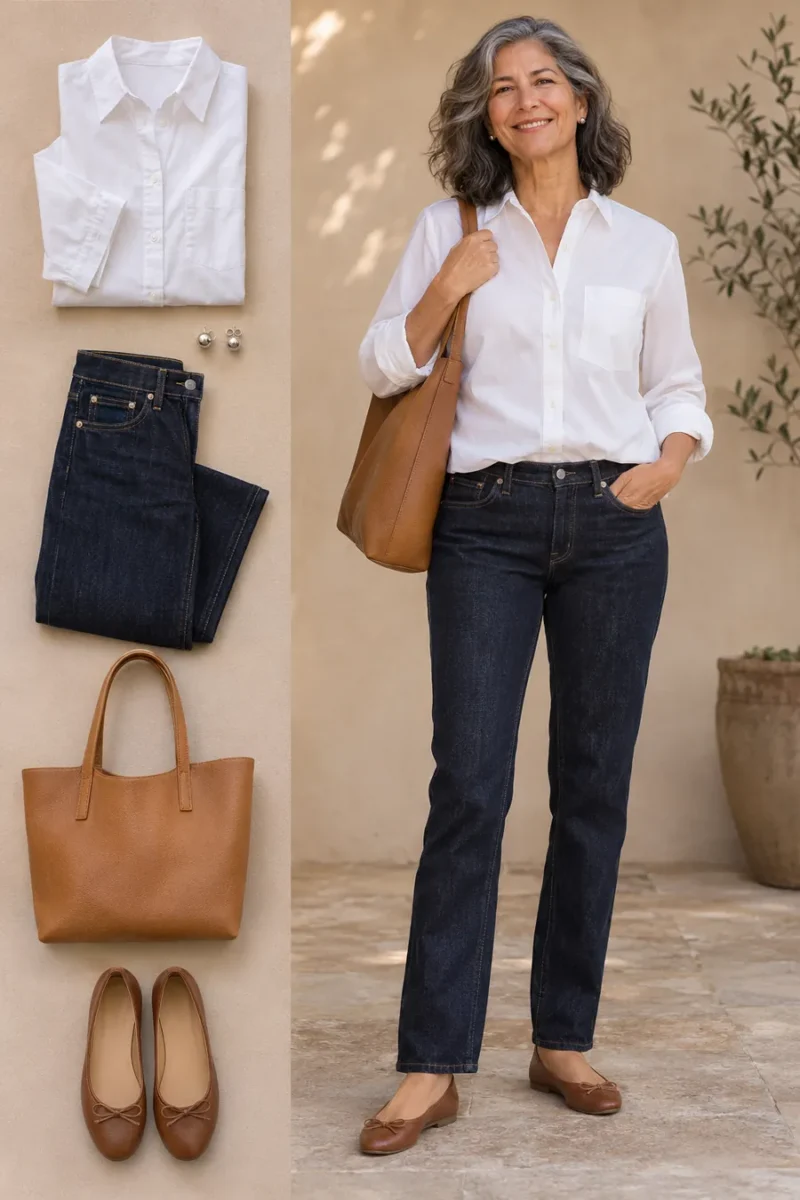
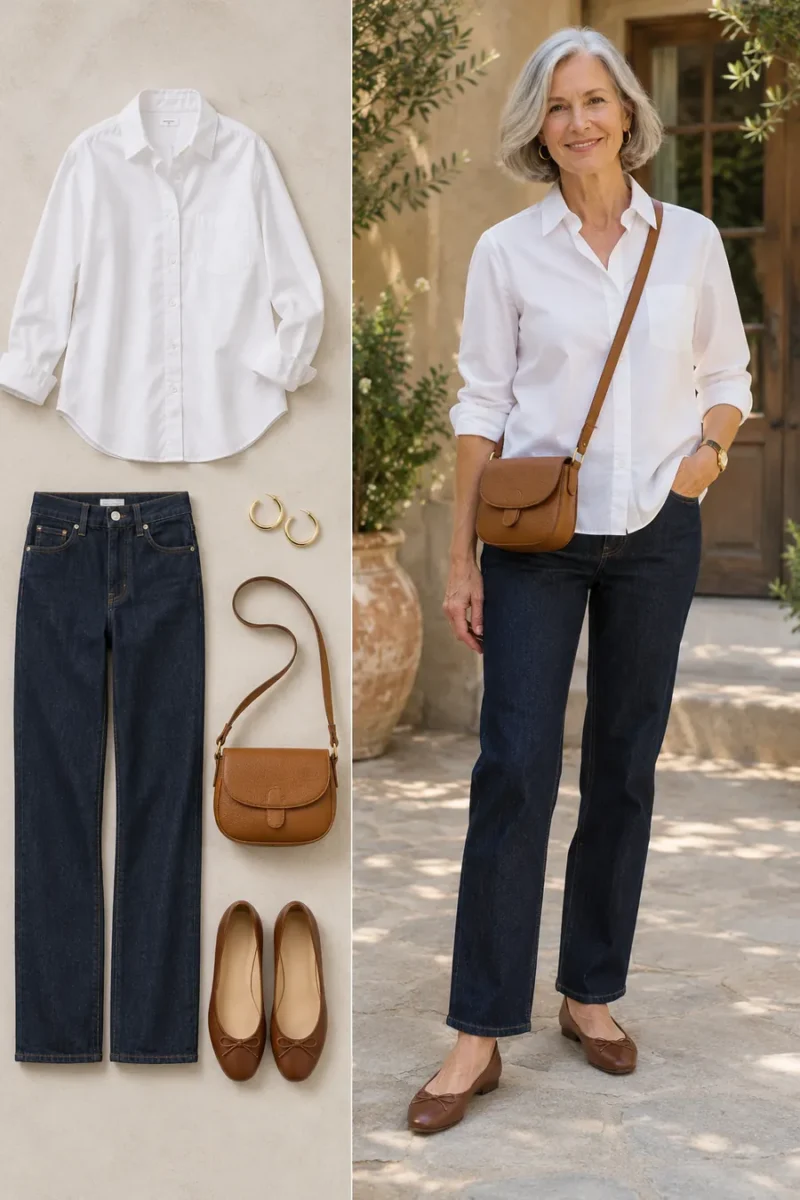
Check the shirt while reaching and sitting. Where buttons pull, a roomier cut or a softer fabric may suit you better. If the collar and shoulders already work, try it open over a layer you own.
5. Find a layer that feels like you
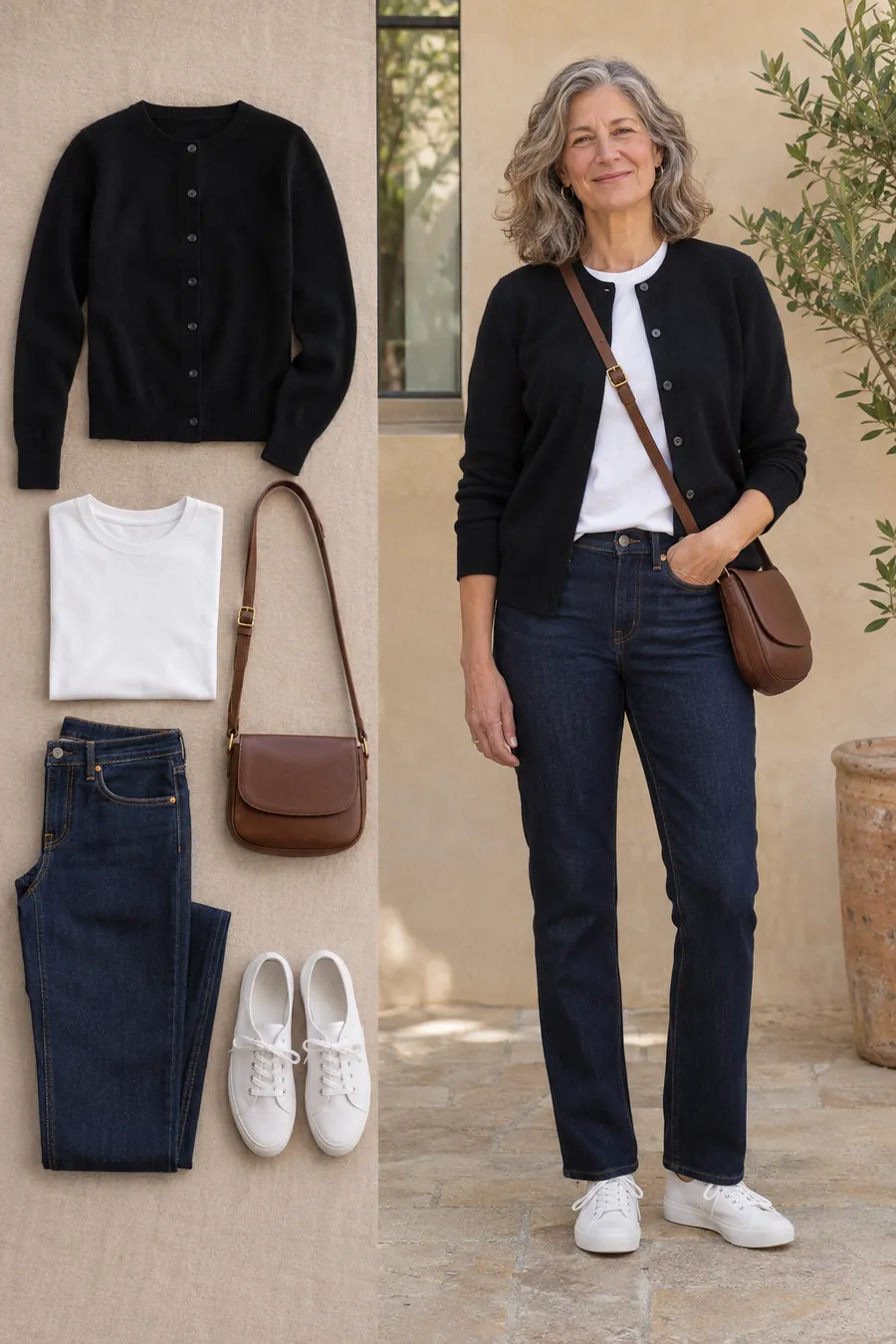
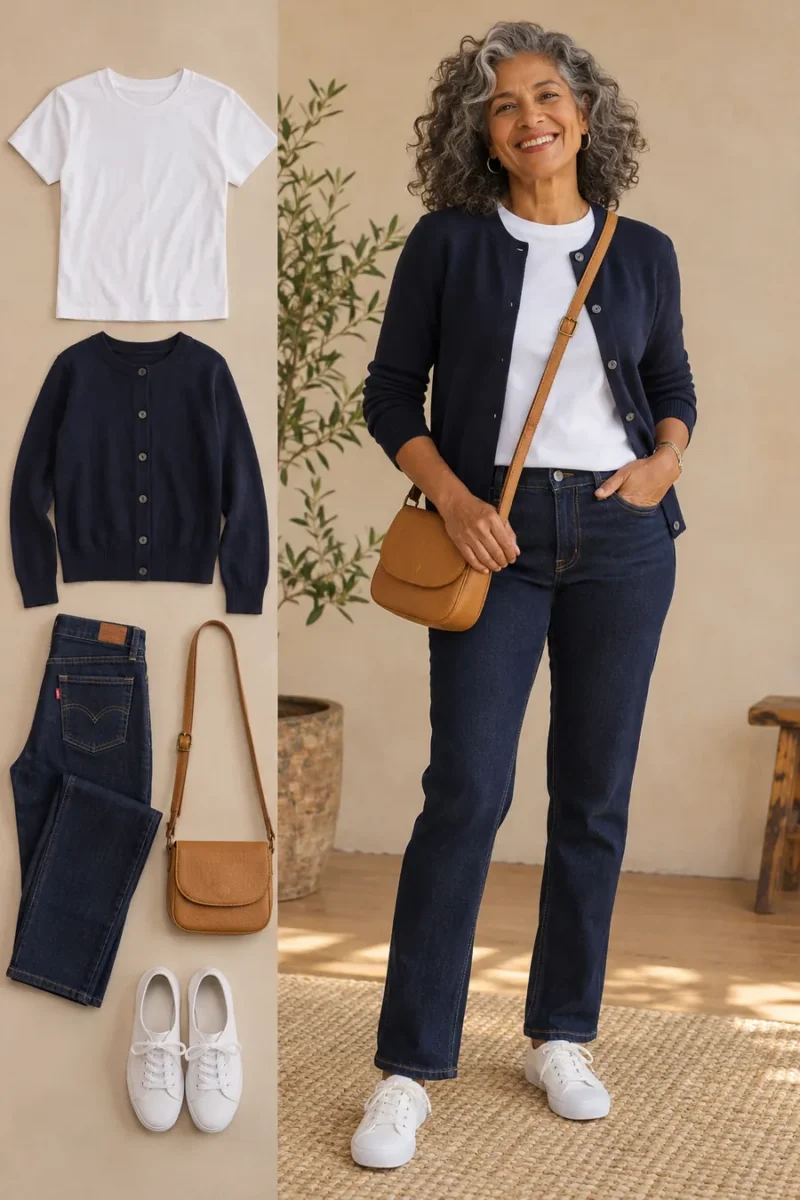
Open a cardigan over a tee and check where each hem lands. This lets you control warmth and how much of the base you see. A layer that you can put on and remove without a struggle is useful on days with changing temperatures.
6. Choose an outfit for the seat as well as the mirror
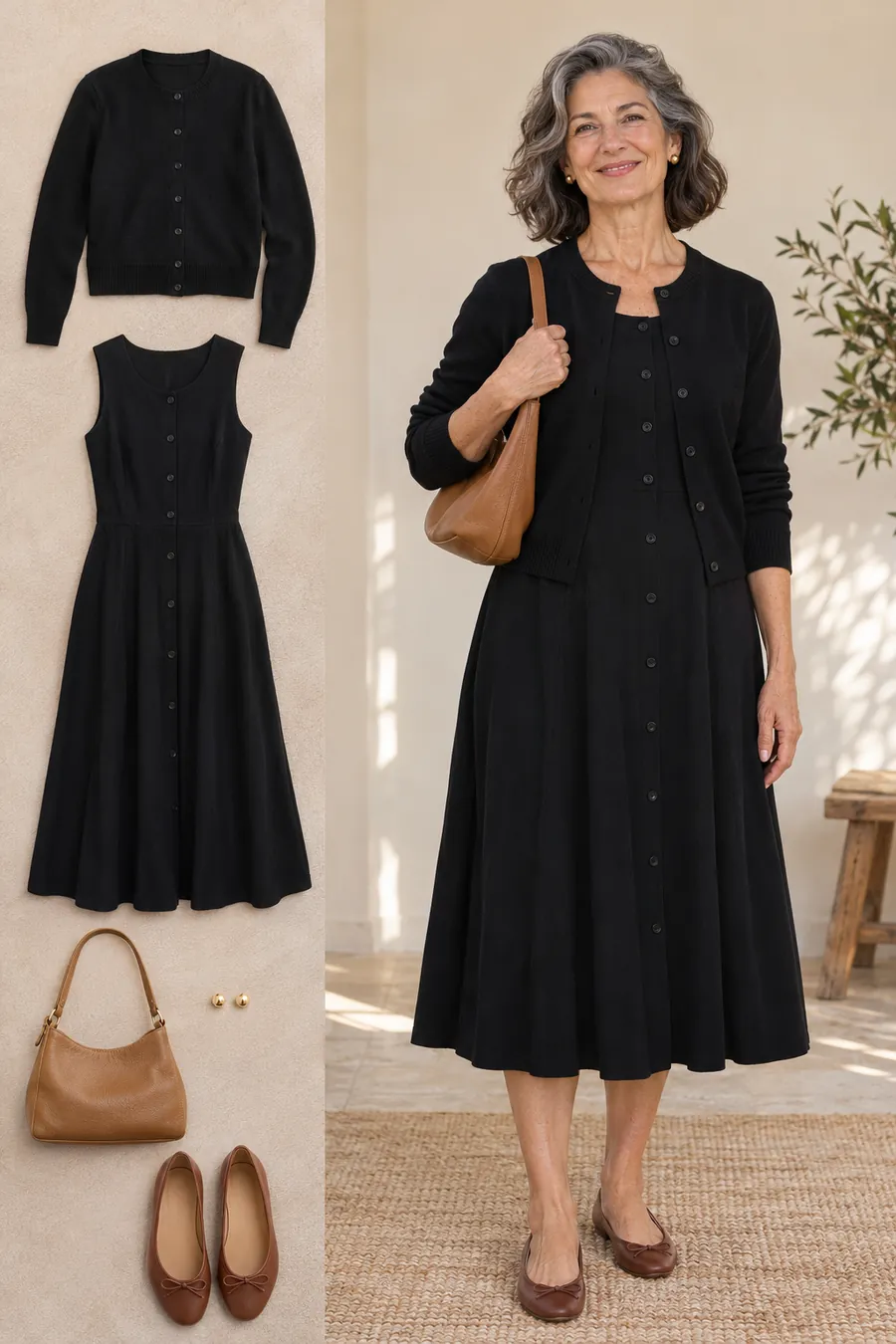
Sit in the dress with legs in a comfortable position. Check whether the waist seam presses or the skirt shortens more than you prefer. Then see how it feels getting up. That is a better preview of a lunch than a standing mirror alone.
Make the outfit work for the occasion
7. Practice the event outfit at home
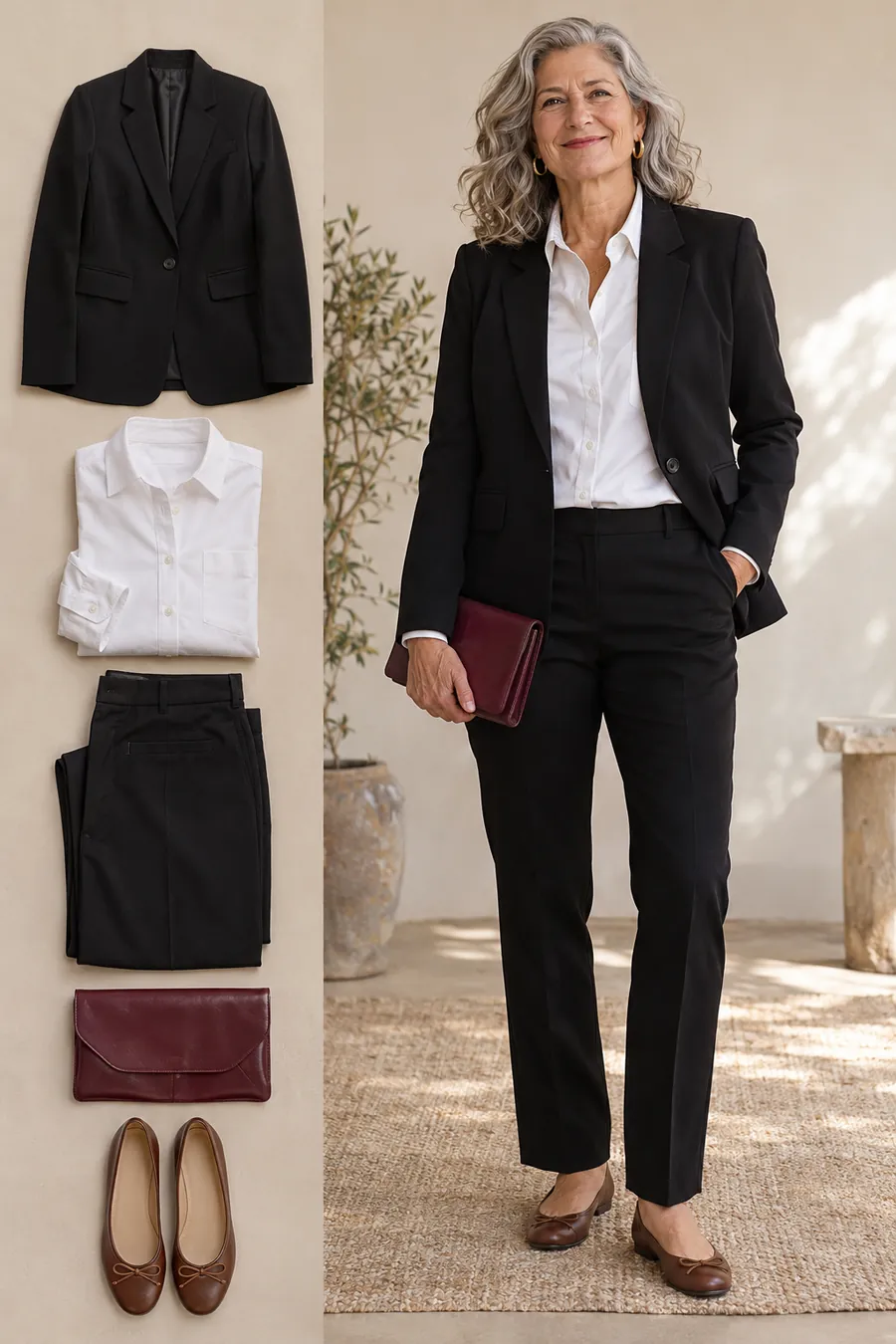
Try the whole outfit before the event, including underlayers and bag. Walk to the door, sit and take your coat off. Replace the part that asks for constant adjustment. A familiar shoe is often the easiest first swap.
8. Keep a color you enjoy near your face
Try a scarf or sweater shade that makes you want to keep it on. Look in the mirror near a window and check whether the neckline also feels good. If the scarf feels bulky, use the color in a small accessory instead.
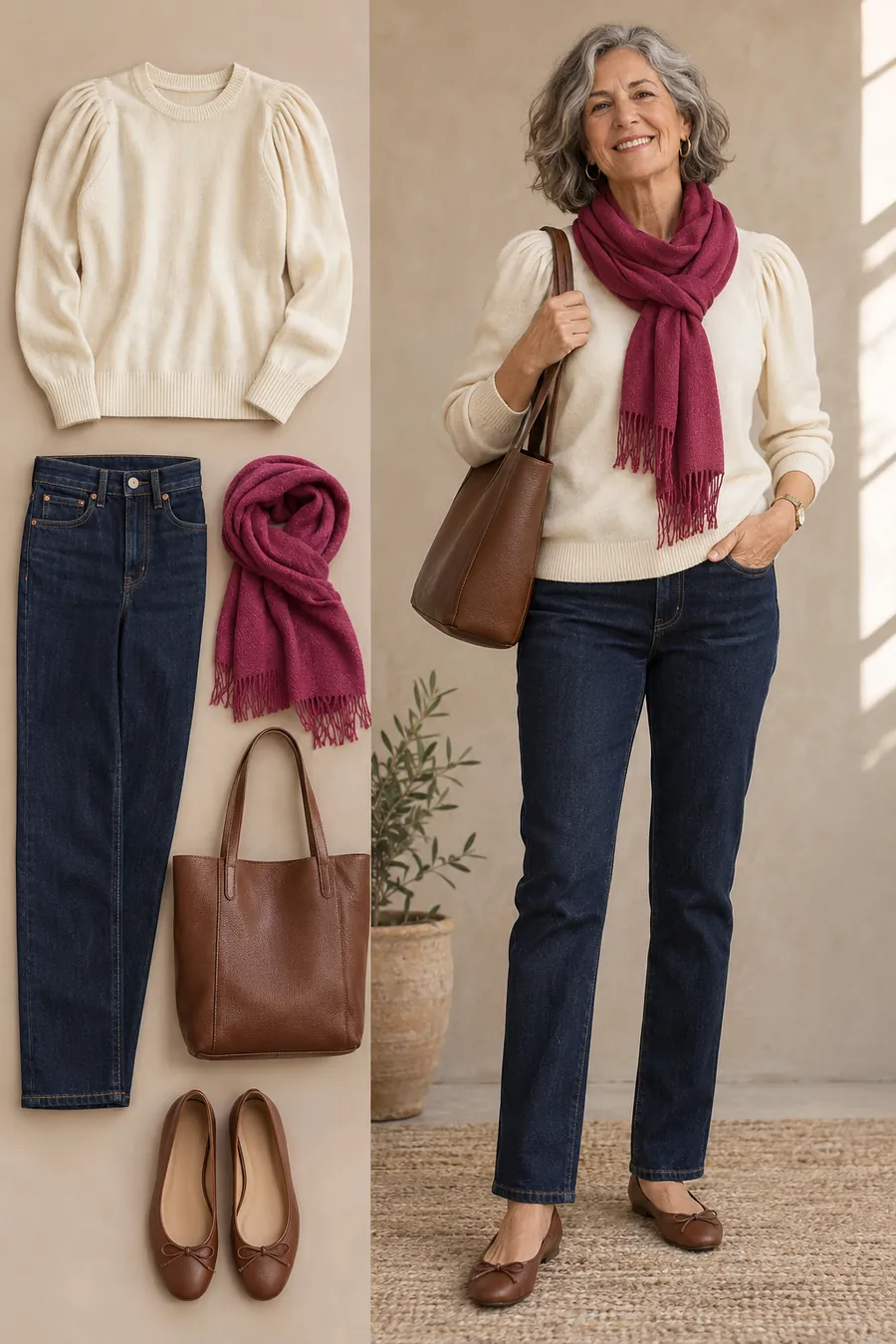
9. Buy shoes for your actual route
Think of your longest regular walk, the stairs you take or how long you stand. Try new shoes indoors with the socks you wear. If a heel slips, compare another fit rather than walking differently to hold the shoe on.
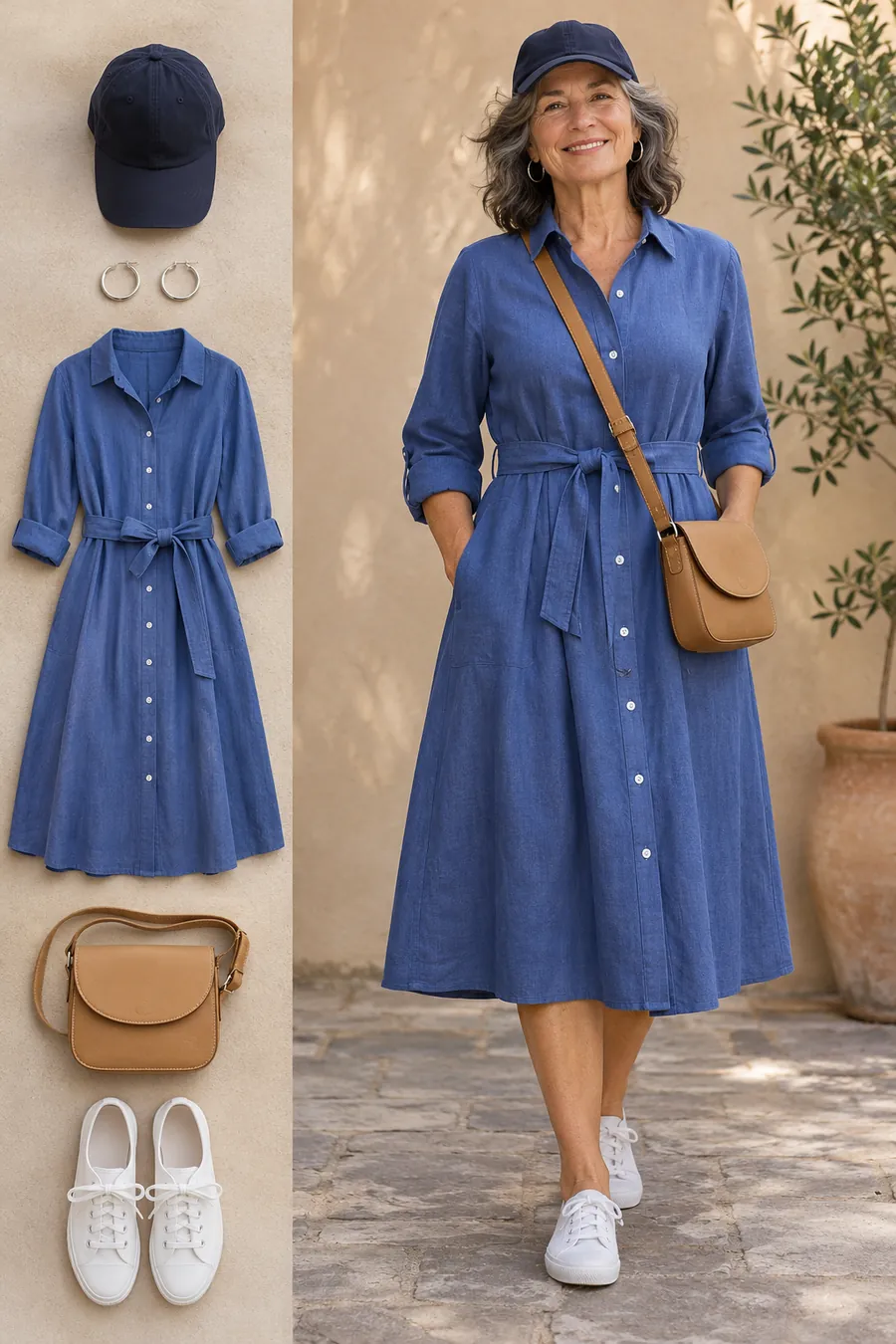
10. Make closures easier to use
Notice which fasteners you can manage quickly. An easy bag zip or simple cardigan can make a bigger difference than the number of outfits you own. Try closures at the angle you will use them, such as reaching one-handed into a worn crossbody.
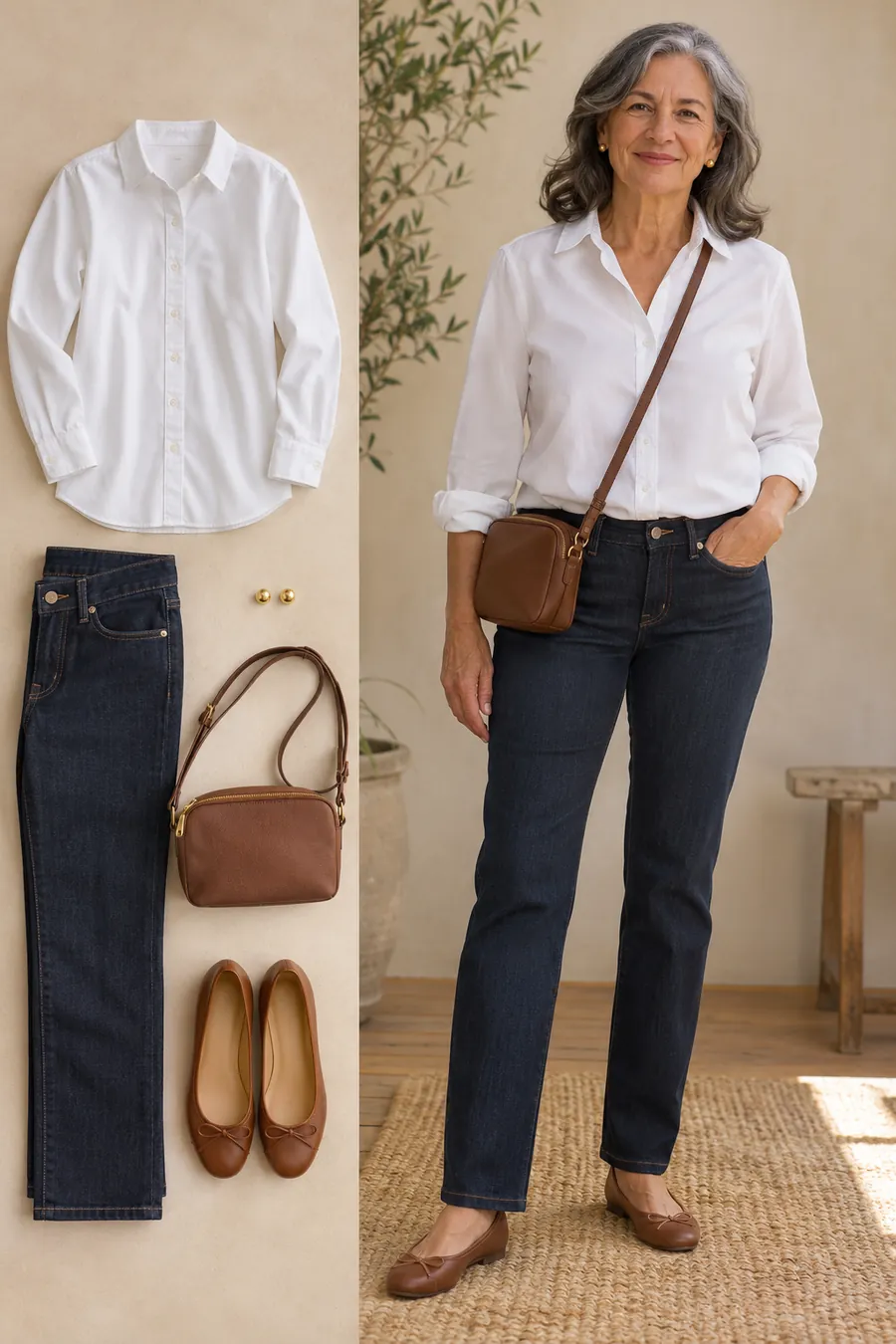
11. Use a photo as a fit note
Take a front and side photo in daylight if it helps you remember how an outfit moves. Write down an observation you can act on, such as the hem catching at the heel. You can skip photos and keep a note if that is more comfortable.
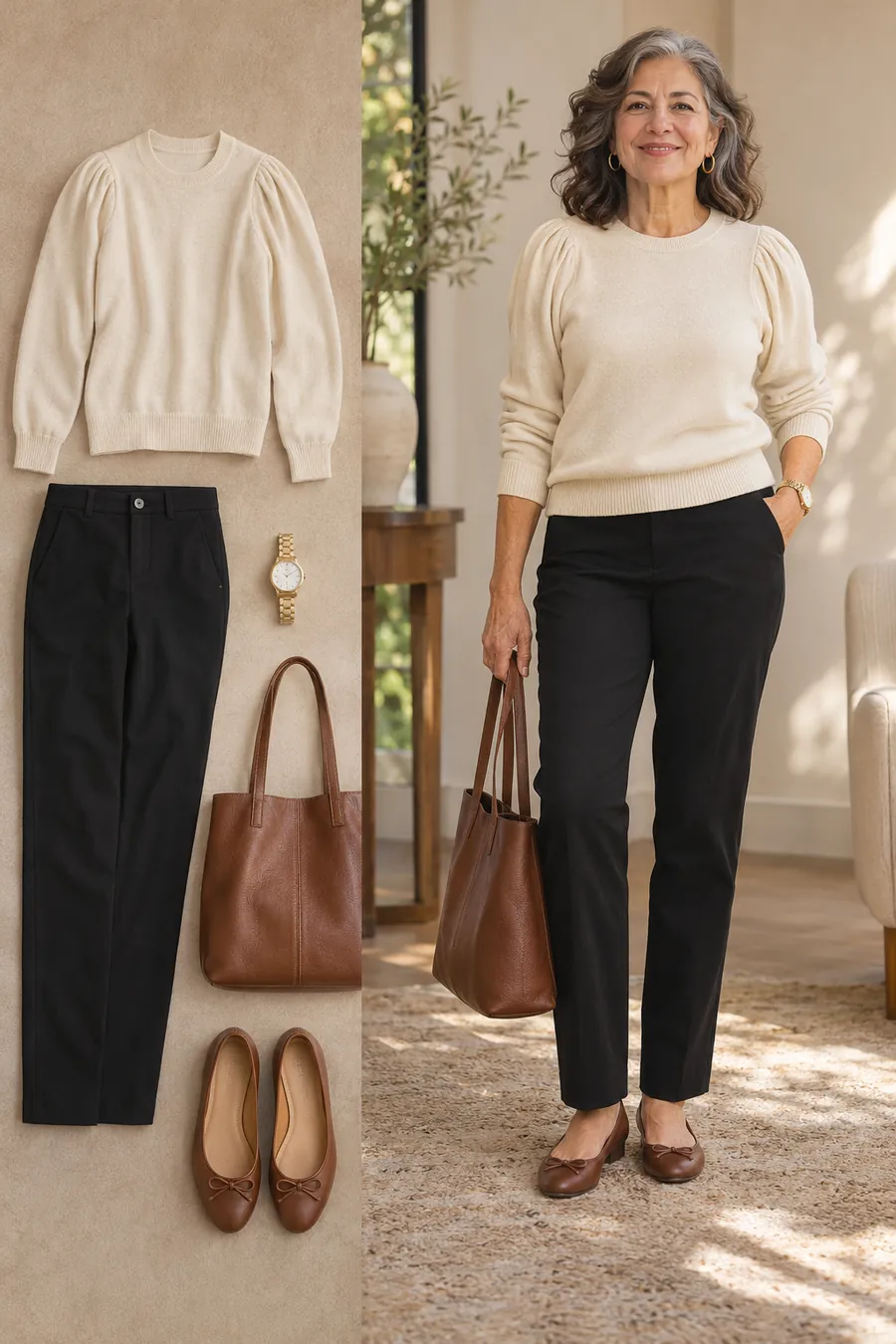
12. Plan for a changeable week
Choose one easy outfit and one dressier option. Keep both ready with shoes and layers. If a day changes, you can switch the jacket or bag without rebuilding every part of the outfit.
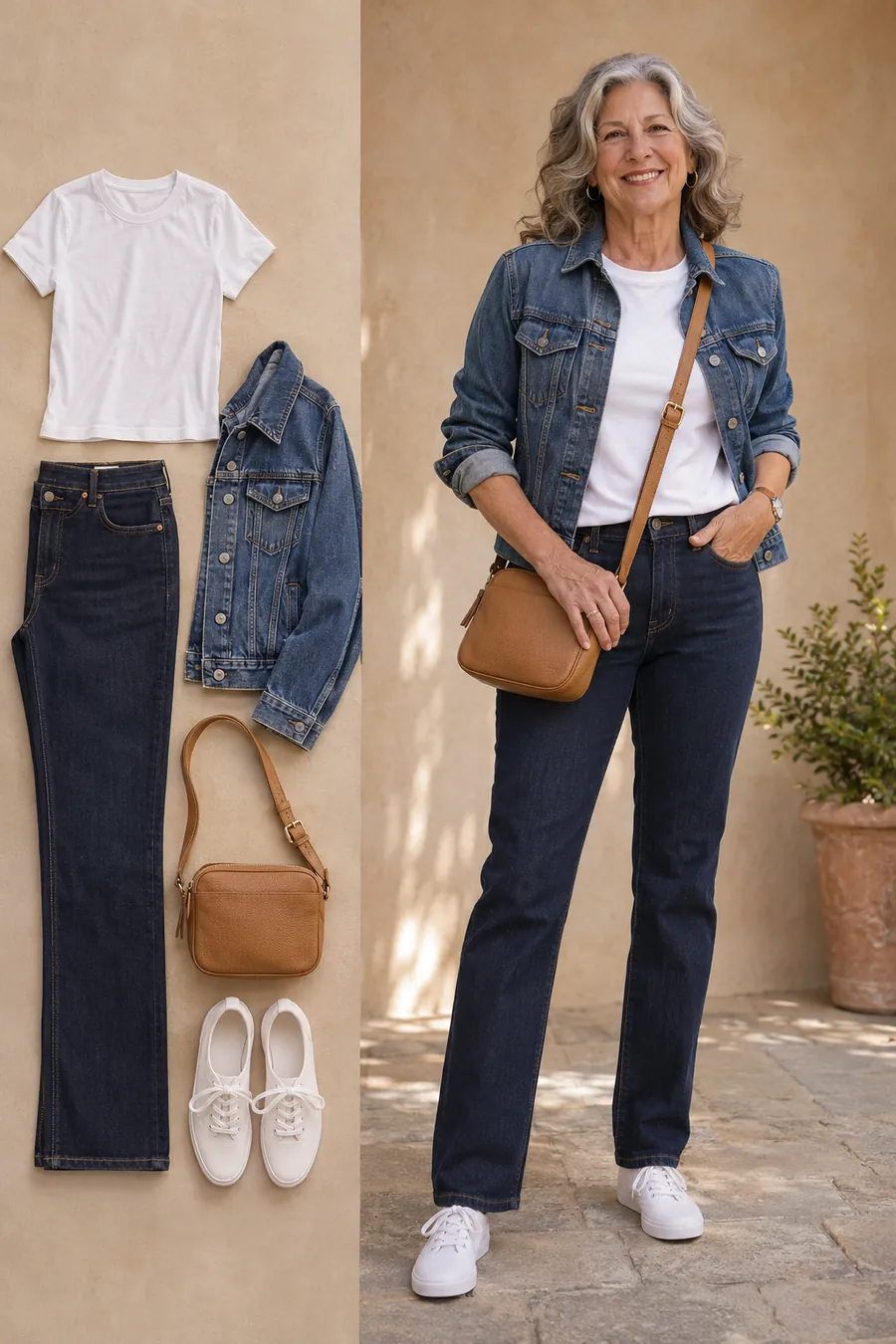
Three real-life outfit examples
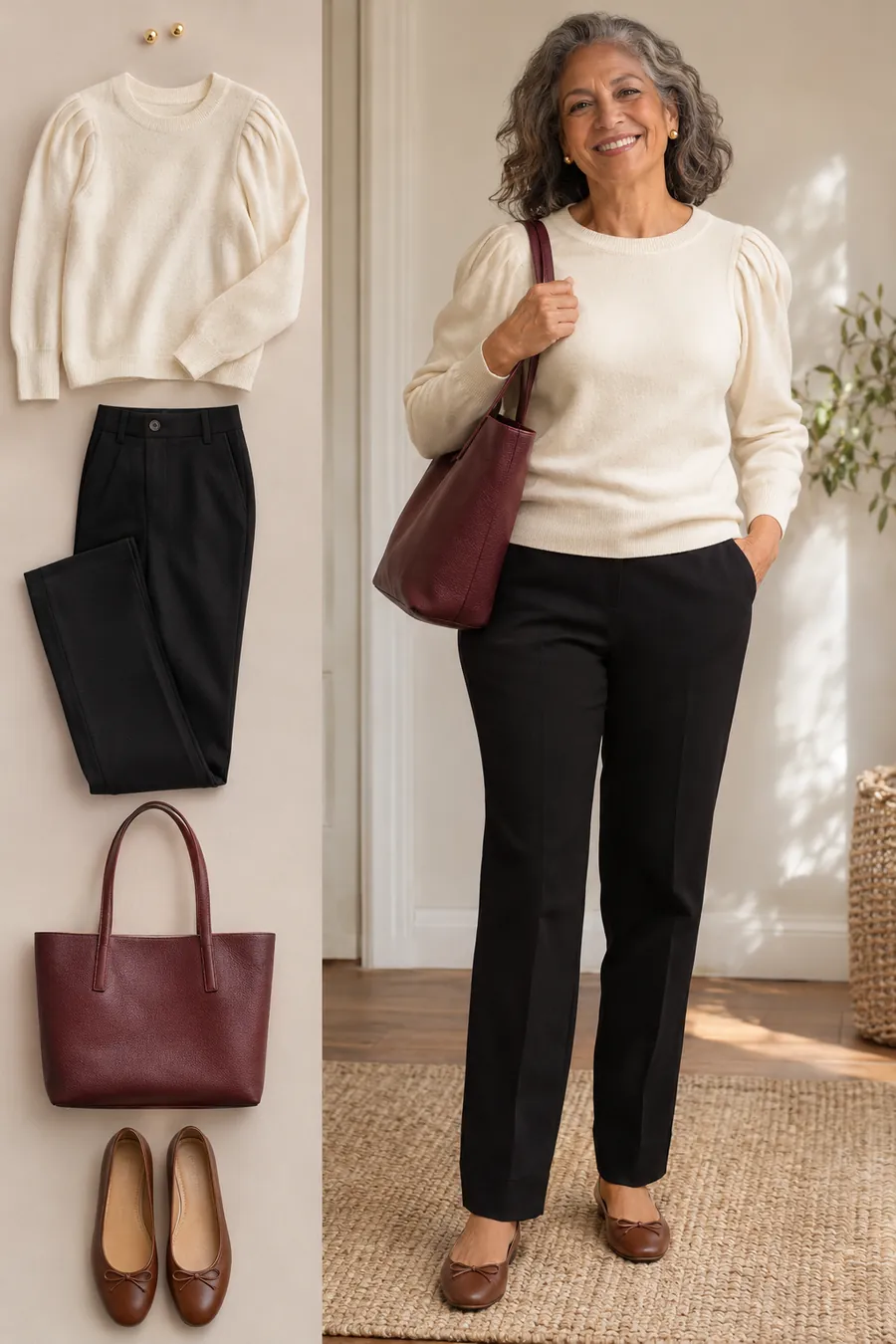
A comfortable lunch outfit
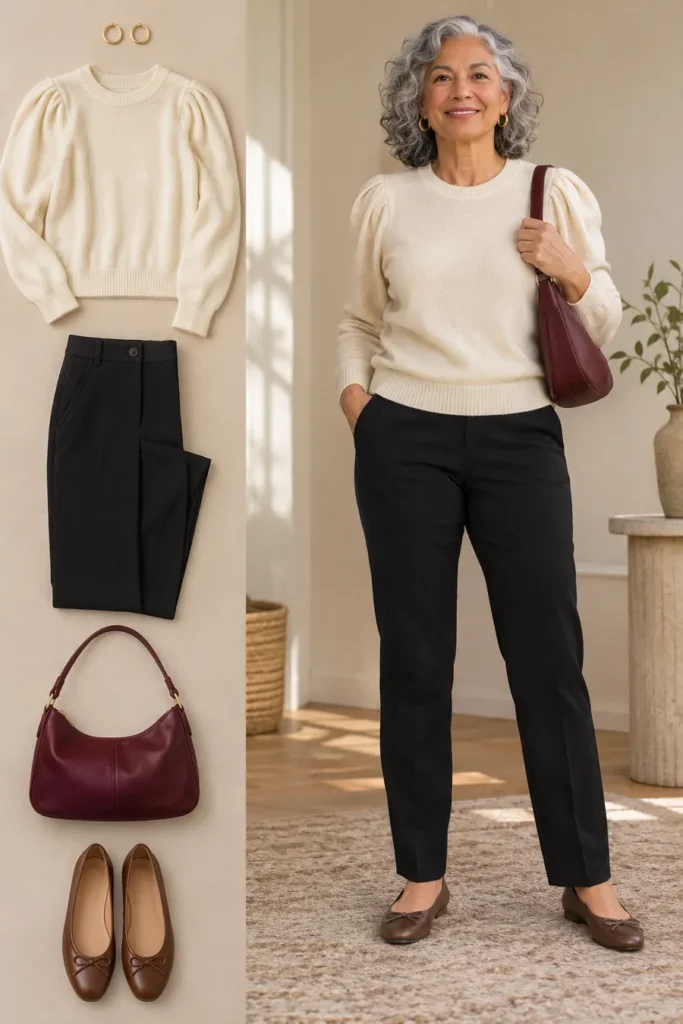
Try black trousers and an ivory knit with chestnut flats. Sit down for a few minutes before heading out. If the sweater feels bulky tucked in, leave it untucked and use a shorter outer layer.
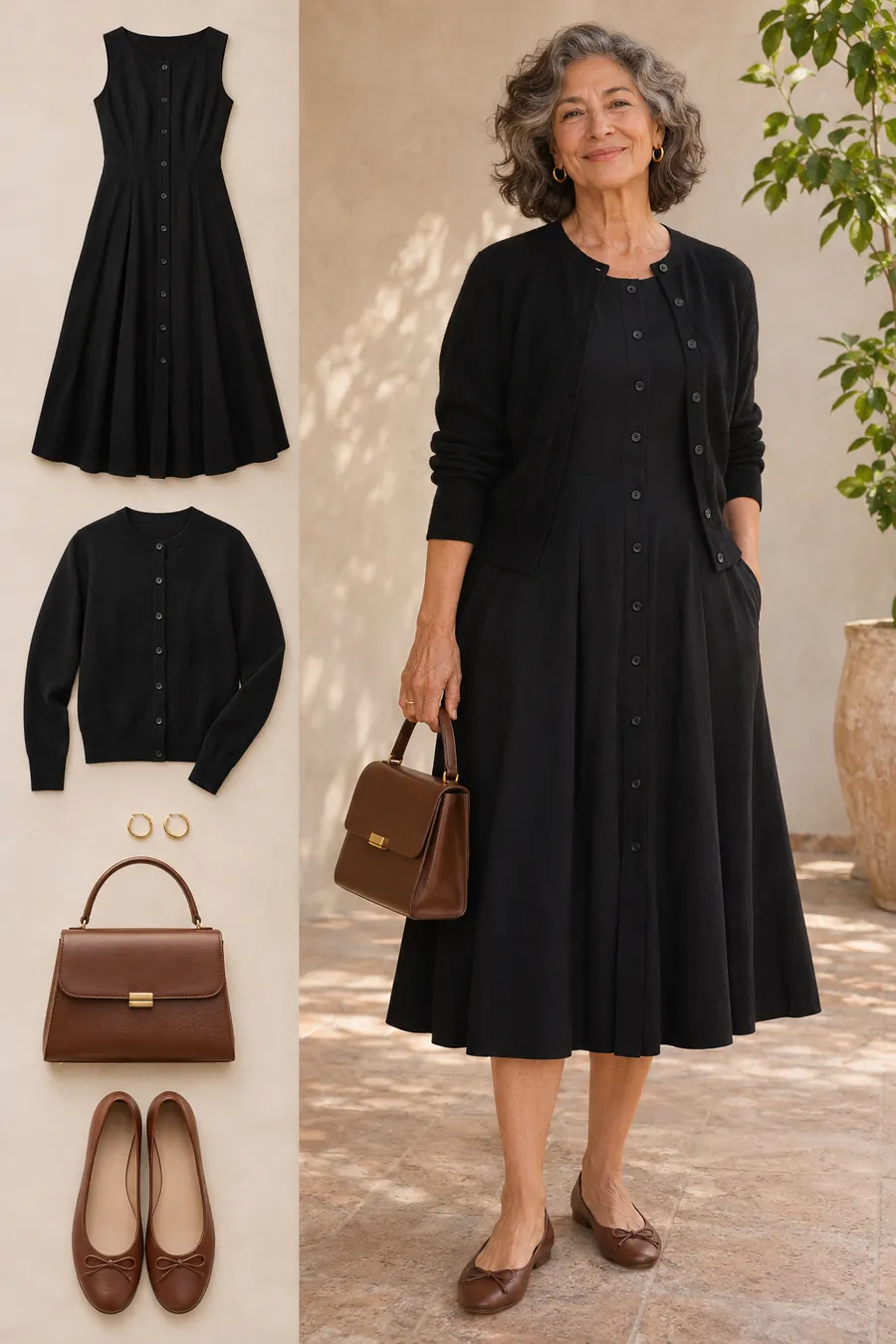
An event with lots of standing
A black dress, closed-toe flats and a light cardigan can work for a casual evening event. Check the dress code first. Take the shoes you can stand in and test the bag strap over the cardigan.
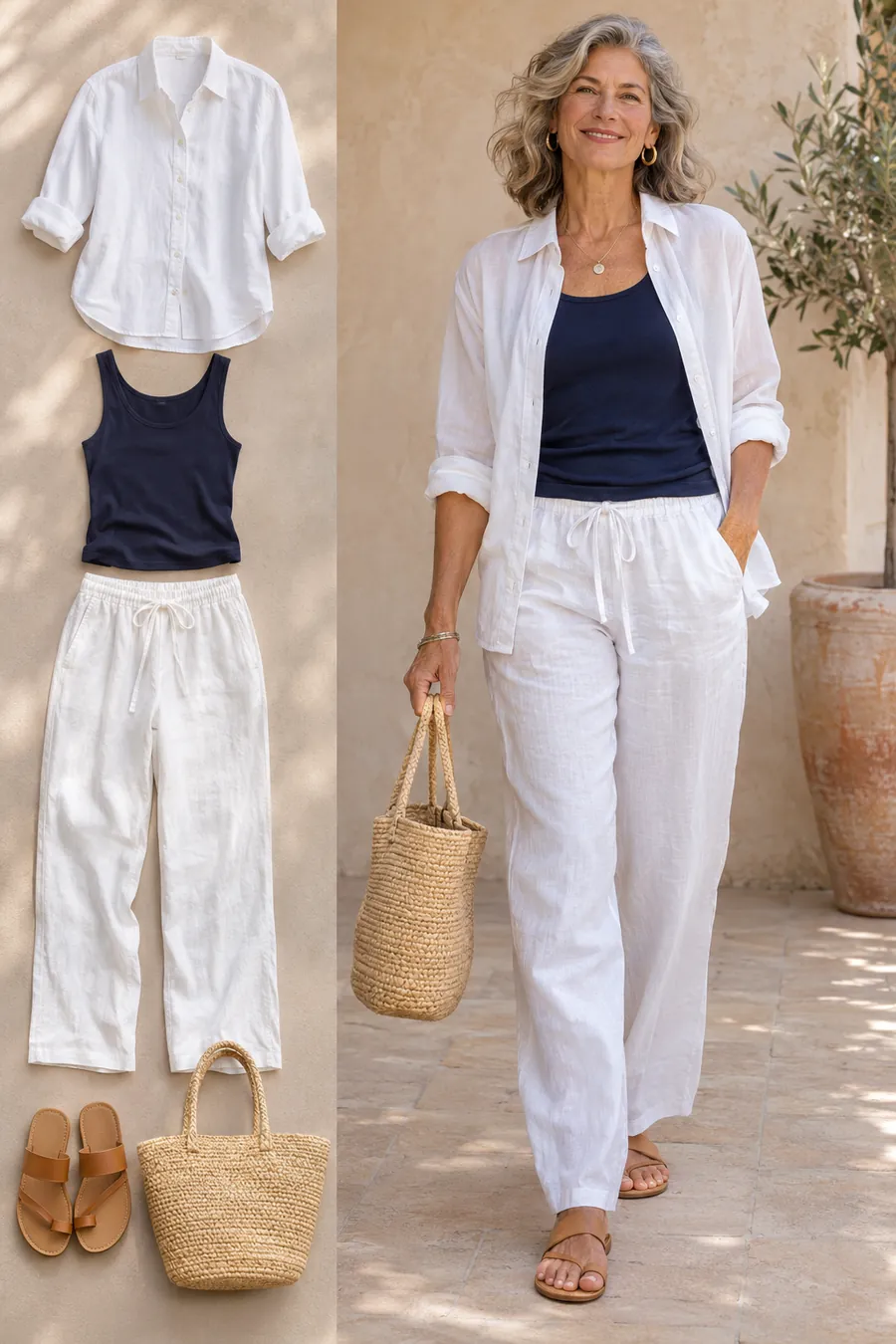
A light outfit with flexible layers
Use the white shirt open over a tank and linen pants. Check coverage in daylight and keep a layer handy for air conditioning. Use a denser weave if it feels better for your day.
Make one outfit easier tonight
Pick one plan on tomorrow’s calendar. Lay out the clothes, shoes and bag. Put everything on long enough to walk and sit. Notice what feels distracting and change just that part. If a familiar color or silhouette still feels like you, build around it again.
Some days the comfortable outfit is the one you will actually enjoy wearing. Keep a backup ready and let yourself make that choice without treating it as a setback.
Frequently asked questions
Should I keep clothes that don’t fit today?
If an item matters to you, store it away from everyday choices and decide when to revisit it. Keep a few comfortable outfits easy to reach so getting dressed does not start with a repeated fit problem.
What if a dress feels good standing but not sitting?
Try it at a chair like the one at your destination. Check where the seam and hem land. A different waist placement, a roomier skirt or a separate top and bottom may suit the occasion better.
Keep reading
25 everyday fashion tips · 12 rules for shopping for clothes · 30 wardrobe essentials
Leave a Reply